Why a 6-Foot Outdoor Water Fountain Transforms Your Backyard (And How to Choose One)
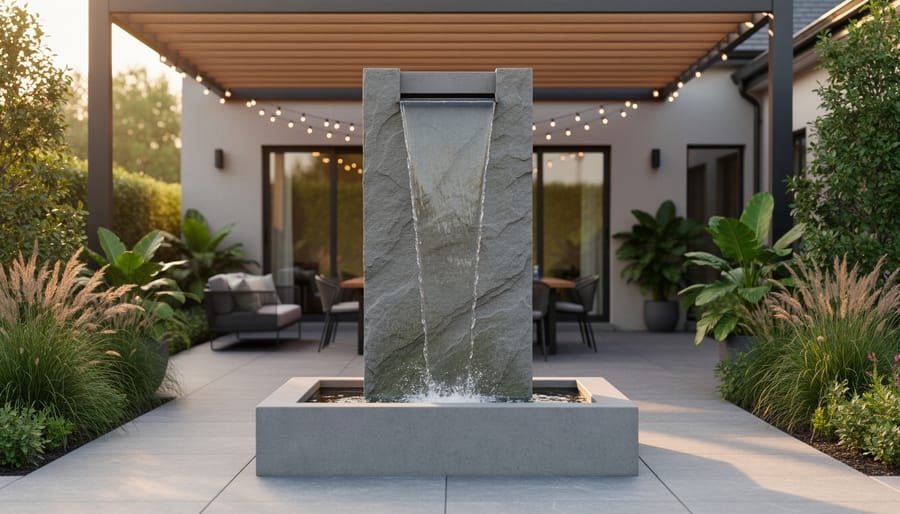
A 6-foot outdoor water fountain transforms your yard from ordinary to extraordinary, striking the perfect balance between dramatic presence and practical installation. This height commands attention without overwhelming your landscape, fits comfortably under most pergolas and covered patios, and creates impressive water sounds that mask neighborhood noise while attracting birds and wildlife to your outdoor living spaces.
Before you buy, measure your intended location’s vertical clearance and ensure you have electrical access within 10-15 feet, since most 6-foot fountains require standard 120-volt outlets. Consider weight capacity too—these fountains typically weigh 200-500 pounds when filled, so you’ll need either a reinforced concrete pad or compacted gravel base to prevent settling and tilting over time.
The sweet spot for pricing ranges from $800 to $3,500, with material choice driving most cost differences. Resin and fiberglass options deliver impressive stone-like appearances at lower prices and lighter weights, making them DIY-friendly for weekend installation. Natural stone and cast concrete fountains offer superior longevity and authentic texture but require professional delivery and placement.
Expect to spend 30 minutes weekly on basic maintenance during active months—clearing debris, checking water levels, and wiping down surfaces. This manageable commitment keeps your investment looking showroom-fresh and operating smoothly for years. The payoff? A stunning focal point that elevates your property value and creates an instant backyard retreat.
What Makes a 6-Foot Fountain the Sweet Spot for Outdoor Spaces
There’s something magical about the six-foot mark when it comes to outdoor water features. It hits that perfect balance between making a statement and maintaining practical functionality in your outdoor space.
From a visual standpoint, six feet gives you genuine presence without overwhelming your yard. It’s tall enough that you’ll notice it from your kitchen window, and guests will spot it the moment they step into your backyard. At this height, the fountain becomes a focal point rather than just another garden ornament, creating vertical interest that draws the eye upward and makes your space feel larger.
The sound projection at this height is particularly impressive. Water falling from six feet creates that soothing, audible cascade you’re looking for—loud enough to mask neighborhood noise and create ambiance, but not so thunderous that it disrupts conversation on your patio. It’s the ideal height for enjoying those relaxing water sounds whether you’re sitting nearby or hearing them drift through an open window.
Here’s a practical bonus most people don’t consider: six-foot fountains typically fly under the radar for building permits in most municipalities. Many areas require permits for structures over eight feet, so you’re comfortably in the clear. Always check your local regulations, but this height generally keeps things simple from a legal standpoint.
The proportions work beautifully for average residential spaces too. Whether you have a modest patio or a sprawling backyard, a six-foot fountain scales appropriately. It’s substantial enough for larger yards without looking lost, yet refined enough for smaller spaces without dominating them. Think of it as the Goldilocks zone—not too big, not too small, just right for creating that resort-style atmosphere you’re after.
Material Matters: Choosing the Right Construction for Your Climate
Natural Stone vs. Cast Stone: What’s Actually Worth the Money
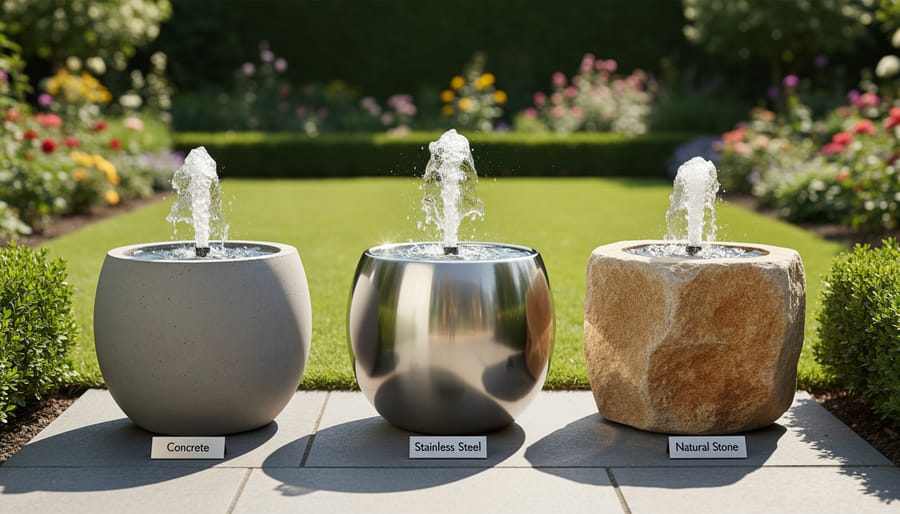
When you’re investing in a 6-foot fountain, the stone choice significantly impacts both your budget and long-term satisfaction. Natural stone options like granite, limestone, and bluestone offer authentic beauty and can last decades with minimal maintenance. They weather gracefully, developing character over time, and their weight provides excellent stability for taller fountains. Expect to pay premium prices, but you’re buying longevity—these fountains often outlive their owners.
Cast stone (a concrete-based composite) delivers the look of natural stone at roughly half the cost. Modern manufacturing has dramatically improved quality, with many cast stone fountains lasting 15-20 years when properly sealed. They’re lighter, making installation easier, and offer more design flexibility since they’re molded rather than carved.
The smart choice? If this fountain is a permanent landscape centerpiece and you plan to stay in your home long-term, natural stone justifies the investment. For those wanting flexibility or working with tighter budgets, high-quality cast stone from reputable manufacturers provides excellent value. Avoid the cheapest cast stone options—they’re prone to cracking and discoloration within just a few years, making them false economy.
Lightweight Resin Options for DIY Installation
Resin fountains offer an excellent entry point if you’re new to water features or working with a tight budget. These models typically weigh 50-80% less than comparable stone or concrete options, meaning you can handle installation solo or with one helper—no heavy equipment required. Most resin fountains arrive in just a few pieces that snap or bolt together in under an hour, making them genuinely DIY-friendly.
The trade-off? While modern resin fountains can look surprisingly realistic from a distance, up-close inspection reveals their synthetic nature. Quality varies dramatically by manufacturer, so examine product photos carefully and read reviews that mention texture and finish quality. Expect a lifespan of 5-8 years with proper care—shorter than stone, but perfectly adequate if you like updating your outdoor decor periodically.
Resin makes the most sense when you’re renting, planning to relocate, or want the flexibility to move your fountain seasonally. They’re also smart choices for covered patios where UV exposure is limited, as direct sunlight can cause fading and brittleness over time. Just remember to bring resin fountains indoors or cover them thoroughly during winter months, as freeze-thaw cycles can crack the material faster than heavier alternatives.
Installation Essentials: What Your Yard Needs Before You Buy
Power and Plumbing: Your Two Critical Decisions
Before you get too far into choosing your perfect 6-foot fountain, let’s tackle two decisions that’ll affect everything from your budget to your weekend schedule: how you’ll power it and how water will flow through it.
For power, you’ve got three main routes. Plug-in fountains are the simplest—just run a weatherproof outdoor extension cord to a GFCI outlet. They typically cost $300-$800 and you can set them up in an afternoon. Solar fountains eliminate electricity costs entirely and work great in sunny spots, though they’ll range from $400-$1,200 and may struggle on cloudy days or in shaded areas. Hardwired installations give you the cleanest look with no visible cords, but you’re looking at $150-$500 for professional electrical work on top of the fountain cost.
On the water side, recirculating systems are your go-to choice for most residential installations. The fountain continuously cycles the same water through a reservoir, so you’ll just need to top it off occasionally as water evaporates. Initial fill might use 50-100 gallons, but after that, maintenance is minimal. Direct water line connections are rare in residential settings—they’re mainly used in commercial installations where constant fresh water is essential. These require plumbing work and ongoing water costs that add up quickly.
For most homeowners, a plug-in fountain with a recirculating system hits the sweet spot of affordability, ease of installation, and low maintenance. Save the fancy options for when you’re really committed to that specific location.
Building a Stable Base That Lasts
A solid foundation makes all the difference between a fountain that lasts for years and one that develops problems within months. The good news? Creating a stable base for your 6-foot fountain is totally doable as a weekend DIY project.
Start by choosing your location carefully. You’ll need a level spot that can handle the combined weight of your fountain plus water—typically around 400-600 pounds for a 6-foot model. Mark out an area about 12 inches wider than your fountain’s base on all sides.
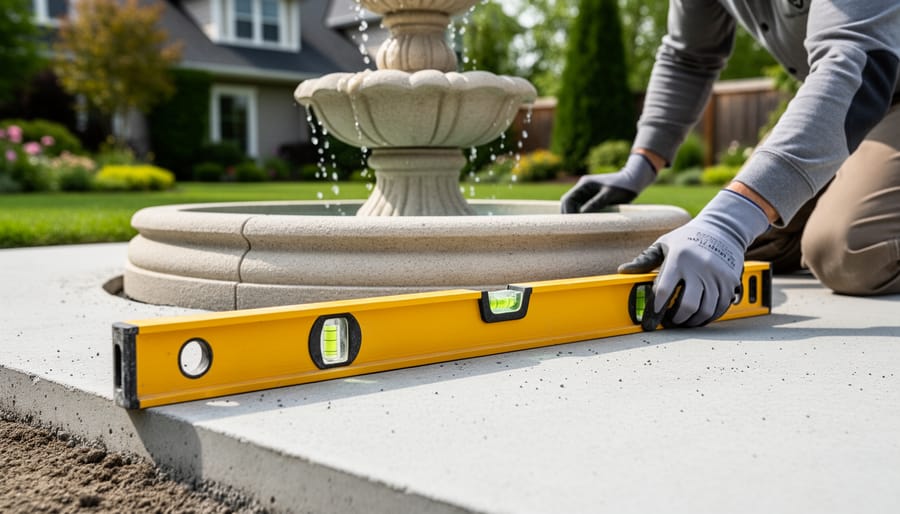
Dig down about 4-6 inches and remove any grass, roots, or debris. This is your chance to get things right from the start. Use a long level or straight board to check for evenness in multiple directions. Even a slight slope will cause water distribution problems later.
For the base material, you have two excellent options. Poured concrete creates the most permanent, stable foundation—mix and pour to about 4 inches thick, then let it cure for at least 48 hours. If you prefer flexibility, crushed gravel compacted in 2-inch layers works beautifully. Add landscaping fabric underneath to prevent weed growth.
Top your base with concrete pavers or flagstone for a finished look. These create a solid platform while allowing some adjustability if needed. Use a rubber mallet to tap pavers level, checking frequently with your level tool.
Before placing your fountain, add a layer of rubber padding or fountain base mat. This protects both the fountain bottom and your pavers from scratches while providing extra stability against vibration.
Design Styles That Work with 6-Foot Fountains
Choosing the right design style for your 6-foot fountain can dramatically transform your outdoor space from ordinary to extraordinary. The good news? There’s a style that perfectly complements every landscape aesthetic.
Modern tiered fountains bring elegant symmetry to contemporary spaces. These multi-level designs create visual interest through clean lines and geometric precision, working beautifully in minimalist gardens or alongside sleek patio furniture. If you’re planning a complete outdoor transformation, consider how a modern fountain pairs with a fireplace and water feature combination for maximum impact.
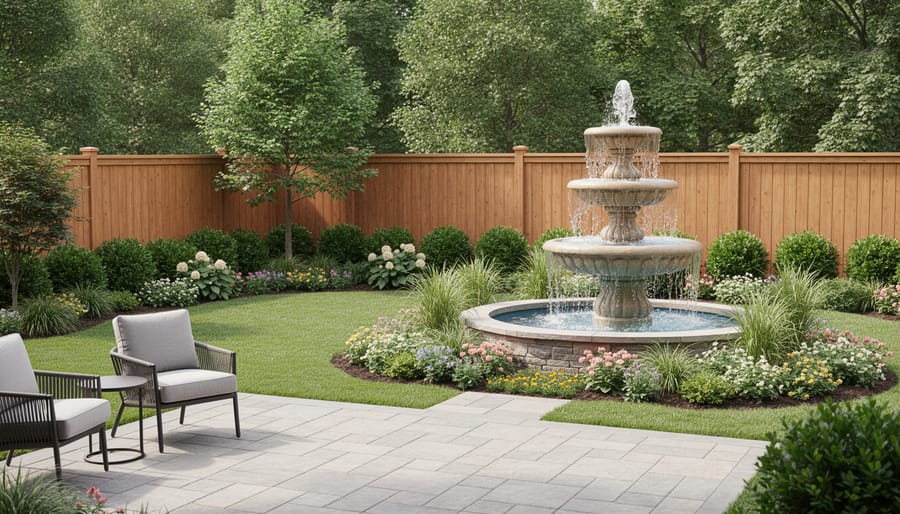
Classical column fountains deliver timeless sophistication. These designs feature ornate details, traditional materials like stone or concrete, and often include decorative elements such as lion heads or scrollwork. They’re ideal if your home has traditional architecture or formal landscaping with structured hedges and symmetrical plantings.
Natural rock formations offer an organic alternative that blends seamlessly into cottage gardens, woodland settings, or rustic landscapes. These fountains mimic nature’s waterfalls and streams, creating a peaceful, authentic look that feels like it’s always been part of your yard. The irregular shapes and earth-toned materials work particularly well when surrounded by native plants and informal pathways.
Contemporary geometric fountains make bold statements with angular designs, unusual materials, and artistic flair. Think stacked cubes, spiraling columns, or abstract sculptures. These work brilliantly in urban gardens or modern architectural settings where you want your fountain to serve as a focal point.
Matching your fountain to existing outdoor decor doesn’t mean everything needs to match perfectly. Instead, consider complementary colors, materials, and overall mood. A stone fountain naturally complements stone pavers, while metal finishes echo stainless steel outdoor kitchens or contemporary furniture. Take photos of your space from different angles before shopping to ensure your chosen fountain enhances rather than clashes with your carefully curated outdoor environment.
Maintenance Reality Check: What You’re Actually Signing Up For
Let’s get real about what owning a 6-foot outdoor water fountain actually involves. This isn’t meant to scare you off, but rather help you plan ahead so you’re not caught off guard.
During the active season (spring through fall), you’re looking at about 20-30 minutes of maintenance every two weeks. Your main tasks include checking water levels, wiping down surfaces, and inspecting the pump for debris. Once a month, plan for a deeper clean that takes roughly an hour. You’ll need to drain the fountain, scrub away mineral deposits with a mixture of white vinegar and water, and clean the pump filter thoroughly.
Algae prevention is your biggest ongoing challenge, especially in warmer months. If your fountain sits in direct sunlight for more than six hours daily, expect to deal with green water unless you’re proactive. The simplest approach combines three strategies: add a fountain-safe algae inhibitor every week (about $15-20 monthly), ensure proper water circulation by running your pump continuously, and consider installing a UV clarifier in your pump system. These clarifiers run about $50-100 but dramatically reduce algae growth without chemicals.
Winterization is non-negotiable if you live where temperatures drop below freezing. Set aside 2-3 hours before the first freeze to drain your fountain completely, disconnect and store the pump indoors, and cover the basin with a breathable, waterproof cover. Skipping this step can lead to cracked basins and destroyed pumps, potentially costing hundreds in repairs.
Here’s where technology makes life easier. Smart plug timers (around $25) let you control pump schedules from your phone, ensuring circulation during peak sunlight hours. Some homeowners install automatic water levelers, similar to those in livestock tanks, which maintain proper water levels and eliminate weekly top-offs. These run about $40-60 and pay for themselves in convenience.
Pump replacement is inevitable. Even quality pumps last only 2-4 years with continuous use. Budget $50-150 for replacement pumps and consider keeping a backup on hand. It’s cheaper than emergency ordering when your fountain suddenly goes silent during a garden party.
The bottom line? If you can commit to biweekly check-ins and seasonal prep work, a 6-foot fountain is absolutely manageable. Smart automation tools can cut your hands-on time nearly in half.
Smart Shopping: Budget Ranges and What You Get at Each Price Point
Understanding the price landscape helps you invest wisely in a 6-foot outdoor water fountain that matches your expectations and budget.
In the $500-$1,200 range, you’ll find lightweight resin or fiberglass fountains with basic pump systems. These entry-level options work well for budget-conscious homeowners testing the waters with fountain ownership. Expect 3-5 years of use with proper winterization, though pumps may need replacement within two years. The finish quality won’t match premium models, but many options still look attractive from typical viewing distances.
Mid-range fountains ($1,200-$2,500) deliver noticeable quality improvements. You’ll get heavier resin with better detailing, cast stone, or lightweight concrete construction. Pumps are more reliable, and finishes resist fading longer. These fountains typically last 7-10 years with routine maintenance. This sweet spot offers the best value for most homeowners who want quality without breaking the bank.
Premium fountains ($2,500-$5,000+) feature genuine stone, heavy cast stone, or architectural-grade materials. Professional-quality pumps, superior craftsmanship, and weather-resistant finishes mean 15-20 year lifespans or longer. These investment pieces become permanent landscape features.
Smart shopping tips: Shop off-season (late fall through early spring) for 20-40% discounts. Compare shipping costs carefully since heavy fountains can add $200-500 to your total. Avoid extremely cheap fountains under $400, as they often crack within one season. Read return policies closely since damaged fountain returns are complicated. Consider local suppliers to inspect quality firsthand and save shipping costs. Watch for package deals including pumps, LED lighting, and winterization covers, which often save $100-300 compared to buying separately. Remember that installation costs can add another $200-800 if you’re not going the DIY route.
A 6-foot outdoor water fountain can have a truly transformative impact on your outdoor living space. Beyond the immediate visual appeal and soothing sounds, you’re investing in long-term enjoyment and adding measurable value to your property. Whether you’re creating a peaceful retreat for yourself or designing an impressive feature that catches everyone’s eye, the right 6-foot fountain delivers on multiple levels.
Take time to assess your specific needs—consider your space dimensions, existing landscape style, maintenance preferences, and budget. Think about whether you want a DIY installation project or professional help. Review the material options, power requirements, and seasonal care demands we’ve discussed.
The beauty of choosing a fountain this size is that you’re getting substantial presence without overwhelming your yard. You’re ready to make an informed decision that you’ll appreciate for years to come. Your outdoor oasis is just one well-chosen fountain away, so take that next step with confidence.