Transform Your Interior with Timeless Wrought Iron Stair Railings
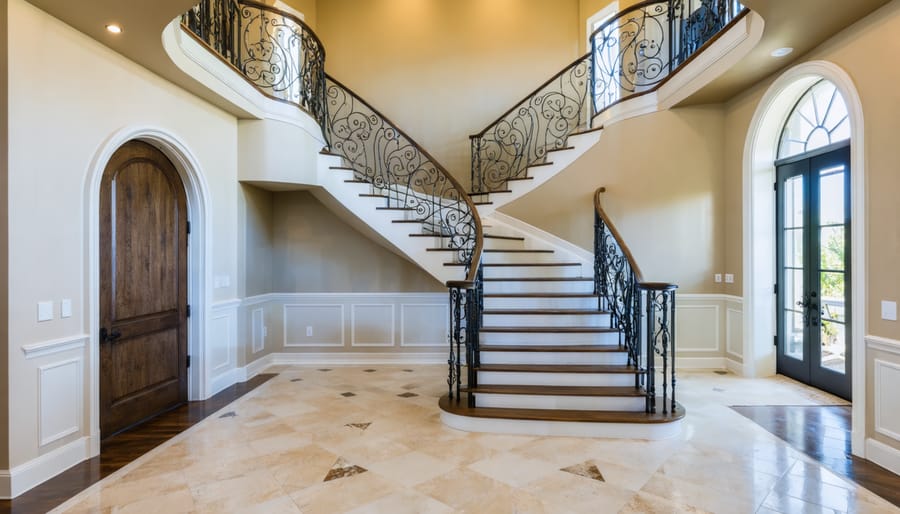
Transform your interior staircase into a stunning architectural focal point with wrought iron railings that blend timeless elegance with modern safety standards. These enduring metal masterpieces offer unmatched durability while creating dramatic visual impact through their intricate scrollwork and graceful curves. From sleek minimalist designs to elaborate Victorian-inspired stair railings ideas, wrought iron brings artisanal craftsmanship directly into your home’s heart.
Beyond pure aesthetics, wrought iron railings provide superior strength and longevity compared to wood or cable alternatives, requiring minimal maintenance while aging beautifully over decades. Their versatility accommodates both traditional and contemporary homes, with customization options ranging from powder-coated finishes to mixed material combinations with glass or wood. Whether retrofitting an existing staircase or designing a new build, wrought iron railings deliver the perfect balance of form and function while potentially increasing your property’s resale value.
The following guide explores everything you need to know about selecting, installing, and maintaining interior wrought iron railings that perfectly complement your home’s unique character and meet all safety requirements.
Classic Wrought Iron Railing Designs That Never Go Out of Style
Scrollwork and Basket Designs
Scrollwork and basket designs represent the pinnacle of wrought iron artistry, transforming ordinary stair railings into stunning architectural features. These intricate patterns add a touch of elegance while maintaining the material’s inherent strength and durability.
Classic scroll patterns feature graceful spirals and curves that flow seamlessly along the railing. These designs can range from simple S-curves to elaborate Victorian-inspired motifs with multiple layered scrolls. For a balanced look, scrollwork is often symmetrically arranged, creating a harmonious visual rhythm as you ascend or descend the stairs.
Basket weave designs offer a different aesthetic, incorporating interlaced metal strips that create a woven appearance. This pattern provides excellent visual interest while maintaining a more geometric feel that suits contemporary homes. Some homeowners opt for a combination of basket weaves in the center panels with scrollwork borders, achieving a perfect blend of decorative styles.
When selecting these ornamental elements, consider your home’s existing architecture. Traditional homes benefit from more elaborate scrollwork, while transitional spaces might pair well with simplified scroll patterns or clean basket weaves. For maximum impact, consider incorporating complementary design elements in nearby fixtures like wall sconces or door hardware to create a cohesive look throughout your space.
Geometric and Modern Patterns
Contemporary homeowners are increasingly drawn to modern railing designs that embrace clean lines and geometric patterns. These sleek interpretations of wrought iron combine traditional craftsmanship with minimalist aesthetics, creating stunning visual statements in modern interiors.
Popular geometric patterns include horizontal bars arranged in precise intervals, square or rectangular grid patterns, and abstract geometric compositions that play with negative space. These designs often feature straight lines intersecting at dramatic angles, creating eye-catching visual rhythm throughout your staircase.
Many homeowners are opting for simplified patterns like parallel vertical bars accented with occasional horizontal elements, or bold zigzag designs that add dynamic energy to the space. The beauty of geometric patterns lies in their versatility – they can complement both ultra-modern minimalist homes and transitional spaces that blend contemporary and traditional elements.
For a truly distinctive look, consider incorporating repeating diamond shapes, interlocking circles, or asymmetrical geometric patterns that serve as functional art pieces. These designs often feature matte black finishes that enhance their contemporary appeal while maintaining the timeless durability of wrought iron.
When selecting a geometric pattern, consider how it will interact with your home’s existing architectural elements and lighting. The right design can create fascinating shadow play on your walls throughout the day, adding an extra dimension of visual interest to your interior space.
Customization Options for Your Space
Finishes and Color Options
Wrought iron railings offer a stunning range of finish options to complement any interior design style. The most popular finish is the classic matte black, which provides a timeless elegance and pairs beautifully with both traditional and modern décor. For a more dramatic look, oil-rubbed bronze creates a rich, deep tone with subtle variations that add character and depth.
If you’re seeking something unique, consider metallic finishes like antique copper, brushed nickel, or pewter. These options can add warmth and sophistication to your space while maintaining the distinctive character of wrought iron. For a more contemporary feel, powder coating allows for virtually any color choice, from bold statement hues to subtle neutrals that blend seamlessly with your existing color scheme.
Textured finishes are another exciting option, offering both visual and tactile interest. Hand-applied patinas can create weathered, vintage effects that tell a story, while hammered finishes add dimensional detail that catches the light beautifully. For those who appreciate the natural beauty of metal, a clear coat over raw iron showcases the material’s inherent characteristics while protecting against rust and wear.
Custom finishing techniques can also incorporate gold leaf accents, two-tone effects, or distressed treatments for truly personalized results. Remember that your chosen finish should not only look beautiful but also provide adequate protection against everyday wear and tear.
Mixed Material Combinations
Wrought iron’s versatility shines brightest when paired with complementary materials, creating stunning visual contrasts that can transform your staircase into a true architectural masterpiece. Wood combinations are particularly popular, with rich mahogany or oak handrails adding warmth and comfort to the cold elegance of iron balusters. This pairing not only looks fantastic but also provides a more comfortable grip for daily use.
Glass panels between wrought iron posts offer a contemporary twist, allowing natural light to flow freely while maintaining the structural integrity of your railing system. This combination works especially well in modern homes or renovated industrial spaces, creating an airy, open feeling without sacrificing safety.
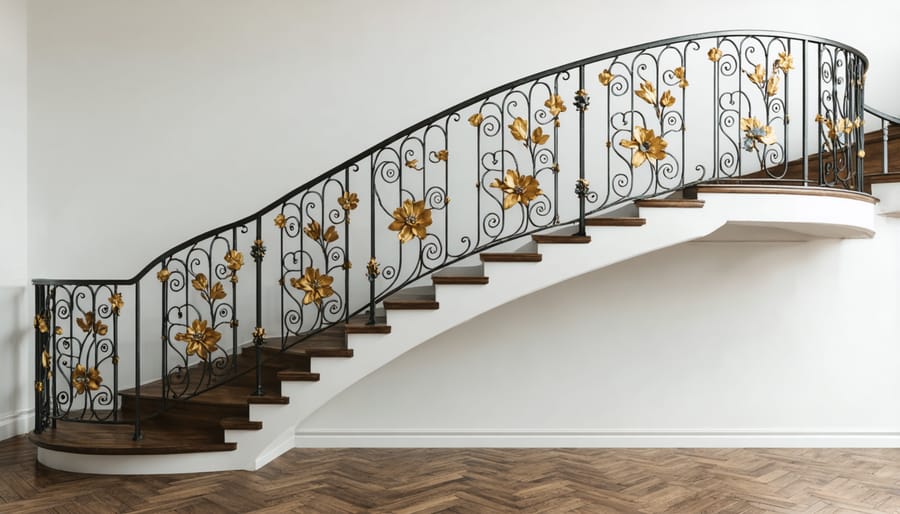
For a unique touch, consider incorporating brass or copper accents into your wrought iron design. These warmer metals can be used for decorative caps, centerpiece medallions, or even as subtle inlays within the ironwork itself. Natural stone elements, such as marble newel posts or limestone accents, add a touch of luxury and create an interesting textural interplay with the smooth, curved lines of the iron.
When mixing materials, maintain a balanced ratio – typically 70/30 or 60/40 between primary and accent materials. This ensures your design remains cohesive while allowing each material to contribute its unique characteristics to the overall aesthetic.

Installation and Maintenance Considerations
Professional vs. DIY Installation
Installing wrought iron stair railings presents homeowners with two distinct paths: professional installation or DIY approach. While both options have their merits, your choice should depend on several key factors, including your skill level, available time, and project complexity.
Professional installation offers significant advantages. Experienced contractors understand stair rail components intimately and ensure proper fitting and secure mounting. They bring specialized tools, handle necessary permits, and guarantee their work meets local building codes. Professional installers can also manage unexpected challenges, like uneven walls or complex angles, which might frustrate DIY attempts.
For handy homeowners, DIY installation can save money and provide personal satisfaction. However, it requires careful planning, proper tools, and a solid understanding of installation techniques. Basic projects with straight runs and simple designs are more suitable for DIY than elaborate configurations with curved sections or custom features.
Consider these factors before deciding:
– Project complexity and design intricacy
– Your experience with similar installations
– Available tools and equipment
– Time commitment required
– Local building codes and permit requirements
– Cost differences between DIY materials and professional services
– Safety considerations, especially for multi-story installations
If you’re uncertain, many professionals offer consultation services to help evaluate whether DIY is appropriate for your specific situation. Remember, safety should always be your primary concern, as proper installation directly affects your home’s security.
Care and Upkeep Tips
Maintaining your wrought iron stair railings doesn’t have to be complicated. With regular care, these elegant fixtures can retain their beauty and structural integrity for decades. Start by dusting your railings weekly using a soft, dry cloth to prevent dirt buildup. For deeper cleaning, mix mild soap with warm water and gently wipe down the railings with a non-abrasive sponge, making sure to dry thoroughly afterward to prevent rust.
Inspect your railings every few months for signs of rust, particularly at joints and connection points. If you spot any rust spots, address them immediately by gently sanding the area with fine-grit sandpaper, applying a rust-inhibiting primer, and touching up with matching paint designed for metal surfaces.
For railings with intricate designs, use a small brush to clean hard-to-reach areas where dust and debris can accumulate. Apply a thin coat of paste wax twice a year to create a protective barrier against moisture and daily wear. This also adds a subtle sheen that enhances the railing’s appearance.
In high-moisture areas like near entrances, consider applying a clear protective coating specifically designed for wrought iron. Keep an eye on any mounting hardware and tighten loose screws promptly to maintain stability. If your railings have a powder-coated finish, avoid using harsh chemical cleaners that could damage the coating.
Design Tips for Different Home Styles
Traditional and Victorian Homes
Wrought iron railings have a natural affinity with traditional and Victorian architectural styles, where their elegant curves and intricate scrollwork perfectly complement the ornate details of these classic homes. In Victorian-era properties, these railings often feature elaborate basket twists, floral motifs, and sweeping spirals that echo the decorative elements found in crown moldings and architectural trim work.
When selecting wrought iron railings for a traditional home, consider designs that incorporate classic elements like rosettes, acanthus leaves, and graceful S-curves. These timeless patterns not only enhance the historical authenticity of your space but also create a seamless transition between different architectural elements.
For Victorian homes, opt for more dramatic and complex patterns that showcase the craftsmanship typical of the period. Multi-layered designs with repeated geometric patterns or nature-inspired motifs work particularly well. To maintain authenticity, choose finishes in deep blacks or oil-rubbed bronze that mirror the original ironwork of the era.
Remember to balance the intricacy of your chosen design with the existing decorative elements in your home to create a cohesive look that respects the building’s historical character while meeting modern safety standards.
Contemporary and Modern Spaces
While traditionally associated with classic and ornate designs, wrought iron stair railings are making a stunning comeback in contemporary and modern interiors. Today’s designers are embracing clean lines and minimalist patterns that perfectly complement modern aesthetics. Simple geometric shapes, straight bars with minimal ornamentation, and sleek horizontal configurations are particularly popular in urban lofts and modern homes.
The versatility of wrought iron allows it to be powder-coated in various colors, from matte black to metallic finishes, helping it blend seamlessly with modern color schemes. Many homeowners are opting for mixed-material designs, combining wrought iron with glass panels or wooden handrails for an updated look that maintains the material’s timeless appeal.
Modern manufacturing techniques have also introduced thinner profiles and more precise designs, creating railings that appear lighter and more architectural. The contrast between the dark metal and light-colored walls or floating stairs creates dramatic visual interest while maintaining the open, airy feel beloved in contemporary spaces. Smart lighting integration, such as LED strips along the handrails, can transform these functional elements into stunning architectural features.
Transitional Home Designs
Transitional home designs offer the perfect opportunity to blend vintage and modern styles seamlessly, and wrought iron stair railings play a pivotal role in achieving this balance. By combining the timeless craftsmanship of wrought iron with contemporary design elements, you can create a stunning focal point that bridges different design eras.
Consider pairing traditional scroll patterns with clean-lined balusters, or mixing classic black wrought iron with glass panels for a fresh take on stair safety. The versatility of wrought iron allows for customization that works perfectly in transitional spaces – think simplified geometric patterns rather than ornate Victorian scrollwork, or straight spindles accented with subtle curved details.
For a truly transitional look, complement your wrought iron railings with modern materials like light wood treads or sleek metal handrails. The contrast between old and new creates visual interest while maintaining a cohesive design. Adding contemporary lighting fixtures or mixing metallic finishes can further enhance the transitional appeal of your staircase, making it a standout feature that honors both traditional craftsmanship and modern aesthetics.
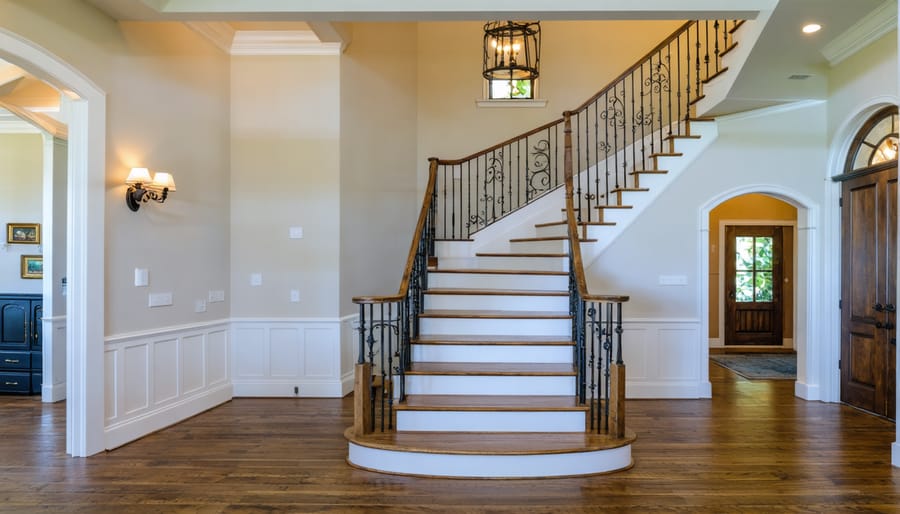
Wrought iron stair railings have proven themselves to be more than just a safety feature – they’re a timeless investment that enhances both the functionality and aesthetic appeal of your home. Their durability means they’ll serve your family for generations while requiring minimal maintenance beyond occasional cleaning and touch-ups. The versatility of wrought iron allows for endless customization possibilities, from sleek modern designs to ornate traditional patterns, ensuring you can find or create the perfect match for your interior style.
When considering wrought iron railings for your home, remember that while the initial cost might be higher than other materials, their longevity and visual impact make them a worthwhile investment. Whether you’re planning a DIY installation or working with professional craftsmen, proper planning and attention to local building codes are essential for a successful project.
For the best results, consider working with experienced metalworkers who can help bring your vision to life while ensuring safety and compliance. If you’re tackling this as a DIY project, take time to research proper installation techniques and gather all necessary tools and materials before beginning.
Remember that wrought iron railings aren’t just functional elements – they’re architectural statements that can transform your interior space while providing reliable safety features for your family and guests. With proper care and maintenance, your wrought iron railings will continue to be a striking feature of your home for years to come.