Are Polypropylene Rugs Actually Safe for Your Pets? Here’s What Vets Say
When creating a pet-friendly home design, the safety of polypropylene rugs demands careful consideration. While these synthetic rugs offer exceptional durability and stain resistance, pet owners should understand both their benefits and potential risks. These rugs emit low levels of volatile organic compounds (VOCs) during their initial installation period, though significantly less than many other flooring options. Their synthetic fibers resist bacterial growth and don’t harbor allergens like natural materials can, making them particularly suitable for households with pets prone to accidents. However, some pets may experience mild respiratory irritation during the first few weeks of installation, warranting proper ventilation and monitoring. For most pet households, polypropylene rugs represent a practical, safe flooring solution that balances aesthetic appeal with pet-friendly functionality, provided owners follow basic installation and maintenance guidelines.
What Makes Polypropylene Rugs Different?
Material Composition
Polypropylene, also known as olefin, is a synthetic fiber created through petroleum processing. In rug manufacturing, this material has become increasingly popular due to its durability and cost-effectiveness. The fibers are produced by melting plastic pellets and extruding them into threads, which are then woven or tufted into rugs.
These rugs typically feature a sturdy backing made of jute or synthetic materials, with the polypropylene fibers serving as the surface pile. The material’s molecular structure makes it naturally stain-resistant and colorfast, meaning it won’t fade easily even when exposed to sunlight or cleaning products.
What sets polypropylene rugs apart is their moisture-resistant properties – they don’t absorb liquids, making them particularly suitable for homes with pets. The fibers are also naturally resistant to mold and mildew, and they don’t generate static electricity, which can be a concern with some synthetic materials.
Manufacturing Process
Polypropylene rugs are created through a synthetic manufacturing process that starts with petroleum-based materials. The process involves melting down polypropylene pellets and extruding them into thin fibers, which are then woven or tufted into rug backing material. While the base materials are chemically processed, modern manufacturing techniques have significantly reduced the use of harmful chemicals.
Most manufacturers now use low-VOC (volatile organic compounds) adhesives and treatments during production. However, some rugs may receive additional treatments for stain resistance or durability, which typically involve fluorinated compounds or antimicrobial agents. These treatments generally become stable once cured, but it’s worth noting that new rugs might off-gas slightly for the first few days after unpacking.
The final product undergoes quality testing to ensure the fibers are securely bound and the backing is properly sealed, making the rug more resistant to wear and tear from pet activity.
Safety Considerations for Pets
Chemical Safety
When it comes to chemical safety, polypropylene rugs generally get a passing grade for pet households. These rugs are considered non-toxic and don’t contain many of the harmful chemicals found in some other synthetic materials. However, new polypropylene rugs may release a small amount of volatile organic compounds (VOCs) when first unpacked, a process known as off-gassing.
To minimize any potential concerns, it’s recommended to unroll new polypropylene rugs in a well-ventilated area for 24-48 hours before bringing them into your main living space. This allows most of the initial manufacturing odors to dissipate. Unlike some other synthetic materials, polypropylene doesn’t continue to off-gas significantly after this initial period.
The material is also resistant to mold and mildew, which is particularly important for pet owners dealing with occasional accidents. Additionally, polypropylene doesn’t absorb moisture or retain pet odors, making it less likely to harbor harmful bacteria or create an unhealthy environment for your furry friends. If you’re still concerned, look for rugs with certifications like CRI Green Label Plus, which indicates low VOC emissions.
Physical Safety Features
When it comes to physical safety, polypropylene rugs offer several pet-friendly features. These rugs typically have a low-pile texture that provides good traction for pets, reducing the risk of slipping or sliding while they play or move around. The synthetic fibers are generally claw-friendly, meaning they won’t catch or snag your pet’s nails like some loop-pile carpets might.
The flat, stable surface of polypropylene rugs makes them particularly suitable for older pets or those with mobility issues. Most varieties come with non-slip backing or can easily accommodate rug pads underneath for extra stability. This is especially important for energetic dogs who might race across the floor or cats who enjoy sudden bursts of activity.
However, it’s worth noting that some polypropylene rugs with very smooth surfaces might become slippery when wet from spills or pet accidents. To prevent this, look for options with textured surfaces or consider adding a quality rug pad. The material’s durability also means it won’t easily break down into harmful fibers that could get caught in paw pads or fur.
Allergenic Properties
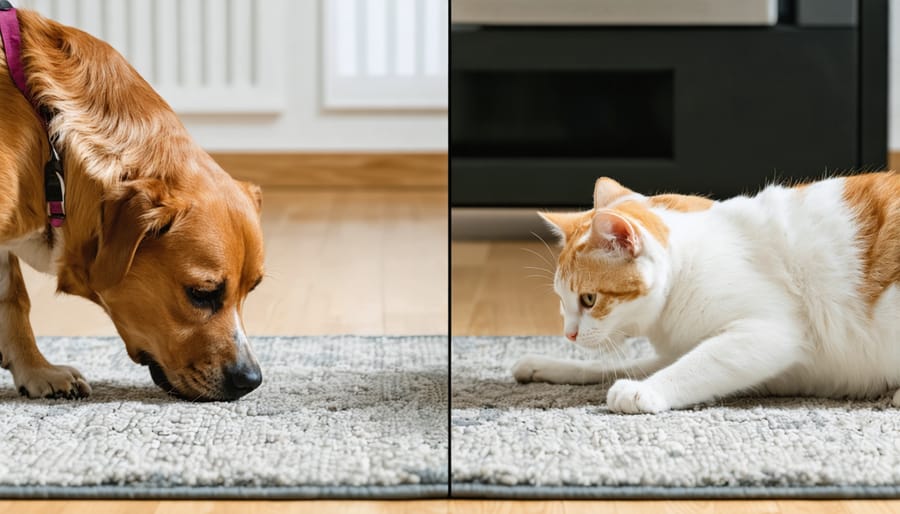
Polypropylene rugs generally pose a low allergy risk for most pets, but some animals may show sensitivity to the synthetic materials or manufacturing chemicals. While rare, symptoms can include skin irritation, excessive scratching, or respiratory issues in particularly sensitive pets. The good news is that polypropylene is naturally hypoallergenic and doesn’t harbor dust mites or other allergens as readily as natural fiber rugs. However, the backing material or adhesives used in some rugs might cause reactions in certain pets. If you notice your pet showing signs of discomfort around your new rug, monitor their behavior and consult with your veterinarian to determine if the rug might be the source of any allergic reactions.
Maintenance and Pet-Friendly Features
Cleaning and Stain Resistance
Polypropylene rugs are remarkably easy to clean and maintain, making them an excellent choice for pet owners. Their synthetic fibers naturally resist stains and moisture, which means accidents and spills are less likely to leave permanent marks. When your furry friend has an accident, simply blot the area with a clean cloth and use pet-safe cleaning solutions to remove any residue.
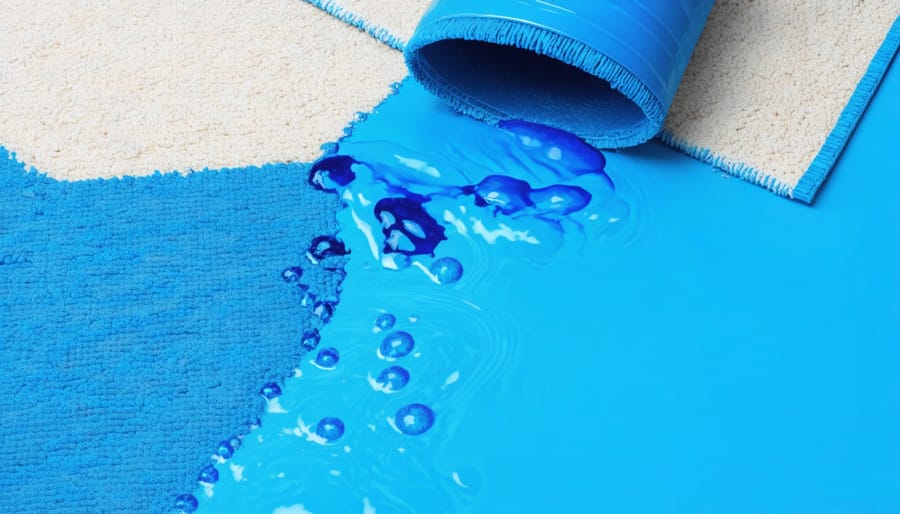
These rugs can handle regular vacuuming without showing wear, and most can be cleaned with a garden hose for deeper cleaning sessions. The material’s water-resistant properties mean that liquids typically pool on the surface rather than soaking in, giving you time to clean up before staining occurs.
For routine maintenance, weekly vacuuming will remove pet hair and dander effectively. You can also use a stiff brush to restore the pile if it becomes matted from pet traffic. The material’s durability means you won’t have to worry about damage from regular cleaning, and its color-fast nature ensures that cleaning products won’t cause fading or discoloration.
Remember to address spills promptly and avoid using harsh chemicals that might irritate your pet’s sensitive paws or nose.
Durability Against Pet Wear
Polypropylene rugs are remarkably resilient when it comes to handling the daily wear and tear from pets. These rugs stand up exceptionally well to heavy foot (and paw) traffic, making them a practical choice for homes with active pets. The synthetic fibers resist scratching from pet claws and maintain their appearance even with regular use.
One of the biggest advantages is their stain resistance. When accidents happen – and they will with pets – polypropylene rugs are much easier to clean than natural fiber alternatives. The material doesn’t absorb liquids readily, giving you more time to clean up pet messes before they set in.
These rugs also hold up well against repeated cleaning, which is essential for pet households. You can vacuum them frequently without worrying about fiber damage, and they won’t fade or deteriorate from regular spot cleaning or washing. Most polypropylene rugs maintain their shape and color even after years of pet-related challenges.
However, while durable, these rugs aren’t indestructible. Extremely determined chewers might still damage them, so supervision is always recommended with new pets.
Alternative Options
While polypropylene rugs have their advantages, several other pet-friendly fabric options might better suit your needs. Natural sisal and jute rugs offer excellent durability and are completely non-toxic, though they may be harder to clean and less resistant to moisture. Wool rugs, while more expensive, provide superior durability and natural stain resistance, making them an excellent long-term investment for pet households.
Indoor/outdoor rugs made from recycled materials offer similar benefits to polypropylene but often with improved breathability and eco-friendly credentials. These rugs are specifically designed to withstand heavy traffic and outdoor conditions, making them perfect for active pets.
Cotton rugs present another safe alternative, being both natural and machine-washable. They’re particularly suitable for homes with allergic pets, though they may require more frequent cleaning and replacement.
Nylon rugs offer excellent durability and stain resistance similar to polypropylene but with better colorfastness and resilience. They’re slightly more expensive but often last longer under heavy pet traffic.
For those concerned about sustainability, bamboo fiber rugs provide an eco-friendly option that’s naturally antimicrobial and resistant to odors. They’re particularly suitable for homes in warmer climates where pets might seek cool surfaces for rest.
Each alternative comes with its own set of pros and cons, so consider your specific needs, pet habits, and maintenance preferences when making your choice.
When it comes to polypropylene rugs and pet safety, the evidence suggests these rugs can be a practical choice for pet owners, provided proper care and maintenance are followed. While these rugs offer excellent stain resistance and durability, it’s essential to maintain good ventilation and regular cleaning to minimize any potential VOC concerns.
For pet owners considering polypropylene rugs, we recommend:
– Choosing low-pile options for easier cleaning
– Selecting rugs with non-slip backing for pet safety
– Maintaining regular vacuum schedules
– Using pet-friendly cleaning products
– Ensuring proper room ventilation
If you’re still concerned about synthetic materials, natural fiber alternatives like wool or cotton might be better suited for your home. Remember that each pet household is unique, and what works for one may not work for another. Consider your pet’s specific needs, your lifestyle, and maintenance preferences when making your final decision.
The key is finding the right balance between practicality, safety, and comfort for both you and your furry family members.