60s Home Style Revival: How to Nail That Groovy Mid-Century Look
Step back in time to an era where bold patterns, vibrant colors, and unconventional shapes defined interior design. The 1960s revolutionized home decor with its daring combination of mid-century modern design elements and psychedelic influences, creating spaces that were both functional and fearlessly expressive. From sunburst mirrors and geometric wallpapers to low-slung furniture and space-age lighting fixtures, 60s style continues to captivate designers and homeowners alike. Today’s revival of these retro elements offers a perfect blend of nostalgia and contemporary appeal, allowing you to create spaces that honor the past while embracing modern comfort and functionality. Whether you’re planning a complete room transformation or simply looking to incorporate subtle vintage touches, the distinctive characteristics of 60s decor provide endless inspiration for creating dynamic, personality-filled spaces that stand the test of time.
Defining Elements of 60s Home Decor
Colors and Patterns
The 1960s brought an explosion of bold, psychedelic colors that defined the era. Vibrant oranges, sunny yellows, and avocado greens dominated living spaces, often paired with deep browns and warm golds. These striking combinations created energetic, mood-lifting environments that captured the decade’s optimistic spirit.
Pattern-wise, the ’60s weren’t shy about making statements. Geometric prints featuring circles, squares, and bold stripes adorned everything from wallpaper to upholstery. The iconic flower power movement influenced decor with large, stylized floral patterns in contrasting colors. Abstract shapes and optical illusions, inspired by the pop art movement, added dynamic visual interest to walls and textiles.
Color blocking was another significant trend, with rooms often featuring two or three bold colors used in large, distinct sections. Popular combinations included orange and brown, yellow and green, or pink and purple. For those seeking authenticity, these powerful color statements were often balanced with neutral elements like white walls or natural wood tones.
Today, you can incorporate these vibrant ’60s elements more subtly by choosing one or two statement pieces in period colors or patterns, while keeping the rest of your space more neutral and contemporary.

Materials and Textures
The 1960s brought a revolutionary mix of materials that defined the era’s distinctive look. Vinyl became a superstar in home decor, appearing on everything from chairs to wall coverings, prized for its durability and easy-clean properties. Plastic, another space-age favorite, introduced bold colors and innovative shapes to everyday items like lampshades and storage containers.
Wood remained a constant presence but took on new forms. Teak and rosewood dominated furniture design, while sleek walnut paneling transformed walls. These rich, dark woods were often paired with lighter materials to create dynamic contrasts throughout living spaces.
Textiles played a crucial role in bringing the ’60s aesthetic to life. Psychedelic patterns in velvet and cotton brought vibrant energy to rooms, while shag carpeting in bold colors became a must-have floor covering. Geometric prints on curtains and upholstery fabric featured eye-catching combinations like orange and brown or yellow and green. Natural fibers like jute and hemp appeared in macramé wall hangings and plant holders, adding organic texture to the mix of synthetic materials.
Iconic 60s Furniture Pieces
Statement Seating
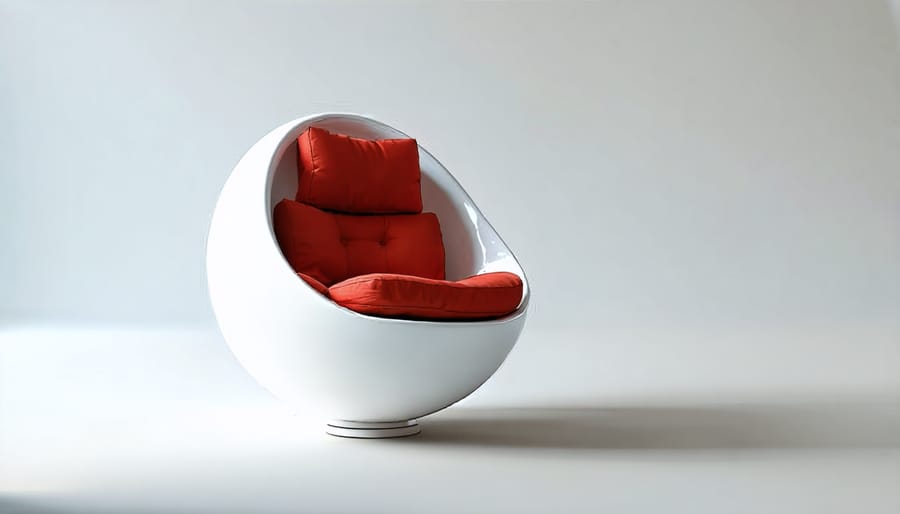
The 1960s revolutionized furniture design with seating that was as much about making a statement as providing comfort. The iconic egg chair, designed by Arne Jacobsen, embodied the era’s fascination with space-age aesthetics and curved forms. These cocoon-like seats, suspended from a metal base, created personal sanctuaries perfect for reading nooks or statement corners in modern living rooms.
Equally influential was Eero Saarinen’s tulip chair, with its distinctive single-pedestal base and organic, flowing lines. These chairs eliminated the “slum of legs” found in traditional furniture and brought a clean, sculptural quality to dining areas. Today, authentic vintage pieces command premium prices, but quality reproductions offer an affordable way to capture the same dramatic impact.
Other memorable seating options included the ball chair, butterfly chair, and the playful panton chair – the first single-piece molded plastic chair. These pieces often featured bold colors like orange, yellow, and white, with materials ranging from molded fiberglass to plastic and chrome.
For a modern take on these classics, consider mixing one statement piece with contemporary furniture. An egg chair in a neutral tone can anchor a reading corner without overwhelming the space, while a set of tulip chairs can bring retro charm to a modern dining setup. Look for updated versions with current materials and enhanced comfort features while maintaining those distinctive silhouettes that made them design icons.
Storage and Surfaces
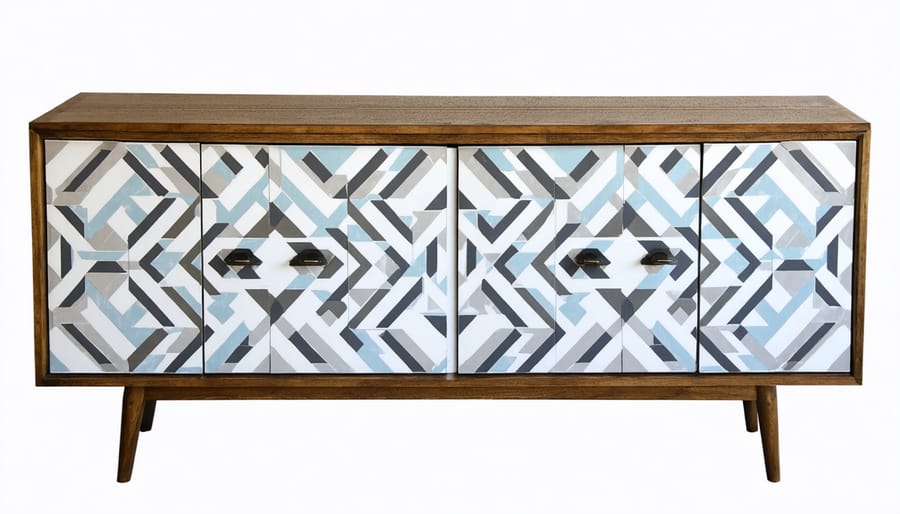
Storage solutions in the 1960s perfectly balanced form and function, with pieces that served as both practical storage and striking design statements. Sideboards were the crown jewels of 60s storage, featuring clean lines, tapered legs, and often incorporating teak or rosewood. These versatile pieces typically showcased sliding doors, multiple drawers, and sometimes even built-in bar sections for entertaining.
Coffee tables embraced geometric shapes, with circular and kidney-shaped designs taking center stage. Materials like glass, chrome, and wood were frequently combined to create eye-catching centerpieces. The iconic sunburst pattern appeared frequently on table tops, while others featured mosaic tile work or laminate surfaces in bold colors.
Wall units and modular storage systems gained popularity during this era, with adjustable shelving and cabinet combinations that could be customized to fit any space. These often incorporated both open shelving for displaying collections and closed storage for hiding everyday items.
For smaller storage needs, floating shelves and room dividers with built-in storage compartments were common solutions. Many featured asymmetrical designs and incorporated materials like plastic and fiberglass, which were revolutionary for the time.
To recreate this look today, focus on pieces with slim profiles and raised legs. Look for storage furniture that combines wood tones with white or colored panels, and don’t shy away from pieces that make a bold statement while serving a practical purpose.
Modernizing 60s Style
Mixing Old and New
Successfully blending vintage ’60s pieces with modern decor creates a unique and personalized space that honors the past while embracing contemporary comfort. The key is to incorporate timeless vintage elements thoughtfully rather than recreating a museum-like ’60s room.
Start with statement pieces like an authentic mid-century modern sideboard or iconic Eames chair, then complement them with current furnishings in complementary colors and materials. Mix geometric patterns from both eras, but maintain a consistent color palette to create visual harmony. For example, pair a vintage sunburst mirror with sleek, modern lighting fixtures, or place contemporary artwork above a ’60s-style sofa.
Consider updating vintage pieces with modern touches – reupholster that perfect ’60s armchair in a current fabric, or refinish wooden furniture in contemporary colors while maintaining its original lines. Technology integration should be subtle; hide modern devices in vintage-style cabinets or choose newer pieces that echo ’60s design principles.
Remember that negative space is crucial – avoid overcrowding rooms with too many statement pieces. Instead, let each vintage item breathe and serve as a focal point within your modern setting.
Modern Updates
Today’s homeowners are finding creative ways to blend vintage with contemporary style, updating iconic 60s elements to suit modern living. Instead of dark wood paneling, consider using lighter-toned wood accent walls or removable wallpaper with geometric patterns. Replace vintage shag carpets with low-pile area rugs featuring similar bold patterns and colors.
Smart technology integrates seamlessly with 60s aesthetics – try installing color-changing LED strips behind sunburst mirrors or incorporating wireless speakers into vintage console cabinets. Modern performance fabrics can replicate the look of classic textiles while offering superior durability and stain resistance.
Open-concept living spaces can still incorporate room dividers, using sleek versions of vintage screens or hanging plants to define areas without blocking light. Update conversation pits by creating cozy seating nooks with modular furniture that can be easily reconfigured for different occasions.
For kitchen spaces, maintain that vintage charm while adding functionality. Replace dated Formica with quartz countertops in similar patterns, and upgrade appliances to energy-efficient models in retro colors. Consider installing under-cabinet lighting to brighten work spaces while preserving the overall mid-century aesthetic.
DIY 60s-Inspired Projects
Furniture Makeovers
Transform your existing furniture into stunning 60s-inspired pieces with these creative makeover techniques. Start by selecting pieces with clean lines and simple silhouettes – these make perfect candidates for a retro refresh. Mid-century modern coffee tables, dressers, and chairs can be easily updated with a fresh coat of paint in characteristic 60s colors like harvest gold, avocado green, or burnt orange.
For wooden furniture, strip old finishes and apply teak oil to achieve that classic mid-century look. Consider adding tapered legs to square tables or dressers – these can be purchased from hardware stores and attached easily with mounting plates. Replace outdated hardware with sleek, brass-finished pulls and handles to capture the era’s signature style.
Transform plain upholstered pieces by reupholstering them in bold geometric patterns or psychedelic prints. Look for fabrics featuring distinctive 60s motifs like starbursts, boomerangs, or abstract flowers. For a more subtle approach, recover chair seats in solid-colored vinyl or velvet in period-appropriate shades.
Don’t forget about accent pieces! Turn ordinary side tables into statement pieces by decoupaging them with vintage magazine covers or adding colorful Formica tops. Give plain lamp bases new life with textured spray paint, and update lampshades with modern versions of classic patterns like paisley or bold stripes.
Remember to maintain balance – while 60s style was bold, mixing too many statement pieces can overwhelm a room. Choose one or two signature pieces to showcase your vintage makeovers while keeping other elements more subtle.
Accent Pieces
No 60s-inspired space is complete without the iconic accent pieces that defined the era. Start with a sunburst clock – the quintessential wall decoration that embodies mid-century modern style. These striking timepieces, with their radiating metallic rays, serve as both functional items and artistic focal points.
Consider incorporating lava lamps, which remain one of the most recognizable retro design elements from the period. Place them on side tables or shelving units to create that authentic psychedelic ambiance. Abstract sculptures in bold colors and geometric shapes can add visual interest to coffee tables or mantels.
Don’t forget about textiles – throw pillows featuring bold patterns like atomic starbursts or abstract shapes in orange, mustard yellow, or avocado green can instantly transport your space back to the 60s. Macramé wall hangings and plant holders bring texture and that handcrafted feel that was so popular during this era.
For lighting, opt for mushroom lamps or globe pendant lights in smoky glass or plastic. These pieces cast a warm, ambient glow while maintaining period authenticity. Finally, incorporate vintage-style advertisements or pop art prints – they’re perfect for adding color and personality while celebrating the era’s distinctive graphic design style.
The vibrant and bold aesthetic of 1960s interior design continues to captivate homeowners and designers alike, offering timeless appeal that can transform any modern space. From the iconic color combinations of orange and brown to the geometric patterns and organic shapes, 60s style elements provide endless possibilities for contemporary interpretation.
Whether you choose to go all-out with a complete mid-century modern makeover or simply incorporate select vintage pieces, the key is to maintain balance while expressing your personality. Start small with authentic accessories like lava lamps and sunburst mirrors, then gradually expand to larger statement pieces as you become more comfortable with the style.
Remember that successful 60s-inspired decor doesn’t mean creating a museum-like recreation. Instead, focus on blending retro elements with modern conveniences and current design trends. Don’t be afraid to experiment with bold wallpapers, funky light fixtures, or statement furniture pieces – the 60s were all about breaking conventions and expressing individuality.
By thoughtfully selecting and combining vintage and contemporary pieces, you can create a unique living space that honors the past while embracing the present. Let the creative spirit of the 1960s inspire your next home decorating adventure!