Why Your Furniture Should Outlive Your Mortgage (And How to Make It Happen)
Check furniture labels for certifications like FSC (Forest Stewardship Council) for wood products, GREENGUARD for low chemical emissions, and Global Organic Textile Standard for upholstery fabrics. These third-party verifications cut through marketing claims and identify pieces built to last while minimizing environmental harm.
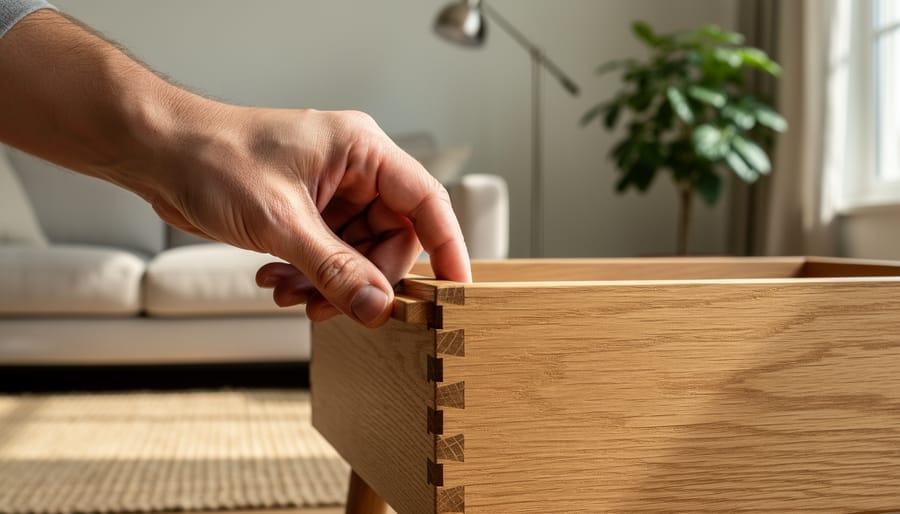
Prioritize solid wood, metal, and natural fiber construction over particle board and synthetic materials. Solid hardwoods like oak, maple, and walnut can last generations and improve with age, while particle board typically fails within 5-10 years. Run your hand along joints and corners—quality sustainable furniture features dovetail joints, mortise-and-tenon connections, and reinforced corners rather than staples or glue alone.
Extend your current furniture’s lifespan before buying new. Tighten loose screws quarterly, apply wood conditioner annually to prevent cracking, and reupholster worn cushions instead of replacing entire pieces. A $200 reupholstering project saves a $1,500 sofa from the landfill and often results in better quality than budget replacements.
Shop secondhand first through estate sales, antique stores, and online marketplaces. Vintage pieces from the 1950s-1970s often feature superior craftsmanship and materials compared to modern mass-produced alternatives. Strip and refinish dated wood pieces over a weekend, or simply clean and polish metal frames to create personalized sustainable furnishings at a fraction of retail cost.
Making sustainable choices doesn’t require sacrificing style or breaking your budget. The strategies ahead will show you exactly how to identify, maintain, repair, and source home furnishings that serve both your space and the planet for decades to come.
The Real Cost of Disposable Furniture
That trendy bookshelf you bought three years ago is probably looking pretty rough right now. Particle board sagging, finish peeling, joints wobbling—sound familiar? You’re not alone. The fast furniture industry has conditioned us to treat home furnishings like disposable items, and it’s costing us more than we realize.
Here’s the uncomfortable truth: Americans discard over 12 million tons of furniture annually, with most of it ending up in landfills. Unlike natural materials that decompose, that cheap particleboard dresser will sit in a landfill for decades, releasing harmful chemicals as synthetic glues and finishes break down. The environmental toll is staggering, but the financial impact on your wallet might surprise you even more.
Let’s do some quick math. That $200 sofa seems like a bargain until you replace it every three years. Over fifteen years, you’ll spend $1,000 on sofas alone. Meanwhile, your neighbor who invested $800 in a quality hardwood piece? Still sitting pretty on their original purchase, and that sofa could easily last another decade or more.
The disposable furniture cycle contradicts circular economy principles that emphasize longevity and reuse. Fast furniture companies bank on repeat purchases, designing pieces that look good in showrooms but lack the structural integrity for real-world use.
The hidden costs extend beyond your bank account. Each replacement means more manufacturing emissions, transportation fuel, and packaging waste. When you factor in the time spent shopping, assembling, and hauling away old pieces, cheap furniture becomes an expensive headache. Breaking this cycle starts with understanding that quality furniture isn’t just a purchase—it’s an investment in your home’s future and our planet’s health.

What Makes Furniture Built to Last
Quality Materials That Age Gracefully
Investing in quality materials is one of the smartest ways to ensure your furniture stands the test of time while minimizing environmental impact. When selecting eco-friendly furniture materials, focus on pieces that actually get better with age rather than falling apart.
Solid wood furniture develops a rich patina over time, deepening in character with each passing year. Look for hardwoods like oak, walnut, or maple that can be refinished multiple times throughout their lifespan. Metal frames crafted from steel or aluminum offer incredible durability and can be powder-coated to refresh their appearance decades later.
Natural fabrics like linen, wool, and cotton canvas soften beautifully with use while remaining easy to clean and repair. Unlike synthetic materials that pill and fade, these fibers maintain their integrity and can often be spot-treated or professionally cleaned to look nearly new again.
The beauty of these materials lies in their repairability. Scratched wood can be sanded and refinished, metal can be repainted, and natural fabrics can be reupholstered. This means your furniture investment continues paying dividends for generations rather than ending up in a landfill after a few years.
Construction Techniques That Matter
Quality construction techniques separate furniture that lasts decades from pieces destined for the landfill. Let’s look at what really matters when evaluating how your furniture is built.
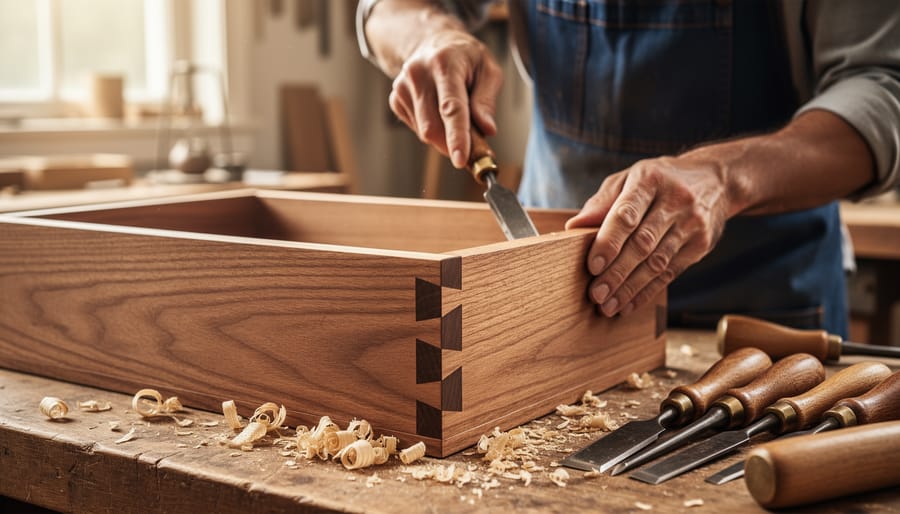
Traditional joinery methods like dovetail joints create mechanical locks between wood pieces, eliminating the need for excessive glue or metal fasteners. You’ll find these interlocking “tails” and “pins” in quality drawer construction. Mortise-and-tenon joints, where one piece fits snugly into another, have held furniture together for centuries because they distribute weight evenly and resist the wiggling that eventually loosens screws.
These techniques directly impact repairability. When a chair leg secured with dowels and glue starts wobbling, you can often re-glue and clamp it back to stability. Compare that to particle board furniture held together with cam locks and cheap fasteners, which typically can’t handle a second assembly.
Look for corner blocks or metal brackets reinforcing stress points like where chair legs meet seats. Furniture with exposed joinery often signals quality construction since manufacturers are proud to show their craftsmanship.
When shopping, gently test joints by applying light pressure. Quality pieces feel solid, while poorly constructed furniture flexes or creaks. Understanding these details helps you invest in pieces you can actually repair rather than replace, making your furniture choices truly sustainable.
Timeless Design Over Trendy Pieces
Choosing furniture with timeless design is one of the smartest sustainability moves you can make. Those trendy pieces that feel exciting today often look dated within a few years, leading to unnecessary waste and replacement costs. Instead, focus on classic silhouettes and neutral color palettes that work across multiple decades and design trends.
Think mid-century modern chairs, simple wood dining tables, or traditional sofas with clean lines. These styles have proven their staying power and adapt easily as you refresh your space with accessories and paint. When selecting furniture, ask yourself if you’ll still love the piece in ten years, not just ten months.
This approach also gives you flexibility to update your home’s look without replacing major furniture items. A classic sofa can shift from traditional to modern simply by swapping throw pillows and surrounding decor. You’re investing in pieces that grow with your changing tastes rather than against them, reducing both environmental impact and long-term spending.
DIY Furniture Repair Skills Every Homeowner Should Master
Fixing Wobbly Chairs and Tables
A wobbly chair or table doesn’t need to end up in a landfill. Most instability issues come from loose joints or dried-out glue, both of which you can fix at home with basic tools.
Start by flipping your furniture upside down to examine where the wobble originates. Gently wiggle each leg and joint to identify loose connections. For minor wobbles, you may only need to tighten existing screws or bolts with a screwdriver or wrench. Check corner braces and metal brackets while you’re at it.
If joints feel loose but aren’t falling apart, inject wood glue into the gaps using a syringe or squeeze bottle with a narrow tip. Work the joint slightly to help the glue penetrate, then clamp it firmly. Let it dry for at least 24 hours before using the piece again.
For completely separated joints, disassemble the connection entirely. Remove old glue with sandpaper or a chisel, then apply fresh wood glue to both surfaces. Reassemble and clamp tightly, wiping away excess glue with a damp cloth.
Reinforce weak spots with corner braces from your local hardware store. These L-shaped metal brackets add stability to chairs and tables without affecting their appearance from normal viewing angles. This simple repair extends your furniture’s life by years while keeping perfectly good pieces out of landfills.
Reupholstery Basics for Sofas and Chairs
Reupholstery doesn’t have to mean hiring expensive professionals. With basic tools and a weekend afternoon, you can breathe new life into tired furniture pieces.
Start with cushion replacement, the easiest entry point. Remove cushions and measure their dimensions carefully. Purchase high-density foam from local fabric stores or online suppliers. Cut foam to size using an electric knife or serrated bread knife. Wrap foam in batting for a softer finish, then slip existing covers back on or upgrade to new ones.
For simple fabric refreshing, focus on removable pieces first. Seat covers, back cushions, and arm protectors can be recovered without touching the furniture frame. Measure each section, adding two inches on all sides for seam allowances. Choose durable, sustainable fabric choices like organic cotton or recycled polyester blends.
A staple gun becomes your best friend for chair seats. Remove the old fabric, preserve it as a pattern, and cut new fabric accordingly. Stretch fabric taut across the seat, stapling from center to corners on each side. Fold corners neatly and secure firmly.
For chairs with exposed wood frames, this DIY approach works beautifully. Full sofas require more advanced techniques, but starting small builds confidence and skills for bigger projects ahead.
Refinishing and Touch-Up Techniques
Bringing worn furniture back to life is easier than you might think, and it’s one of the most sustainable choices you can make. Let’s walk through some straightforward techniques for common surface issues.
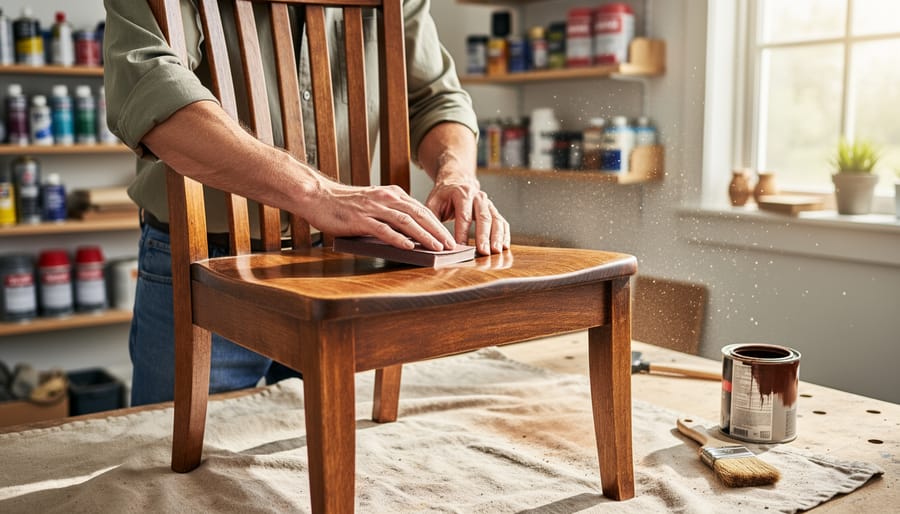
For scratched wood surfaces, start with the simplest solution: a walnut. Yes, really! Rub the meat of a walnut directly into minor scratches—the natural oils help mask imperfections beautifully. For deeper scratches, furniture markers or stain pens matched to your wood’s color work wonders. Apply in thin layers, let dry, then buff with a soft cloth.
Faded wood finishes respond well to wood conditioning oils. Clean the surface thoroughly with mild soap and water first, then apply a quality wood conditioner or a mixture of equal parts olive oil and white vinegar. Work in small sections with a soft cloth, following the grain. Let it sit for 20 minutes, then buff away excess.
Metal furniture with surface rust needs attention before it spreads. Use fine steel wool or sandpaper to remove rust spots, wipe clean with a damp cloth, then apply a rust-inhibiting primer followed by metal paint. For brass or copper, a paste made from equal parts flour, salt, and vinegar removes tarnish effectively.
Always test any refinishing technique on an inconspicuous area first. With these accessible methods, you’ll extend your furniture’s life while keeping perfectly good pieces out of landfills.
When to Repair vs. When to Replace
Making smart decisions about repairing versus replacing furniture isn’t just about saving money—it’s about maximizing sustainability. Here’s a practical framework to guide your choices.
Start with the structural integrity test. If the frame is solid wood or quality metal and the damage is superficial—think wobbly legs, loose joints, or torn upholstery—repair is almost always the better option. These fixes often cost 20-40% of replacement while extending the furniture’s life by decades. However, if the frame itself is cracked, warped beyond correction, or made from damaged particle board, replacement makes more sense since repairs won’t hold long-term.
Next, consider safety factors. Furniture with compromised structural elements that could collapse, especially items like beds, cribs, or chairs for elderly family members, should be replaced immediately. Similarly, pieces with recalled components or outdated safety standards aren’t worth the risk, no matter how much you love them.
Run a quick cost-benefit analysis. Calculate repair costs including materials and any professional help you’ll need. If repairs exceed 60% of buying a quality replacement, and the piece isn’t an heirloom or particularly well-made, replacement might be more practical. Don’t forget to factor in your time—a DIY reupholstery project that takes three weekends has value beyond just material costs.
Finally, evaluate the original quality. High-quality pieces with dovetail joints, solid wood construction, and timeless design deserve repair investment. Fast furniture made from engineered materials typically isn’t worth extensive repairs—these pieces were designed for shorter lifespans. When you do replace, choose durable, repairable options that won’t put you in this position again anytime soon.
Smart Shopping for Long-Lasting Furniture
Questions to Ask Before You Buy
Before making your next furniture purchase, arm yourself with these essential questions that separate truly sustainable pieces from greenwashed marketing. Start by asking what materials were used and where they came from. Look for FSC-certified wood, reclaimed materials, or rapidly renewable resources like bamboo. Next, inquire about the warranty period—quality manufacturers typically offer 5-10 years or more because they stand behind their craftsmanship.
Don’t skip questions about repair options. Can you order replacement parts? Does the company provide repair guides or videos? Furniture designed for longevity should be repairable, not disposable. Ask if cushions can be restuffed, if fabric can be replaced, and whether joints are screwed together rather than glued.
Finally, dig into company values. Do they use low-VOC finishes? What happens to manufacturing waste? Are workers paid fairly? A company’s transparency about their practices often reveals more than their marketing materials. If they’re proud of their sustainability efforts, they’ll happily share details. If answers are vague or evasive, that’s your cue to keep shopping. Remember, sustainable furniture is an investment in both your home and the planet.
Brands and Retailers Committed to Longevity
The furniture industry is slowly shifting toward more sustainable business practices, and several innovative models are emerging that prioritize longevity over disposability. Look for companies offering buyback programs, where manufacturers take responsibility for their products even after you’re done with them. These programs ensure furniture gets refurbished, recycled, or properly disposed of rather than ending up in landfills.
Lifetime warranties signal a manufacturer’s confidence in their product’s durability. When a company backs their furniture for decades, they’re incentivized to use quality materials and construction methods from the start. This approach benefits both your wallet and the environment.
Modular design represents another forward-thinking solution. These pieces allow you to replace individual components rather than discarding entire furniture items when one part wears out. Disassembly-friendly furniture makes repairs straightforward and extends product life significantly.
When shopping, ask retailers about their repair services, replacement parts availability, and take-back options. Companies committed to sustainability will happily share these details. Supporting businesses with these practices sends a clear market signal that consumers value longevity and responsible manufacturing.
Creating a Furniture Maintenance Routine
Just like your car needs regular oil changes, your furniture thrives on consistent care. Creating a simple maintenance routine can add years to your pieces while keeping them looking their best.
Start with seasonal deep cleans. Every three months, vacuum upholstered furniture thoroughly, getting into crevices where dust accumulates. For wood furniture, use a slightly damp microfiber cloth followed by a dry one—excess moisture is wood’s enemy. Spring and fall are perfect times to inspect joints, tighten loose screws, and check for early signs of wear.
Monthly quick maintenance makes a big difference. Rotate cushions to ensure even wear patterns. Wipe down surfaces with appropriate cleaners—mild soap and water work for most materials. Check furniture legs for stability and add felt pads if they’ve worn away to prevent floor scratches.
Protect your investment with preventive measures. Use coasters religiously on wood surfaces, place furniture away from direct sunlight to prevent fading, and maintain consistent humidity levels between 40-45% to prevent wood from warping or cracking. Consider slipcovers for high-traffic pieces or furniture in homes with pets and kids.
Keep a simple maintenance log on your phone noting when you completed tasks and any issues spotted. This helps you catch problems early when they’re easiest to fix. Set recurring calendar reminders for seasonal tasks so nothing gets forgotten.
A DIY furniture care kit should include microfiber cloths, appropriate wood polish, upholstery cleaner, a screwdriver set, wood glue, and touch-up markers matching your furniture finishes. Having supplies ready makes maintenance quick and painless.
Making the shift to sustainable home furnishings isn’t really about buying all-new eco-friendly pieces. It’s about changing how you think about the furniture you already own and what you’ll choose in the future. Instead of viewing worn pieces as disposable, you’re learning to see them as opportunities for repair, refresh, and continued use.
The beauty of this approach is that you don’t need to overhaul your entire home tomorrow. Start with one piece that matters to you. Maybe it’s that wobbly dining chair you’ve been meaning to fix, or the coffee table with water rings that could use some attention. Work through the repair process, learn the skills, and experience the satisfaction of giving something a second life. That hands-on experience builds confidence for your next project.
As you develop these skills, you’ll naturally start making different purchasing decisions too. You’ll look for quality construction, repairable joints, and timeless designs that won’t feel dated in five years. You’ll know what questions to ask and what details to examine before bringing new furniture home.
The environmental benefits are real and significant. Every piece you repair instead of replace keeps materials out of landfills and reduces demand for new manufacturing. But there’s also something deeply satisfying about maintaining things yourself, about knowing your furniture inside and out, and about creating a home filled with pieces that tell a story. That combination of environmental responsibility and personal accomplishment is what makes sustainable furnishing practices worth embracing.