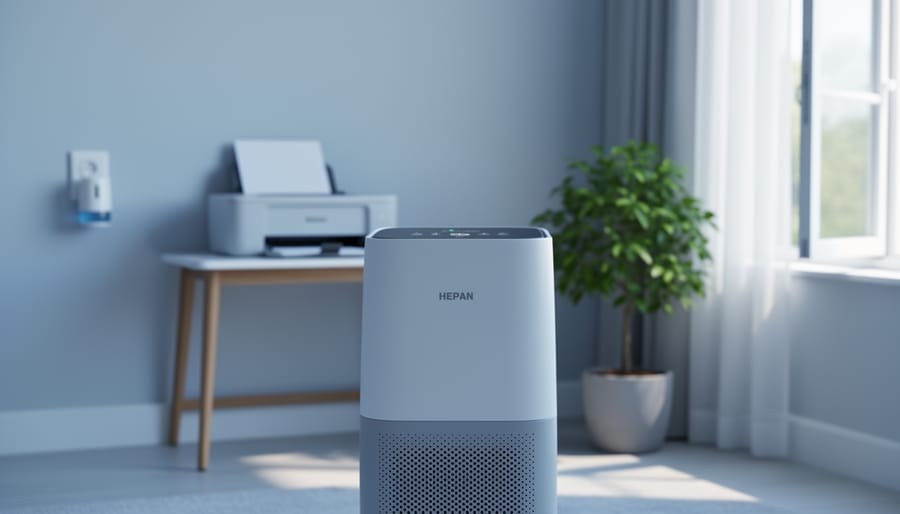
Why Ozone Could Be Making Your Allergies Worse at Home
Your seemingly clean home might be silently triggering your allergy symptoms. Many common household products and appliances release ozone—a colorless gas that irritates airways and worsens respiratory issues. Air purifiers marketed as “ionizers” or “ozone generators,” certain laser printers, and even some air fresheners continuously emit this pollutant into your living spaces. Understanding these hidden sources is the first step toward creating a truly allergen-friendly environment.
Check your air purifiers and eliminate any devices labeled as ionic, electrostatic precipitators, or ozone generators, which can increase indoor ozone levels by 300%. Replace them with HEPA-filtration systems that mechanically trap particles without chemical reactions. Relocate office equipment like copiers and laser printers to well-ventilated areas away from primary living spaces, as these devices produce significant ozone during operation. Swap plug-in air fresheners and scented candles for natural alternatives like essential oil diffusers or indoor plants, which improve air quality without chemical emissions.
Creating a wellness-focused home design means identifying and removing ozone sources room by room, then implementing design strategies that naturally improve indoor air quality while reducing allergy triggers for lasting relief.
What Is Indoor Ozone and Where Does It Come From?
Common Household Ozone Generators
You might be surprised to learn that several common household devices quietly produce ozone right under your nose. Let’s identify the usual suspects so you can make informed decisions about what stays in your home.
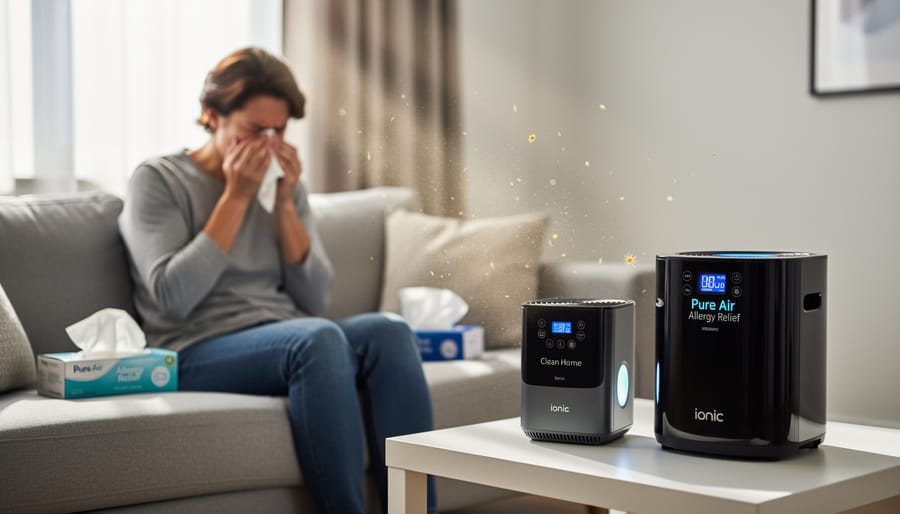
Air purifiers with ionizers are perhaps the sneakiest ozone generators. Many popular models marketed for allergy relief actually emit ozone as a byproduct of their ionization process. While manufacturers may claim these levels are “safe,” even small amounts can irritate sensitive airways and worsen allergy symptoms. Before purchasing an air purifier, check whether it has received certification from organizations that test for ozone emissions.
Ozone generators marketed as air cleaners or odor eliminators are particularly problematic. Despite bold claims about eliminating allergens and purifying air, these devices intentionally produce high ozone levels that can trigger respiratory distress. They’re sometimes promoted for removing smoke or pet odors, but the health risks far outweigh any cleaning benefits.
Office equipment brings ozone into your home workspace too. Laser printers and photocopiers generate small amounts of ozone during normal operation. If you have a home office, ensure these devices are well-ventilated and positioned away from areas where you spend extended time.
Other electronics like older electric motors, UV sanitizing lamps, and certain humidifiers can also produce trace amounts of ozone. The key is maintaining good ventilation and choosing newer, certified equipment whenever possible. When shopping for any electronic device, look for labels indicating low or zero ozone emissions to protect your indoor air quality.
How Ozone Enters Your Home from Outside
Outdoor ozone doesn’t stay outside—it finds its way into your home more easily than you might think. On high-pollution days, particularly during hot, sunny weather when ground-level ozone peaks, simply opening windows for fresh air can invite ozone indoors. Your home’s ventilation system, including HVAC units and exhaust fans, can also draw outdoor air inside, bringing ozone along with it. Even small gaps around doors and windows allow ozone molecules to infiltrate. Urban and suburban homes face higher risks due to vehicle emissions and industrial sources nearby. The problem intensifies during afternoon hours when ozone levels reach their daily maximum. If you live near busy roads or in areas with air quality alerts, your indoor ozone exposure may be significantly higher than you realize, potentially triggering allergy symptoms without an obvious indoor source.
The Science Behind Ozone and Allergy Symptoms
Why Ozone Is Particularly Dangerous for Allergy Sufferers
If you already struggle with seasonal allergies, ozone exposure can make your symptoms significantly worse. Here’s why: ozone doesn’t just cause problems on its own—it actually makes your airways more sensitive to the allergens you’re already fighting against.
When ozone irritates and inflames your respiratory system, it essentially weakens your body’s natural defenses. This means common triggers like pollen, dust mites, and pet dander can provoke stronger reactions than they normally would. Think of it as your immune system being stuck in overdrive—already dealing with ozone damage while simultaneously trying to fend off allergens.
Research shows that people exposed to elevated ozone levels experience increased sensitivity to pollen by up to 40%. This compound effect explains why your allergies might feel unbearable on certain days, even when pollen counts aren’t particularly high. The combination creates a perfect storm inside your home.
This is especially concerning because many common household items—like certain air purifiers, laser printers, and even that “clean smell” from some cleaning products—can release ozone without you realizing it. For allergy sufferers, identifying and eliminating these hidden ozone sources becomes crucial for managing symptoms effectively. Your indoor environment should be your sanctuary, not a space that amplifies your allergic reactions.
Identifying Ozone Problems in Your Home
Physical Symptoms to Watch For
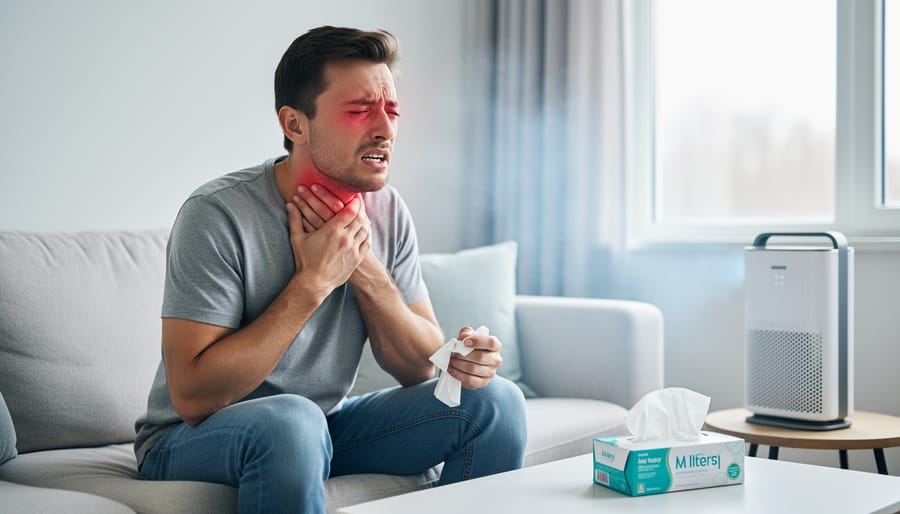
Your body often sends clear signals when ozone levels are affecting your health indoors. Watch for persistent throat irritation or a scratchy feeling that doesn’t seem tied to a cold. Many people experience chest tightness or discomfort when breathing, especially during activities that wouldn’t normally cause problems. Coughing fits, particularly dry coughs, are common red flags.
If you already have allergies, you might notice your usual symptoms becoming more intense or lasting longer than expected. Wheezing and shortness of breath can occur even in people without asthma. Headaches, eye irritation, and nasal congestion that worsen when you’re home but improve when you leave are particularly telling signs. Some people also report feeling unusually fatigued or experiencing difficulty taking deep breaths. Pay attention to patterns—if symptoms consistently appear in specific rooms or after using certain appliances, ozone exposure could be the culprit affecting your indoor air quality.
Testing Your Indoor Air Quality
Testing your indoor air quality doesn’t require expensive professional equipment anymore. Affordable air quality monitors now range from $50 to $200 and can detect ozone levels alongside other pollutants like particulate matter and VOCs. Look for monitors with real-time readings and smartphone connectivity for easy tracking.
To use these devices effectively, place them at breathing height in rooms where you spend the most time, like bedrooms and living areas. Test during different times of day, especially when using appliances or air purifiers that might generate ozone. Run monitors for at least 24 hours to get accurate baseline readings. Many devices offer color-coded alerts, making it simple to identify problem areas without interpreting complex data. If levels consistently exceed 0.070 ppm (the EPA’s health standard), investigate nearby ozone sources like certain air purifiers, ionizers, or copiers and consider replacing them with ozone-free alternatives.
Allergy-Safe Interior Design: Eliminating Ozone Sources
Choosing the Right Air Purifiers
Not all air purifiers are created equal, and if you’re trying to reduce allergy symptoms, choosing the wrong type could actually make things worse. Let’s break down what to avoid and what actually works.
Skip the ozone generators and ionizers entirely. Despite marketing claims, these devices intentionally produce ozone or release ions that create ozone as a byproduct. Some ionizers might advertise themselves as “filterless” or “electrostatic” air cleaners. Remember, ozone irritates your respiratory system rather than helping it.
Your best bet? Look for air purifiers with true HEPA filters. These remove 99.97% of airborne particles, including pollen, dust mites, pet dander, and mold spores that trigger allergic reactions. HEPA stands for High-Efficiency Particulate Air, and it’s the gold standard for allergen removal.
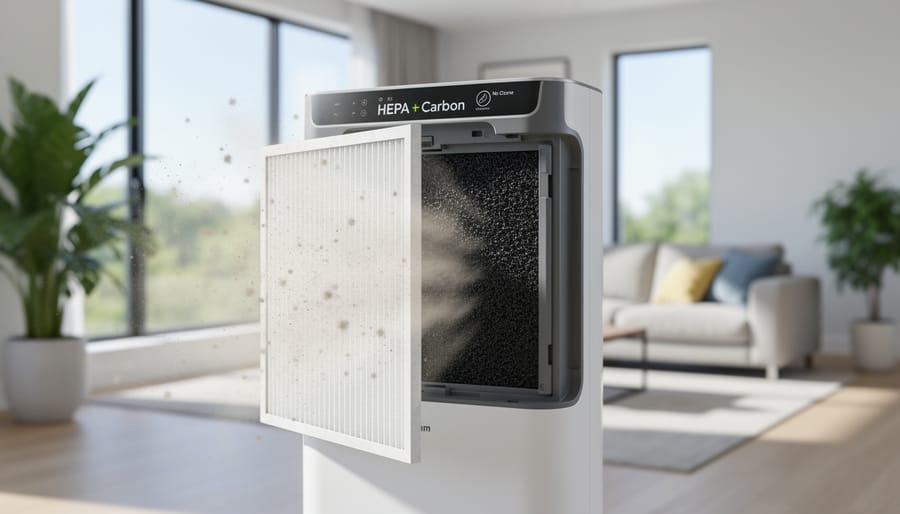
For even better results, choose models that combine HEPA filtration with activated carbon filters. The carbon layer tackles odors, volatile organic compounds, and chemical irritants that HEPA alone might miss.
When shopping, check for these specific features:
The AHAM Verifide seal ensures the unit has been independently tested for performance. Look for a Clean Air Delivery Rate (CADR) appropriate for your room size. Higher numbers mean faster, more effective cleaning.
Choose models with multiple fan speeds so you can adjust operation based on your needs. Energy Star certification keeps your electricity bills manageable if you’re running the purifier continuously.
Avoid anything mentioning “plasma,” “UV-C with ionization,” or “ozone-safe levels” in the marketing materials. These are red flags that the device produces unwanted ozone.
Smart Placement of Electronics and Office Equipment
Office equipment like printers, copiers, and laser machines can be surprising ozone generators in your home. These devices emit ozone during normal operation, adding to your indoor air pollution and potentially triggering allergy symptoms. Position these electronics in dedicated spaces with excellent ventilation—ideally near windows or in rooms with exhaust fans. Keep them far away from bedrooms and main living areas where you spend most of your time. If you work from home, setting up your printer in a separate room or garage reduces your exposure significantly compared to having it on your desk. Consider adding home office health risks to your workspace assessment checklist. For unavoidable close placement, run equipment only when necessary and open windows immediately after use to flush out any accumulated ozone.
Alternative Cleaning Methods
Instead of relying on ozone-generating devices that may worsen allergies, consider these safer cleaning alternatives. High-efficiency particulate air (HEPA) vacuum cleaners trap 99.97% of airborne particles without producing harmful byproducts. For air purification, choose mechanical HEPA air purifiers that filter allergens rather than chemical-based units. Regular damp dusting with microfiber cloths captures allergens effectively without dispersing them into the air. Steam cleaning offers a natural disinfecting method using only water heated to high temperatures, perfect for floors, upholstery, and bathrooms. Baking soda and vinegar make excellent DIY cleaning solutions that tackle odors and grime without chemical residue. Opening windows for natural ventilation remains one of the most effective ways to improve indoor air quality. These mechanical and natural methods provide thorough cleaning while protecting your respiratory health and maintaining an allergy-friendly home environment.
Ventilation Strategies for Ozone Reduction
When to Open Windows (and When to Keep Them Closed)
Check your local air quality index before opening windows—most weather apps and websites provide real-time ozone levels. Ground-level ozone peaks during hot, sunny afternoons, typically between noon and early evening. Your best bet for fresh air? Open windows early morning or late evening when ozone concentrations drop naturally.
On high ozone days (usually hot, stagnant summer weather), keep windows closed and rely on your HVAC system with proper filtration instead. If you’re in a high-traffic area, mornings before rush hour offer cleaner air than midday. Consider installing a simple indoor air quality monitor to track both outdoor and indoor conditions—these devices connect to your smartphone and send alerts when it’s safe to ventilate naturally.
After rainstorms, air quality improves significantly, making it an ideal time to air out your home. During allergy season, balance your need for ventilation with pollen counts by choosing shorter ventilation periods during optimal windows.
Mechanical Ventilation Systems
Energy Recovery Ventilators (ERV) and Heat Recovery Ventilators (HRV) offer a smart solution for maintaining fresh air while protecting against outdoor ozone and allergens. These mechanical ventilation systems continuously exchange stale indoor air with filtered outdoor air, without losing your heating or cooling energy in the process.
The key difference? ERVs transfer both heat and moisture, making them ideal for humid climates, while HRVs focus solely on heat transfer, working best in drier regions. Both systems include filters that capture incoming pollutants before they enter your home, significantly reducing ozone infiltration compared to simply opening windows.
Installation typically requires professional help, but many homeowners find the investment worthwhile for year-round air quality control. These systems work independently of your HVAC, providing constant ventilation even when heating or cooling isn’t needed. For DIY enthusiasts, focus on regular filter replacements every three to six months to maintain optimal performance. Modern units often integrate with smart home systems, letting you monitor and adjust ventilation rates based on outdoor air quality readings.
Room-by-Room Ozone Safety Checklist
Bedrooms and Living Areas
Bedrooms and living rooms deserve special attention since you spend most of your indoor time in these spaces. Start by removing or replacing electronic air purifiers that generate ozone, especially those marketed as ionizers or air fresheners near your bed or couch. If you notice a sharp, chlorine-like smell from any device, unplug it immediately.
Choose upholstery and curtains made from natural, untreated fabrics that won’t off-gas ozone-creating chemicals. When selecting carpet or area rugs, ask retailers about low-VOC options and avoid products with strong chemical odors. Open windows regularly to dilute any indoor pollutants, particularly after cleaning or bringing in new furniture.
Keep electronics like televisions, computers, and printers at least six feet from where you sleep or relax for extended periods. These devices can produce small amounts of ozone during operation. Consider adding air-purifying houseplants like spider plants or peace lilies, which naturally filter air without generating harmful byproducts.
Home Offices
Your home office can be a surprising source of ozone, especially with the electronics we rely on daily. Laser printers are the biggest culprits, releasing ozone during operation. If you notice allergy symptoms flaring up during work hours, consider switching to inkjet printers or moving your laser printer to a well-ventilated area away from your desk.
Position your computer equipment strategically. Keep monitors, printers, and charging stations at least three feet from where you sit, and ensure adequate airflow around electronic devices. Open windows regularly or use an air purifier without ozone-generating features.
Choose ergonomic office furniture made from low-emission materials, and avoid placing ionizing air cleaners in your workspace. Consider adding plants like spider plants or pothos, which naturally filter air without producing ozone. Regular cleaning reduces dust buildup on electronics, helping devices run cooler and minimizing ozone production.
Kitchens and Laundry Rooms
Your kitchen and laundry room can harbor surprising ozone sources that worsen allergy symptoms. Many dishwashers with built-in ionizers or UV sanitizing features release ozone during cycles. If you notice your allergies flaring after running the dishwasher, check your appliance’s settings and disable ionization features if available.
Ozone-generating air purifiers marketed for eliminating cooking odors should be avoided entirely. Instead, opt for HEPA filtration systems or improve ventilation with a quality range hood that vents outdoors.
In the laundry room, skip laundry additives that claim to “sanitize” or “purify” using oxidation technology, as these often produce ozone. Stick with fragrance-free, hypoallergenic detergents. Some washing machines with steam or sanitizing cycles may also generate small amounts of ozone, so review your manual and use standard wash settings when possible. Regular cleaning with simple, non-toxic solutions like vinegar and baking soda keeps these spaces fresh without introducing ozone-producing chemicals into your home.
Creating an ozone-safe, allergy-friendly home doesn’t have to be overwhelming or expensive. Start by taking stock of what you already have. Walk through each room and identify potential ozone-generating appliances and products. Make a list of the biggest offenders, like outdated air purifiers or harsh cleaning supplies, and tackle those first.
Remember, you don’t need to overhaul everything overnight. Swap out just one product at a time as you run out of supplies. Replace that ionizing air purifier with a HEPA-filtered model. Switch to fragrance-free cleaning solutions. Open your windows more often to let fresh air circulate. These incremental changes add up faster than you might think.
The good news? Small adjustments really do make a measurable difference in your indoor air quality and allergy symptoms. Many homeowners notice improvement within just a few weeks of reducing ozone sources. Your lungs will thank you, your allergy symptoms may ease, and you’ll breathe easier knowing your home is working for your health, not against it. Take that first step today, and you’re already on the path to a healthier indoor environment.