Your Home Just Got Smarter: Automation Ideas That Actually Improve Your Interior Design
Start with voice-activated lighting that adapts to your daily routines—program morning scenes that gradually brighten your bedroom while brewing coffee, or create evening modes that dim overhead fixtures and activate accent lighting for movie nights. Install smart thermostats that learn your temperature preferences and adjust automatically, cutting energy costs by up to 23% while maintaining perfect comfort in every room. Integrate motorized window treatments that respond to sunlight intensity, protecting your furniture from UV damage while eliminating cord clutter that disrupts clean design lines.
The beauty of modern home automation lies in its invisibility. Today’s smart devices blend seamlessly into your interior design, with minimalist touch panels replacing bulky switch plates, wireless sensors tucking discreetly behind trim work, and voice assistants embedded in décor pieces you’d display anyway. Whether you’re renovating a single room or upgrading your entire home, automation technology now prioritizes aesthetics alongside functionality—meaning you don’t have to sacrifice your design vision for convenience.
The key is strategic implementation. Focus on automating the elements that genuinely improve your daily life: security systems that alert you to visitors before they knock, multi-room audio that follows you through the house, or automated door locks that eliminate fumbling for keys with grocery bags in hand.
Why Smart Home Automation Belongs in Your Design Plans
Smart home automation isn’t about filling your space with gadgets—it’s about solving real design challenges while creating a home that works effortlessly for you. When thoughtfully integrated, technology becomes invisible, leaving only the benefits behind.
Consider the clutter problem. Traditional switches, remote controls, and visible wiring can disrupt even the most carefully planned design. Automation eliminates this visual noise by consolidating control into sleek wall panels, voice commands, or smartphone apps. Imagine replacing six light switches with one elegant touch panel, or ditching the pile of remotes on your coffee table entirely.
Lighting control becomes a design superpower with automation. Instead of compromising your room layout to accommodate fixed switches, you can adjust ambiance from anywhere. Create the perfect mood lighting for dinner parties, program natural wake-up routines in bedrooms, or ensure your artwork is always beautifully illuminated—all without adding visible hardware.
Space optimization takes on new meaning when walls aren’t dictated by switch placement. Motorized window treatments rise and fall without cords cluttering your window frames. Hidden speakers deliver premium sound without bulky equipment dominating your shelves. Climate control happens behind the scenes, maintaining comfort without unsightly thermostats disrupting your design flow.
The concern about visible technology is valid, but today’s smart home devices are designed with aesthetics in mind. Minimalist sensors blend into ceilings, wireless systems eliminate exposed wiring, and many components install behind walls or inside furniture. You’re not choosing between beautiful design and modern convenience—you can have both. The key is planning automation during your design phase, not treating it as an afterthought.
Smart Lighting: The Foundation of Mood and Ambiance
Architectural Lighting with Smart Controls
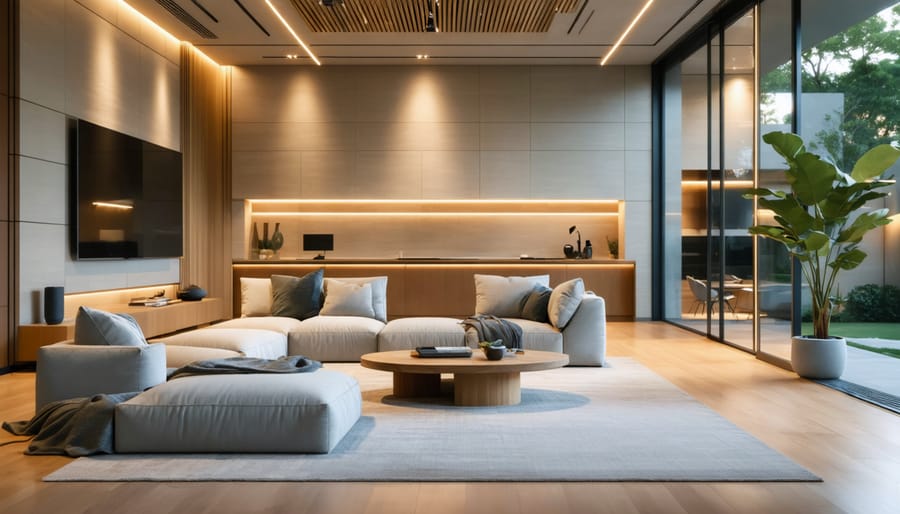
Architectural lighting transforms your home’s ambiance while staying nearly invisible during the day. Integrated lighting systems offer the perfect blend of form and function, creating layers of illumination that adapt to your daily routines.
Recessed lighting with smart dimmers lets you adjust brightness throughout the day—bright for morning routines, dim for evening relaxation. Install LED-compatible fixtures to avoid compatibility issues and ensure longevity. Cove lighting along ceiling edges creates a soft, indirect glow that makes rooms feel larger and more sophisticated. Pair these with smart controllers to automate transitions from daytime brightness to warm evening tones.
Under-cabinet lighting in kitchens provides task illumination that turns on automatically when you enter. Choose low-profile LED strips that mount with adhesive backing—no electrician required for battery-powered options. For hardwired installations, match your switch height to existing outlets for a cohesive look.
**Pro tip:** Group architectural lights by room zones in your smart home app, allowing you to control entire lighting scenes with a single voice command or schedule.
Statement Fixtures That Think for Themselves
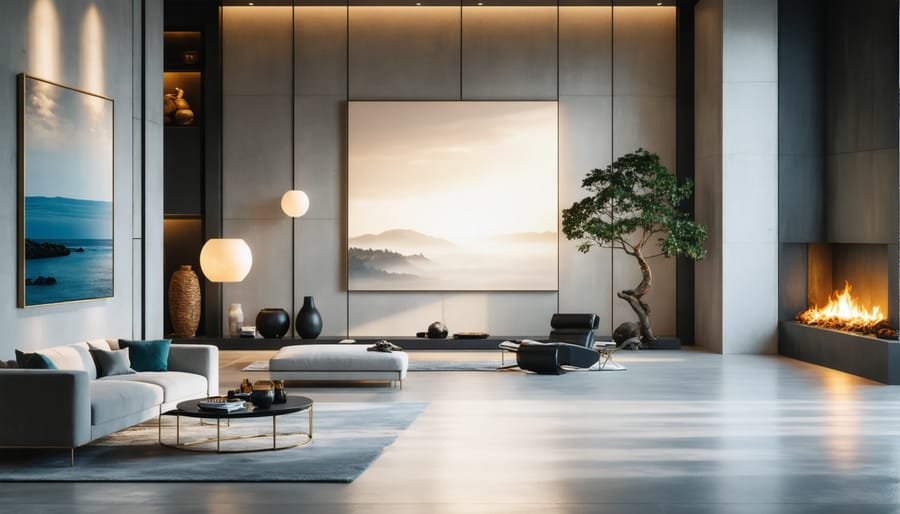
Statement lighting has evolved far beyond simple on-off switches. Today’s smart chandeliers and pendant lights bring together stunning design and intelligent functionality, becoming the jewelry of your automated home.
When selecting smart decorative fixtures, start with your existing style. Modern minimalists might love sleek chandeliers with hidden LED strips that adjust color temperature throughout the day. Traditional homes can embrace classic crystal chandeliers retrofitted with smart bulbs—the technology disappears while the elegance remains front and center.
**Technology Integration Tips:**
Look for fixtures with built-in smart capabilities rather than adding adapters later. Many high-end manufacturers now offer chandeliers and pendants with integrated controls that work seamlessly with voice assistants and smartphone apps. This approach keeps wiring clean and eliminates unsightly add-on hubs.
Consider these automation features when shopping:
– **Dimming capabilities** that create ambiance for different occasions
– **Color temperature adjustment** from warm evening tones to cool daytime brightness
– **Scheduling** that mimics natural light patterns
– **Scene creation** to instantly transform your space for entertaining or relaxing
The beauty of smart statement fixtures is their dual purpose—they’re conversation starters that happen to be incredibly practical. A gorgeous chandelier over your dining table doesn’t just illuminate meals; it can gradually brighten for morning coffee, dim for romantic dinners, or shift to party mode when guests arrive—all without you touching a switch.
Invisible Tech: Hiding Your Smart Home Components
The Art of Cable Management
Nothing spoils a sleek smart home aesthetic faster than tangled wires snaking across your walls. The good news? A few simple tricks can make those cables virtually disappear.
**Living Rooms:** Use cable raceways that match your wall color—they’re paintable and adhesive-backed for easy installation. Route TV and speaker wires behind entertainment centers, securing them with cable clips every 12 inches. For floor lamps with smart plugs, run cords along baseboards using flat adhesive cable channels.
**Bedrooms:** Drill a small hole behind nightstands to feed charging cables through to hidden power strips. Use velcro cable ties to bundle excess wire length—it’s reusable and adjustable as your setup changes.
**Home Offices:** Install a cable management tray underneath your desk to corral power strips and excess cables. Binder clips attached to desk edges create simple wire guides for frequently used charging cables.
**Pro tip:** Before mounting any smart device, test its placement for both Wi-Fi signal strength and wire routing options. Label both ends of each cable during installation—your future self will thank you during troubleshooting.
Smart Furniture and Built-In Solutions
Smart furniture is revolutionizing how we integrate technology into our homes without sacrificing style. Modern furniture with built-in tech seamlessly blends form and function, offering solutions that keep your space looking clean and organized.
Consider nightstands and coffee tables with integrated wireless charging pads—simply set your phone down and it powers up automatically. Side tables with built-in USB ports and outlets eliminate the need for visible power strips, while entertainment centers featuring cable management systems keep cords completely hidden from view.
Custom millwork takes this concept further with motorized panels that conceal TVs when not in use, pull-out charging stations built into kitchen islands, and shallow wall niches designed specifically for smart home hubs and routers. These built-in solutions maintain your design aesthetic while ensuring all your devices stay powered and accessible.
For a DIY approach, add stick-on wireless charging pads beneath existing furniture surfaces or install outlet-equipped furniture legs that replace standard ones—both options add functionality without requiring major renovations.
Motorized Window Treatments That Complement Every Style
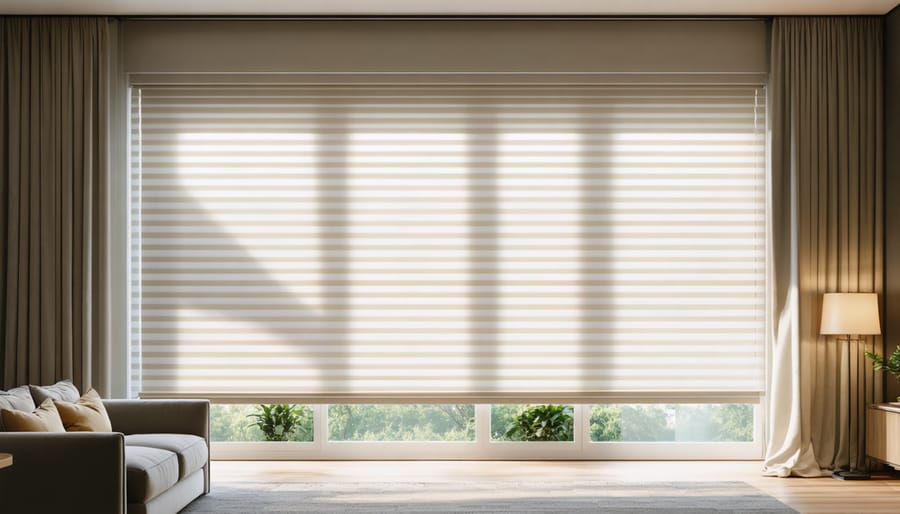
Motorized window treatments have evolved far beyond basic functionality—today’s smart blinds, shades, and curtains seamlessly blend with any interior style while offering impressive control options. Whether your home leans minimalist modern or embraces traditional elegance, there’s a motorized solution that enhances rather than distracts from your design vision.
For contemporary spaces, sleek roller shades with hidden motors create clean lines that complement minimalist aesthetics. Choose from blackout fabrics for bedrooms or light-filtering materials for living areas. Traditional homes benefit from motorized drapery systems that operate existing curtains—the hardware tucks discreetly behind valances or within track systems, maintaining that classic look while adding modern convenience.
Control options range from simple remote operation to full smart home integration. Most systems connect with Alexa, Google Assistant, or Apple HomeKit, letting you adjust window coverings by voice or smartphone app. Schedule your shades to open with sunrise or close automatically when temperatures rise, reducing energy costs while protecting furniture from UV damage.
Installation varies by product type. Battery-powered systems offer the easiest DIY approach—no electrical work required, just mount the brackets and pair with your hub. Hardwired options provide unlimited power but typically need professional installation unless you’re comfortable with basic electrical work.
**DIY Installation Tip:** Measure your windows three times before ordering. For inside mounts, account for obstructions like window cranks. Outside mounts should extend 3-4 inches beyond the frame for maximum light blocking.
Fabric choices matter beyond aesthetics. Solar shades reduce glare on screens while maintaining views, cellular shades provide excellent insulation, and woven wood adds natural texture. Many manufacturers offer sample swatches so you can test fabrics against your existing décor before committing to full installation.
Voice Control Without the Eyesore
Voice assistants have revolutionized how we control our homes, but let’s be honest—most smart speakers aren’t winning any design awards. The good news? You don’t have to compromise your carefully curated aesthetic to enjoy hands-free control.
Start by considering built-in solutions that disappear into your space. In-ceiling speakers with integrated voice assistants offer exceptional sound quality while remaining completely invisible. These work beautifully in kitchens, bathrooms, and living areas where you want seamless control without visible devices cluttering countertops.
For visible options, choose speakers that complement your design style. Several manufacturers now offer fabric-covered models in neutral tones that blend with furniture, or sleek metallic finishes that double as modern decor pieces. Place them on shelves among books and decorative objects, or tuck them behind plants where they’re accessible but not prominent.
**Whole-Home Audio Integration**
Create a cohesive audio experience by connecting multiple speakers throughout your home. This allows you to control music, adjust thermostats, and manage lighting from any room using voice commands. The key is strategic placement—position speakers where you naturally spend time, like near cooking areas, home offices, and bedside tables.
**DIY Installation Tip**
When installing in-ceiling speakers, use a stud finder to locate joists and ensure proper placement. Cut the opening carefully with a drywall saw, run speaker wire through the attic or ceiling cavity, and connect to your hub. Most models include mounting brackets that grip the drywall for secure, professional-looking installation without visible hardware.
Climate Control That Feels Like Magic
Modern smart climate control solutions have evolved far beyond clunky plastic boxes on your wall. Today’s smart thermostats blend seamlessly into your décor while delivering personalized comfort to every corner of your home.
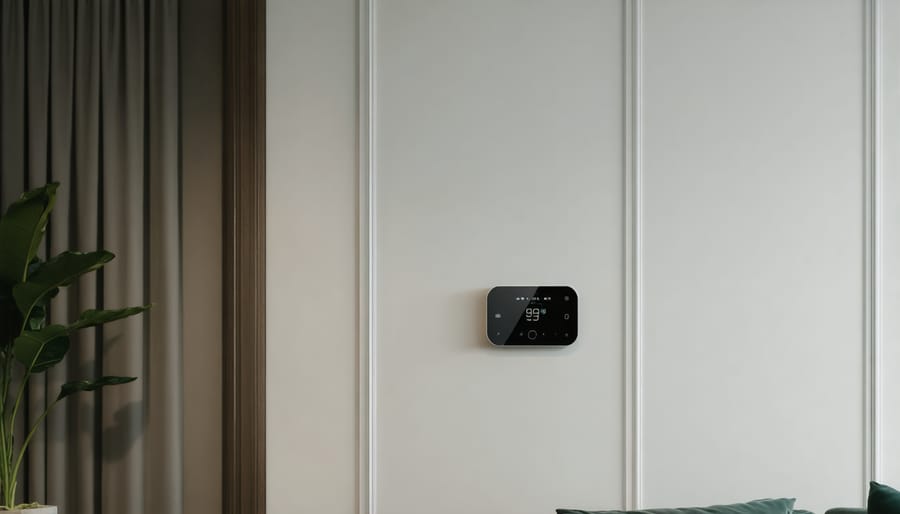
The latest models feature sleek touchscreens with customizable displays that complement any interior style. Brands like Nest and Ecobee offer minimalist designs that look more like contemporary art than HVAC controls. You can even choose models with interchangeable faceplates to match your wall color or room aesthetic.
**HVAC Zoning for Ultimate Comfort**
Smart zoning systems divide your home into separate temperature zones, each controlled independently. This means your home office stays cool during video calls while the bedrooms remain cozy for afternoon naps. Motorized vents and dampers work invisibly within your existing ductwork, eliminating the need for multiple bulky thermostats.
**Integration Tips for Seamless Function**
Position your thermostat at eye level in a high-traffic area, avoiding direct sunlight and drafty spots for accurate readings. Consider pairing it with smart sensors placed discreetly on shelves or tucked behind décor items to monitor temperatures throughout your space.
The real magic happens when you connect everything to your home automation system. Set up routines that automatically adjust temperatures based on occupancy, time of day, or even weather forecasts. Your home learns your preferences and adapts without you lifting a finger.
Security Systems That Don’t Compromise Your Aesthetic
Gone are the days when security systems meant bulky cameras and glaring alarm panels that clash with your carefully curated interior. Today’s modern security innovations seamlessly blend protection with style, ensuring your home stays both safe and beautiful.
**Doorbell Cameras That Impress**
Video doorbells have evolved beyond basic black boxes. Look for models with sleek finishes like brushed nickel, oil-rubbed bronze, or matte black that complement your exterior hardware. Many premium options now feature minimalist designs that could pass for standard doorbells at first glance, while still packing HD video, two-way audio, and motion detection.
**Disappearing Security Cameras**
Hidden cameras integrate directly into your décor. Consider picture frame cameras for living spaces, smoke detector cameras for ceilings, or miniature cameras tucked into bookshelves. For visible outdoor cameras, choose models in colors matching your home’s trim, or opt for discreet bullet cameras that blend into architectural details.
**Smart Locks with Style**
Replace traditional deadbolts with smart locks featuring clean lines and premium finishes. Choose from touchscreen keypads, sleek fingerprint readers, or models that work with your existing hardware aesthetic. Many maintain the classic look from the outside while adding smart functionality inside.
**Invisible Alarm Systems**
Modern alarm systems eliminate conspicuous control panels. Wireless sensors hide within door and window frames, while touchscreen panels can double as digital art displays when not in use. Smart hubs tuck away in closets, managing everything from your phone with no visible equipment cluttering your walls.
Getting Started: Your First Smart Home Design Project
Ready to dip your toes into smart home automation? The best approach is starting small and building from there. Let’s walk through your first project together.
**Choose Your Starting Point**
Begin with a single room where you spend the most time—typically the living room or bedroom. This focused approach keeps costs manageable and lets you learn the ropes without feeling overwhelmed. Pick one automation goal: better lighting control, voice-activated music, or automated window shades are all excellent beginner options.
**System Compatibility Matters**
Before buying anything, decide on your ecosystem. Amazon Alexa, Google Home, and Apple HomeKit are the major players. Check that your chosen devices work with your preferred system—nothing’s more frustrating than discovering your new smart bulbs won’t talk to your voice assistant. Most products clearly label their compatibility on the packaging.
**Budget-Friendly Starter Project: Smart Lighting**
Here’s a simple weekend project that costs under $100:
1. Purchase a smart home hub or use your existing voice assistant
2. Buy 2-3 smart bulbs for your most-used fixtures
3. Download the manufacturer’s app and follow setup instructions
4. Create your first automation: lights that gradually brighten in the morning or dim at bedtime
5. Experiment with different colors and scenes to match your mood
This project requires zero wiring changes—just screw in the bulbs and connect via your phone.
**When to Call the Pros**
While integrating smart devices is often DIY-friendly, certain situations demand professional help. Hardwiring smart switches, installing whole-home audio systems, or anything involving your electrical panel should be handled by licensed electricians. Similarly, if you’re planning extensive automation across multiple rooms, a smart home consultant can design a cohesive system that grows with your needs.
Start simple, celebrate small wins, and expand gradually—your smart home journey should be enjoyable, not stressful.
The best smart home automation doesn’t announce itself—it simply makes your life easier while looking beautiful. When technology works harmoniously with your interior design, you create spaces that are both intelligent and inviting. The key is thinking of automation as another design element rather than an afterthought.
You don’t need to transform your entire home overnight. Start with one room or a single automation project that addresses your biggest pain point. Maybe it’s smart lighting in your living room or motorized blinds in your bedroom. As you become comfortable with the technology, you can expand to other areas while maintaining your design vision.
Remember, the most successful smart homes are those where technology enhances the aesthetic rather than dominates it. Choose devices that complement your style, conceal wiring thoughtfully, and prioritize solutions that integrate seamlessly with your existing décor.
Ready to begin your smart home journey? Pick one automation idea from this guide and commit to making it happen this month. Your future self will thank you for creating a home that’s not just smart, but beautifully smart.