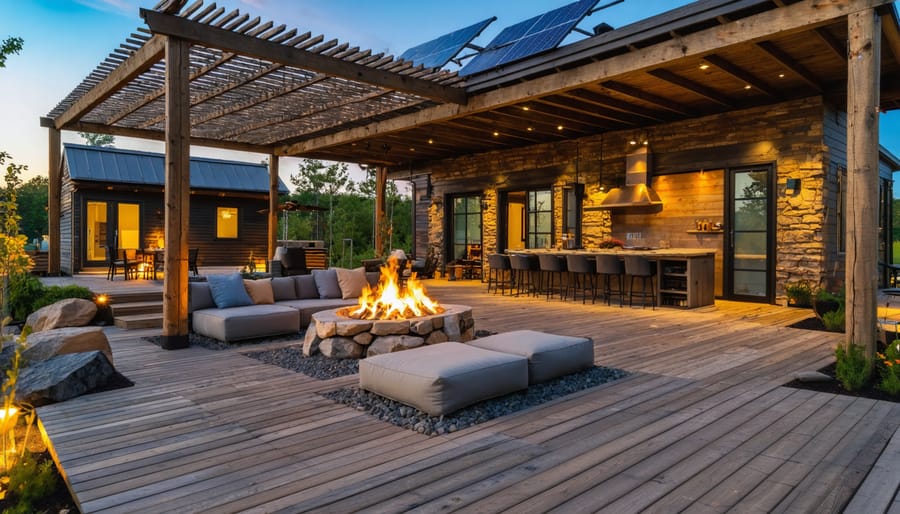
How to Design Your Off-Grid Outdoor Space Without Sacrificing Comfort
Start by auditing your current energy consumption to determine your baseline power needs—track daily usage patterns for lighting, appliances, and climate control to size your solar panel system accurately. This assessment prevents costly over-investment while ensuring your outdoor living spaces remain comfortable year-round without grid dependency.
Install rainwater catchment systems with first-flush diverters and filtration setups that capture and purify precipitation from your roof. A properly designed system provides 600-900 gallons per inch of rainfall on a 1,000-square-foot surface, making water independence achievable even in moderate climates.
Source reclaimed and locally-harvested materials for hardscaping and structures—salvaged wood, recycled composite decking, and regional stone reduce transportation emissions while creating unique aesthetic character. These materials often outlast conventional options and develop appealing patinas that enhance outdoor design over time.
Design your space with passive solar principles, positioning pergolas, shade structures, and plantings to maximize winter sun exposure while blocking harsh summer rays. Strategic placement reduces heating and cooling demands by 30-50%, making off-grid climate control significantly more manageable with smaller, more affordable renewable energy systems.
The transition to sustainable off-grid living doesn’t require abandoning modern comfort or design sophistication. Today’s technologies and materials make it possible to create beautiful, functional outdoor environments that operate independently from municipal utilities while reducing your environmental footprint and long-term operating costs. Whether you’re planning a complete off-grid homestead or simply adding self-sufficient elements to your existing property, these foundational strategies provide the framework for success.
What Off-Grid Outdoor Living Really Means
Off-grid outdoor living doesn’t necessarily mean abandoning your connection to municipal utilities and moving to a remote cabin in the woods. Instead, it’s about creating self-sufficient outdoor spaces that reduce your reliance on traditional power grids and water systems while maintaining comfort and functionality.
Think of it as a spectrum rather than an all-or-nothing commitment. On one end, you might have a fully off-grid property where every outdoor feature operates independently from city services. On the other, you could simply supplement your existing home with sustainable outdoor elements—like a solar-powered pergola, a rainwater collection system for garden irrigation, or a composting station that handles yard waste.
The beauty of off-grid outdoor living is its flexibility. You can start small with a single solar panel powering landscape lighting and gradually expand to more ambitious projects as your comfort level grows.
At its core, off-grid outdoor design revolves around three fundamental principles: managing your own power, water, and waste in outdoor spaces. Power typically comes from renewable sources like solar panels or small wind turbines that can run everything from outdoor kitchens to entertainment systems. Water management involves capturing rainwater, recycling greywater for irrigation, or utilizing well systems. Waste management focuses on composting organic materials and designing systems that minimize what you send to landfills.
The real magic happens when these elements work together seamlessly. Your solar panels charge batteries that power an outdoor kitchen, while collected rainwater irrigates a garden that produces fresh vegetables. Food scraps from that garden return to a compost bin, creating nutrient-rich soil that keeps the cycle going.
This self-sufficient approach isn’t just environmentally responsible—it also creates resilient outdoor spaces that remain functional even during utility disruptions while potentially reducing your monthly bills.
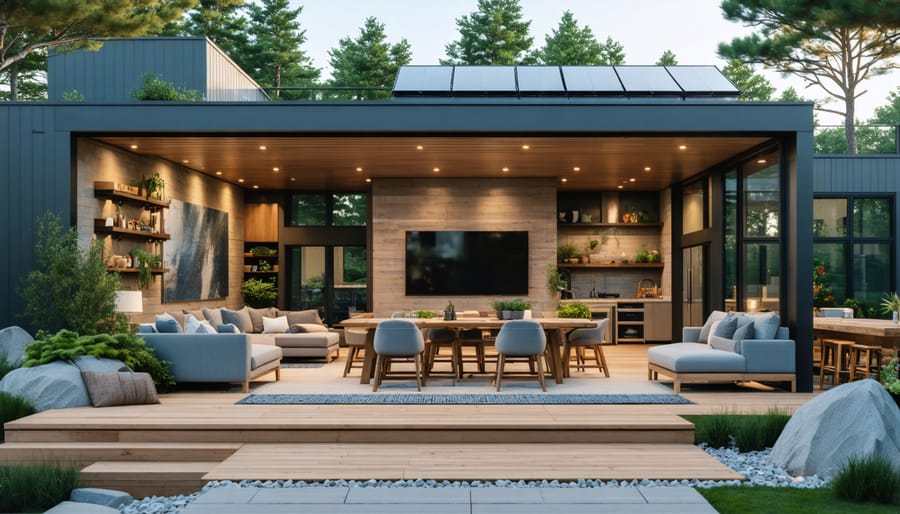
Planning Your Off-Grid Outdoor Living Space
Assessing Your Property’s Natural Resources
Before breaking ground on your off-grid outdoor space, take time to understand what nature’s already offering. This assessment will guide every design decision and help you work with—not against—your property’s natural advantages.
Start by tracking sunlight patterns throughout the day and across seasons. Spend a weekend photographing the same spots every two hours, noting which areas receive full sun (ideal for solar panels and vegetable gardens) and which stay shaded (perfect for composting areas or cool-season plants). South-facing slopes in the Northern Hemisphere capture the most solar energy, making them prime real estate for renewable power systems.
Next, evaluate your water resources. Walk your property during and after rainfall to identify natural drainage patterns, potential catchment areas, and existing water features. Even a seasonal stream can inform your rainwater harvesting strategy. Check local regulations about collecting and using groundwater—knowing what’s allowed saves headaches later.
Assess wind exposure by observing tree movement and weather patterns. Consistent breezes might support small wind turbines, while heavily exposed areas may need windbreaks for comfort and plant protection.
Finally, catalog existing vegetation. Mature trees provide shade, windbreaks, and microclimates that reduce heating and cooling needs. Native plants require less water and maintenance while supporting local wildlife. Document what’s thriving naturally—these species will likely succeed in your sustainable landscape design with minimal intervention.
Setting Your Off-Grid Goals
Before diving into solar panels and rainwater systems, take a moment to honestly assess what “off-grid” means for your outdoor space. Are you envisioning a completely self-sufficient backyard oasis, or would a hybrid approach better suit your lifestyle and budget?
A fully off-grid setup means generating all your own power, managing water independently, and operating without any connection to municipal utilities. This ambitious goal works beautifully for dedicated homeowners with adequate space, sunlight, and financial resources. However, it requires significant upfront investment and ongoing maintenance commitment.
For many, a partially off-grid approach offers the sweet spot between sustainability and practicality. You might start by installing solar lighting and a small rainwater collection system while keeping your grid connection as backup. This gradual transition lets you test the waters without overwhelming yourself or your budget.
Consider your specific needs honestly. How often do you use your outdoor space? What activities happen there? A weekend entertaining area has different requirements than a year-round outdoor kitchen or workshop. Factor in your climate, property size, and local regulations—some areas restrict water collection or require permits for solar installations.
Start small and scale up. Many successful off-grid outdoor spaces began with a single solar-powered feature or one raised garden bed. This incremental approach lets you learn what works, adjust your systems, and build confidence before making larger investments.
Think about your DIY comfort level too. Some projects, like installing landscape lighting, are weekend-friendly. Others, like setting up a comprehensive solar array, might need professional help. Balance your enthusiasm with realistic expectations about time, skills, and resources to create an off-grid space you’ll actually maintain and enjoy.
Power Solutions for Your Outdoor Living Area
Solar Power Basics for Outdoor Spaces
Going solar in your outdoor space is easier than you might think, and it’s one of the most practical steps toward off-grid living. Let’s break down what you need to know to power your backyard oasis sustainably.
**Understanding Your Solar Panel Options**
For outdoor spaces, you’ll encounter three main types of solar panels. Monocrystalline panels offer the best efficiency (15-20%) in smaller footprints, making them ideal for limited roof or pergola space. Polycrystalline panels are budget-friendly with slightly lower efficiency, while thin-film panels work well for curved surfaces but need more space. Most homeowners find that a 300-400 watt panel system handles typical outdoor living needs beautifully.
**Battery Storage Made Simple**
Think of battery storage as your power bank for cloudy days and evenings. Lithium-ion batteries are becoming the go-to choice—they’re compact, require minimal maintenance, and last 10-15 years. For a basic outdoor setup with lighting and small appliances, a 5-10 kWh battery system typically provides plenty of cushion. Deep-cycle lead-acid batteries cost less upfront but need replacement more frequently.
**Calculating Your Power Needs**
Here’s a DIY-friendly approach: list every device you’ll use outdoors, note its wattage (check the label), and estimate daily usage hours. For example, LED string lights (20 watts × 5 hours = 100 watt-hours), a mini-fridge (50 watts × 24 hours = 1,200 watt-hours), and a Bluetooth speaker (10 watts × 3 hours = 30 watt-hours). Add everything up, then increase by 25% for safety margin. This total guides your panel and battery sizing, ensuring you have reliable power without oversizing your system.
DIY Solar Lighting Projects
Solar lighting transforms your off-grid outdoor space into a magical retreat after sunset, and the best part? Installation requires zero electrical wiring or professional help. Let’s explore three easy projects that bring sustainable illumination to your outdoor living area.
**Solar Pathway Lights**
Start by mapping your walkways during daylight hours. Choose spots that receive at least 6-8 hours of direct sunlight daily—this ensures your lights shine brightly all evening. Remove the stakes from your solar lights and push them into softened soil (water the area first if needed). Space them 6-8 feet apart for consistent illumination. Pro tip: angle the solar panels slightly toward the south for maximum charging efficiency.
**Solar String Lights**
String lights create instant ambiance for patios and pergolas. Modern solar string lights come with a separate solar panel connected by a cable, giving you flexibility in placement. Mount the panel in a sunny spot using the included hardware, then drape your lights wherever you want them. Use cup hooks, guide wire, or zip ties to secure the strings. Many options now include smartphone integration, letting you control brightness and timing from your device—perfect for incorporating smart technology into your outdoor lighting design.
**Solar Accent Lighting**
Highlight your garden’s best features with solar spotlights and lanterns. Stake-mounted spotlights showcase trees, sculptures, or architectural elements. Solar lanterns add decorative flair to tables and steps. Position them strategically to create depth and visual interest throughout your space.
Remember to clean solar panels monthly with a damp cloth to maintain optimal performance. With these simple projects, you’ll enjoy beautiful, sustainable outdoor lighting that costs nothing to operate.
Water Management and Conservation
Rainwater Collection Systems
Collecting rainwater is one of the simplest yet most impactful steps toward off-grid sustainability. A well-designed rain collection system can provide water for gardens, livestock, and even household use with proper filtration—all while complementing your outdoor aesthetic.
Start with the basics: rain barrels positioned beneath downspouts. Choose barrels that match your home’s style—sleek metal containers for modern designs, wooden barrels for rustic charm, or decorative ceramic options for garden focal points. Ensure each barrel has a secure lid to prevent mosquito breeding, an overflow valve for heavy rains, and a spigot positioned high enough to fit a watering can underneath.
For larger needs, consider linking multiple barrels together with connecting hoses, creating a cascading system that maximizes collection. Calculate your roof’s catchment area (multiply square footage by rainfall inches) to determine how many barrels you’ll need. A 1,000-square-foot roof generates roughly 600 gallons from one inch of rain.
**Tech Integration Tip:** Install smart water level sensors that connect to your smartphone, alerting you when barrels are full or need maintenance. Some systems can automatically divert water to different garden zones based on soil moisture levels.
Screen all openings with fine mesh to filter debris, and elevate barrels on stable platforms for better water pressure. Paint or stain wooden barrels to match your outdoor color palette, or hide utilitarian containers behind lattice panels covered with climbing vines for a living screen that’s both functional and beautiful.
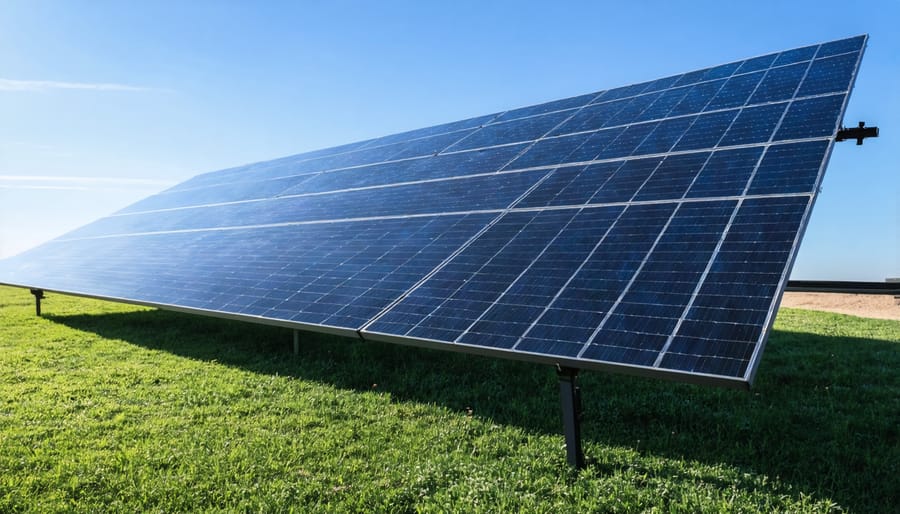
Drought-Tolerant Landscaping Around Living Spaces
Creating a thriving outdoor living space off-grid doesn’t mean sacrificing beauty for water conservation. Smart plant selection can dramatically reduce your irrigation needs while building gorgeous, functional outdoor rooms that blend seamlessly with your lifestyle.
Start by choosing native plants adapted to your region’s rainfall patterns. These hardy selections have evolved to thrive on natural precipitation alone, eliminating the need for supplemental watering once established. Incorporate succulents, ornamental grasses, and Mediterranean herbs like lavender and rosemary—they’re drought-champions that add texture, fragrance, and even culinary benefits to your space.
Group plants by their water requirements using the “hydrozoning” technique. Place thirstier plants near your outdoor living areas where you’ll naturally use greywater from washing dishes or rinsing vegetables. Position the most drought-tolerant specimens in outer zones where they’ll fend for themselves.
Implement water-efficient landscape design principles by adding 3-4 inches of organic mulch around plantings. This simple step reduces evaporation by up to 70% while suppressing weeds and enriching soil as it decomposes.
Design hardscaping elements like gravel pathways and stone patios to define outdoor rooms without requiring water. Install permeable surfaces that allow rainwater infiltration rather than runoff, naturally recharging your property’s water table.
Consider incorporating a small rainwater catchment system with decorative rain chains leading to planted areas—it’s both functional art and smart water management that keeps your outdoor living spaces lush year-round.
Sustainable Materials and Furniture Selection
Eco-Friendly Furniture Options
Choosing the right furniture for your off-grid outdoor space means selecting pieces that align with your sustainability values while standing up to the elements. Let’s explore some excellent eco-friendly options that deliver both durability and style.
**Recycled plastic lumber** has come a long way from its early days. Modern versions made from reclaimed ocean plastics and post-consumer waste look remarkably natural while requiring zero maintenance. These pieces won’t splinter, fade, or need annual sealing—perfect for low-maintenance off-grid living.
**Responsibly sourced wood** remains a classic choice when certified by FSC or similar programs. Teak, eucalyptus, and acacia from managed forests offer natural beauty and longevity. Apply eco-friendly sealants annually to extend their life, or let them weather naturally to a silvery patina.
**Natural fiber furniture** using bamboo, rattan, or wicker brings organic texture to your space. Bamboo grows incredibly fast, making it highly renewable, while offering impressive strength. These sustainable outdoor materials work beautifully for seating areas under covered patios.
Consider upcycling existing furniture with weather-resistant cushions made from recycled fabrics. This DIY approach maximizes sustainability while adding personal character to your off-grid retreat.
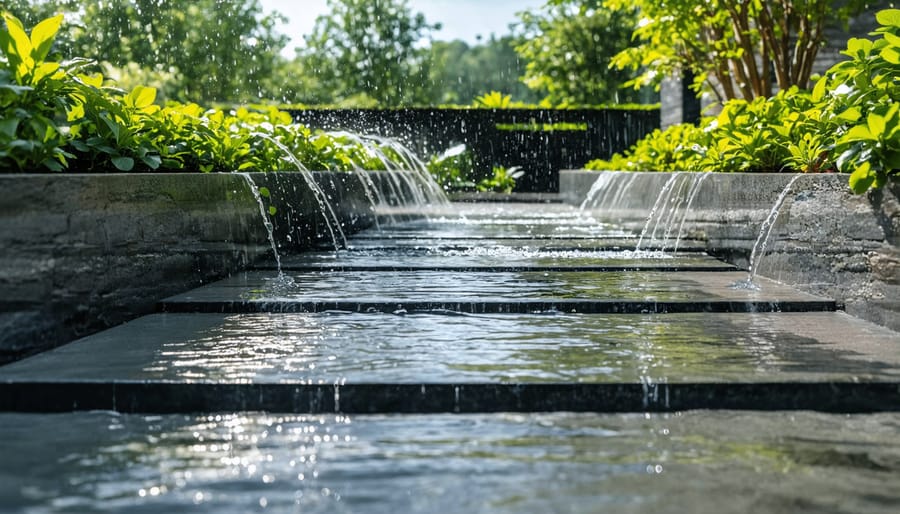
DIY Outdoor Furniture from Reclaimed Materials
Transforming salvaged materials into stunning outdoor furniture is one of the most rewarding aspects of off-grid living. Not only does it keep usable wood out of landfills, but it also creates unique pieces that tell a story while saving you money.
**Simple Pallet Coffee Table**
Start with three standard wooden pallets. Sand them thoroughly to remove splinters, then stack and secure two pallets as the base using exterior wood screws. Add the third pallet as your tabletop. For weather resistance, apply natural linseed oil or outdoor wood stain. Add caster wheels underneath for easy mobility around your patio.
**Reclaimed Wood Adirondack Chairs**
Source old fence boards, barn wood, or decking materials for this classic design. You’ll need approximately 20 linear feet of 1×4 or 1×6 boards per chair. Cut pieces according to a free online template, then assemble using galvanized screws. The angled back and wide armrests create comfortable seating perfect for watching sunsets. Sand rough edges and finish with eco-friendly exterior sealant.
**DIY Bench from Concrete Blocks and Timbers**
This no-build option requires zero carpentry skills. Stack concrete blocks on each end, leaving hollow cores facing up. Slide reclaimed wooden beams or thick planks through the openings to create bench seats. Add outdoor cushions made from repurposed fabrics for extra comfort.
Each project celebrates imperfections—knots, weathering, and natural variations—making your outdoor space authentically unique while supporting your sustainable lifestyle goals.
Creating Functional Off-Grid Outdoor Rooms
Off-Grid Outdoor Cooking Spaces
Creating functional outdoor cooking spaces off-grid means rethinking traditional kitchen setups and embracing alternative energy sources that work beautifully without utility connections.
**Wood-Fired Cooking Solutions**
A wood-fired oven serves as both a practical cooking tool and an attractive focal point. These versatile units reach temperatures perfect for pizza, bread, roasted meats, and vegetables. Position your oven with adequate ventilation and create a covered work area nearby to protect your cooking space from weather. Include a dedicated wood storage bin that keeps fuel dry and easily accessible—plan for at least a week’s worth of seasoned hardwood.
**Solar Oven Integration**
Solar ovens harness free energy from the sun, reaching temperatures between 250-350°F on sunny days. Box-style solar cookers work great for slow-cooking stews and baking, while parabolic models focus intense heat for faster cooking. Set up your solar cooking station in an unshaded southern exposure with a sturdy table at comfortable working height.
**Propane as a Reliable Backup**
High-efficiency propane burners provide consistent heat regardless of weather conditions. Modern propane cooktops use minimal fuel while delivering restaurant-quality performance. Store propane tanks in a well-ventilated outdoor enclosure away from living spaces, and always keep a backup tank on hand.
**Smart Storage and Prep Areas**
Design your outdoor kitchen with weather-resistant cabinetry made from reclaimed wood or stainless steel. Include sealed containers for dry goods, a designated area for cookware, and ample counter space for meal preparation. Consider adding a rainwater collection system nearby for washing produce and cleaning dishes, keeping everything you need within arm’s reach for efficient, sustainable cooking.
Comfortable Lounging and Entertainment Areas
Creating inviting spaces for rest and recreation doesn’t mean sacrificing comfort when living off-grid. Your lounging areas can be just as cozy as traditional homes while maintaining your sustainable lifestyle.
Start with strategic placement of your relaxation zones. Position seating areas to maximize natural heating and cooling—south-facing spots capture winter warmth, while shaded northern areas provide summer relief. Install thermal mass elements like stone benches or adobe walls that absorb daytime heat and release it gradually during cooler evenings.
For climate control, consider rocket mass heaters or radiant floor systems powered by solar panels. These efficient heating methods use minimal energy while providing consistent warmth. During hot months, incorporate passive cooling through proper ventilation, ceiling fans running on DC power, and natural shade structures.
Off-grid entertainment requires creativity but doesn’t mean disconnection. A well-designed solar power system can easily support LED lighting, laptops, tablets, and small entertainment devices. Power-efficient projectors paired with portable screens create perfect outdoor movie nights using minimal battery draw. Consider investing in a quality battery bank to store excess solar energy for evening entertainment use.
Furnish your spaces with sustainable materials—reclaimed wood benches, bamboo tables, and organic cotton cushions blend comfort with environmental consciousness. Add outdoor rugs made from recycled materials and install solar-powered string lights for ambiance without grid dependency. These thoughtful touches create warm, functional gathering spaces that prove sustainable living never means compromising on comfort or enjoyment.
Climate Control Without the Grid
Managing temperature in your off-grid outdoor space doesn’t require expensive HVAC systems or sky-high utility bills. With smart design choices and a few strategic additions, you can create comfortable zones that work with nature rather than against it.
**Harness the Power of Passive Cooling**
Strategic placement of trees and pergolas creates natural shade that can drop temperatures by 10-15 degrees. Deciduous trees are particularly clever—they provide dense summer shade while allowing warming winter sunlight through bare branches. Position these natural air conditioners on the south and west sides of your space where afternoon sun hits hardest.
Vine-covered structures offer another brilliant solution. Train climbing plants like wisteria, grape vines, or passionflower over arbors and pergolas. The leaves create living shade while releasing moisture through transpiration, naturally cooling the surrounding air. As a bonus, many produce beautiful flowers or edible fruit.
**Smart Heat Without Power Bills**
Fire features transform cool evenings into cozy gathering spots without touching your energy supply. A well-designed fire pit with surrounding seating creates a warm microclimate that extends your outdoor season by months. Choose from traditional wood-burning options or propane alternatives that offer adjustable heat control.
Thermal mass works quietly in the background, storing daytime heat and releasing it slowly after sunset. Incorporate stone walls, brick pavers, or large boulders into your design. These materials absorb solar energy during the day and radiate warmth well into the evening hours.
**Design for Air Movement**
Position seating areas to capture prevailing breezes, creating natural ventilation that keeps spaces comfortable without fans. Orient pergolas and shade structures perpendicular to typical wind patterns, allowing air to flow freely underneath while blocking direct sun.
Water features add another layer of passive cooling. Even a small fountain or bubbling basin creates evaporative cooling and the soothing sound of moving water. Solar-powered pumps eliminate electrical requirements while keeping water circulating.
The key is layering these solutions—combining shade, thermal mass, and air movement creates comfortable microclimates that adapt naturally to changing conditions throughout the day and across seasons.
Maintenance Tips for Long-Term Sustainability
Keeping your off-grid systems running smoothly doesn’t have to be complicated—think of it as giving your outdoor space the same care you’d give your indoor home. Regular attention now saves you from costly repairs and ensures your sustainable setup thrives for years to come.
**Solar Power System Care**
Clean your solar panels every 2-3 months, or more frequently if you live in a dusty area. A simple rinse with water and a soft brush removes debris that blocks sunlight. Check electrical connections quarterly for corrosion, and monitor your battery bank’s water levels monthly if you’re using flooded lead-acid batteries. Keep detailed logs of your system’s performance—sudden drops in output often signal issues before they become serious problems.
**Water System Maintenance**
Inspect rainwater gutters and filters seasonally, clearing leaves and debris before they clog your collection system. Test your stored water quality every six months, especially if you’re using it for household purposes. During winter, protect outdoor pipes and pumps from freezing by draining lines or adding insulation. Check your greywater system’s filters monthly to prevent blockages that reduce efficiency.
**Seasonal Preparation Tips**
Before winter, trim trees near solar panels to prevent snow accumulation issues. Stock spare parts like fuses, connectors, and filter replacements—it’s harder to source materials when you’re off-grid. Spring is perfect for deep-cleaning composting toilets and inspecting garden irrigation systems.
**Troubleshooting Common Issues**
If your power output drops, first check for panel shading or dirt buildup. Low water pressure usually means clogged filters or air in the lines. Document problems and solutions in a maintenance journal—you’ll thank yourself when similar issues arise later. Remember, preventive care beats emergency repairs every time.
Creating a sustainable off-grid outdoor space doesn’t have to happen overnight. The beauty of this journey is that you can start small—maybe with a solar-powered lighting system or a rainwater collection barrel—and gradually expand as you gain confidence and resources. Each sustainable feature you add not only reduces your environmental footprint but also enhances your property’s value and your personal enjoyment of the space.
Remember, stunning design and eco-consciousness aren’t mutually exclusive. In fact, many sustainable materials and technologies offer sleek, modern aesthetics that elevate your outdoor living areas. Whether you’re installing reclaimed wood furniture, setting up a solar panel array, or creating a greywater system for your garden, you’re investing in both beauty and function.
The path to self-sufficiency is rewarding at every stage. Start with what excites you most, learn as you go, and don’t be afraid to tackle DIY projects that match your skill level. Every step you take toward sustainable off-grid living brings you closer to energy independence, lower utility bills, and a deeper connection with your outdoor space.