How to Bring Culture Indoor and Transform Your Living Spaces
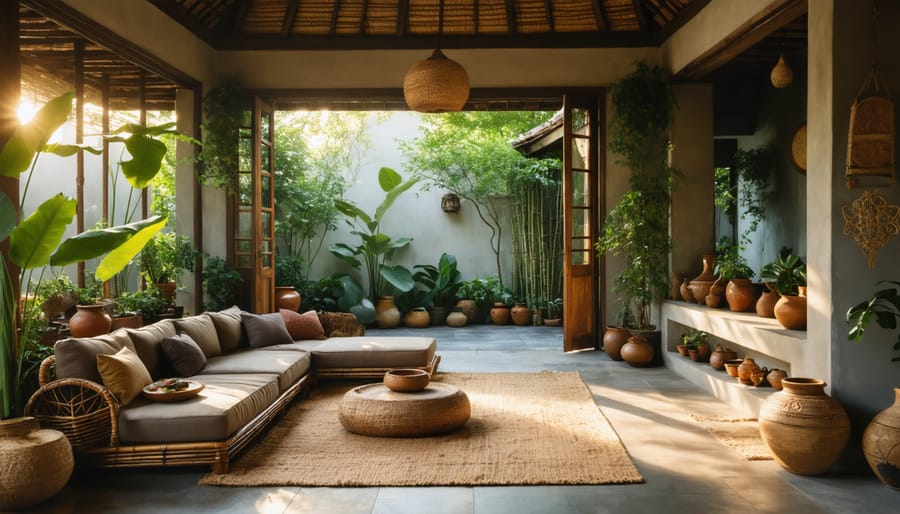
Layer traditional textiles, artifacts, and handcrafted pieces throughout your indoor spaces while maximizing natural light and ventilation to honor cultural heritage that celebrates outdoor living. Choose breathable natural materials like bamboo, rattan, and clay—staples in many traditional cultures—that blur the boundary between interior comfort and nature’s rhythm.
Position furniture to create conversation areas that mirror the communal gathering traditions of outdoor courtyards and verandas. Install sliding glass doors, large windows, or retractable walls that physically connect your indoor cultural displays with garden views, allowing traditional indoor elements to visually flow into landscape features.
Incorporate biophilic design principles by adding indoor plants native to your cultural region of interest, creating living connections to ancestral outdoor traditions. Display pottery, woven baskets, or carved wooden pieces on open shelving near windows where natural light enhances their textures and craftsmanship—exactly as they would appear in their original outdoor market or courtyard settings.
Designate one room or corner as a transitional space that embodies both cultural authenticity and modern comfort. Use temperature-controlled features and smart lighting that adapt throughout the day, mimicking the natural progression of outdoor light while protecting delicate cultural artifacts. This approach respects tradition while embracing contemporary indoor-outdoor living that today’s homeowners desire.
What Does ‘Culture Indoor’ Really Mean?
“Culture indoor” is more than just hanging a few decorative pieces from faraway places on your walls. It’s about thoughtfully weaving meaningful cultural elements into your indoor living spaces in ways that honor their origins while creating a comfortable, functional home. Think of it as bringing the soul of global design traditions into your everyday environment.
Unlike generic interior design that focuses purely on aesthetics or trends, culture indoor emphasizes authenticity and storytelling. Each element serves a purpose beyond looking good—it connects you to traditions, histories, and ways of living that have evolved over centuries. A Japanese shoji screen isn’t just a room divider; it’s a reflection of space efficiency and natural light principles. Moroccan tiles aren’t merely colorful patterns; they represent centuries of craftsmanship and geometric artistry.
The key lies in striking the right balance. You’re not trying to recreate a museum exhibit or transform your home into something it’s not. Instead, you’re selectively incorporating cultural elements that resonate with you while maintaining the comfort and practicality modern life demands. Your home should still have climate control, comfortable furniture, and all the conveniences you need—just infused with cultural character.
This approach reflects our increasingly connected world, where we’re exposed to diverse design philosophies and can appreciate how different cultures solve similar living challenges. Whether it’s Scandinavian minimalism, Mediterranean indoor-outdoor flow, or Asian emphasis on natural materials, culture indoor lets you create spaces that feel both globally inspired and personally authentic. It’s about respect, appreciation, and creating a home that tells your unique story.
Why Cultural Influences Make Indoor Spaces Feel More Alive
Bringing cultural elements into your indoor spaces does more than just beautify your home—it transforms how you feel within it. When you surround yourself with pieces that reflect your heritage or cultures you admire, you’re creating an environment that tells your unique story.
Think about walking into a room adorned with handwoven textiles from your grandmother’s homeland or pottery inspired by traditional craftsmanship. These touches immediately spark emotion and memory, making your space feel genuinely alive rather than catalog-perfect. You’re not just decorating; you’re honoring your identity and creating a sanctuary that feels authentically *you*.
Culturally-inspired design also bridges generations. A Moroccan-style archway or Japanese shoji screens can connect children to their ancestry in tangible, everyday ways. These visual reminders keep cultural traditions present and relevant in modern life.
Beyond personal connection, cultural elements become natural conversation starters. Guests are drawn to unique pieces—whether it’s explaining the significance of African mudcloth patterns on your throw pillows or sharing the story behind your collection of carved wooden masks. These conversations deepen relationships and broaden perspectives.
The psychological benefit is profound: spaces that reflect cultural identity reduce stress and increase comfort. You’re essentially creating a personal museum of meaning, where every glance at a cherished object reinforces belonging and rootedness. This emotional grounding makes your indoor environment feel vibrant, purposeful, and genuinely lived-in—transforming a house into a home with soul.
Key Cultural Elements That Work Beautifully Indoors
Textiles and Fabrics with Heritage
Cultural textiles instantly transform a space, bringing warmth, history, and authentic character to your home. Start by choosing pieces that genuinely speak to you—whether it’s the rich geometric patterns of Moroccan rugs, the intricate hand-carved details of Indian block-printed cushions, or the subtle elegance of Japanese indigo fabrics.
For a DIY approach, begin with throw pillows. Purchase authentic or ethically-sourced textile remnants online or from specialty shops, then create simple envelope-style pillow covers. No sewing machine? Try iron-on hem tape for quick assembly. Mix patterns confidently—pairing natural fiber rugs with printed curtains creates depth without overwhelming your space.
Window treatments offer another impactful opportunity. Transform sari fabric or suzani textiles into curtain panels by simply hemming and adding clip rings. For upholstery projects, start small with dining chair seats or ottoman tops before tackling larger furniture pieces.
**Pro tip:** Use the 60-30-10 rule—60% neutral background, 30% your primary cultural textile, and 10% accent pieces. This balance prevents visual chaos while celebrating heritage patterns. Always verify the authenticity and ethical sourcing of textiles to honor their cultural origins respectfully.
Art and Wall Decor That Tells a Story
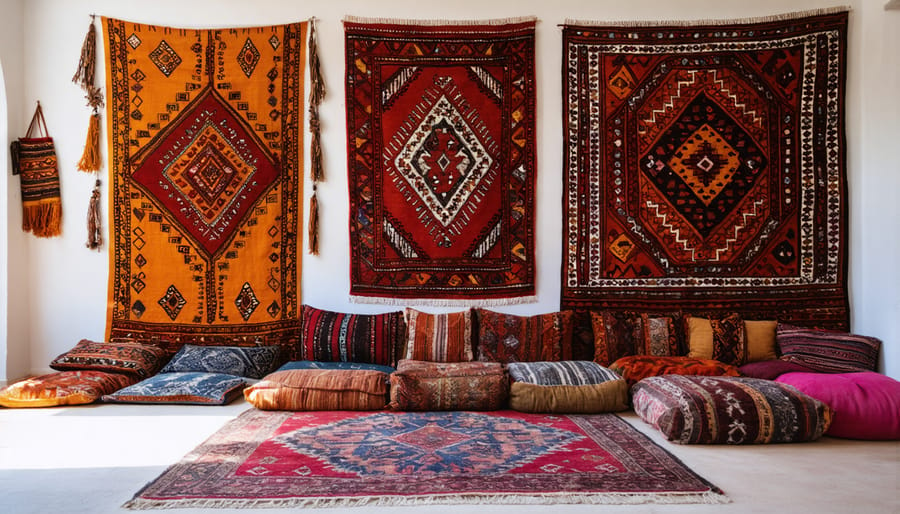
Transform your walls into meaningful conversation starters with culturally inspired artwork that bridges indoor and outdoor traditions. Consider displaying hand-woven tapestries from regions known for textile craftsmanship, or arrange a curated collection of cultural masks that honor their ceremonial origins. These pieces work beautifully as focal points above sofas, in entryways, or along hallway galleries.
**Quick DIY: Create a Cultural Gallery Wall**
Start by researching the background of each piece to ensure respectful display. Mount lightweight items like prints and textiles using picture hanging strips, while heavier masks may need secure anchors. Arrange pieces at eye level, spacing them 3-5 inches apart for visual balance. Mix sizes and textures—pair a large central tapestry with smaller framed prints featuring traditional patterns or natural motifs.
When selecting pieces, prioritize authenticity and fair-trade sources. Avoid sacred or ceremonial items meant only for specific cultural contexts. Instead, choose decorative arts created for display purposes. Frame your collection with neutral walls to let the artwork shine, and consider adding subtle LED picture lights to highlight textures and details, especially important for three-dimensional pieces like carved wood panels or woven baskets that cast beautiful shadows.
Furniture with Cultural Roots
Furniture selections offer one of the most impactful ways to infuse cultural character into your indoor spaces. Scandinavian minimalist pieces, with their clean lines and light wood finishes, create airy environments that celebrate simplicity and functionality—perfect for connecting indoor calm with natural outdoor beauty. Consider a sleek Danish-inspired console table near your patio doors to bridge interior and exterior spaces seamlessly.
Mediterranean rustic tables bring warmth and history indoors, with their weathered wood and sturdy construction echoing outdoor dining traditions. These pieces work beautifully in kitchens or dining areas that open onto gardens or patios, maintaining that indoor-outdoor flow while celebrating craftsmanship.
Asian-inspired seating, like low-profile platform sofas or floor cushions, encourages relaxed gathering styles that many Eastern cultures traditionally enjoyed in open-air settings. Pair these with natural fiber rugs to soften your space and create conversation areas that feel grounded and welcoming.
**Quick DIY tip:** Refresh a basic wooden chair with cultural flair by applying a Mediterranean-style milk paint finish or adding Scandinavian-inspired woven seat webbing. You’ll create a custom piece that tells a story while staying budget-friendly and uniquely yours.
Natural Materials and Indoor Plants
Natural materials create an instant bridge between your indoor spaces and the outdoor world while honoring time-tested cultural traditions. Consider incorporating bamboo furniture or room dividers, which play starring roles in Asian-inspired interiors and add both texture and sustainability. Rattan chairs and woven baskets bring warmth from tropical design traditions, while natural stone elements—like a slate entryway or river rock displays—ground your space with earthy authenticity.
When selecting indoor plants, think beyond basic greenery. Bonsai trees connect to Japanese minimalism, while fiddle leaf figs nod to Mediterranean aesthetics. Succulents in terra cotta pots echo Southwestern design, and tropical palms instantly transport you to island cultures.
**DIY Tip:** Create a simple vertical herb garden using reclaimed wood and mason jars. Mount the wood plank on your kitchen wall, attach jar holders, and plant herbs like basil or mint—practical, beautiful, and authentically connected to farmhouse and cottage traditions worldwide.
Blending Indoor Comfort with Outdoor Cultural Traditions
Creating a harmonious blend between indoor comfort and outdoor cultural traditions doesn’t mean sacrificing modern conveniences—it’s about thoughtfully layering elements that honor both worlds. The key is identifying which aspects of outdoor cultural practices translate beautifully indoors while maintaining the climate control and functionality you need.
Start by examining the core principles behind these outdoor traditions rather than just copying their aesthetics. Mediterranean courtyards, for example, celebrate communal gathering and natural light filtration. You can recreate this indoors by designing an open living space with abundant windows, installing adjustable shutters for light control, and incorporating a central seating area that encourages conversation. Add terra cotta planters with herbs like rosemary and lavender to engage multiple senses while maintaining your HVAC system’s efficiency.
The concept of Japanese indoor-outdoor flow offers another practical approach. Use sliding shoji-inspired screens or room dividers to create flexible spaces that adapt to your needs. Position indoor plants near windows to blur the boundary between inside and outside, and choose natural materials like bamboo flooring or stone accents that reference outdoor elements.
Balinese open-air living emphasizes natural ventilation and organic textures. Translate this indoors with ceiling fans featuring natural fiber blades, woven rattan furniture, and strategically placed greenery. Install smart thermostats that allow you to open windows when weather permits while maintaining backup climate control.
**DIY Tech Integration Tip**: Install motorized blinds connected to your home automation system. Program them to mimic traditional outdoor living patterns—opening at sunrise like Mediterranean shutters or creating dappled light effects similar to Japanese garden canopies. This gives you cultural authenticity with modern convenience, controlled from your smartphone.
The beauty of this approach is customization. You’re not recreating outdoor spaces exactly; you’re capturing their spirit while keeping your home comfortable year-round.
DIY Project: Create Your Own Culturally-Inspired Indoor Retreat
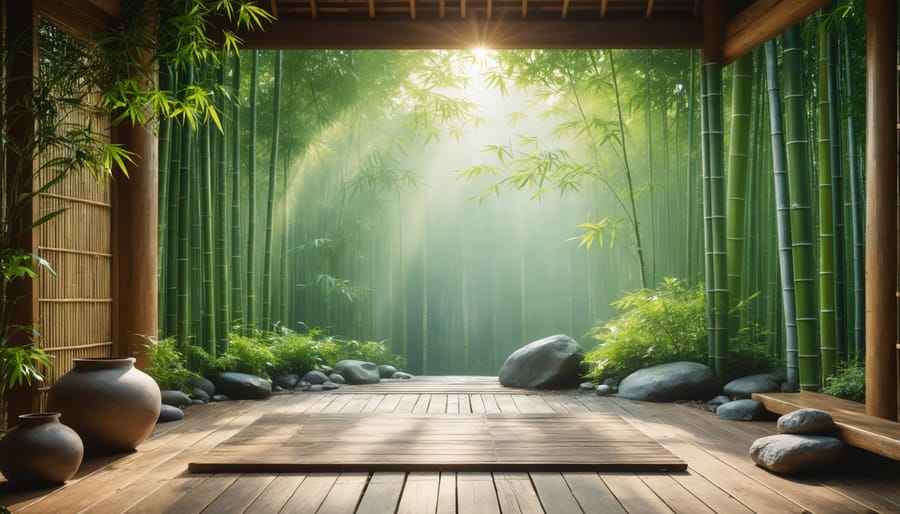
Ready to transform a space in your home into a culturally-inspired sanctuary? Let’s walk through creating your own indoor retreat that honors global design traditions while fitting your lifestyle and budget.
**Step 1: Choose Your Cultural Inspiration**
Start by selecting a cultural aesthetic that resonates with you—whether it’s Japanese minimalism, Moroccan warmth, Scandinavian coziness, or Mediterranean brightness. Research authentic design elements through museums, cultural centers, or travel photos to understand the core principles rather than surface-level decoration.
**Step 2: Select Your Space**
Identify a room corner, reading nook, or entire room for your retreat. Even a 6×6 foot area can become transformative. Consider natural light availability and how the space connects to outdoor views, as many cultural design traditions emphasize this relationship.
**Step 3: Gather Materials on Budget**
Shop smart by visiting thrift stores, estate sales, and online marketplaces for authentic textiles and artifacts. Look for:
– Natural fiber rugs or floor cushions ($30-100)
– Culturally-inspired textiles for curtains or wall hangings ($20-80)
– Plants native to your chosen culture’s region ($15-50)
– Handcrafted pottery or baskets ($25-75)
**Step 4: Layer Your Design**
Begin with foundational elements like flooring and seating, then add textiles, lighting, and decorative objects. Create depth by varying textures—think woven baskets, ceramic vessels, and natural wood pieces. Position furniture to face windows or garden views, honoring the indoor-outdoor connection central to many cultural traditions.
**Tech Integration Tip:** Use smart lighting with warm color temperatures (2700-3000K) to mimic natural candlelight or sunset tones common in traditional spaces, controllable via smartphone for ambiance adjustments.
Avoiding Cultural Appropriation: Design with Respect
Bringing cultural elements into your home is a beautiful way to celebrate heritage and global diversity, but it’s essential to approach this with respect and thoughtfulness. The key difference between appreciation and appropriation lies in understanding the significance behind what you’re incorporating.
Start by doing your homework. Before adding any cultural piece to your space, research its origins and meaning. A Māori tiki carving or Native American dreamcatcher might look decorative, but they often hold deep spiritual significance. Understanding these meanings helps you display items appropriately and share their stories with visitors.
Source authentically whenever possible. Purchase directly from artisans or reputable sellers who support the communities creating these pieces. This ensures fair compensation for craftspeople and guarantees you’re getting genuine items rather than mass-produced imitations. Many online marketplaces now connect you directly with makers worldwide, making authentic sourcing easier than ever.
**DIY Tip:** When creating your own culturally-inspired décor, focus on artistic techniques rather than replicating sacred symbols. For example, learn traditional weaving patterns or pottery methods as skills to develop, while avoiding reproducing religious iconography or ceremonial objects.
Consider context carefully. Some items are meant for specific purposes or settings. Display pieces in ways that honor their original function—ceremonial masks shouldn’t become wall decorations in bathrooms, and religious texts deserve respectful placement.
When in doubt, consult with cultural practitioners or experts. Most communities appreciate genuine interest in their heritage when approached respectfully. This mindful approach creates spaces that celebrate culture authentically while fostering cross-cultural understanding.
Real Homes, Real Cultural Fusion
Real homeowners are beautifully blending cultural influences to create spaces that feel both personal and globally inspired. Take Sarah’s Brooklyn loft, where she merged Scandinavian minimalism with Japanese wabi-sabi principles. She kept walls white and furniture simple, but added handmade ceramic vessels with intentional imperfections and a low-profile chabudai table for tea ceremonies. The result? A calming retreat that honors two cultures without feeling cluttered.
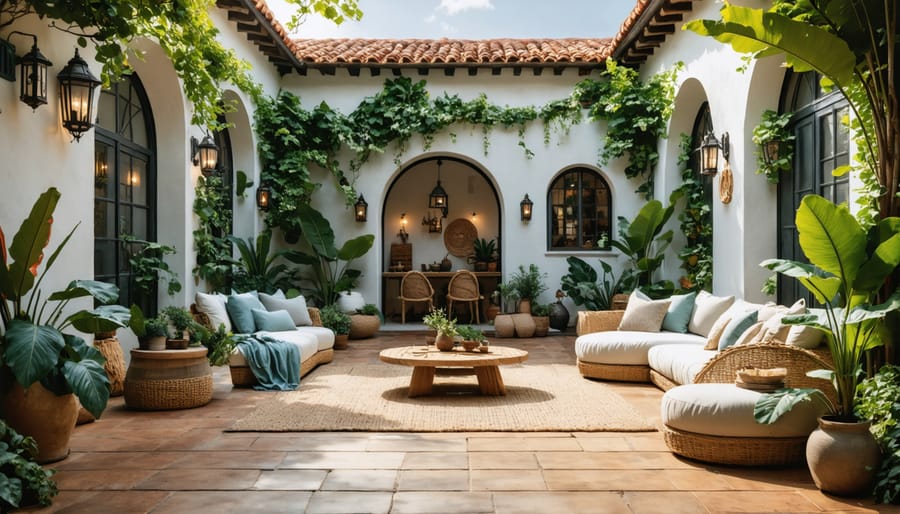
In Miami, the Rodriguez family created a Mediterranean-Bohemian fusion that perfectly captures their heritage and lifestyle. Terra cotta tiles meet Moroccan poufs, while whitewashed walls showcase vibrant textile art from their travels. They installed large French doors that blur indoor-outdoor boundaries—a nod to both Spanish courtyards and boho indoor-outdoor living.
Designer Marcus Chen specializes in creating harmony in design through African-Scandinavian combinations. His signature approach pairs Danish hygge comfort with bold African mudcloth patterns and natural wood sculptures. “The key is balance,” he explains. “Choose one culture for your foundation, then layer in accent pieces from another.”
The common thread? These homeowners started with pieces meaningful to them—inherited textiles, travel souvenirs, or family traditions—then built around those anchors. They didn’t rush to fill every corner, instead letting their cultural fusion evolve naturally over time.
Creating a culturally-informed indoor space isn’t just about decoration—it’s about weaving your heritage, values, and cherished traditions into the very fabric of your home. When you thoughtfully incorporate cultural elements into your interior design, you transform ordinary rooms into meaningful sanctuaries that tell your unique story and honor the broader human traditions that shaped you.
The beauty of cultural indoor design is that you don’t need to overhaul your entire home overnight. Start small with a single meaningful piece—perhaps a handwoven textile from your grandmother’s homeland, a collection of pottery that speaks to your roots, or a color palette inspired by places that hold significance for you. Each intentional addition builds upon the last, gradually creating layers of personal meaning that make your space authentically yours.
Remember, the most powerful cultural spaces aren’t museum displays; they’re living environments that evolve with you. Trust your instincts, honor what feels genuine, and don’t be afraid to blend traditions in unexpected ways. Your indoor sanctuary should reflect not just where you came from, but who you are today and the legacy you’re creating for tomorrow.