Why PM2.5 Matters More Than You Think (And How Your Walls Can Help)
Every breath you take indoors contains invisible particles small enough to slip past your body’s natural defenses and lodge deep in your lungs. PM2.5—particulate matter measuring 2.5 microns or less—is roughly 30 times smaller than a human hair, yet it poses one of the most significant threats to your indoor air quality. These microscopic invaders come from cooking, candles, cleaning products, and surprisingly, from the very materials that make up your home’s interior.
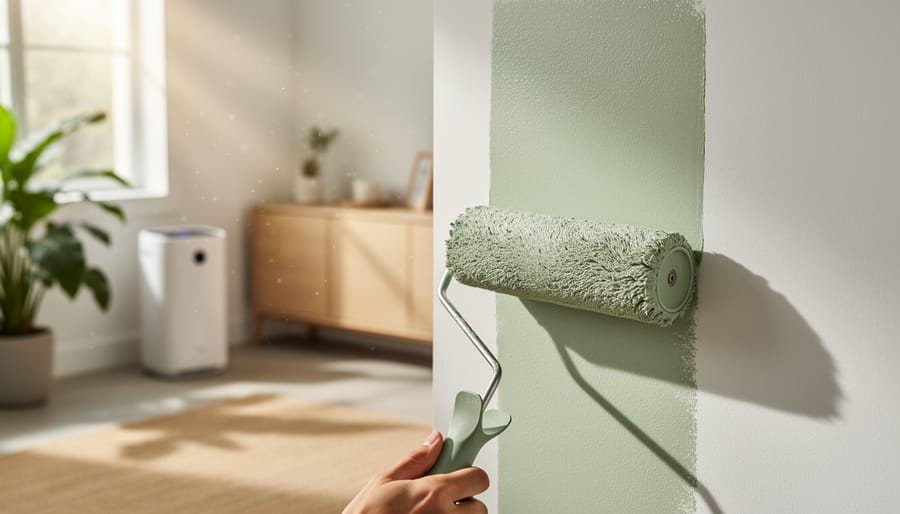
The good news? You have more control over PM2.5 levels than you might think, starting with the materials you choose for your living spaces. Traditional building materials, furnishings, and finishes can either contribute to the problem or become part of the solution. Low-VOC paints, formaldehyde-free cabinetry, and natural fiber textiles emit fewer harmful particles compared to their conventional counterparts. Meanwhile, innovative air-purifying materials actively work to capture and neutralize PM2.5 particles already floating through your rooms.
Understanding which materials reduce PM2.5 emissions matters because Americans spend approximately 90% of their time indoors, where pollutant concentrations can be two to five times higher than outdoor levels. Long-term exposure to PM2.5 has been linked to respiratory issues, cardiovascular problems, and decreased cognitive function. Children, elderly family members, and those with existing health conditions face heightened risks.
This guide cuts through the confusion surrounding indoor air quality by focusing on practical, achievable material swaps and additions. Whether you’re planning a full renovation, updating a single room, or simply looking to improve your home’s air quality, you’ll discover specific products and techniques that make a measurable difference. The strategies ahead work for any budget and skill level, transforming your home into a healthier environment one material choice at a time.
What Exactly Is PM2.5 (And Why It’s in Your Home Right Now)
The Size That Slips Past Your Defenses
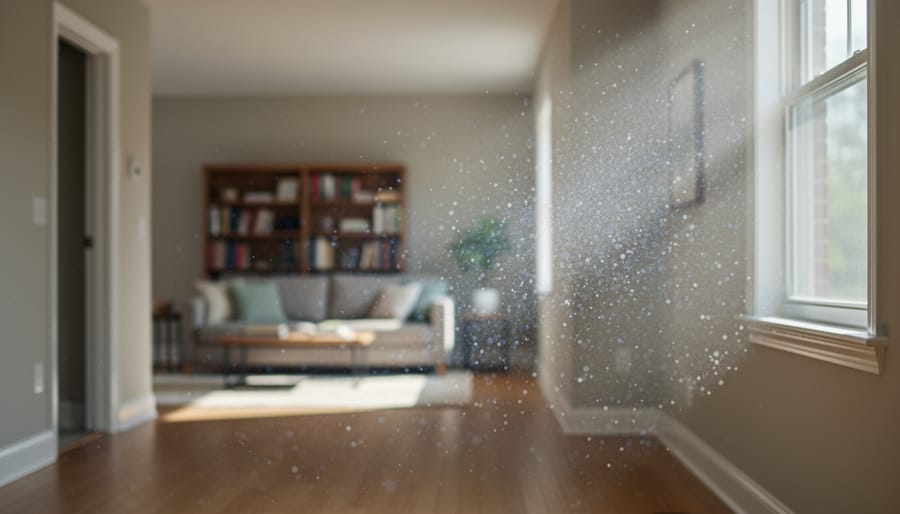
To truly grasp just how small PM2.5 particles are, let’s put it in perspective. These particles measure less than 2.5 microns in diameter. That’s about 30 times smaller than the width of a human hair and roughly 1/20th the size of a grain of beach sand. In fact, you’d need a microscope to see individual PM2.5 particles.
This incredibly tiny size is precisely what makes PM2.5 so dangerous to your health. Your respiratory system has built-in defenses designed to filter out larger particles. The small hairs in your nose and the mucus lining your airways work together to trap dust and debris before they reach your lungs. Unfortunately, these natural defenses weren’t designed to handle particles as small as PM2.5.
Because of their microscopic size, PM2.5 particles slip right past your nose and throat, traveling deep into your lungs. They can penetrate the tiny air sacs called alveoli, where oxygen enters your bloodstream. Even more concerning, the smallest particles can actually cross into your bloodstream itself, potentially affecting your heart, brain, and other vital organs. This is why understanding and controlling PM2.5 sources in your home is essential for protecting your family’s long-term health.
Common Sources Hiding in Plain Sight
You might be surprised to learn that many of your daily activities are quietly releasing PM2.5 into your home’s air. Let’s shine a light on these common culprits.
Your kitchen is probably the biggest contributor. Gas stoves are notorious PM2.5 generators, releasing microscopic particles every time you turn on a burner. Even electric stoves produce these particles when cooking oils heat up and food splatters. Toasting bread, searing meat, or stir-frying vegetables all send tiny particles airborne. Running your range hood can help, but many recirculating models don’t filter PM2.5 effectively.
Cleaning products and air fresheners deserve a closer look too. That fresh scent you love often comes with a side of particulate matter. Aerosol sprays, scented candles, and plug-in air fresheners all release PM2.5 as they disperse fragrance through your rooms. Even some cleaning sprays contribute to the problem.
Outside your windows, vehicle exhaust is constantly producing PM2.5 that seeps indoors through small gaps and when you open doors. If you live near a busy road, construction site, or industrial area, you’re getting a steady stream of these particles filtering into your living space.
Your fireplace and wood-burning stove, while cozy, are significant PM2.5 sources. Even with proper ventilation, some particles escape into your home. Smoking indoors multiplies the problem exponentially, making it one of the worst offenders for indoor air quality.
The Health Risks You Can’t See (But Your Body Feels)
PM2.5 particles are so tiny—about 30 times smaller than a human hair—that they bypass your body’s natural defenses and travel deep into your lungs. Once there, they can enter your bloodstream, affecting organs throughout your body. Understanding these indoor air quality concerns is the first step toward protecting your household.
For your respiratory system, PM2.5 exposure can trigger asthma attacks, worsen chronic bronchitis, and reduce lung function over time. You might notice increased coughing, wheezing, or shortness of breath—symptoms that often worsen with prolonged exposure. Children are particularly vulnerable because their lungs are still developing, and they breathe more rapidly than adults, taking in more pollutants relative to their body size.
The cardiovascular effects are equally concerning. Research shows that PM2.5 can increase blood pressure, trigger irregular heartbeats, and raise the risk of heart attacks and strokes. If you or a family member has existing heart conditions, these microscopic particles can make symptoms significantly worse.
Long-term exposure presents serious risks. Studies link sustained PM2.5 exposure to reduced life expectancy, cognitive decline in older adults, and developmental issues in children. Pregnant women exposed to high levels may face increased risks of low birth weight and premature delivery.
The elderly face compounded risks due to naturally weakened immune systems and often pre-existing conditions. Similarly, anyone with asthma, COPD, diabetes, or heart disease should take extra precautions, as PM2.5 can exacerbate these conditions.
The challenge is that you cannot see, smell, or taste PM2.5 in your home. You might feel fine initially, but the damage accumulates silently over months and years. This makes prevention through smart material choices and air purification strategies essential—especially since we spend approximately 90 percent of our time indoors.
How Low-Emitting Materials Keep Your Air Cleaner
What ‘Low-Emitting’ Actually Means
When you see products labeled as “low-emitting,” it means they release significantly fewer airborne particles and chemicals into your indoor air compared to conventional alternatives. These materials are specifically manufactured to minimize the release of PM2.5 particles and volatile organic compounds (VOCs) that can compromise your home’s air quality.
The difference starts in how they’re made. Low-emitting materials use water-based formulations instead of solvent-based ones, incorporate natural binders, and avoid toxic additives that off-gas over time. For example, low-emitting paints replace traditional chemical solvents with water carriers, while eco-friendly flooring uses formaldehyde-free adhesives.
Standard products often contain high levels of formaldehyde, phthalates, and other chemicals that continuously release fine particles as they break down. In contrast, low-emitting alternatives undergo rigorous testing and certification processes to ensure their emissions stay below strict thresholds. Look for certifications like GREENGUARD Gold or FloorScore when shopping.
The material composition matters too. Low-emitting products typically feature natural ingredients, recycled content, or specially engineered synthetic materials designed to remain stable and not degrade into harmful particulates. This makes them safer during installation and throughout their lifespan in your home.
Certifications Worth Looking For
When shopping for flooring, paint, or furniture, look for third-party certifications that verify low emissions of PM2.5 and other pollutants. These labels take the guesswork out of choosing healthier materials.
GREENGUARD Gold is one of the most rigorous certifications available. Products bearing this label have been tested for over 360 chemicals and VOCs, with strict limits that make them safe for sensitive environments like schools and healthcare facilities. This certification is particularly valuable when selecting flooring, cabinets, and furniture.
FloorScore certification specifically focuses on flooring materials and adhesives. Developed by the Resilient Floor Covering Institute, it ensures products meet strict indoor air quality standards. If you’re installing new floors, this certification indicates the material won’t contribute significantly to indoor particle pollution.
Look for products certified under California Section 01350, which tests for formaldehyde and other volatile compounds that can form secondary particulates indoors. This standard is often referenced in LEED-certified buildings.
The Environmental Protection Agency’s Safer Choice label identifies cleaning products and paints with ingredients that won’t break down into harmful particles. When combined with low-VOC formulations, these products help maintain cleaner indoor air.
Before purchasing, verify certifications are current and check the manufacturer’s documentation. Many companies display certificates online or can provide them upon request, giving you confidence in your material choices.
Air-Purifying Materials That Actually Work
Photocatalytic Paints and Coatings
Titanium dioxide-based air-purifying paints offer an innovative approach to tackling indoor PM2.5. These specialized coatings contain photocatalytic particles that react with light—both natural and artificial—to break down pollutants, volatile organic compounds, and even some bacteria on contact. When light hits the painted surface, it triggers a chemical reaction that converts harmful particles into harmless substances like water and carbon dioxide.
The practical reality for homeowners is a bit nuanced. While these paints do work, their effectiveness depends heavily on available light exposure and air circulation. They work best in well-lit rooms with good airflow, making them ideal for living rooms, kitchens, and home offices. The technology isn’t a magic solution—you’ll still need proper ventilation—but it adds an extra layer of air purification that’s completely passive once applied.
Application is straightforward, similar to standard premium paints, though they typically cost more upfront. Most brands require at least two coats for optimal performance and maintain their photocatalytic properties for several years before needing a refresh.
Natural Mineral Plasters and Clay Finishes
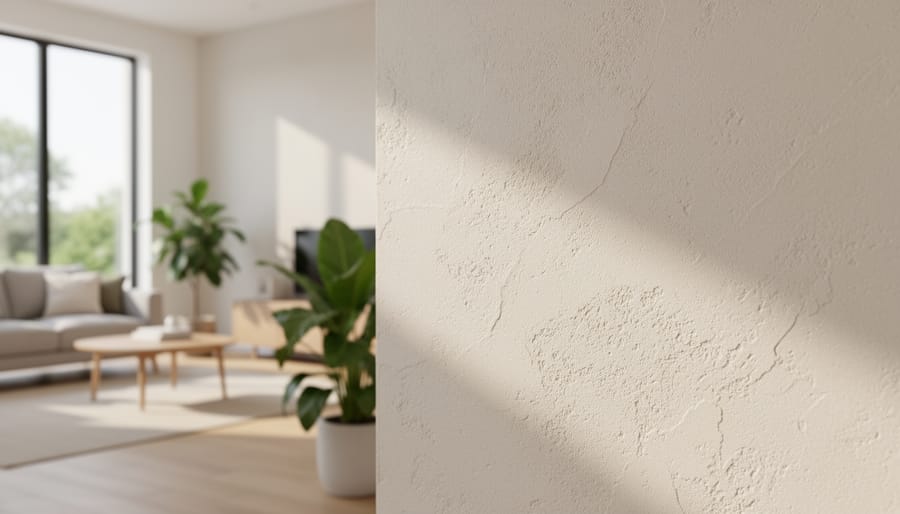
Natural mineral plasters and clay finishes offer a beautiful, time-tested approach to creating healthier indoor environments. These materials work as natural air purifiers through their unique porous structure. Lime plaster and clay walls actively absorb airborne pollutants and odors, binding particles within their mineral matrix. What makes them particularly effective is their ability to regulate humidity levels—pulling excess moisture from the air when it’s humid and releasing it when conditions are dry. This moisture management is crucial because PM2.5 particles often bind to water vapor, so controlling humidity helps reduce airborne particulates. Clay finishes are especially DIY-friendly, available in premixed formulas that you can trowel directly onto drywall. For a simple starter project, try a clay finish in a bedroom or bathroom where humidity control matters most. These finishes require no VOC-laden sealers and improve with age, making them both sustainable and practical for long-term air quality management.
Activated Carbon and Other Absorptive Materials
Beyond traditional air filters, innovative building materials now incorporate activated carbon and other absorptive substances that actively fight PM2.5 and volatile organic compounds. These smart materials work silently behind the scenes to purify your indoor air.
Activated carbon wallboards and decorative panels feature microscopic pores that trap both particulates and gaseous pollutants. They’re installed just like standard drywall or accent walls, making them an easy upgrade during renovation projects. Similarly, zeolite-embedded panels use naturally occurring minerals with honeycomb-like structures that capture pollutants through a process called adsorption.
You’ll also find these materials woven into textiles. Curtains, room dividers, and acoustic panels embedded with activated carbon provide dual functionality—they enhance your décor while cleaning the air. Some manufacturers offer decorative fabric wall coverings that combine aesthetic appeal with air-purifying properties.
When selecting these products, check the manufacturer’s specifications for replacement or reactivation timelines. Most activated carbon materials remain effective for several years before requiring replacement, though exact duration depends on your indoor air quality and the product’s saturation capacity.
Smart Material Choices for Every Room
Different rooms face different PM2.5 challenges, so let’s talk about smart material choices tailored to each space in your home.
In the kitchen, where cooking generates significant particulate matter, focus on easy-to-clean, non-porous surfaces that won’t trap particles. Choose sealed natural stone or quartz countertops instead of porous materials. For cabinetry, look for products certified by GREENGUARD or with low-VOC finishes. Skip laminate backsplashes that can off-gas and opt for ceramic tile or glass instead. Install range hoods that vent outside rather than recirculating filtered air, and consider adding a small air-purifying plant like a spider plant on the windowsill.
Bedrooms deserve extra attention since we spend roughly one-third of our lives there. Select natural latex or organic cotton mattresses over traditional memory foam, which can release volatile compounds. For wall finishes, choose zero-VOC paints or natural clay-based options. Hardwood or bamboo flooring works better than carpet, which acts like a PM2.5 reservoir. If you prefer carpet, select products with the Carpet and Rug Institute’s Green Label Plus certification and vacuum frequently with a HEPA-filter equipped machine.
Living areas benefit from combining low-emitting materials with air-purifying features. Solid wood furniture beats particle board or MDF, which often contain formaldehyde-based adhesives. Consider adding activated carbon panels behind artwork or incorporating decorative moss walls that naturally filter air. Area rugs should be washable cotton or wool rather than synthetic fibers.
Bathrooms require moisture-resistant materials that won’t promote mold growth, a significant PM2.5 contributor. Use mold-resistant drywall and zero-VOC caulk around fixtures. Choose porcelain or ceramic tiles with low-VOC grout and sealers. Install an exhaust fan that runs for at least 20 minutes after showering to reduce moisture and airborne particles.
For every room, remember that even premium low-emitting materials need proper ventilation during and after installation. Open windows, run fans, and allow new materials to off-gas before occupying the space. This simple step dramatically reduces initial PM2.5 exposure and sets your home up for healthier air long-term.
DIY Installation Tips and Professional Guidance
When it comes to installing air-purifying materials in your home, the good news is many projects fall squarely in the DIY-friendly zone. Installing mechanical air filters, adding houseplants, or applying activated carbon panels are typically straightforward tasks that most homeowners can handle with basic tools and a free weekend.
For simple installations like HEPA air purifiers or carbon filter panels, start by identifying the rooms where you spend the most time. Bedrooms and living spaces should be your priority. Before installing anything, give surfaces a thorough cleaning to remove existing dust and particulates. This prevents you from sealing in the very pollutants you’re trying to eliminate.
When applying photocatalytic paints or coatings, proper surface preparation makes all the difference. Clean walls thoroughly, repair any damage, and ensure surfaces are completely dry. Apply these specialized paints using the same techniques as regular paint, but pay close attention to manufacturer instructions regarding coverage rates and drying times between coats.
However, some situations definitely call for professional help. If you’re considering a whole-house ventilation system upgrade, dealing with ductwork modifications, or installing built-in air purification systems, hiring a certified HVAC professional ensures proper sizing, installation, and compliance with local building codes. Similarly, if you’re integrating smart air quality monitoring systems with your home automation setup, a professional can ensure everything communicates properly.
Maintenance is where your long-term success really happens. Set phone reminders to replace filters every three to six months, depending on usage and air quality. Clean permanent filters monthly with a vacuum or gentle wash. For photocatalytic surfaces, simply dust regularly to maintain effectiveness. Keep a log of maintenance activities to track performance and ensure you’re getting the cleanest air possible year-round.
The invisible threat of PM2.5 doesn’t have to compromise your home’s air quality. Throughout this guide, we’ve explored how these microscopic particles infiltrate your living spaces and, more importantly, how the right material choices can make a real difference in the air you breathe every day.
Your strategy for cleaner indoor air comes down to two complementary approaches. First, prevention through low-emitting materials stops PM2.5 at its source by choosing products that don’t release harmful particles in the first place. Second, active remediation with air-purifying materials like activated carbon panels, photocatalytic coatings, and natural wool insulation actually captures and neutralizes airborne pollutants already circulating in your home.
Ready to take action? Start with your next project, whether that’s a full renovation or a simple room refresh. When shopping for flooring, paint, or furnishings, look for certifications like GREENGUARD Gold or FloorScore that guarantee low emissions. Consider incorporating air-purifying elements in high-traffic areas where PM2.5 accumulation is greatest, like entryways and living rooms.
Don’t feel overwhelmed by tackling everything at once. Even small changes add up. Replace that old carpet with certified hardwood, swap conventional paint for a photocatalytic option, or add some activated carbon panels to your bedroom walls. Each choice moves you closer to healthier indoor air.
Your home should be your sanctuary, not a source of concern. With the knowledge and tools you now have, cleaner air is absolutely within reach.