Make Mixed Design Styles Work (Without Creating Chaos)
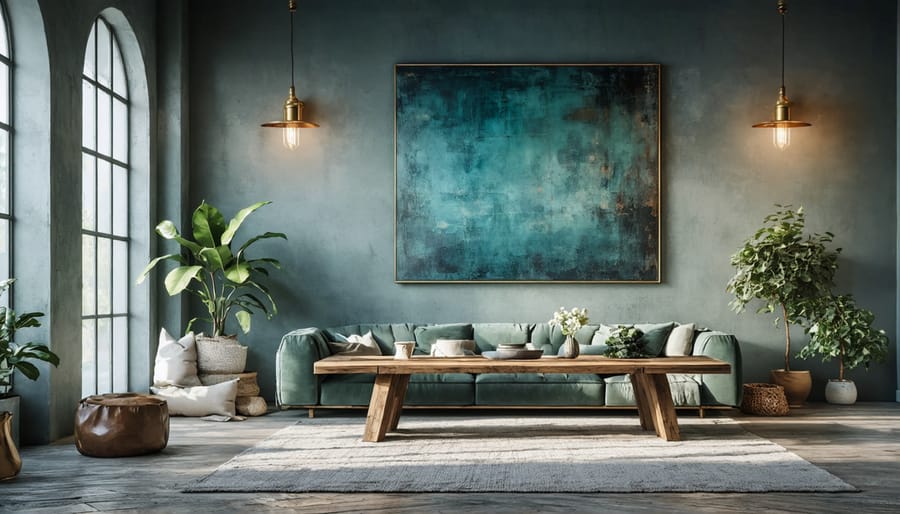
Blend contrasting design styles confidently by anchoring each room with a dominant aesthetic and weaving secondary elements through carefully chosen accent pieces. Master the art of stylistic fusion by selecting a consistent color palette that ties diverse elements together, allowing you to create perfect harmony between different looks. Balance modern minimalism with vintage charm by incorporating clean-lined furniture alongside characterful antiques, using texture and pattern to bridge the gap between styles. Transform ordinary spaces into sophisticated sanctuaries by following the 80/20 rule: dedicate 80% of your design to your primary style and 20% to complementary accents, ensuring a cohesive yet dynamic environment that reflects your unique personality while maintaining visual balance throughout your home.
The Art of Mixing Design Styles Successfully
Finding Your Core Style
Before diving into mixing different design styles, it’s essential to identify your core aesthetic preference – the style that naturally resonates with you. Start by creating a mood board, either physically or digitally using platforms like Pinterest, saving images of rooms and decor that immediately catch your eye. Look for patterns in your selections: Do you consistently gravitate toward clean lines and minimal decor? Or do you find yourself drawn to ornate details and rich textures?
Pay attention to your existing furniture pieces and the items you’ve collected over time. These often reflect your innate style preferences. Consider your lifestyle needs and how you use your space. A minimalist approach might work better for busy professionals, while those who love entertaining might prefer a more eclectic, conversation-starting style.
Take inspiration from your favorite places – restaurants, hotels, or friends’ homes that make you feel most comfortable. Your core style should feel natural and authentic to you, serving as the foundation for incorporating complementary design elements. Remember, this primary style will occupy about 60-70% of your space, with secondary styles adding personality through thoughtful accents.
The 80/20 Rule of Style Mixing
When mixing interior design styles, the 80/20 rule serves as a reliable guideline for creating balanced, visually appealing spaces. This principle suggests dedicating roughly 80% of your design elements to your primary style while allowing the remaining 20% to showcase your secondary style or accent elements.
For example, if you’re combining modern and rustic styles with modern as your dominant theme, 80% of your space might feature clean lines, minimal decoration, and contemporary furniture. The remaining 20% could incorporate rustic touches like exposed wooden beams, vintage accessories, or weathered metal fixtures.
This ratio helps prevent spaces from feeling chaotic or unfocused while still allowing for creative expression. To implement this rule effectively, start by identifying your primary style and selecting major pieces like sofas, tables, and wall colors that reflect this choice. Then, layer in complementary elements from your secondary style through smaller items like throw pillows, artwork, or decorative objects.
Remember that these percentages aren’t strict mathematical rules but rather a helpful framework for achieving visual harmony while mixing styles successfully.
Creating Cohesion Between Interior and Exterior
Transitional Spaces That Bridge Styles
Transitional spaces like entryways and porches play a crucial role in creating a seamless flow between your home’s exterior and interior design elements. These areas serve as natural bridges where transitional style design principles can be perfectly showcased.
Start by identifying key elements from both your exterior architecture and interior décor that you want to blend. In your entryway, incorporate materials that echo your home’s exterior – if you have brick outside, consider exposed brick or terracotta tiles inside. For modern homes with clean lines, maintain that simplicity in your foyer while gradually introducing warmer elements that transition into your interior style.
Porches offer excellent opportunities for style mixing. Use outdoor-friendly versions of your interior furniture styles, and mirror your interior color palette in weather-resistant fabrics and materials. Adding potted plants that complement both your landscaping and indoor greenery creates natural continuity.
Consider lighting as a unifying element – choose fixtures that reference both your exterior and interior styles. For example, if you’re blending contemporary and farmhouse styles, a modern-industrial pendant light can bridge both aesthetics perfectly.
Don’t forget about flooring transitions. Use materials that complement both spaces, such as weathered wood that matches interior floors or stone tiles that echo exterior pathways. These thoughtful connections help create a cohesive flow that makes your transitional spaces feel intentional rather than disconnected.

Color and Material Consistency
When mixing different design styles, maintaining visual harmony through consistent colors and materials is crucial to blend your home’s style seamlessly. Start by choosing a core color palette that works across your chosen styles. For instance, if you’re combining industrial and bohemian elements, use warm neutrals as your base, then add pops of color that complement both aesthetics.
Materials play an equally important role in creating cohesion. When mixing modern and rustic styles, for example, use natural wood elements throughout the space to create a common thread. This might mean incorporating wooden accent pieces in a contemporary room or adding sleek metal fixtures to a rustic space.
Consider the 60-30-10 rule when distributing colors: 60% dominant color, 30% secondary color, and 10% accent color. This approach helps maintain balance while allowing creative expression across different styles. To ensure material consistency, choose 2-3 primary materials that appear throughout your space, such as brass, wood, or marble.
Remember to create transitions between different style zones using shared elements. A modern dining room can flow naturally into a traditional living space when connected by similar metallic finishes or complementary fabric textures. This thoughtful coordination of colors and materials will help your mixed-style interior feel intentional rather than chaotic.
Common Style Combinations That Work
Modern and Traditional
Blending modern and traditional elements creates a sophisticated, timeless space that showcases the best of both worlds. The key lies in finding the right balance between sleek contemporary pieces and classic architectural details. Start by selecting a dominant style as your foundation, then thoughtfully incorporate elements from the contrasting style.
For a successful mix, consider pairing clean-lined modern furniture with ornate traditional moldings, or place a contemporary art piece above a classic fireplace mantel. The contrast between old and new creates visual interest while maintaining harmony. Color plays a crucial role – use a neutral palette as your base, then add depth through texture and pattern combinations.
A practical approach is the 80/20 rule: dedicate 80% of your space to your primary style choice and 20% to contrasting elements. For example, in a predominantly modern room, incorporate traditional touches through accessories like vintage mirrors, classic table lamps, or antique area rugs. Alternatively, update a traditional space with modern lighting fixtures, minimalist artwork, or contemporary accent furniture.
Material selection is equally important. Blend materials like sleek metals and glass with warm woods and rich fabrics. This combination creates a layered look that feels both current and timeless. Remember that successful mixing isn’t about following strict rules but creating a personalized space that reflects your style while respecting both design traditions.
Industrial and Rustic
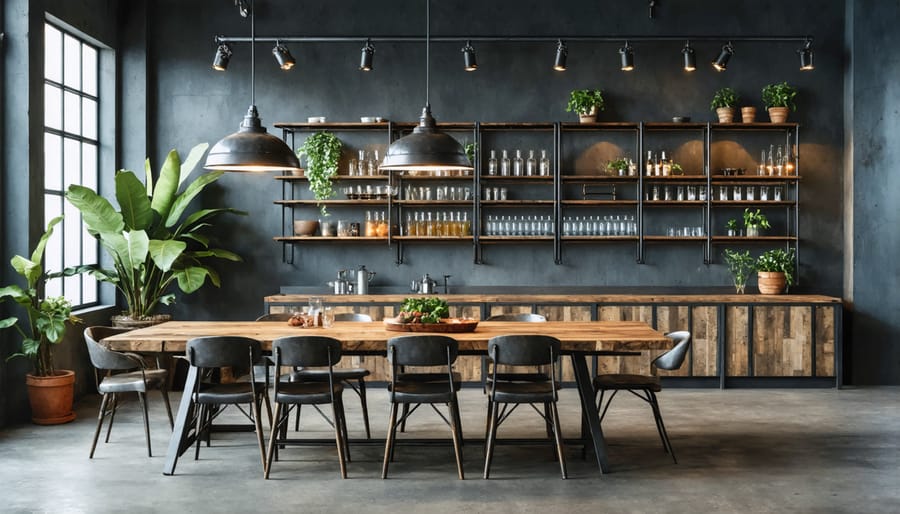
The industrial-rustic fusion celebrates the marriage of raw urban elements with warm countryside charm. Start by establishing a foundation with exposed brick walls or concrete surfaces, signature features of industrial design. Balance these cooler elements with reclaimed wood beams, vintage barn doors, or weathered wooden furniture pieces that bring rustic warmth to the space.
Metal fixtures and hardware serve as perfect bridging elements between both styles. Choose aged copper light fixtures, wrought iron shelving, or steel-framed windows, but pair them with natural materials like leather, burlap, or rough-hewn wood to maintain the rustic connection. Consider incorporating factory-style pendant lights above a farmhouse dining table, or mounting industrial pipe shelving on a distressed wood accent wall.
When selecting furniture, mix materials strategically. A leather sofa with visible metal framework or a coffee table combining steel legs with a salvaged wood top creates perfect style harmony. Add texture through natural fiber rugs, woven baskets, and industrial-style storage solutions repurposed from old factory equipment.
Color plays a crucial role in blending these styles. Stick to a neutral palette of grays, browns, and blacks, punctuated with warm wood tones. Incorporate greenery through potted plants or vertical gardens to soften industrial edges and enhance the natural rustic elements. Remember, the key is finding balance – for every sleek metal surface, add a touch of organic texture or weathered charm.
Practical Tips for Implementation
Starting Small: Test Areas
Before diving into a full home makeover, start your mixed-style journey in a contained space like a guest bathroom, home office, or reading nook. These smaller areas serve as perfect testing grounds for experimenting with different design combinations without overwhelming commitment or cost.
Choose a small space that you use regularly but isn’t central to your daily routine. This allows you to live with the mixed styles and gauge how they make you feel over time. For example, try combining industrial lighting fixtures with bohemian textiles in a reading corner, or merge modern furniture with vintage accessories in a powder room.
Document your experiment by taking before and after photos, and make notes about what works and what doesn’t. Pay attention to how different elements interact – like how metallic accents play against natural materials, or how contemporary pieces complement traditional architecture.
If something isn’t working, it’s much easier to adjust or start over in a smaller space. These test areas become valuable learning experiences, helping you develop confidence and expertise before tackling larger rooms in your home.
Budget-Friendly Style Mixing
Mixing interior design styles doesn’t have to break the bank. Start by shopping at thrift stores, flea markets, and estate sales for unique pieces that represent different styles. These venues often offer high-quality furniture and decor at fraction of retail prices. Transform existing furniture with paint, new hardware, or reupholstery to match your desired style combination.
Consider incorporating DIY projects to create custom pieces that bridge different design aesthetics. Something as simple as painting a traditional wooden chair in a bold, modern color can create an effective style fusion. Use affordable accessories like throw pillows, area rugs, and artwork to introduce elements of various styles without major investment.
Take advantage of seasonal sales and clearance events to gradually build your mixed-style collection. Focus on versatile pieces that can work with multiple design approaches. Paint is one of the most cost-effective ways to create dramatic style changes – use it on walls, furniture, or even floors to establish your desired aesthetic blend.
Remember that achieving a mixed-style look is more about creativity than spending power. Repurpose items in unexpected ways and let your personality guide your choices rather than trending designer pieces.
Mixing interior design styles is an art that becomes more approachable with practice and confidence. As we’ve explored throughout this guide, successful style mixing isn’t about following rigid rules but rather understanding core principles that help create harmony. Remember that contrast creates interest, while common elements like color, texture, or era tie different styles together seamlessly.
Don’t be afraid to experiment with your unique combination of styles. Start small by mixing a few key pieces, then gradually expand as you become more comfortable with your design choices. Trust your instincts – if a combination feels right to you, it probably is. The most successful mixed-style spaces often reflect the personality and life experiences of their inhabitants.
Keep in mind that balance is key, whether you’re combining modern and traditional, industrial and bohemian, or any other style pairing. Use the 80/20 rule as a starting point, where one style dominates while the other adds interest through carefully chosen accent pieces.
Remember that your home is a canvas for self-expression. The best interior designs tell a story, and mixing styles allows you to tell yours in a unique and authentic way. With the guidelines and techniques we’ve discussed, you now have the tools to confidently create a space that’s both visually striking and personally meaningful. Take that first step, and watch as your mixed-style vision comes to life.