Low-E Coatings That Clean Your Air While They Save Energy
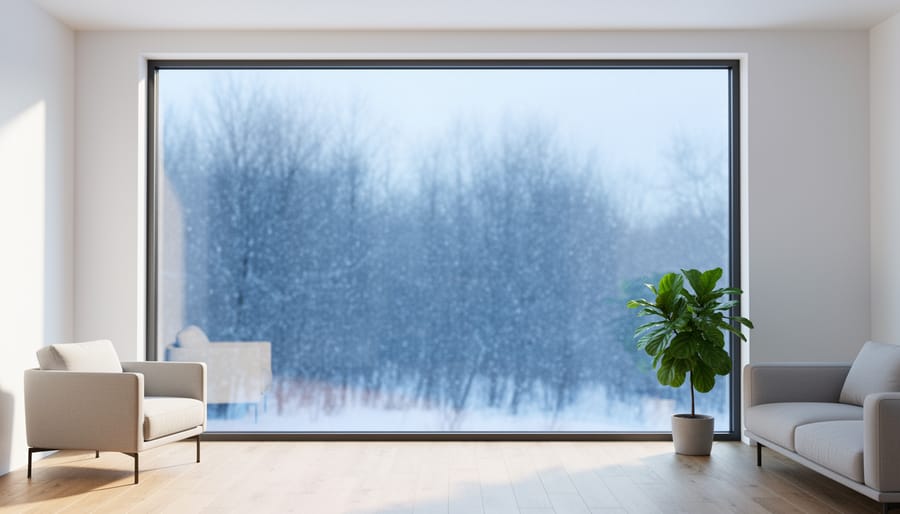
Look at your windows on a cold winter morning and you’ll likely see condensation, feel a draft, or notice your heating system working overtime. That invisible energy leak costs the average homeowner hundreds of dollars annually while compromising indoor comfort. Low emissivity coatings—thin, microscopically-applied layers that reflect heat while allowing light to pass through—solve this problem by creating an invisible thermal barrier on glass and other surfaces.
These specialized coatings work like a selective mirror, reflecting infrared heat back into your home during winter and blocking outdoor heat during summer, all while maintaining natural daylight. The technology has evolved far beyond windows, now extending to paints, films, and building materials that contribute to healthier indoor environments. When combined with other low-emitting materials, these coatings create spaces that are both energy-efficient and better for occupant health.
Whether you’re renovating a single room, building from scratch, or simply looking to reduce energy bills, understanding low emissivity coatings helps you make smarter decisions about your space. The investment typically pays for itself within three to seven years through reduced heating and cooling costs, while immediately improving comfort and potentially increasing property value. This guide breaks down everything you need to know—from the science behind the technology to practical application methods and product selection—so you can determine if low emissivity coatings belong in your home.
What Low-Emissivity Coatings Actually Do
Think of low-emissivity coatings as a one-way mirror for heat. Just like sunglasses that let you see out while blocking harmful rays, low-E coatings allow visible light to pass through glass while reflecting thermal energy back to where it came from. This simple principle makes them one of the most effective energy-efficient materials available for modern homes.
Here’s how they work: These ultra-thin metallic coatings, typically made from silver or tin oxide, are applied to glass surfaces in layers thinner than a human hair. During winter, they reflect heat from your furnace back into your living space instead of letting it escape through windows. In summer, they bounce the sun’s radiant heat away before it enters your home, keeping rooms cooler without overworking your air conditioner.
The key difference from traditional window treatments lies in selectivity. Regular tinted glass blocks both light and heat indiscriminately, often making rooms darker. Low-E coatings, however, are engineered to target specific wavelengths on the light spectrum. They block infrared radiation, which carries heat, while allowing the visible light spectrum to pass through freely. This means you get natural daylight without the energy penalty.
Unlike surface treatments like films or tints that you might apply yourself, low-E coatings are typically applied during the glass manufacturing process, creating a permanent bond that won’t peel, fade, or degrade over time. The result is invisible protection that can reduce heat transfer through windows by up to 50 percent, translating directly into lower utility bills and year-round comfort without sacrificing your view or natural light.
The Air-Purifying Advantage You Didn’t Know About
How They Remove Indoor Pollutants
Low emissivity coatings tackle indoor air quality through a fascinating combination of chemistry and physics. Here’s what actually happens inside your home when these coatings go to work.
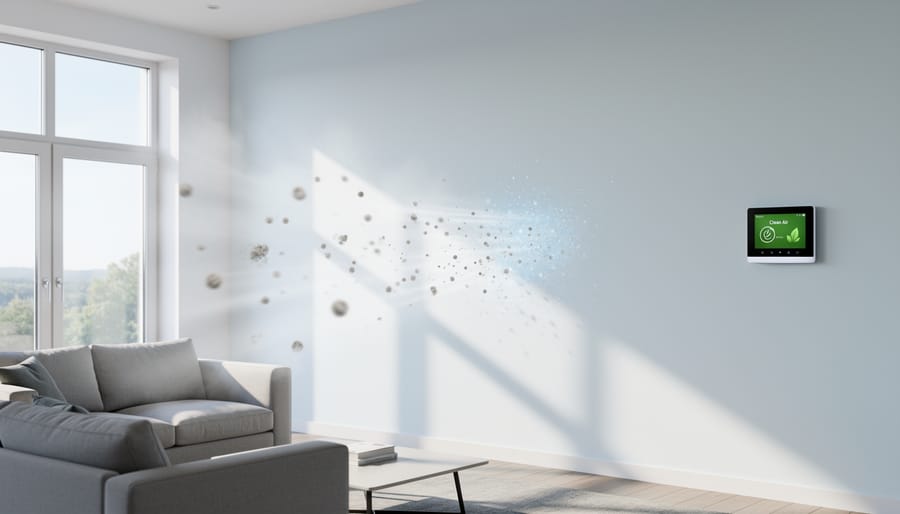
The secret lies in photocatalytic reactions. When natural or artificial light hits the coating’s surface, it activates titanium dioxide or similar compounds embedded in the formula. This activation creates powerful oxidizing agents that break down pollutants at the molecular level. Volatile organic compounds from paint, furniture, and cleaning products don’t stand a chance against this process—they’re literally decomposed into harmless water vapor and carbon dioxide.
For everyday concerns like cooking odors, pet smells, and cigarette smoke, the coating’s porous structure plays a key role. It captures odor molecules and holds them on the surface where the photocatalytic reaction can neutralize them. Think of it as an invisible scrubber working 24/7.
Allergens get similar treatment. Common culprits like dust mite proteins, mold spores, and pollen particles land on coated surfaces and begin breaking down immediately. While these coatings won’t replace your air purifier completely, they provide continuous passive filtration that reduces your overall allergen load, making your home more comfortable year-round.
Real-World Air Quality Benefits
Installing low-emissivity coatings in your home delivers measurable improvements to your living environment. These advanced coatings actively reduce volatile organic compounds (VOCs) that off-gas from furniture, carpets, and building materials, creating noticeably fresher air throughout your space. Many homeowners report reduced odors and a cleaner-feeling atmosphere within just a few weeks of application.
The health benefits extend beyond pleasant air. By breaking down harmful chemicals like formaldehyde and benzene, low-E coatings with photocatalytic properties help minimize respiratory irritants that affect indoor air quality. This is particularly valuable for families with children, elderly members, or anyone with allergies and asthma. You’re essentially creating a self-cleaning air environment that works continuously without filters to replace or electricity to consume.
The most compelling benefit? These coatings maintain their air-purifying properties for years, offering long-term protection against everyday pollutants. Think of it as a passive defense system that quietly improves your home’s atmosphere while simultaneously reducing your energy bills through better temperature regulation.
Where to Use Low-E Coatings in Your Home
Windows and Glass Surfaces
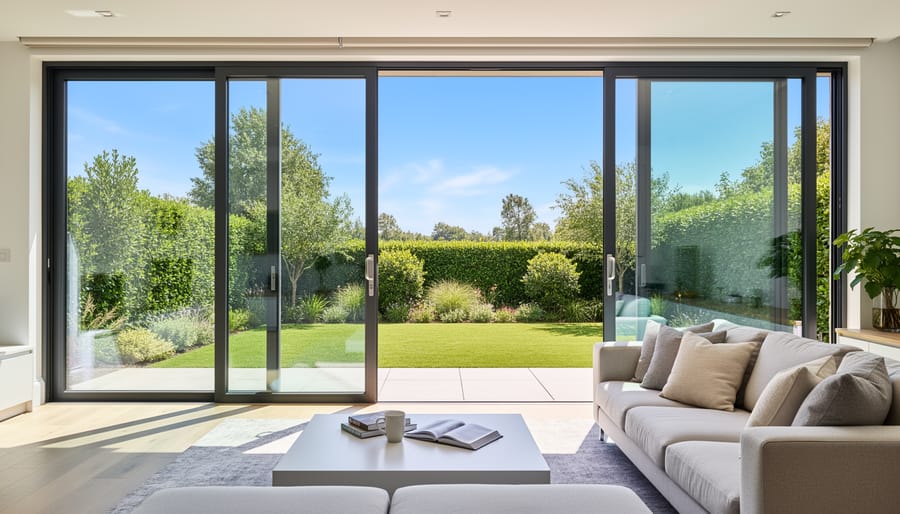
Low-E windows are the most popular use of low emissivity coatings, and for good reason. These specialized coatings on window glass reflect heat back into your home during winter while blocking heat from entering during summer. The result? You’ll notice lower energy bills year-round, often seeing a 10-30% reduction in heating and cooling costs. The coating is virtually invisible, so your windows look completely normal while working hard behind the scenes. Most modern double-pane and triple-pane windows come with low-E coatings already applied, but you can also add low-E window film to existing windows as a DIY upgrade. Glass doors, skylights, and sunrooms benefit equally from this technology. When shopping, look for windows with a low U-factor (measures insulation) and appropriate Solar Heat Gain Coefficient based on your climate.
Interior Walls and Ceilings
Indoor spaces are getting a high-tech upgrade with innovative low-E coatings designed specifically for walls and ceilings. These emerging paint-based products go beyond traditional modern wall paint options by incorporating ceramic microspheres or metallic particles that reflect radiant heat back into your room during winter and help keep spaces cooler in summer.
What makes these interior coatings particularly exciting is their dual functionality. Many now include air-purifying properties that actively break down volatile organic compounds, odors, and even some bacteria. Simply apply them like regular paint during your next room refresh. While they cost slightly more than standard paints, homeowners report noticeable comfort improvements and potential energy savings of 15-20% on heating and cooling costs. They’re especially effective in rooms with exterior walls, home offices, and bedrooms where temperature control matters most for comfort and sleep quality.
Furniture and Decorative Elements
Beyond windows, low emissivity coatings are making their way into your living spaces through furniture and decorative pieces. These specialty coatings can be applied to glass tabletops, metal furniture frames, decorative mirrors, and even high-end countertops to help regulate heat transfer throughout your home.
Think of a glass coffee table or metal shelving unit near a sunny window. Without protective coating, these surfaces can become uncomfortably hot or cold depending on the season. Low-E coatings create an invisible thermal barrier that keeps furniture surfaces more comfortable to touch while contributing to your room’s overall temperature stability.
For DIY enthusiasts, some manufacturers offer spray-on low-E solutions suitable for smaller decorative projects, though professional application is recommended for larger pieces. When shopping for new furniture, ask about built-in low-E treatments, especially for pieces with significant glass or metal components. These coatings are particularly valuable in sunrooms, conservatories, and rooms with floor-to-ceiling windows where temperature control can be challenging.
Choosing the Right Low-E Coating for Your Project
Selecting the right low-E coating starts with understanding the different types available. Passive low-E coatings work best in colder climates where you want to retain indoor heat, while solar control low-E coatings are ideal for warmer regions where blocking heat gain is the priority. Many manufacturers now offer balanced options that perform well in mixed climates, making them a safe choice if you’re unsure.
When shopping, pay close attention to the product label. Look for the U-factor, which measures how well the coating prevents heat transfer—lower numbers mean better insulation. The Solar Heat Gain Coefficient (SHGC) tells you how much solar heat passes through, with lower values blocking more heat. You’ll also see the Visible Transmittance (VT) rating, which indicates how much natural light enters your space. Higher VT numbers mean brighter rooms.
For windows, soft-coat low-E options typically offer superior performance but cost more and require professional installation since they’re applied between glass panes. Hard-coat versions are more durable and budget-friendly, making them great for DIY window film projects. These adhesive films can be applied directly to existing windows and provide noticeable energy savings without the expense of full window replacement.
Match your choice to your specific needs. North-facing windows benefit from high VT ratings to maximize natural light. South and west-facing windows in hot climates need low SHGC values to reduce cooling costs. Budget-conscious homeowners should prioritize the rooms where they spend the most time or where energy loss is greatest.
Don’t forget to check for Energy Star certification, which ensures the product meets efficiency standards for your region. Many utility companies offer rebates for certified low-E products, potentially offsetting your investment. Compare warranties too—quality coatings typically come with 10-20 year guarantees. Take measurements carefully before purchasing, and when in doubt, consult with a local contractor who understands your climate’s unique demands.
DIY Application vs. Professional Installation
DIY-Friendly Low-E Products
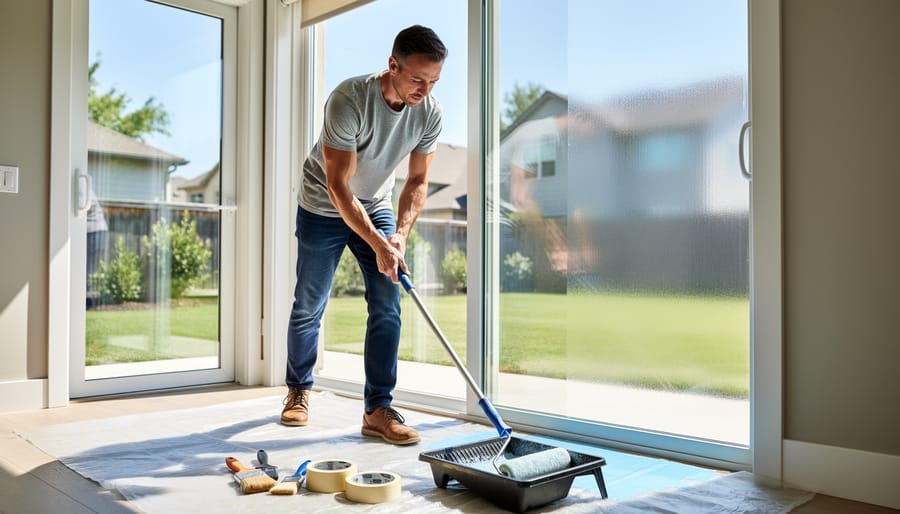
Good news for hands-on homeowners: you don’t need a professional installer to enjoy the benefits of low-E technology. Several DIY-friendly options make it easy to upgrade your home’s energy efficiency on a weekend.
Window films are the most popular choice, offering a peel-and-stick solution that reduces heat transfer through existing glass. These transparent films come in various strengths and can be applied with just a spray bottle, squeegee, and utility knife. Most homeowners complete a standard window in under 30 minutes.
Paint additives represent another accessible option. You simply mix ceramic microsphere additives into your regular interior or exterior paint, creating a reflective barrier that helps maintain comfortable indoor temperatures. One bottle typically treats several gallons of paint.
For those comfortable with spray equipment, aerosol low-E coatings provide professional-grade performance. These spray-on products work well for garage doors, metal roofing, and other large surfaces where traditional methods fall short. Just ensure proper ventilation and follow manufacturer guidelines for surface preparation and application temperature ranges.
When to Call the Pros
While many low-e coating projects are DIY-friendly, certain situations call for professional installation. If you’re building a new home or replacing all the windows, hiring certified installers ensures proper fitting and maximum energy efficiency. They’ll help you navigate manufacturer warranties, which often require professional installation to remain valid.
For commercial properties or architectural glass projects, professionals bring expertise in building codes, safety regulations, and large-scale applications. They can also recommend the right coating type for your climate zone and building orientation—factors that significantly impact performance.
Consider calling the pros if you’re dealing with specialty glass shapes, historic window restoration, or integrating smart glass technology. Professional installers have access to commercial-grade products not available to consumers and can often secure better pricing on materials.
Finally, if your project involves structural changes, permits, or significant investment, professional installation protects your investment and ensures optimal results. Many contractors offer energy assessments to help you prioritize improvements and maximize your return.
Cost vs. Savings: What to Expect
Let’s talk numbers, because understanding the investment is just as important as knowing the benefits. Low-emissivity coatings vary widely in cost depending on your application, but here’s what you can realistically expect.
For windows, professionally installed low-E glass typically costs between $12 to $50 per square foot, compared to standard glass at around $8 to $15 per square foot. That might seem steep upfront, but here’s where it gets interesting: most homeowners see energy bill reductions of 10% to 30%, which translates to a payback period of 5 to 10 years. In climates with extreme temperatures, you’ll hit that sweet spot even faster.
If you’re considering reflective low-E coatings for walls or roofs, expect to pay $0.75 to $2.50 per square foot for materials. Professional installation adds labor costs, but many of these products are DIY-friendly, potentially saving you 50% or more if you’re comfortable with basic painting techniques.
The real beauty of low-E coatings is their durability. Quality window coatings last 20 to 30 years without significant degradation, while reflective roof coatings typically maintain effectiveness for 10 to 15 years. Factor in reduced HVAC wear and tear, lower maintenance costs, and potential property value increases, and you’re looking at a smart long-term investment.
Commercial property owners often see even better returns, with some buildings recouping costs within 3 to 5 years through reduced cooling and heating expenses. The key is matching the right coating type to your specific climate and building needs.
Low emissivity coatings offer a compelling double win for your home: they slash energy costs while supporting healthier indoor air quality. By reflecting heat where you need it most and reducing the load on your HVAC system, these coatings create a more stable, comfortable environment with fewer airborne pollutants from overworked equipment.
Ready to get started? Focus on high-impact areas first. Windows are your best bet for immediate results, followed by attic spaces where heat transfer is greatest. If you’re planning renovations, incorporate low-E coatings into your project timeline to maximize efficiency and minimize disruption.
For successful implementation, work with certified installers who understand both the energy and air quality benefits. Ask about warranty coverage and expected performance metrics. If you’re tackling a DIY window film project, take your time with surface preparation and follow manufacturer instructions precisely.
Think of low-E coatings as an investment that pays dividends in comfort, lower utility bills, and improved home value. Whether you’re updating a single room or planning a whole-house upgrade, these coatings deliver measurable benefits that enhance your daily living while protecting your long-term investment.