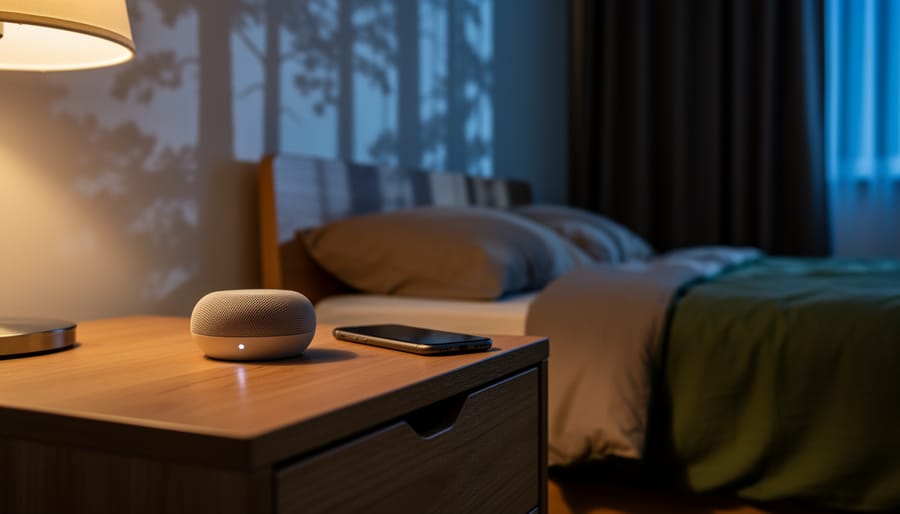
Woods Sounds That Actually Help You Sleep (And How to Bring Them Home)
Download a high-quality forest soundscape app and set your phone to airplane mode before playing it through a Bluetooth speaker on your nightstand. Choose recordings that feature gentle rainfall through tree canopies, soft wind rustling leaves, or distant owl calls rather than jarring sounds like cracking branches or heavy storms.
Position your speaker 6-8 feet from your bed at a 45-degree angle to create ambient sound without direct audio beams hitting your ears. Set the volume low enough that you can hear individual sounds but not so loud that it becomes distracting—typically around 30-40% of maximum volume works best for most sleepers.
Create a consistent bedtime routine by starting your woods sounds 20 minutes before you actually get into bed. This trains your brain to associate these natural soundscapes with sleep, making them more effective over time. Consider pairing this auditory element with other aspects of sensory design in your bedroom, like blackout curtains and breathable cotton sheets.
Test different forest environments to find your perfect match. Some people sleep better with dense woodland sounds featuring thick undergrowth and bird calls, while others prefer open forest atmospheres with minimal animal sounds and more wind movement. Track your sleep quality for one week with each type to identify which genuinely improves your rest rather than just sounding pleasant. Most smartphones have built-in sleep tracking features that can help you measure results objectively.
Why Woods Sounds Work Better Than Silence
Your brain responds differently to complete silence than you might expect. In total quiet, your mind often becomes hyperaware of every small sound—the hum of the refrigerator, a car passing outside, or your partner’s breathing. This heightened alertness makes falling asleep much harder.
Forest sounds solve this problem through a concept called sound masking. Unlike white noise machines that create artificial static, woods sounds provide masking unwanted noise with natural, varied patterns that your brain recognizes as non-threatening. The gentle rustling of leaves, distant bird calls, and soft wind through branches create an acoustic blanket that covers disruptive noises without demanding your attention.
The consistency of forest sounds also plays a crucial role. While nature recordings include variation, they maintain predictable patterns—no sudden loud crashes or jarring interruptions. This consistency signals safety to your nervous system, allowing your body to shift into rest mode. Research shows that natural sounds can lower heart rate and reduce cortisol levels, the stress hormone that keeps you awake.
Woods sounds trigger what scientists call the parasympathetic nervous system, your body’s relaxation response. When you hear these familiar nature patterns, your brain associates them with peaceful outdoor experiences, even if you’re lying in your bedroom. This psychological connection helps release tension and prepare your mind for sleep.
Creating this intentional soundscape in your home doesn’t require complex equipment. Simple solutions like Bluetooth speakers, smart home integrations, or dedicated sound machines can transform your bedroom into a forest retreat. The key is choosing sounds that feel personally calming and maintaining a comfortable, consistent volume throughout the night.
The Best Woods Sounds for Deep Sleep

Rainfall Through Forest Canopy
Rain falling through layers of leaves and branches creates one of nature’s most sophisticated white noise machines. The forest canopy acts as a natural sound diffuser, breaking heavy raindrops into countless smaller droplets that produce varied, gentle percussion. This layered effect masks disruptive noises more effectively than simple rain recordings because the sound frequencies shift constantly as water moves through different levels of foliage.
For light sleepers, this complexity works wonders. The unpredictable yet soothing pattern keeps your brain from latching onto specific sounds that might otherwise wake you. People dealing with racing thoughts find the rhythmic quality particularly helpful, as it provides just enough auditory interest to redirect mental chatter without becoming stimulating.
Setting this up at home is surprisingly simple. Many sleep apps offer specific “rain on leaves” or “forest rainfall” options that capture this filtered effect. Position a quality speaker at mid-height in your bedroom rather than on the floor to mimic how sound travels through tree canopies. Start at a volume that’s just audible from your pillow and adjust based on your comfort level throughout the week.
Gentle Wind Through Trees
The gentle rustling of leaves swaying in a soft breeze creates one of nature’s most soothing soundscapes. This subtle, rhythmic sound works beautifully for sleep because it lacks sudden changes in volume or pitch—your brain perceives it as safe background noise that won’t trigger alertness.
Wind through trees produces what sound experts call “pink noise,” which is slightly deeper than white noise and often feels more natural to our ears. This makes it particularly effective for masking disruptive sounds like traffic or neighbors without being distracting itself.
To bring this sound into your bedroom, start with a simple setup using a quality speaker or smart display placed on your nightstand. Most sleep sound apps offer multiple wind-through-trees options, so experiment with different recordings—some feature lighter breezes while others capture deeper, more robust wind sounds. You can even use smart home integration to automatically start your chosen sound at bedtime and gradually fade it out in the morning. For best results, keep the volume low enough that you can barely hear individual leaves rustling, creating a gentle acoustic blanket that helps you drift off naturally.
Nighttime Forest Ambience
The authentic sounds of nighttime woodland create an incredibly soothing backdrop for sleep. Cricket chirps form the foundation of evening forest ambience, their rhythmic patterns naturally slowing your mind as you drift off. These gentle insect sounds typically maintain a steady tempo that mimics calming breathing patterns, making them perfect for relaxation.
Distant owl hoots add depth without being jarring—the key is keeping them subtle and spaced out. You want soft, far-off calls rather than loud, close encounters. Think of them as gentle punctuation marks in your soundscape rather than the main event.
Layer in occasional rustling leaves, soft wind through branches, and the rare distant animal movement to complete the picture. A simple Bluetooth speaker placed strategically near your bed works wonderfully for playing these sounds. Many sleep apps let you customize the mix—try adjusting individual sound levels until you find your perfect balance. Start with cricket volume at about 60%, owls at 30%, and environmental rustles at 40%, then adjust based on your preference. The beauty of nighttime forest sounds is their consistency—no sudden changes to jar you awake.
Flowing Stream and Creek Sounds
The gentle babbling of a woodland stream creates one of nature’s most effective sleep soundscapes. Water flowing over rocks and pebbles produces a consistent white noise pattern that masks disruptive household sounds like traffic, appliances, or noisy neighbors. What makes creek sounds particularly powerful is their natural variation – the pitch and intensity shift subtly as water navigates different obstacles, preventing your brain from focusing on repetitive patterns that might actually keep you awake.
From a practical standpoint, stream sounds work beautifully in bedrooms because they’re inherently continuous. Unlike bird calls or rustling leaves that start and stop, flowing water maintains a steady presence throughout the night. This consistency helps your mind stay in deeper sleep stages without sudden audio interruptions.
Setting up stream sounds in your bedroom is remarkably simple. Smart speakers like Amazon Echo or Google Home offer high-quality woodland stream recordings through voice commands. For a DIY approach, download nature sound apps on your smartphone and connect to a Bluetooth speaker positioned about 3-5 feet from your bed. Many sleepers find that combining stream sounds with a cool-mist humidifier enhances the experience, adding both auditory and atmospheric benefits to your sleep environment.

How to Integrate Woods Sounds Into Your Bedroom
Digital Solutions: Apps and Smart Speakers
Your smartphone and smart speaker can transform into sophisticated sleep sound systems with just a few taps. Modern technology makes accessing high-quality woods sounds easier and more affordable than ever before.
Start with free options like the Insight Timer app, which offers extensive forest soundscapes, or try White Noise Lite for customizable nature mixes. For more advanced features, consider these popular solutions:
- Calm app: Curated forest scenes with rain and wildlife, includes sleep stories
- myNoise.io: Highly customizable woods sounds with individual volume sliders for each element
- Amazon Echo devices: Built-in sleep sounds plus thousands of free Alexa skills
- Google Nest speakers: Voice-activated nature sounds with timer functions
- Sleep Sounds by Sleep Pillow: Over 100 forest combinations with fade-out timers
Smart speakers shine for bedtime routines since you can control them hands-free. Simply say “Alexa, play forest sounds for one hour” or “Hey Google, play rain in the woods,” and your sleep soundtrack begins. Most apps also integrate with smart home systems, letting you create automated routines that dim lights while starting your chosen woods sounds. The best part? Many premium apps cost less than a single coffee per month, making quality sleep accessible without breaking your budget.
Dedicated Sound Machines
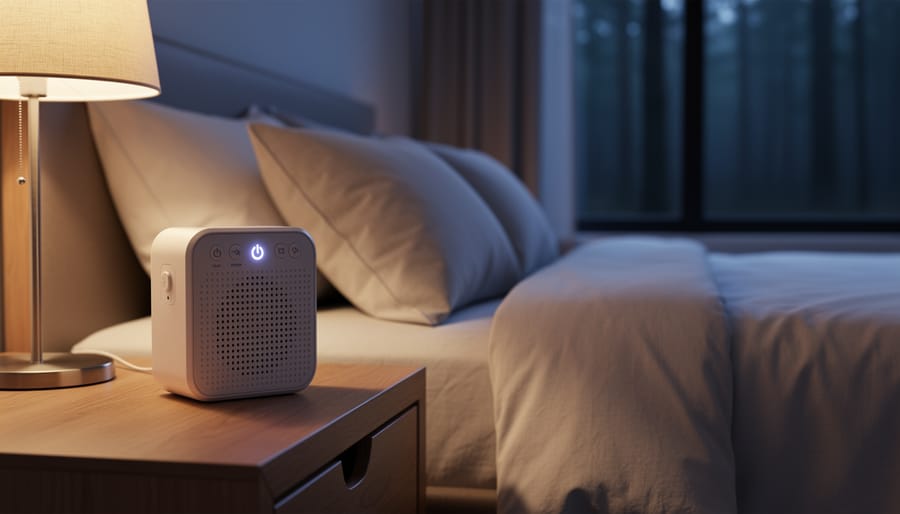
If you prefer a simple, no-fuss approach, dedicated sound machines offer an excellent solution for bringing woods sounds into your bedroom. These standalone devices are specifically designed to produce high-quality nature sounds without requiring smartphones, tablets, or Wi-Fi connections.
The main advantage of sound machines is their reliability. Once you set your preferred forest sound, they’ll work consistently night after night without software updates, notifications, or battery concerns. Many models include features like timers, adjustable volume controls, and multiple sound options ranging from gentle rainfall to chirping birds and rustling leaves.
When shopping for a sound machine, look for devices with actual recorded nature sounds rather than looped digital approximations. The best machines offer longer sound loops (at least 30 minutes) to prevent noticeable repetition that might disturb your sleep. Consider models with fade-out timers if you prefer silence once you’ve drifted off.
Placement matters too. Position your sound machine about 3-6 feet from your bed for optimal sound distribution without overwhelming volume. Most quality units range from $30 to $100, making them a worthwhile investment for better sleep quality. They’re particularly ideal for travel since they’re compact and don’t rely on internet connectivity.
DIY Soundscaping Setup
Creating your own woodland soundscape system doesn’t require expensive equipment or complicated setups. With a few affordable items and the right approach, you can transform your bedroom into a peaceful forest retreat.
Here’s how to build your custom woods sound system:
- Choose your playback device. A smartphone, tablet, or inexpensive Bluetooth speaker works perfectly. Look for speakers with at least 8-hour battery life or keep them plugged in overnight.
- Select your sound source. Free apps like myNoise, Atmosphere, or YouTube channels dedicated to nature sounds offer extensive forest soundscape libraries. Download your favorites for offline playback to avoid interruptions.
- Position your speaker strategically. Place it 3-5 feet from your bed at ear level when lying down. Corner placement can enhance sound distribution throughout the room.
- Set appropriate volume levels. Your woods sounds should be audible but not distracting—aim for about 50-60 decibels, roughly the volume of a quiet conversation.
- Create a playlist or loop. Most apps allow you to loop sounds continuously or set sleep timers. Start with 30-minute sessions and gradually extend as you become accustomed to sleeping with background sounds.
For an enhanced experience, consider adding a second speaker on the opposite side of your room to create an immersive surround-sound effect. This mimics the natural way forest sounds come from multiple directions, making the experience more authentic and relaxing. Test different forest soundscapes during your first week to find what resonates best with your sleep patterns.
Placement and Volume Tips for Maximum Effect
Getting the placement and volume right can make or break your woodland sleep soundtrack. For the best results, position your speaker or sound machine about 3-5 feet away from your bed—close enough to hear clearly, but not so close that it becomes the focal point of your attention. Placing it on a nightstand at ear level when you’re lying down creates an immersive effect without overwhelming your senses.
If you’re using a smartphone or tablet, avoid keeping it directly on your nightstand where the screen light might disturb you. Instead, place it across the room on a dresser or shelf, enabling airplane mode to prevent notifications from interrupting your rest.
For volume, start lower than you think you need. The ideal level should mask disruptive noises like traffic or a snoring partner without making it difficult to hear someone calling your name from another room. A good rule of thumb: you should hear the sounds clearly but not feel like you’re camping in an actual forest. For smaller bedrooms (under 150 square feet), keep volume at about 30-40% of your device’s maximum. Larger rooms may need 40-50%.
Consider room acoustics too. Carpeted rooms with soft furnishings absorb sound, so you might need slightly higher volumes. Hardwood floors and minimal decor can make sounds echo, requiring lower settings. Experiment for 2-3 nights to find your sweet spot, adjusting based on how refreshed you feel each morning.
Common Mistakes to Avoid
Even the most soothing woods sounds can backfire if you’re not careful about how you use them. One of the biggest mistakes is choosing recordings with sudden variations, like abrupt bird calls or unexpected branch cracks. These jarring sounds can actually startle you awake rather than lull you to sleep. Stick with consistent, gentle soundscapes that maintain a steady rhythm throughout the night.
Volume matters more than you might think. Playing your woods sounds too loudly defeats the purpose entirely and can damage your hearing over time. Aim for a barely-there volume level that you notice when you focus on it but fades into the background as you relax. Think of it as creating ambiance, not hosting a forest concert.
Speaker placement is another common oversight. Don’t position speakers directly next to your head or facing your pillow. Instead, place them across the room or behind you to create a more natural, immersive experience. Poor placement can create harsh, unnatural sound that feels intrusive rather than calming.
Finally, don’t settle for low-quality audio files or free apps with obvious loops and compression artifacts. These choppy, repetitive sounds become noticeable quickly and will pull you out of your restful state. Invest in high-quality recordings that offer seamless playback for a genuinely restorative night’s sleep.
Creating a peaceful sleep environment with woods sounds is one of the most accessible home improvements you can make today. Unlike major renovations or expensive furnishings, quality soundscaping requires minimal investment and can be implemented in just minutes. The beauty of forest sounds lies in their versatility—what soothes one person might differ from another, so don’t hesitate to experiment with various combinations of rainfall, wind through leaves, or gentle stream sounds until you discover your perfect mix.
Start simple with a smartphone app or streaming service, then adjust based on your experience. Pay attention to volume levels, sound quality, and which specific woods sounds help you fall asleep fastest. You might find that soft rustling leaves work better on stressful nights, while distant thunderstorms provide the perfect backdrop on quiet evenings.
Remember, better sleep doesn’t always require dramatic changes. Sometimes the solution is as straightforward as bringing nature’s most calming sounds into your bedroom. Whether you’re a DIY enthusiast looking for quick wins or someone exploring holistic approaches to home wellness, woods sounds offer an evidence-based, budget-friendly path to more restful nights and energized mornings.