
Poor Indoor Air Quality Is Silently Harming Your Family (Here’s What to Do)
Every breath you take directly impacts your health, with indoor air quality often being 2-5 times worse than outdoor air. The invisible threat of poor air quality silently affects millions of Americans, contributing to respiratory issues, allergies, and long-term health complications. From microscopic dust particles to volatile organic compounds lurking in everyday household items, the air in our homes can harbor numerous pollutants that compromise our wellbeing.
But here’s the empowering news: you have more control over your indoor air quality than you might think. Modern solutions, from simple ventilation strategies to smart air purification systems, can dramatically improve the air you and your family breathe. Understanding the connection between air quality and health isn’t just about awareness—it’s about taking practical steps to create a healthier living environment.
Recent studies show that improving indoor air quality can reduce respiratory symptoms by up to 70% while boosting cognitive function and productivity. Whether you’re dealing with seasonal allergies, concerned about urban pollution, or simply want to optimize your home’s environment, the quality of your indoor air plays a crucial role in your family’s overall health and wellness.
This comprehensive guide will explore how air quality affects your health and, more importantly, what you can do about it right now.
Common Indoor Air Pollutants Hiding in Your Home
Hidden Sources of Indoor Air Pollution
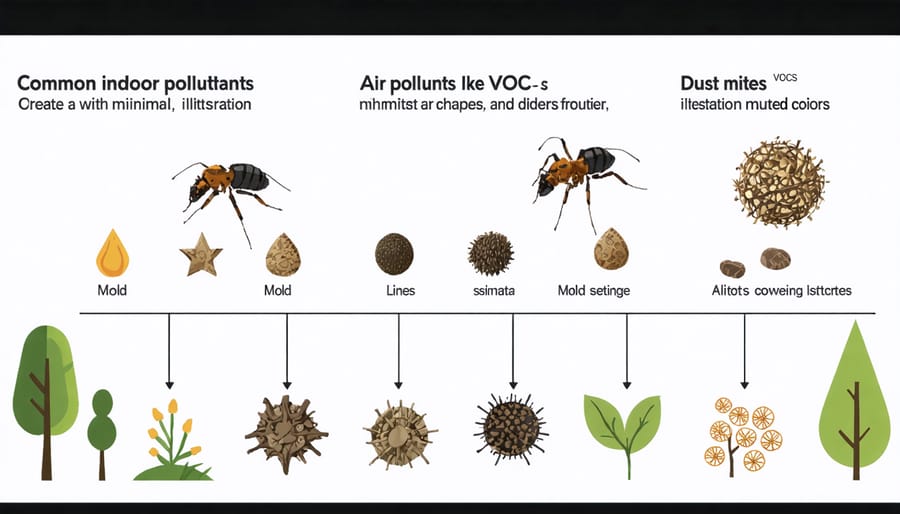
Many seemingly harmless household items and activities can significantly impact your indoor air quality. Your favorite scented candles and air fresheners, while creating a pleasant atmosphere, release volatile organic compounds (VOCs) into the air. Common cleaning products, especially those containing ammonia or bleach, emit strong fumes that can irritate your respiratory system.
Even your furniture can be a culprit. New cabinets, carpets, and pressed wood furniture often off-gas formaldehyde and other chemicals, particularly during the first few months after installation. Paint, though less toxic than in the past, still releases VOCs during and after application. Your gas stove, when not properly ventilated, can release concerning levels of nitrogen dioxide and carbon monoxide.
Daily activities like cooking, especially frying or burning food, create particulate matter that can linger in your air. Craft projects involving adhesives, paints, or solvents introduce additional pollutants. Even your shower can be a source of contamination if you have chlorinated water, as hot water releases chlorine into the air.
Pet dander, dust mites in bedding, and mold growing in humid areas are biological pollutants that often go unnoticed. Surprisingly, even your printer can contribute to poor air quality by releasing tiny particles during operation. Being aware of these hidden sources is the first step toward creating a healthier indoor environment.
Seasonal Air Quality Challenges
Each season brings unique challenges to maintaining healthy indoor air quality. During spring, pollen counts soar, making it essential to keep windows closed during peak hours and regularly clean or replace HVAC filters. Allergens can easily make their way indoors through open windows, on clothing, or via pets, affecting those with seasonal allergies.
Summer months often bring increased humidity, creating perfect conditions for mold and mildew growth. Running dehumidifiers and ensuring proper ventilation becomes crucial during this time. Additionally, summer’s high temperatures can trap air pollutants closer to the ground, making indoor air quality management even more important.
Fall introduces falling leaves and increased moisture, which can lead to decomposing organic matter and rising mold spores. This season also marks the start of spending more time indoors, making proper ventilation essential. Regular cleaning of gutters and maintaining proper drainage around your home helps prevent moisture-related air quality issues.
Winter poses perhaps the biggest challenge as closed windows and heated air create the perfect environment for trapping indoor pollutants. The lack of fresh air circulation combined with potential issues from heating systems (like dust from furnaces or particulate matter from fireplaces) can significantly impact indoor air quality. Using air purifiers and maintaining healthy humidity levels becomes especially important during these colder months.
To maintain good air quality year-round, adjust your maintenance routine according to seasonal challenges and keep HVAC systems well-maintained throughout the year.
Health Impacts of Poor Indoor Air
Immediate Health Effects
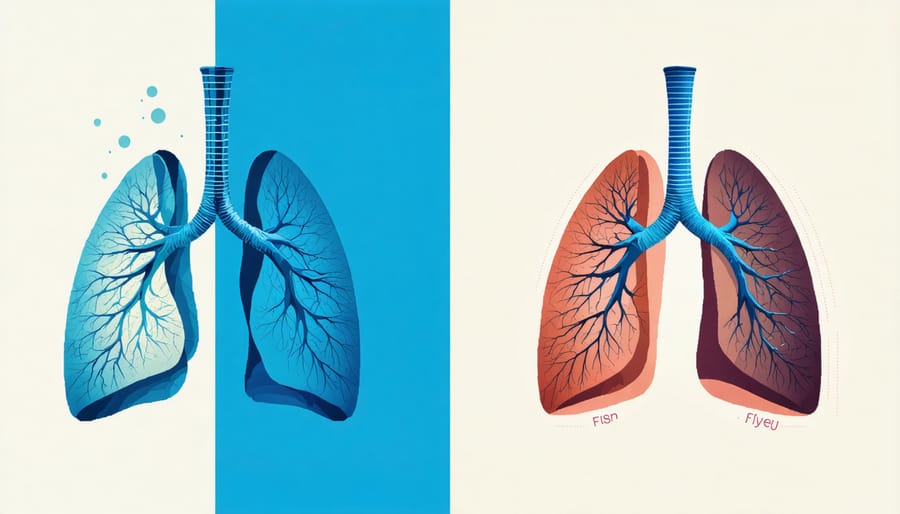
Poor air quality can trigger a range of immediate health effects that you might notice within hours or even minutes of exposure. If you’ve ever experienced a scratchy throat or watery eyes on a particularly smoggy day, you’re already familiar with some of these effects.
Common immediate reactions include irritation of the eyes, nose, and throat, which can feel similar to seasonal allergies. You might experience coughing, wheezing, or difficulty breathing, especially during physical activity. Headaches are another frequent complaint, often accompanied by dizziness and fatigue.
For people with pre-existing conditions like asthma or heart disease, the effects can be more severe. They might experience chest pain, increased respiratory problems, and reduced lung function. Even healthy individuals can feel short of breath or notice their heart rate increasing when exposed to polluted air.
Indoor air quality issues can cause similar symptoms, particularly in spaces with poor ventilation. You might notice that family members are experiencing more frequent headaches, unusual tiredness, or respiratory discomfort. These symptoms often improve when leaving the affected area, which is a clear indicator that air quality might be the culprit.
Children, elderly individuals, and pregnant women are especially vulnerable to these immediate effects. They might show symptoms at lower pollution levels than the general population. If you notice any of these symptoms, particularly in vulnerable family members, it’s important to take immediate action to improve your air quality and seek medical attention if symptoms persist.
Long-term Health Consequences
Poor air quality doesn’t just cause immediate discomfort – it can lead to serious long-term health issues that develop gradually over time. Extended exposure to polluted indoor air has been linked to the development of chronic respiratory conditions, including asthma, bronchitis, and even lung cancer. Children who grow up in homes with poor air quality are particularly vulnerable, showing higher rates of respiratory issues and reduced lung development.
Cardiovascular health also takes a significant hit from long-term exposure to air pollutants. Studies have shown that people living in areas with consistently poor air quality face an increased risk of heart disease, high blood pressure, and stroke. These risks are especially concerning for elderly individuals and those with pre-existing health conditions.
The effects extend beyond just physical health. Recent research has revealed connections between poor air quality and cognitive decline. Extended exposure to air pollutants may contribute to decreased mental performance, memory issues, and even an increased risk of developing neurological conditions later in life.
For pregnant women, poor air quality can impact fetal development, potentially leading to lower birth weights and developmental challenges. The immune system also becomes compromised with prolonged exposure to polluted air, making individuals more susceptible to infections and allergies.
What’s particularly concerning is that these health impacts often develop silently over years of exposure, making them harder to identify and address. This is why maintaining good indoor air quality isn’t just about immediate comfort – it’s an investment in your family’s long-term health and well-being.
Smart Solutions for Better Air Quality
Quick DIY Improvements
Improving your home’s air quality doesn’t have to be complicated or expensive. Start by establishing a regular cleaning routine that includes vacuuming with HEPA filters and dusting with microfiber cloths to capture more particles. Open windows for 15-20 minutes daily to promote air circulation, especially during cooking or after using cleaning products.
Consider adding air-purifying houseplants like spider plants, peace lilies, or snake plants to naturally filter indoor air. Place them strategically in areas where you spend the most time. When creating a comfortable home environment, remember to check and clean your HVAC filters monthly, or replace them every 90 days.
Make it a habit to remove shoes at the entrance to prevent tracking in outdoor pollutants. Set up a dedicated shoe storage area and provide indoor slippers for family and guests. Use natural cleaning products or make your own with vinegar, baking soda, and essential oils to avoid harsh chemicals.
Control humidity levels by running bathroom fans during showers and kitchen exhaust fans while cooking. Place doormats at all entrances, and consider adding portable dehumidifiers in damp areas like basements. Keep indoor humidity between 30-50% to discourage mold growth.
Regularly inspect windows and doors for drafts, and seal any gaps with weather stripping or caulk. Place activated charcoal bags around your home to absorb odors and harmful VOCs naturally. These simple steps can significantly improve your indoor air quality with minimal investment and effort.
Technology and Equipment Solutions
Modern technology offers numerous solutions for maintaining healthy indoor air quality. Air purifiers have evolved significantly, now featuring HEPA filters that capture up to 99.97% of airborne particles, including dust, pollen, and pet dander. These devices come in various sizes and configurations, making it easy to find one that suits your space and needs.
Smart air quality monitors have become increasingly popular, providing real-time data about indoor air conditions. These devices measure multiple pollutants, including VOCs, particulate matter, and CO2 levels, giving you instant feedback through smartphone apps. When integrated with smart home air quality solutions, these monitors can automatically trigger air purifiers or ventilation systems when air quality drops below acceptable levels.
Many homeowners are combining technological solutions with natural approaches, such as incorporating indoor plants and installing automated ventilation systems. Smart thermostats with humidity control features help maintain optimal moisture levels, while UV-C light systems installed in HVAC units can help eliminate airborne pathogens.
For those interested in a comprehensive approach, whole-house air filtration systems offer the most thorough solution. These systems integrate with your existing HVAC setup and can be controlled through smart home interfaces. While more expensive initially, they provide consistent air quality throughout your entire home and typically require less maintenance than portable units.
Regular maintenance and filter replacement remain crucial for any air quality equipment. Many modern devices now include maintenance reminders and filter life indicators, making it easier to keep your air quality solutions working at peak efficiency.

Natural Ventilation Strategies
Improving your home’s air quality doesn’t always require expensive equipment. By strategically implementing natural ventilation techniques, you can enhance air circulation and create a healthier living environment. Start by identifying your home’s natural airflow patterns and positioning windows and doors to maximize cross-ventilation. Opening windows on opposite sides of your home creates a natural breeze that helps remove stale air and brings in fresh oxygen.
Consider installing window screens to keep insects out while maintaining airflow. Strategic placement of natural elements in your home, such as indoor plants, can also improve air quality while adding aesthetic appeal. Create wind tunnels by keeping interior doors open and removing obstacles that might block airflow between rooms.
During cooler months, take advantage of the stack effect by opening upper-floor windows slightly while keeping ground-floor windows closed. This creates upward air movement that naturally ventilates your space. In summer, use night cooling by opening windows during cooler evening hours and closing them before temperatures rise in the morning.
Remember to consider your local climate and surroundings when planning ventilation strategies. Urban areas might require additional filtering solutions, while rural locations may allow for more direct outdoor air exchange. Regular maintenance of window screens and removal of any outdoor obstacles that block natural airflow will help ensure these strategies remain effective year-round.
The impact of air quality on our health cannot be overstated, and the evidence we’ve explored makes it clear that taking action isn’t just important – it’s essential. Poor air quality affects everything from our daily comfort to our long-term health, potentially leading to respiratory issues, allergies, and more serious conditions. The good news is that we have numerous practical solutions at our fingertips.
By implementing simple changes like regular HVAC maintenance, using air purifiers, and maintaining proper ventilation, we can significantly improve our indoor air quality. Smart home technology makes it easier than ever to monitor and manage air quality, giving us real-time insights and automated solutions for cleaner air.
Don’t wait for air quality issues to become health problems. Start with basic steps like checking your air filters monthly, scheduling regular HVAC maintenance, and considering the addition of air-purifying plants to your space. Remember that even small improvements can make a big difference in your home’s air quality and your family’s health.
Take action today by assessing your current air quality situation and implementing at least one improvement measure. Whether it’s upgrading your air filters, installing a smart air quality monitor, or simply opening windows more regularly for natural ventilation, every step counts toward creating a healthier living environment for you and your loved ones.