Beautiful Floors That Love the Planet (And Your Wallet)
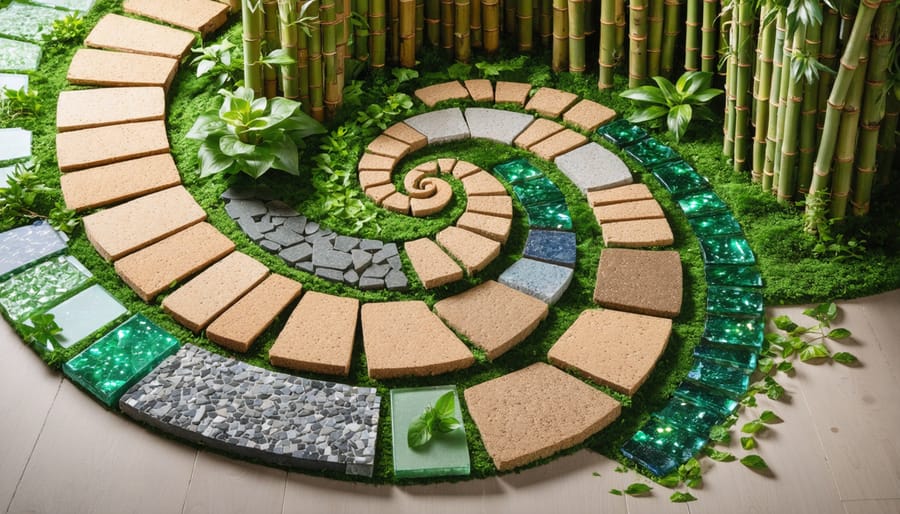
Transform your living space with sustainable flooring options that combine style, durability, and environmental responsibility. Today’s eco-friendly floors deliver exceptional performance while reducing your carbon footprint and creating healthier indoor environments. From reclaimed hardwood that tells a story through its preserved grain patterns to innovative bamboo that regenerates in just five years, conscious flooring choices make a lasting impact on both your home and the planet.
Modern green flooring technologies have revolutionized traditional materials, offering solutions that match any design preference or budget. Cork floors provide natural sound insulation and joint-friendly cushioning, while recycled glass tiles create stunning visual effects that rival their conventional counterparts. These materials not only minimize environmental impact but often outperform traditional options in durability and maintenance requirements.
Best of all, choosing eco-friendly flooring no longer means compromising on style or breaking the bank. With options ranging from budget-friendly recycled materials to premium certified-sustainable hardwoods, every homeowner can find the perfect balance of sustainability, functionality, and aesthetic appeal.
Natural and Renewable Flooring Materials
Bamboo: The Fast-Growing Champion
Bamboo flooring has earned its reputation as a sustainable superstar in the eco-friendly flooring world, growing up to 20 times faster than traditional hardwood trees. This renewable resource reaches maturity in just 3-5 years, making it an environmentally conscious choice for modern homes.
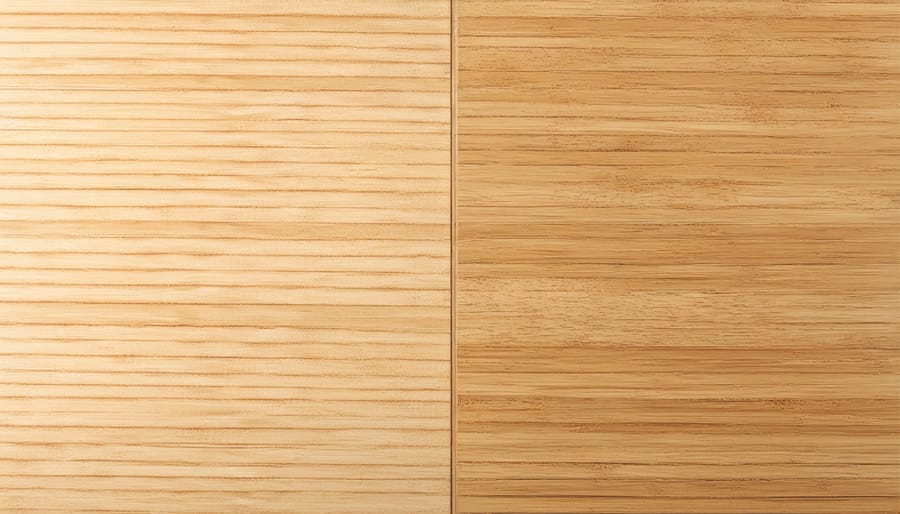
Available in both solid and engineered formats, bamboo flooring offers impressive versatility in terms of style and color. From natural blonde tones to rich caramel hues achieved through carbonization, bamboo can complement any interior design scheme. The strand-woven variety, created by compressing bamboo fibers under extreme pressure, delivers exceptional durability that can surpass traditional hardwood.
What makes bamboo particularly appealing is its resilience to moisture and resistance to warping, though it’s still important to clean up spills promptly. Its natural antimicrobial properties make it an excellent choice for allergy-prone households. Installation is straightforward, with most bamboo flooring featuring user-friendly click-lock systems that experienced DIYers can handle.
When sourcing bamboo flooring, look for products certified by the Forest Stewardship Council (FSC) to ensure responsible harvesting practices and manufacturing processes.
Cork: Nature’s Cushion
Cork flooring offers a unique combination of comfort and sustainability, harvested from the bark of cork oak trees without harming them. This renewable resource naturally regenerates every 9-12 years, making it an environmentally conscious choice for eco-minded homeowners.
Walking on cork feels like stepping on a natural cushion, thanks to its cellular structure that provides excellent shock absorption. This springy quality makes it particularly appealing for kitchens and other areas where you spend long periods standing. It’s also naturally warm underfoot and provides effective sound insulation, perfect for upper-floor installations or multi-story homes.
Cork’s environmental benefits extend beyond its renewable nature. The material is naturally antimicrobial and resistant to mold, making it an excellent choice for allergy sufferers. Maintenance is straightforward – regular sweeping and occasional damp mopping with mild soap will keep your cork floors looking fresh for years.
While cork can be susceptible to scratches and fading in direct sunlight, modern finishing techniques have greatly improved its durability. With proper care and periodic resealing every few years, cork flooring can last 20-30 years.
Reclaimed Wood: History Underfoot
Reclaimed wood flooring tells a unique story while helping preserve our forests. Sourced from old barns, factories, and historic buildings, these timbers bring character and history into your home. Each plank features distinct wear patterns, nail holes, and natural patina that can’t be replicated by new materials. Beyond their rustic charm, reclaimed wood floors are an environmentally conscious choice, reducing the demand for fresh lumber and keeping valuable materials out of landfills. The wood’s age typically means it’s more stable and durable than newer options, having already gone through decades of natural settling. While installation costs may be higher than traditional hardwood, the environmental impact and unique aesthetic make it a compelling choice for eco-conscious homeowners seeking character in their spaces.
Recycled and Upcycled Options
Glass Tile Innovation
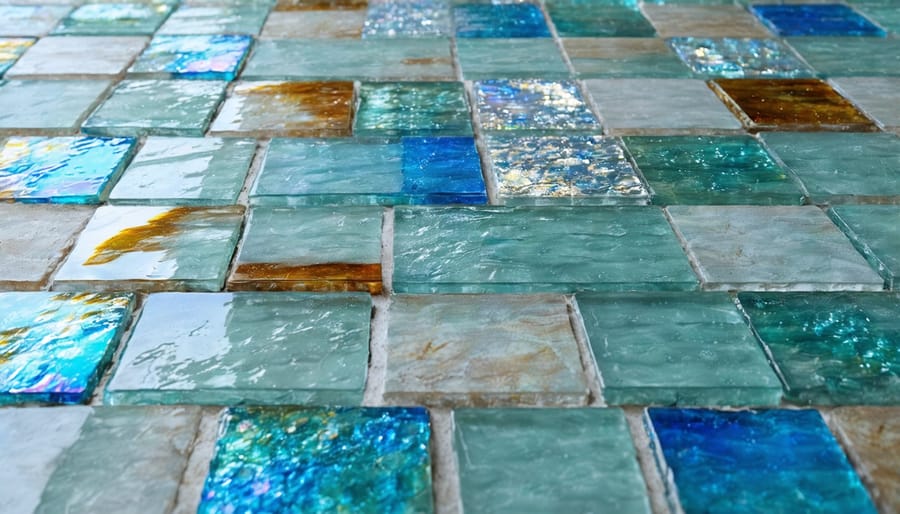
Recycled glass tiles represent one of the most innovative and visually striking eco-friendly flooring options available today. These stunning tiles are created by melting down post-consumer glass products, such as bottles and windows, and transforming them into durable, decorative floor tiles that catch and reflect light beautifully.
What makes glass tile flooring particularly special is its unique combination of sustainability and luxury. Each tile contains up to 100% recycled materials, helping to reduce landfill waste while creating a sophisticated flooring solution. The manufacturing process requires less energy than traditional ceramic tile production, further reducing its environmental impact.
Glass tiles offer exceptional durability and are resistant to stains, moisture, and mold, making them perfect for bathrooms, kitchens, and other high-moisture areas. They’re available in an endless array of colors, patterns, and finishes, from frosted to iridescent, allowing homeowners to create truly unique designs.
Installation requires professional expertise due to the material’s specific handling requirements, but the results are worth the investment. While glass tiles typically cost more than traditional options upfront, their longevity and low maintenance needs make them cost-effective over time. They’re easy to clean with regular glass cleaner and don’t require special sealants or treatments.
For those seeking to make a bold environmental statement while elevating their home’s aesthetic, recycled glass tiles offer an elegant solution that combines eco-consciousness with sophisticated design.
Rubber Flooring Renaissance
Recycled rubber flooring has emerged as an innovative and sustainable solution that transforms discarded tires into durable, attractive flooring options. This versatile material offers a perfect blend of eco-consciousness and practicality, particularly in high-traffic areas like home gyms, playrooms, and commercial spaces.
The benefits of rubber flooring extend far beyond its environmental impact. Its natural shock-absorbing properties make it ideal for reducing joint stress and minimizing injury risks from falls, making it particularly popular in children’s areas and fitness spaces. The material also excels in sound dampening, making it an excellent choice for multi-story buildings or music rooms.
Installation is remarkably straightforward, with options ranging from interlocking tiles to roll-out sheets that can be easily cut to size. Many modern rubber flooring products come in an array of colors and patterns, dispelling the misconception that recycled materials can’t be aesthetically pleasing.
Maintenance is a breeze – regular sweeping and occasional mopping with mild soap are usually sufficient to keep the flooring looking fresh. The material’s natural resistance to moisture and bacteria makes it an excellent choice for basements or areas prone to humidity.
From a cost perspective, rubber flooring offers exceptional value, considering its longevity and minimal maintenance requirements. While initial costs might be higher than some traditional options, the durability and low maintenance needs often result in significant long-term savings.
Smart Installation and Maintenance
Low-VOC Adhesives and Finishes
When installing your eco-friendly flooring, it’s crucial to consider the adhesives and finishes you’ll use, as these products can significantly impact indoor air quality and environmental health. Traditional adhesives and finishes often contain high levels of volatile organic compounds (VOCs), which can release harmful chemicals into your home for years after installation.
Fortunately, there’s a growing selection of eco-friendly finishes and adhesives that offer excellent performance while maintaining environmental responsibility. These low-VOC alternatives use water-based formulas or natural ingredients like soy and plant-based resins, significantly reducing toxic emissions.
When selecting installation products, look for certifications like GREENGUARD Gold or FloorScore, which indicate strict testing for chemical emissions. Many manufacturers now offer zero-VOC options that are completely free of harmful compounds while providing the same durability and bond strength as traditional products.
For hardwood flooring, water-based polyurethane finishes offer excellent protection without the harsh fumes associated with oil-based alternatives. If you’re installing cork or bamboo, many manufacturers produce specially formulated adhesives that are both environmentally friendly and designed to work perfectly with these sustainable materials.
Remember to properly ventilate your space during and after installation, even when using low-VOC products. While these safer alternatives dramatically reduce harmful emissions, maintaining good air circulation helps ensure optimal curing and a healthy indoor environment. Most low-VOC products are also easier to clean up and work with, making them ideal for DIY installations.
Green Cleaning Solutions
Maintaining your eco-friendly flooring doesn’t mean compromising on cleanliness or resorting to harsh chemicals. Start with the basics: sweep or vacuum regularly to prevent dirt buildup and reduce the need for intensive cleaning. For everyday cleaning, warm water and a microfiber mop often do the trick, especially on bamboo, cork, and hardwood surfaces.
Create your own natural cleaning solutions using common household ingredients. Mix equal parts white vinegar and water for an effective all-purpose cleaner that’s safe for most flooring types. Add a few drops of lemon essential oil to combat odors naturally. For tougher stains, make a paste using baking soda and water, applying it gently with a soft cloth.
For cork and bamboo floors, avoid excessive water exposure. Instead, use a lightly damp mop and dry immediately with a clean cloth. Natural stone and concrete floors respond well to a mixture of castile soap and warm water, which cleans effectively without leaving residue or damaging the surface.
Keep these eco-friendly cleaning tools handy:
– Microfiber mops and cloths (washable and reusable)
– Natural bristle brooms
– Plant-based cleaning solutions
– Spray bottles for homemade cleaners
– Biodegradable scrub brushes
Remember to test any new cleaning solution on a small, inconspicuous area first. For commercial spaces or heavily trafficked areas, consider using certified green cleaning products specifically formulated for your flooring type. These products combine effective cleaning power with environmental responsibility, ensuring your floors stay beautiful while keeping your indoor air quality healthy.
Cost Considerations and ROI
When considering eco-friendly flooring options, it’s essential to look beyond the initial price tag and understand the long-term cost benefits. While sustainable flooring materials often come with a higher upfront investment, they typically offer superior durability and longevity, resulting in significant savings over time.
For example, bamboo flooring might cost 20-30% more than traditional hardwood initially, but its rapid growth cycle and natural resistance to moisture make it a cost-effective choice that can last decades with proper maintenance. Cork flooring, while priced similarly to quality hardwood, offers excellent insulation properties that can reduce energy bills by up to 10-15% annually.
Recycled materials like glass tiles or reclaimed wood can vary widely in price, from budget-friendly to premium options. The advantage here lies in their unique character and durability, often outlasting conventional alternatives. Many eco-friendly options also come with impressive warranties, some extending up to 25 years or more.
Consider these financial factors when calculating ROI:
– Energy efficiency improvements
– Reduced maintenance costs
– Increased property value
– Potential tax incentives or green building credits
– Lower replacement frequency
– Health benefits from fewer toxic materials
Many homeowners report recovering their initial investment within 5-7 years through reduced maintenance costs and energy savings. Additionally, properties with sustainable features often command higher resale values, with some studies showing premiums of 2-8% over conventional homes.
Remember that pricing can vary significantly by region and supplier. It’s worth getting multiple quotes and asking about volume discounts for larger projects. Many manufacturers also offer financing options specifically for eco-friendly home improvements, making the initial investment more manageable.
Choosing eco-friendly flooring is more than just a trend – it’s a meaningful step toward creating a more sustainable home environment. Throughout this guide, we’ve explored various sustainable options that combine environmental responsibility with style and durability. From the timeless appeal of bamboo and cork to innovative recycled materials and reclaimed wood, there’s an eco-conscious flooring solution for every taste and budget.
Remember that sustainable flooring choices contribute to a broader spectrum of eco-friendly home features that can enhance your property’s value while reducing its environmental impact. By selecting materials that are renewable, recyclable, or responsibly sourced, you’re not only creating a healthier living space but also supporting sustainable manufacturing practices.
Whether you’re renovating a single room or planning a whole-house upgrade, consider the long-term benefits of eco-friendly flooring: improved indoor air quality, reduced environmental impact, and potential energy savings. Many of these options require minimal maintenance and offer exceptional longevity, making them cost-effective choices in the long run.
Take the first step toward sustainable living by choosing one of these environmentally conscious flooring options. Your choice today will contribute to a greener tomorrow while creating a beautiful, comfortable space for years to come.