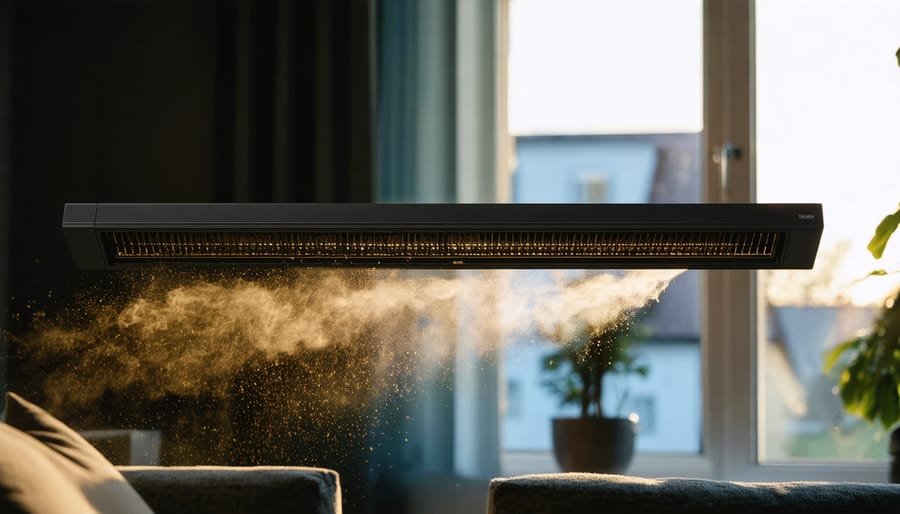
Why Your Heating System Could Be Secretly Destroying Your Indoor Air Quality
Check your heating system’s air filter monthly during winter and replace it every 1-3 months to prevent dust, allergens, and pollutants from recirculating through your home. When furnaces, heat pumps, or space heaters run continuously in sealed environments, they can dramatically worsen indoor air quality by spreading contaminants, reducing humidity levels, and—in some cases—introducing carbon monoxide.
Schedule annual professional maintenance to ensure combustion-based systems vent properly and operate efficiently, preventing dangerous gas leaks and incomplete burning that creates harmful particulates. Invest in a quality air purifier with HEPA filtration for rooms where you spend the most time, particularly bedrooms, to capture particles your heating system might be circulating.
Maintain indoor humidity between 30-50% using a humidifier, as heating systems dry out air, which irritates respiratory passages and allows airborne viruses to thrive. Monitor your home for warning signs like persistent stuffiness, increased allergy symptoms, visible dust accumulation around vents, or condensation on windows—these indicate your heating system is compromising your air quality and needs immediate attention.
How Your Heating System Affects the Air You Breathe
The Hidden Circulation Problem
Your heating system does more than just warm the air—it creates circulation patterns throughout your home that can either help or harm your indoor air quality. Think of it like invisible highways that carry everything floating in your air, from dust particles to pet dander and even harmful pollutants.
When your furnace or heat pump kicks on, it pulls air through return vents, heats it, and pushes it back out through supply vents. This constant movement should be refreshing your air, but here’s the catch: if your system isn’t properly maintained or balanced, it can actually trap pollutants in certain rooms or recirculate them endlessly. Dead zones with poor airflow become breeding grounds for stale air and allergens.
Forced-air systems are particularly notorious for stirring up settled dust every time they cycle on. Meanwhile, ductwork leaks can pull in contaminants from attics, crawl spaces, or even wall cavities—places you definitely don’t want to be breathing from. Understanding these circulation patterns is your first step toward taking control of your indoor air quality.
Humidity and Dry Air Challenges
When you crank up the heat during those chilly winter months, you’re doing more than just warming your home—you’re also drying out the air inside. Here’s why that matters: heating systems don’t add moisture to the air; they simply warm what’s already there. As air temperature rises, its capacity to hold moisture increases, but the actual amount of water vapor stays the same. The result? Relative humidity drops, often falling well below the comfortable 30-50% range that experts recommend.
This dry air isn’t just uncomfortable—it can genuinely affect your health and home. Low humidity levels lead to dry, itchy skin and irritated nasal passages, making you more susceptible to colds and respiratory infections. You might notice increased static electricity, cracked woodwork, or gaps in your hardwood floors. Your houseplants may struggle, and even your furniture can suffer damage over time.
The problem intensifies because we seal our homes tightly during winter to conserve energy, trapping that dry air inside with limited fresh air exchange. This creates a perfect storm for indoor air quality issues.
The good news? You can tackle this challenge with simple solutions. Consider adding a humidifier to your heating system or using standalone units in key rooms. Indoor plants naturally release moisture, and even placing water bowls near heat sources helps. Monitor humidity levels with an inexpensive hygrometer to maintain that sweet spot for optimal comfort and health.
Common Heating Systems and Their Air Quality Impact
Forced Air Systems: The Double-Edged Sword
Forced air systems are probably the most common heating setup in modern homes, and they can be your best friend or worst enemy when it comes to air quality. Here’s the reality: these systems are constantly circulating air throughout your home, which means they’re either distributing clean, filtered air or spreading dust, allergens, and pollutants into every room.
The good news? A well-maintained forced air system with quality filters can actually improve your indoor air quality by continuously removing particles from circulation. Change your filters every 1-3 months (more often if you have pets), and consider upgrading to PLEATED or HEPA filters for better particle capture.
The bad news? Neglected systems become pollution distributors. Dirty ducts, clogged filters, and accumulated debris create a perfect storm for poor air quality. That musty smell when your heat kicks on? That’s your system telling you it needs attention.
**Quick DIY maintenance tip:** Set phone reminders for filter changes, and visually inspect your vents monthly. If you see dust buildup around registers, it’s time for a thorough duct cleaning—a manageable DIY project or affordable professional service that makes a dramatic difference.
Radiant and Electric Heating
Radiant floor heating and electric baseboard systems take a different approach to warming your home—and that’s good news for air quality. Unlike forced-air systems, these heating methods don’t blow air around your space, which means they’re not circulating dust, pet dander, or allergens throughout your home. This makes them excellent choices if you’re sensitive to airborne particles or managing allergies.
Radiant heating warms objects and people directly, creating a comfortable environment without disturbing settled dust. Electric baseboards work similarly, providing localized heat without fans or ductwork. The result? Cleaner, more stable air quality.
However, there’s a trade-off to consider. Without air circulation, these systems don’t provide natural air mixing, so stale air can accumulate in poorly ventilated spaces. The solution is straightforward: complement your radiant or electric heating with proper ventilation strategies. Open windows periodically for fresh air exchange, use bathroom and kitchen exhaust fans regularly, and consider adding a standalone air purifier in main living areas. This combination gives you the best of both worlds—clean, comfortable heat without sacrificing air freshness.
Space Heaters and Combustion Risks
Portable space heaters offer convenient warmth but come with serious air quality considerations. Combustion-based models—including kerosene, propane, and natural gas heaters—are the biggest culprits, releasing carbon monoxide, nitrogen dioxide, and particulate matter directly into your living space. Even when properly vented, these units can leak harmful gases if connections are loose or components malfunction.
Carbon monoxide is particularly dangerous because it’s odorless and invisible. Symptoms like headaches, dizziness, and nausea often mimic the flu, making detection tricky. Every home using combustion heaters absolutely needs working carbon monoxide detectors on every level.
Electric space heaters are safer from a combustion standpoint, but they’re not risk-free. Dust accumulation on heating elements can burn and release particles into the air, aggravating allergies and respiratory conditions. They also stir up settled dust and allergens as air circulates around them.
If you’re using portable heaters, ensure adequate ventilation, keep them clean, maintain clearance from combustible materials, and never leave them running unattended. Better yet, consider them temporary solutions while you optimize your primary heating system for both efficiency and air quality.
Warning Signs Your Heating Is Compromising Air Quality
Your body often sends the first alerts when your heating system is affecting air quality. Pay attention if family members experience frequent headaches, morning grogginess, dry or itchy eyes, scratchy throat, or unexplained fatigue while indoors. These symptoms that mysteriously improve when you leave the house are red flags worth investigating.
Respiratory issues provide another crucial warning. Watch for increased coughing, sneezing fits, nasal congestion, or worsening asthma symptoms during heating season. If someone in your household develops breathing difficulties or existing allergies suddenly intensify when the heat kicks on, your system may be circulating irritants or allergens.
Visual cues around your home tell their own story. Excessive dust accumulation—especially near vents or shortly after cleaning—signals your heating system is distributing particles throughout your space. Look for visible dust or debris puffing from registers when your system starts. Black marks or discoloration around vents indicate dirty ductwork or potential mold growth.
Moisture-related signs deserve immediate attention. Condensation on windows, unexplained humidity increases, or musty odors when heating activates suggest combustion issues or ventilation problems. Any persistent strange smells—whether chemical, burning, or stale—warrant investigation.
Check your system’s physical condition too. Yellow or flickering pilot light flames instead of steady blue ones indicate incomplete combustion in gas systems. Excessive soot around your furnace, unusual noises, or frequently clogged filters all point to performance issues affecting air quality.
Don’t ignore your carbon monoxide detector. Frequent alarms, even if brief, require professional evaluation immediately. Similarly, if your smoke detector triggers without obvious cause when heating runs, it may be detecting particles in the air.
Trust your instincts—if something feels off about your indoor air when heating, investigate further. These warning signs often appear gradually, so staying observant about changes in your home environment helps you catch problems early before they impact your family’s health.
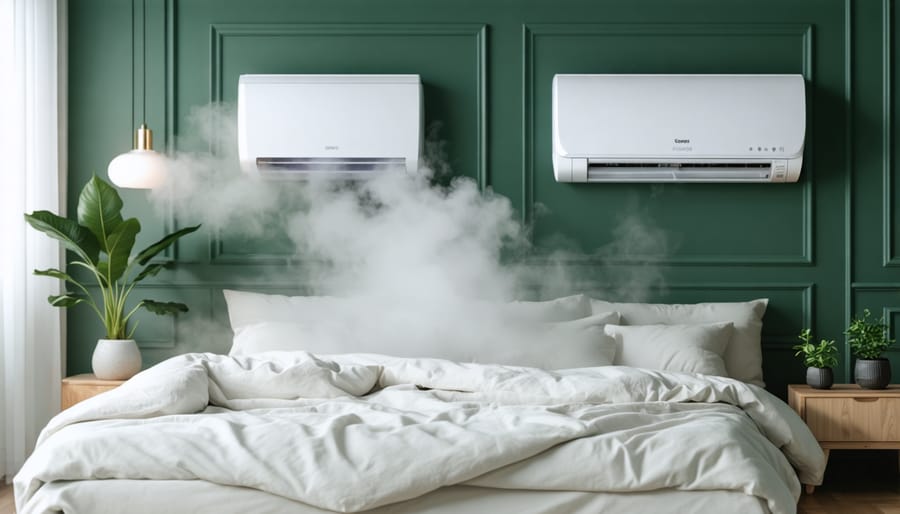
Simple Steps to Optimize Air Quality While Heating Your Home
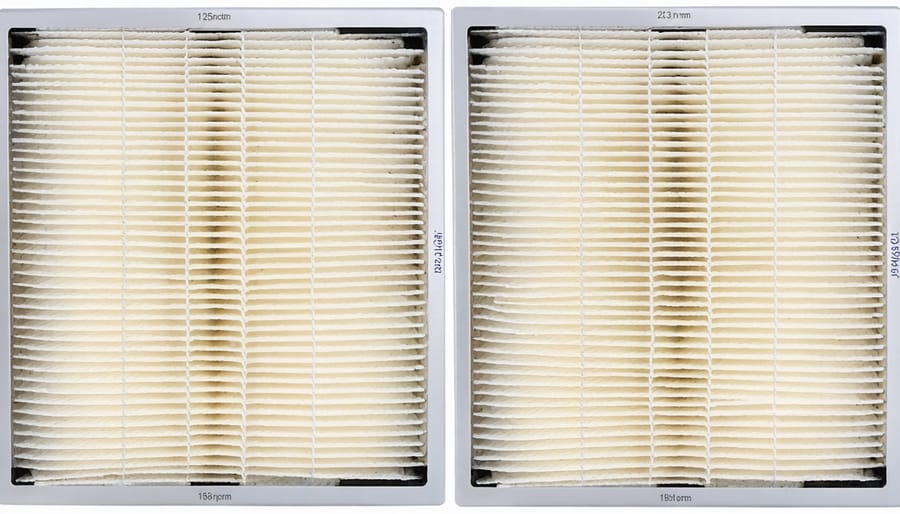
Essential Maintenance Tasks That Make a Difference
Regular maintenance keeps your heating system running efficiently while protecting your indoor air quality. Here’s what you need to tackle throughout the year.
**Filter Changes: Your First Line of Defense**
Start with the easiest task—replacing your air filters every 1-3 months depending on usage and filter type. Turn off your system, locate the filter slot (usually near the return air duct or furnace), slide out the old filter, and pop in a new one matching the same size. This simple 5-minute DIY task prevents dust, allergens, and particles from recirculating through your home. Mark your calendar or set phone reminders so you never forget.
**Duct Cleaning: When DIY Meets Professional Help**
You can handle basic duct maintenance yourself by removing vent covers and vacuuming visible dust and debris with a shop vac and long brush attachment. However, save deep duct cleaning for professionals every 3-5 years. They have specialized equipment to reach deep into your ductwork and remove accumulated contaminants you simply can’t access.
**System Inspections: The Annual Check-Up**
Schedule a professional HVAC inspection before each heating season. Technicians will check for carbon monoxide leaks, test combustion efficiency, examine heat exchangers, and ensure proper ventilation—all critical for safe, clean air. Between professional visits, visually inspect your system monthly for unusual sounds, smells, or visible issues, and keep the area around your heating unit clear of debris.
Smart Technology Integration for Better Air
Modern technology makes it easier than ever to maintain healthy air while keeping your home comfortable. Smart thermostats do more than adjust temperature—many models now monitor humidity levels and can coordinate with your HVAC system to optimize both comfort and air quality. They learn your schedule and adjust heating patterns to prevent indoor air from becoming stale or overly dry.
Air quality monitors are game-changers for health-conscious homeowners. These compact devices track pollutants, VOCs, humidity, and even carbon dioxide levels in real-time. When paired with your heating system, they provide alerts when ventilation is needed or when filters require changing.
Automated ventilation systems work seamlessly with your heating to bring in fresh outdoor air at optimal times. Smart vents can redirect airflow to specific rooms, ensuring even heating without hot or cold spots that lead to air quality issues.
The best part? Many of these devices work together through smartphone apps, giving you complete control. You can monitor air quality from anywhere, receive maintenance reminders, and make adjustments on the fly—all contributing to healthier indoor air throughout winter’s heating season.
Complementary Air Purification Strategies
Your heating system works best when paired with complementary air purification strategies that tackle pollutants from multiple angles.
**Strategic Air Purifier Placement**: Position HEPA air purifiers in rooms where you spend the most time—bedrooms, living rooms, and home offices. Place them at least three feet from walls for optimal circulation, and run them continuously during heating season for best results.
**Smart Ventilation Timing**: Open windows for 10-15 minutes daily, even in winter, preferably during mid-morning when outdoor air quality peaks. This quick air exchange refreshes your indoor environment without significantly impacting heating costs.
**Indoor Plants for Natural Air Purification**: Snake plants, spider plants, and pothos excel at filtering airborne toxins while adding visual appeal. Place 2-3 plants per 100 square feet for noticeable benefits.
**Humidity Balance**: Maintain 30-50% relative humidity using a humidifier during heating season. Dry winter air exacerbates respiratory irritation and allows dust to circulate more freely. A simple hygrometer helps you monitor levels, ensuring comfort without encouraging mold growth.
These strategies work synergistically with your heating system’s filtration, creating a comprehensive approach to year-round air quality.
When to Consider a Heating System Upgrade
Sometimes your heating system just can’t keep up with modern air quality standards, no matter how much you optimize it. If your furnace is more than 15 years old, you’re likely dealing with outdated technology that circulates dust and allergens more efficiently than clean air. Here’s when it’s time to seriously consider an upgrade.
Watch for these telltale signs: persistent musty odors when the heat kicks on, family members experiencing increased respiratory issues during heating season, visible dust accumulation within days of cleaning, or skyrocketing energy bills. If you’re constantly replacing filters or your system struggles to maintain consistent temperatures, these are red flags that optimization alone won’t solve.
When shopping for a replacement, prioritize systems designed with air quality in mind. Look for furnaces with variable-speed blowers that provide better filtration and moisture control. Heat pumps offer excellent air quality benefits since they don’t produce combustion byproducts. Consider systems with built-in air purification technology or compatibility with whole-home air cleaners.
**Cost and efficiency considerations matter.** While a basic furnace replacement might run $3,000-$6,000, investing in air-quality-enhanced systems typically adds $1,000-$3,000. However, Energy Star-certified models can reduce heating costs by 15-20% annually, offering payback within 5-7 years. Many utility companies offer rebates for high-efficiency upgrades, sometimes covering $500-$1,500 of the cost.
Smart thermostats with humidity and air quality monitoring capabilities make excellent companions to new systems, providing real-time data about your indoor environment. These wellness-friendly home upgrades transform your heating system from a basic comfort provider into a comprehensive health-supporting climate control solution that protects your family year-round.
Your heating choices directly impact the air you breathe every day. By staying on top of filter changes, scheduling regular maintenance, and choosing systems designed with air quality in mind, you’re not just keeping your home comfortable—you’re protecting your family’s health. Start with one small step today, whether it’s replacing a dirty filter or cracking a window for fresh air circulation. Better indoor air quality doesn’t mean compromising on warmth; it means making informed decisions that deliver both comfort and wellness throughout the heating season.