Transform Your Space: Making Your Home Tell Your Personal Story Through Art
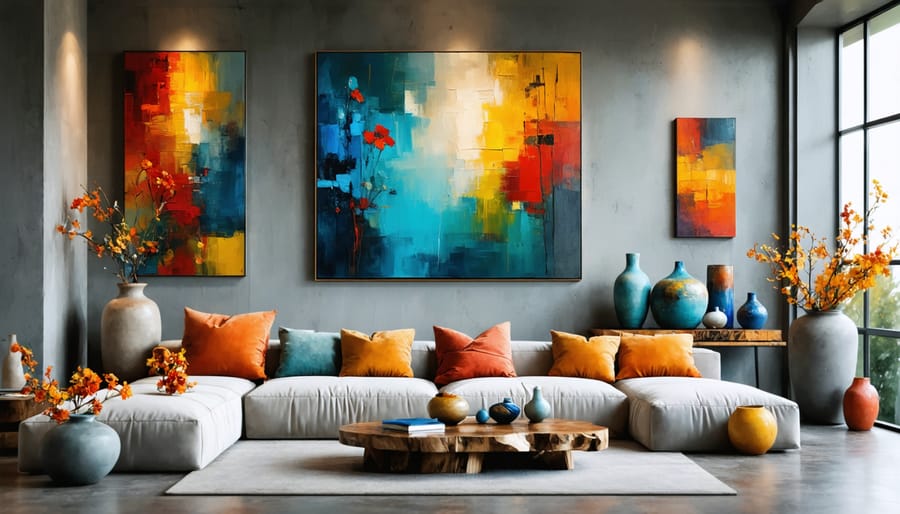
Art isn’t just about hanging paintings on walls – it’s the language of your soul speaking through colors, textures, and forms. In your home, self-expression through art transforms ordinary spaces into deeply personal sanctuaries that tell your unique story. Whether you’re drawn to bold abstract paintings, handcrafted ceramics, or experimental digital art, each piece you create or display becomes a window into your inner world.
Today’s homeowners are breaking free from traditional decorating rules, mixing mediums and styles to create spaces that authentically reflect their personalities. This shift towards personal artistic expression isn’t just about aesthetics – it’s about creating environments that energize, inspire, and nurture creativity. From gallery walls featuring family photographs to custom-built installations that showcase your artistic journey, self-expression in art allows you to craft spaces that resonate with your authentic self.
By embracing artistic self-expression in your home, you’re not just decorating – you’re creating a living, breathing portfolio of your experiences, dreams, and creative spirit. This approach to interior design goes beyond trends, focusing instead on the powerful connection between personal expression and the spaces we call home.
Why Personal Expression Matters in Home Decor
The Psychology of Personal Spaces
Our personal spaces serve as a canvas for our emotional well-being and creative expression. When we surround ourselves with elements that reflect our personality and artistic preferences, we create an environment that nurtures both mental health and creative thinking. Studies have shown that personalized spaces can reduce stress levels by up to 60% while increasing productivity and inspiration.
Color choices play a crucial role in this psychological impact. Warm tones like orange and yellow can energize a creative workspace, while cool blues and greens promote relaxation and contemplative thinking. The arrangement of furniture and decorative elements also influences our mental state – open spaces encourage free thinking, while cozy nooks provide security and comfort for focused creative work.
Personal artifacts and meaningful artwork serve as emotional anchors, triggering positive memories and fostering a sense of identity. Whether it’s family photos, travel souvenirs, or original artwork, these personal touches create an environment that feels authentically yours. This emotional connection to our space can boost confidence in creative decision-making and encourage artistic risk-taking.
Remember, your personal space should evolve with you, adapting to your changing tastes and creative journey.
Beyond the Trends: Finding Your Authentic Style
While trending styles can be exciting, true artistic expression comes from developing your own personal style in home decor. Instead of chasing every new design fad, focus on elements that genuinely speak to you and reflect your personality. Start by collecting images, colors, and textures that consistently draw your attention, regardless of their current popularity.
Consider what makes you feel comfortable and inspired in your space. Maybe it’s the warmth of vintage wood pieces, the boldness of contemporary art, or the serenity of minimalist design. Your authentic style might blend elements from different periods or cultures – and that’s perfectly fine! Remember, your home should tell your story, not mirror the latest social media trends.
Take time to experiment with different combinations and trust your instincts. When you choose pieces that truly resonate with you, they’ll likely remain meaningful long after current trends fade. This approach not only creates a more personalized space but also leads to more sustainable and satisfying design choices over time.
Creative Ways to Express Yourself Through Home Decor
Gallery Walls with Purpose
A gallery wall is more than just a collection of frames – it’s a visual autobiography that transforms your space into a personal narrative. Start by gathering pieces that resonate with your journey: family photos, artwork that moves you, concert tickets, or even your own creative works. The key is selecting items that spark genuine emotion and connection.
Consider creating themed clusters within your gallery wall. You might dedicate one section to travel memories, another to family milestones, and a third to artistic inspirations. This organized approach helps tell a cohesive story while maintaining visual interest.
When arranging your pieces, begin with a central anchor – perhaps your most meaningful artwork or largest photograph. Build outward from there, mixing sizes and orientations to create dynamic visual flow. Don’t be afraid to incorporate unexpected elements like small sculptures, decorative plates, or even meaningful textile pieces.
The space between frames matters as much as the artwork itself. For a clean, contemporary look, maintain consistent spacing (about 2-3 inches). For a more relaxed, organic feel, vary the gaps slightly. Consider using removable adhesive strips for easy rearrangement as your story evolves.
Remember, your gallery wall should feel alive and growing. Leave room for new additions as you continue collecting meaningful pieces that represent your journey. This living installation becomes not just decor, but a reflection of your ongoing story.

DIY Art Projects That Reflect You
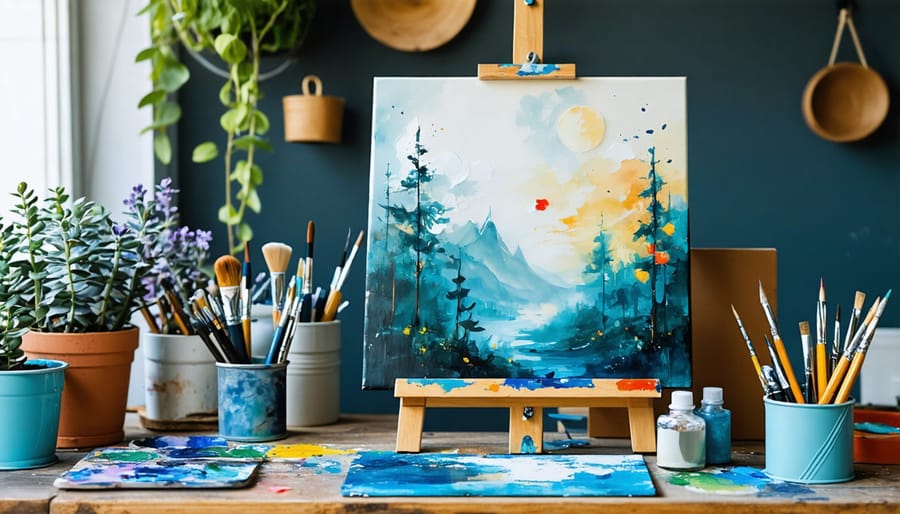
Express your unique personality through these creative DIY home decor projects that transform ordinary spaces into personal art galleries. Start with a memory wall collage using your favorite photos arranged in geometric patterns, enhanced with painted frames in colors that reflect your mood. Create abstract canvas art using simple techniques like paint pouring or palette knife texturing – there’s no wrong way to express yourself!
Turn meaningful quotes into striking wall art by combining hand lettering with watercolor backgrounds. For a more tactile approach, craft a sculptural piece using collected items that tell your story – perhaps seashells from memorable beach trips or ticket stubs from concerts you’ve attended.
Transform plain walls with a personalized mural using painter’s tape and your chosen colors. Start small with geometric patterns, then expand as your confidence grows. Create texture-rich wall hangings using materials that speak to you – woven fabrics, natural fibers, or even repurposed items from your travels.
Don’t forget about functional art! Paint plain furniture pieces with designs that showcase your style, or craft a unique centerpiece using materials that reflect your interests. Remember, the goal isn’t perfection – it’s creating pieces that authentically represent you and make your space feel like home.
Mixing Personal Treasures with Decor
Your personal treasures tell unique stories that deserve to be showcased in your living space. Instead of keeping cherished items tucked away in boxes, transform them into meaningful decor elements that spark joy and conversation. Family photographs can be arranged in vintage frames to create an eye-catching gallery wall, while travel souvenirs can be displayed on floating shelves alongside complementary decorative pieces.
Consider creating themed collections that combine personal memorabilia with design elements. For instance, pair your grandmother’s antique teacups with modern ceramic pieces to bridge generations through design. Shadow boxes are perfect for displaying smaller items like concert tickets, shells from beach trips, or childhood medals, protecting them while making them part of your daily environment.
Don’t be afraid to think unconventionally. That old guitar you learned to play on? Mount it on the wall as functional art. Your collection of vintage postcards? Create a unique wallpaper effect in your home office. The key is to integrate these pieces naturally into your existing decor scheme rather than having them appear as afterthoughts.
Remember that personal items don’t need to match perfectly with your decor – their significance makes them inherently valuable to your space. The goal is to create a harmonious blend where your treasures enhance rather than clash with your overall design aesthetic.
Balancing Personal Expression with Design Principles
Color Psychology and Personal Choice
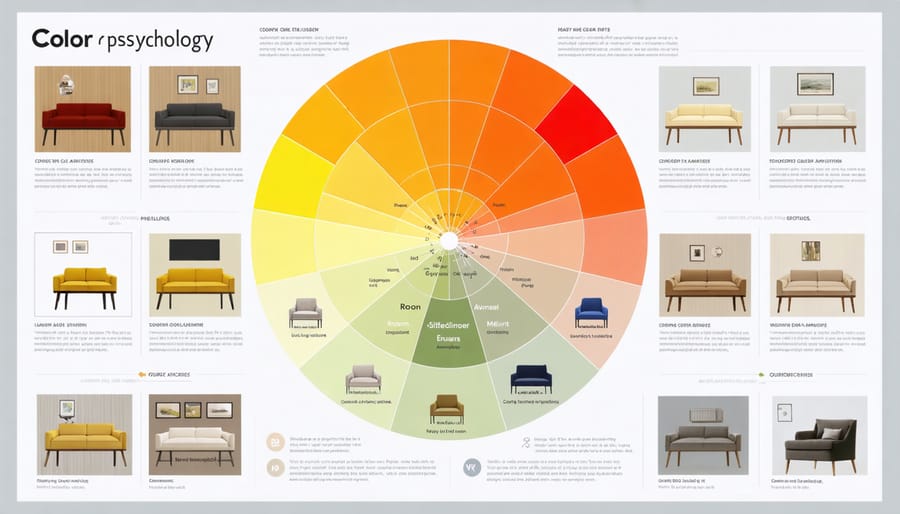
Color selection in art and design is deeply personal, reflecting our innermost emotions and personality traits. When expressing yourself through interior design, understanding color psychology can help you create spaces that truly resonate with your identity while maintaining cohesive color schemes.
Bold personalities often gravitate toward vibrant reds and oranges, expressing confidence and energy. If you’re naturally calm and introspective, you might find yourself drawn to blues and greens, which can create a serene atmosphere. Creative spirits typically love incorporating purple, known for its association with imagination and artistic expression.
The key is finding balance between your color preferences and practical design considerations. Start by identifying three to four colors that speak to you emotionally, then experiment with different shades and intensities. Consider how these colors make you feel in different lighting conditions and how they interact with your existing décor.
Don’t be afraid to break traditional color rules – your space should reflect your unique perspective. Try creating an accent wall in your favorite bold shade, or introduce personal color choices through artwork and accessories. Remember that even small color additions can make a big impact while maintaining overall harmony in your space.
Test your color choices by creating small vignettes or mood boards before making major changes. This allows you to see how your personal color preferences work together in practice, ensuring your self-expression enhances rather than overwhelms your living space.
Space Planning for Personal Art
Strategic placement of your personal art can transform any space into a gallery that truly reflects your personality. Start by identifying focal points in each room – these are typically the areas your eyes naturally gravitate toward when entering. Large statement pieces work well on main walls, while smaller collections can create intimate vignettes in corners or along hallways.
Consider the viewing distance when hanging artwork. In living spaces where people typically sit, position pieces at eye level for seated viewing. For hallways and areas where people stand, hang art at standing eye level, approximately 57-60 inches from the floor to the center of the piece.
Light plays a crucial role in showcasing your art effectively. Natural light can enhance colors and textures, but be cautious of direct sunlight that might damage sensitive pieces. Use adjustable track lighting or picture lights to create dramatic effects and ensure your art is visible during evening hours.
Create meaningful groupings by clustering related pieces together. This could mean arranging works with similar colors, themes, or frames. The “rule of three” often works well – grouping objects in odd numbers tends to be more visually appealing than even-numbered arrangements.
Remember to leave breathing room around each piece. Overcrowding can diminish the impact of individual works and create visual chaos. A good rule of thumb is to leave at least 3-4 inches between frames when creating gallery walls or groupings.
Making It Work in Different Spaces
Small Space Solutions
Living in a compact space doesn’t mean compromising on artistic expression. When it comes to decorating small spaces, creative thinking can transform limitations into opportunities. Consider vertical expression by creating a gallery wall that stretches from floor to ceiling, maximizing wall real estate while showcasing your personality. Floating shelves can double as both storage and display areas for smaller art pieces, while corner spaces become perfect spots for sculptural elements or hanging mobiles.
Transform everyday items into art displays – think vintage suitcases as wall-mounted shelving or repurposed ladder rungs as photo displays. Mirrors not only create the illusion of more space but can also serve as frames for temporary art using washable markers or hanging lightweight pieces in front of them. Use modular furniture that can be rearranged to create different spaces for artistic activities, and consider fold-down desks or tables that provide workspace when needed but tuck away when not in use.
Remember, small spaces often create the most impactful artistic statements because they force us to be intentional with every choice.
Rental-Friendly Options
For renters looking to express their artistic side without risking their security deposit, there are numerous creative solutions available. Removable wallpaper has revolutionized temporary wall décor, offering bold patterns and artistic designs that peel off cleanly when it’s time to move. Command hooks and strips provide secure mounting options for artwork, floating shelves, and gallery walls without leaving holes behind.
Consider using washi tape to create geometric wall patterns or frame doorways – it’s colorful, removable, and won’t damage surfaces. Fabric wall hangings and tapestries add texture and personality while being easily installable with tension rods or temporary hooks. Large-scale canvas prints leaned against walls offer dramatic impact without permanent installation.
For floor spaces, removable floor decals and temporary carpet tiles can transform rooms instantly. Window clings and removable privacy films provide opportunities for stained-glass effects and artistic window treatments. Even furniture can become temporary art through slip covers, contact paper applications, or removable decorative knobs and handles. These solutions allow for full creative expression while maintaining the integrity of rental properties.
Self-expression through art in your living space is a powerful way to create a home that truly reflects who you are. Throughout this article, we’ve explored various ways to incorporate personal creativity into your interior design, from selecting meaningful artwork to creating your own DIY masterpieces. Remember that there’s no right or wrong way to express yourself – what matters most is that your space feels authentic to you.
Whether you’re drawn to bold, contemporary pieces or prefer subtle, traditional elements, the key is to trust your instincts and choose items that spark joy and connection. Don’t be afraid to experiment with different mediums, colors, and arrangements until you find the perfect combination that speaks to your personality and lifestyle.
Start small if you’re feeling uncertain – perhaps with a single wall gallery or a handcrafted centerpiece. As your confidence grows, you can gradually expand your artistic expression throughout your home. Consider documenting your journey through photos, as watching your space evolve can be incredibly rewarding.
The beauty of self-expression in interior design lies in its endless possibilities. Your home is your canvas, and every choice you make adds another brushstroke to your unique story. Take inspiration from the ideas we’ve shared, but remember to make them your own. Your perfect space awaits – it’s time to start creating it.