Transform Your Home’s Exterior with Organic Modern Style (That Actually Matches Inside)
Transform your home’s exterior into a stunning organic modern masterpiece by blending natural materials with clean, contemporary lines. This architectural style, rapidly gaining popularity among design-conscious homeowners, creates a seamless connection between indoor comfort and outdoor beauty.
Natural stone, warm woods, and floor-to-ceiling windows define the organic modern aesthetic, while minimal ornamentation and strong geometric shapes provide the contemporary edge. The result? A sophisticated yet welcoming facade that feels both timeless and cutting-edge.
Today’s organic modern homes celebrate sustainability without sacrificing style. Think living walls that reduce energy costs, sustainable bamboo cladding that adds warmth, and strategic landscaping that frames architectural features while supporting local ecosystems. Smart technology integration allows homeowners to control exterior lighting, security, and climate systems while maintaining the clean, uncluttered look essential to organic modern design.
Whether you’re planning a complete exterior renovation or seeking to incorporate organic modern elements into your existing home, this design approach offers endless possibilities for creating a harmonious living space that bridges the gap between nature and modern architecture. The key lies in thoughtful material selection, intentional landscaping, and a deep understanding of how indoor and outdoor spaces can work together to create a cohesive whole.
Key Elements of Organic Modern Exterior Design
Natural Materials and Textures
The soul of organic modern design lies in its thoughtful use of natural materials for exteriors, creating a seamless connection between architecture and nature. Cedar and ipe wood cladding offer warmth and natural beauty while aging gracefully over time. Natural stone, whether it’s slate, limestone, or locally quarried rock, adds texture and timeless appeal to facades and foundation walls.
Consider incorporating raw concrete elements for a contemporary edge, allowing its natural imperfections to complement rather than compete with organic materials. Weathered steel (Corten) provides a striking accent that develops a rich, protective patina. For softer textures, natural stucco finishes can create subtle depth and visual interest.
Mixing these materials strategically is key – try combining smooth wood panels with rough-cut stone, or contrast polished concrete with natural wood grain. Remember to consider your climate when selecting materials; certain woods may require more maintenance in wet regions, while stone might be more practical in areas with extreme weather conditions.
Clean Lines Meet Nature
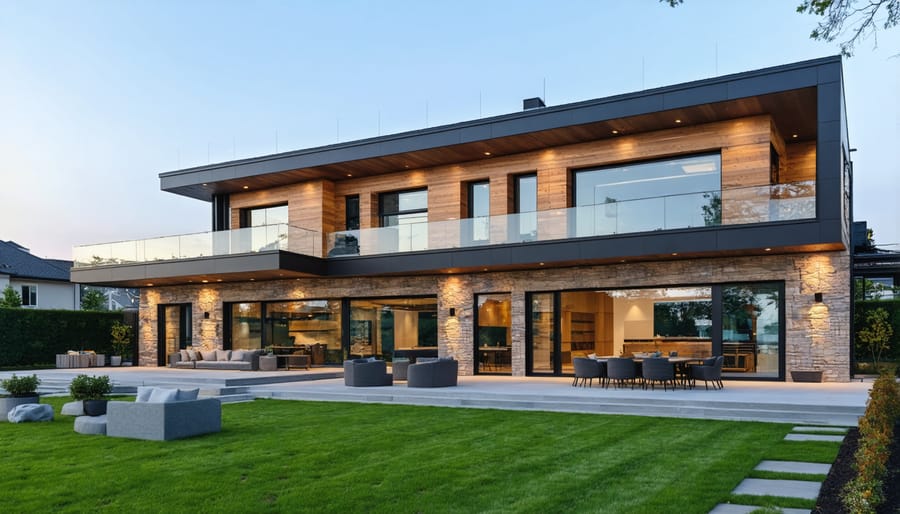
The magic of organic modern exterior design lies in the delicate balance between crisp architectural lines and nature’s flowing forms. Imagine sleek, horizontal roof lines softened by climbing vines, or sharp-edged concrete walls complemented by the gentle sway of ornamental grasses. This harmonious contrast creates visual interest while maintaining the clean aesthetic that defines modern architecture.
To achieve this balance, start with a foundation of geometric shapes in your home’s structure – think flat roofs, cubic volumes, and strong horizontal elements. Then, strategically introduce organic elements like curved walkways, rounded garden beds, or asymmetrical native plantings. Materials play a crucial role too – combine smooth surfaces like steel and glass with natural textures such as wood and stone.
Consider creating “living walls” where vegetation frames modern window designs, or install angular planters that house flowing vegetation. Strategic landscape lighting can emphasize both the architectural features and natural elements after dark, creating dramatic shadows that blur the line between structured and organic forms. The key is to let each element enhance rather than compete with the other, resulting in a sophisticated yet welcoming exterior that feels both contemporary and connected to nature.
Creating Seamless Indoor-Outdoor Flow
Material Consistency
Creating a seamless transition between your interior and exterior spaces starts with consistently using materials that blend your home’s style throughout. Consider extending interior materials like natural stone, warm woods, or textured concrete to outdoor spaces. For example, if you have oak flooring inside, use similar-toned decking or pergolas outside.
When selecting materials, focus on those that work well in both environments. Natural stone veneer can flow from your interior fireplace to exterior accent walls. Concrete elements can transition from polished indoor floors to stamped outdoor patios. Even metal finishes should maintain consistency – if you’ve chosen black matte hardware inside, carry that same finish to exterior light fixtures and door handles.
Pay special attention to transition points like doorways and windows. Using the same or complementary materials around these areas creates visual continuity. Consider installing the same tile from your kitchen or living room onto your covered patio, or extending interior wall treatments to outdoor sitting areas.
Remember to account for weather resistance when selecting exterior materials. While they should match interior elements aesthetically, they must also withstand outdoor conditions. Look for exterior-grade versions of your interior materials, or choose materials that closely mimic interior finishes while offering better durability.
Architectural Elements
Windows, doors, and transitional spaces play a vital role in organic modern home exteriors, serving as both functional elements and artistic statements. Large, floor-to-ceiling windows are a hallmark of this style, creating seamless visual connections between indoor and outdoor spaces while flooding interiors with natural light. These expansive glass panels often feature minimal frames in dark metals or natural wood, maintaining clean lines while adding organic warmth.
Sliding glass doors and folding wall systems are particularly effective in organic modern designs, allowing spaces to flow naturally from inside to out. These systems often open onto covered patios or decks, creating transitional areas that blur the boundaries between interior and exterior living spaces.
Entryways in organic modern homes typically feature oversized doors made from natural materials like wood or stone, sometimes paired with glass side panels for added light. These statement entrances often incorporate sheltered approaches with pergolas or extended roof overhangs, providing both protection and visual interest.
Thoughtfully placed clerestory windows and skylights add architectural interest while maintaining privacy and enhancing natural light distribution. Window placement should consider both aesthetic appeal and practical factors like solar gain and ventilation. For transitional spaces, covered walkways and breezeways incorporate natural elements while providing functional connections between different areas of the home.

Color Palettes for Organic Modern Exteriors
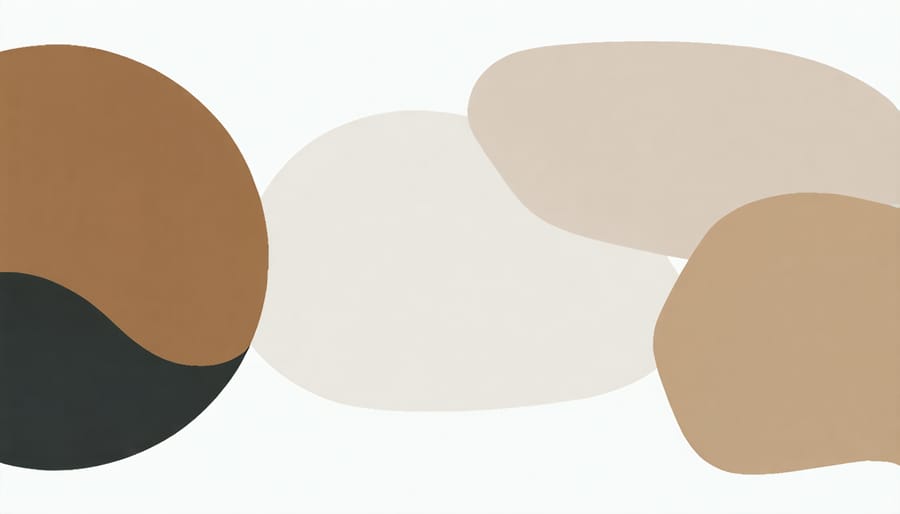
The organic modern style embraces nature’s palette while incorporating contemporary elements, creating a harmonious blend of earthy warmth and sleek sophistication. For your exterior color scheme, start with a foundation of warm neutrals like soft whites, greiges, and sandy beiges that create a clean, modern backdrop while maintaining an organic feel.
Natural stone colors play a crucial role in this style. Consider incorporating deep charcoals, warm grays, and limestone hues as accent colors. These can be used on architectural features or as secondary colors for trim and details. Rich earth tones like terra cotta, deep browns, and muted sage greens can add depth while maintaining the connection to nature.
For a modern edge, pair these organic colors with black accents on windows, door frames, or lighting fixtures. This creates striking contrast while anchoring the design in contemporary aesthetics. When selecting materials, opt for those that naturally showcase these colors – think cedar siding, concrete panels, or natural stone veneer.
Layer your color palette strategically: use the darkest shade for grounding elements like the foundation or accent walls, medium tones for the main exterior surfaces, and lighter shades for trim and architectural details. This creates visual interest while maintaining cohesion.
Remember that natural materials will weather and patina over time, adding character to your color scheme. Choose finishes that will age gracefully, like untreated cedar that silvers naturally or copper accents that develop a beautiful verdigris patina.
For the most impactful result, limit your palette to 3-4 main colors. This creates a sophisticated look while preventing the design from becoming too busy. Test your chosen colors in different lighting conditions, as natural light will significantly impact how they appear throughout the day.
Finally, consider your landscaping when selecting colors. Choose shades that complement your local flora and integrate seamlessly with the surrounding environment. This thoughtful approach ensures your home’s exterior feels both modern and naturally integrated into its setting.
Practical Tips for Implementation
Working with Existing Architecture
Transforming your existing home into an organic modern masterpiece doesn’t require a complete rebuild. Start by analyzing your home’s current architectural features and identifying elements that align with organic modern principles. Focus on bridging indoor and outdoor design through strategic modifications.
Consider replacing traditional windows with larger, floor-to-ceiling versions to maximize natural light and create stronger connections with the outdoors. Adding natural wood cladding to sections of your exterior can introduce warmth and organic elements while maintaining modern clean lines. Simple changes like updating your front door to a sleek, natural wood design or incorporating stone veneer accents can dramatically shift your home’s aesthetic.
Paint choices make a significant impact – opt for earth tones or warm neutrals that complement your surroundings. Remove ornate decorative elements that clash with the minimalist aspect of organic modern style. Installing sustainable materials like reclaimed wood or eco-friendly composite siding can help achieve the desired look while being environmentally conscious.
Don’t overlook your landscaping – integrate native plants and natural materials that echo your home’s new aesthetic. Create clean-lined pathways using organic materials like stone or wood, and consider adding architectural features like wooden pergolas or stone retaining walls that blend seamlessly with your home’s updated exterior.
Budget-Friendly Solutions
Achieving an organic modern exterior doesn’t have to break the bank. Start by focusing on natural materials that are locally available, which often cost less due to reduced transportation expenses. Consider using reclaimed wood for accent walls or decorative elements – it’s eco-friendly and adds authentic character at a fraction of the cost of new materials.
Paint can dramatically transform your home’s exterior while staying budget-conscious. Choose earth tones and neutral colors that reflect the organic modern aesthetic. Adding simple geometric patterns with paint can create architectural interest without structural changes.
Landscaping offers another affordable way to enhance your organic modern exterior. Plant native species that require minimal maintenance and naturally complement your home’s design. Use river rocks or local stone for pathways and borders instead of expensive manufactured materials.
DIY projects can significantly reduce costs. Install modern house numbers, update light fixtures, or create simple wooden planters to add organic elements. Consider vertical gardens using affordable materials like recycled pallets – they provide natural texture while maximizing space.
For window treatments, opt for bamboo or natural reed blinds instead of expensive custom solutions. Solar-powered landscape lighting can reduce both initial and long-term costs while creating dramatic evening ambiance.
Replace traditional gutters with rain chains – they’re typically less expensive and add an artistic element that aligns perfectly with organic modern style. Finally, consider phasing your exterior updates over time to spread out the investment while maintaining design coherence.
Creating an organic modern home exterior is an exciting journey that combines natural elements with contemporary design principles. By incorporating sustainable materials, clean lines, and thoughtful landscaping, you can achieve a stunning balance that enhances your home’s curb appeal while maintaining environmental consciousness. Remember that successful organic modern design isn’t just about following trends – it’s about creating a harmonious connection between your living space and its natural surroundings.
Whether you’re planning a complete exterior renovation or making subtle updates, start with the elements that matter most to you, whether that’s sustainable siding materials, natural stone accents, or native landscaping. Consider how each choice contributes to both the aesthetic appeal and functionality of your home.
Take the first step today by evaluating your current exterior and identifying areas where you can introduce organic modern elements. Start small if needed, and gradually build toward your vision. With careful planning and thoughtful execution, you can create an exterior that not only looks stunning but also reflects your commitment to modern design and environmental stewardship.