These Game-Changing Surface Technologies Are Revolutionizing Home Design
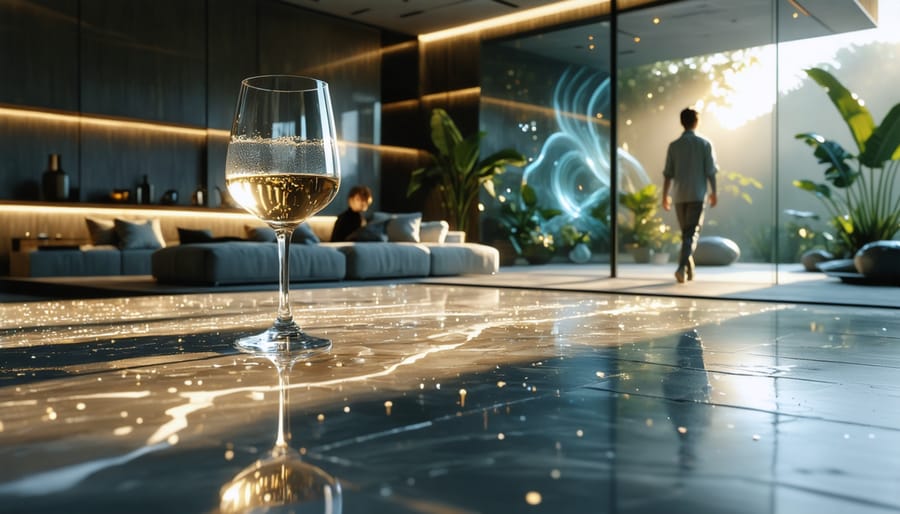
Transform your living spaces with revolutionary surface technologies that seamlessly blend form and function. Today’s innovative materials go far beyond traditional options, incorporating smart home technologies and advanced engineering to create surfaces that actively enhance our daily lives.
From self-cleaning countertops that resist bacteria to photochromic glass that adjusts its transparency based on sunlight, modern surface innovations are revolutionizing how we interact with our environments. These technologies not only solve practical challenges but also introduce unprecedented design possibilities, allowing homeowners to create spaces that are both beautiful and intelligent.
Imagine walls that purify air, floors that harvest kinetic energy from footsteps, and countertops that wirelessly charge your devices. These aren’t futuristic concepts – they’re available solutions transforming homes and commercial spaces today. As sustainability meets sophistication, these advanced surfaces offer durability, functionality, and aesthetic appeal while reducing maintenance needs and environmental impact.
Whether you’re renovating your kitchen, updating your office, or designing a new space from scratch, understanding these cutting-edge surface options opens up a world of possibilities that combine style, convenience, and innovation.
Smart Surfaces That Respond to Touch
Temperature-Responsive Materials
Imagine a surface that transforms like a mood ring for your home! Temperature-responsive materials are revolutionizing how we think about interior finishes and functional design. These innovative surfaces change color or reveal patterns when exposed to different temperatures, creating dynamic, interactive spaces that respond to their environment.
The technology behind these materials typically involves thermochromic pigments or liquid crystals that react to temperature changes. When the surface heats up or cools down, the molecular structure of these compounds shifts, causing visible changes in color or pattern. For example, a black wall might gradually reveal a hidden design as the room warms up, or bathroom tiles could change from blue to white when hot water hits them.
These smart surfaces aren’t just for show – they serve practical purposes too. In kitchens, countertops can visually warn you of hot spots, while outdoor decking materials might change color to indicate when the surface is too hot for bare feet. Some manufacturers even offer temperature-responsive wallpapers that help monitor room temperature variations throughout the day.
Installation is surprisingly straightforward, with many options available as paint, tiles, or adhesive films. The temperature sensitivity can be customized to respond to specific ranges, making these materials versatile for various applications. While currently more common in commercial spaces, they’re gaining popularity in residential settings as prices become more accessible.
Pressure-Sensitive Designs
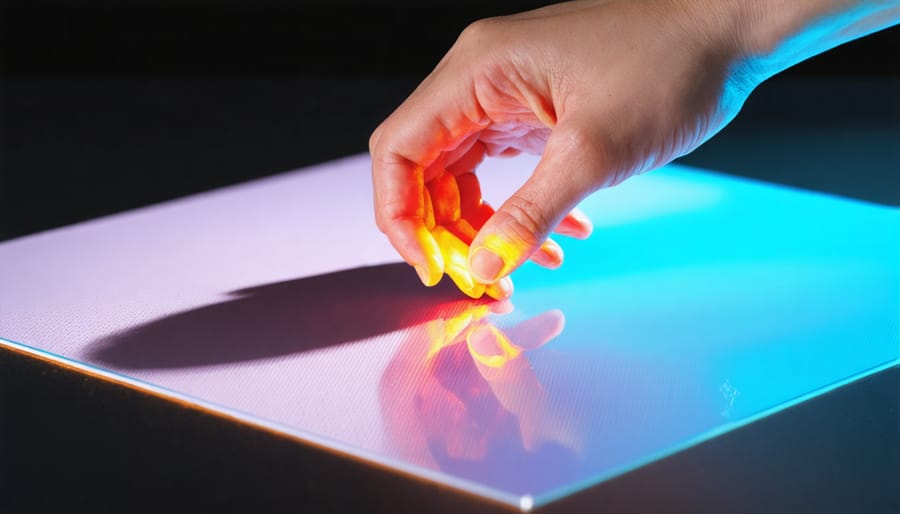
Imagine surfaces that respond to your touch, creating an interactive experience in your living space. These modern tactile surfaces are revolutionizing how we interact with our environment, from color-changing countertops to pressure-activated wall panels that illuminate or change patterns when pressed.
Popular applications include interactive kitchen backsplashes that light up when touched, creating both functional task lighting and artistic displays. Smart flooring systems can track movement patterns and adjust ambient lighting accordingly, while pressure-sensitive wall panels can transform from opaque to transparent based on touch intensity.
For homeowners looking to incorporate this technology, options range from simple pressure-activated LED tiles to sophisticated smart surfaces that can remember and replay touch patterns. These installations are particularly effective in entertainment areas, children’s rooms, and modern office spaces where interactive elements add both functionality and visual interest.
Installation typically requires professional expertise, though some DIY-friendly options are available for smaller projects. The technology relies on specialized sensors embedded within the surface material, connected to a control system that manages the response to pressure. Most systems are customizable, allowing you to program specific reactions to different levels of touch pressure.
Self-Healing and Maintenance-Free Surfaces
Scratch-Resistant Technologies
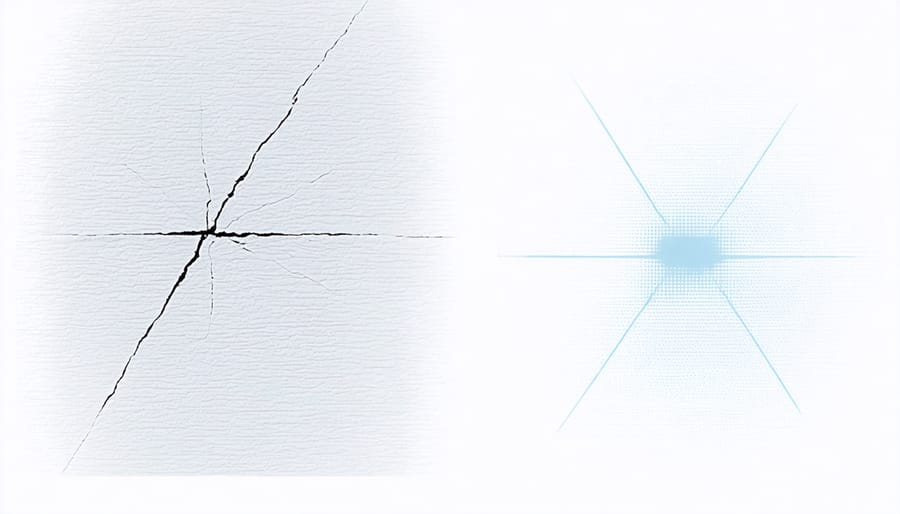
Today’s scratch-resistant technologies are revolutionizing how we protect our surfaces, going far beyond traditional protective coatings. From nanoceramic treatments to diamond-infused finishes, these innovations are changing the game for both residential and commercial spaces. Many of these solutions can be integrated seamlessly with modern wall coverings and other surface materials.
The latest scratch-resistant coatings use advanced polymer technology that forms an invisible shield, protecting surfaces from daily wear and tear. These treatments work by creating a molecular bond with the surface material, resulting in a durable barrier that resists scratches, scuffs, and stains. Popular options include self-healing finishes that can repair minor scratches automatically when exposed to heat or sunlight.
For high-traffic areas, titanium-based coatings offer industrial-strength protection while maintaining the surface’s natural appearance. These coatings are particularly effective on wood flooring, countertops, and furniture. Meanwhile, graphene-enhanced treatments provide exceptional durability with an ultra-thin application that won’t alter the texture or appearance of the original surface.
DIY-friendly options are also available, with spray-on and brush-on solutions that cure under UV light or at room temperature. These products make it easy for homeowners to add professional-grade protection to their surfaces without requiring specialized equipment or expertise.
Self-Cleaning Properties
Self-cleaning surfaces have revolutionized how we maintain our homes and buildings, making cleaning routines easier and more efficient. These innovative materials use advanced nanotechnology to create surfaces that naturally repel dirt, water, and other contaminants, significantly reducing the need for regular cleaning.
The most common self-cleaning technologies include hydrophobic and photocatalytic coatings. Hydrophobic surfaces create a microscopic texture that causes water to bead up and roll off, taking dirt particles with it – similar to how water droplets behave on lotus leaves in nature. This technology is particularly effective on windows, shower doors, and exterior walls.
Photocatalytic surfaces, on the other hand, use titanium dioxide coatings that react with sunlight to break down organic matter and pollutants. When exposed to UV light, these surfaces actively decompose dirt and bacteria, keeping the surface clean with minimal intervention. This technology is increasingly popular in commercial buildings and high-traffic areas.
For homeowners, self-cleaning surfaces offer practical benefits beyond convenience. These surfaces reduce water and cleaning product usage, making them environmentally friendly. They also help prevent the growth of mold and bacteria, contributing to a healthier indoor environment. While the initial investment might be higher than traditional surfaces, the reduced maintenance costs and time savings make them a worthwhile consideration for modern homes and buildings.
Sustainable and Eco-Friendly Options
Recycled Material Innovations
In an era where sustainability meets style, recycled material surfaces are revolutionizing interior design. From crushed glass countertops that sparkle like diamonds to reclaimed wood panels that tell a story, these innovative surfaces combine eco-consciousness with stunning aesthetics. Manufacturers are now transforming plastic bottles into sleek, durable wall panels and converting industrial waste into sophisticated flooring solutions.
One standout innovation is the development of composite surfaces made from recycled paper and natural resins, creating sturdy countertops that rival traditional materials in both durability and appearance. These surfaces complement biophilic design elements while reducing environmental impact.
Another breakthrough is the transformation of recycled glass and concrete into stunning terrazzo-style surfaces, perfect for both residential and commercial spaces. These materials not only divert waste from landfills but also create unique, customizable patterns that can’t be replicated with traditional materials. Even salvaged metal is finding new life as textured wall panels and decorative accents, bringing industrial chic to modern interiors while supporting sustainable practices.
Energy-Efficient Surface Solutions
Modern energy-efficient surfaces are revolutionizing how we think about building materials and home design. These innovative solutions work by either reflecting heat during summer or retaining warmth in winter, significantly reducing your heating and cooling costs.
Cool roofs and walls, featuring specialized reflective coatings, can lower indoor temperatures by up to 7-8 degrees Fahrenheit during peak summer heat. These surfaces use advanced pigments that bounce back solar radiation, keeping your space naturally cooler without overtaxing your air conditioning system.
Thermochromic surfaces are another game-changer, automatically adjusting their properties based on temperature. When it’s hot, they become more reflective; when it’s cold, they absorb more heat. This smart technology can reduce energy consumption by up to 30% annually.
Insulative wall coatings, made with ceramic microspheres, create an invisible barrier that prevents heat transfer. These coatings are particularly effective in older buildings where traditional insulation isn’t practical. They’re easy to apply, maintenance-free, and can start saving energy immediately after application.
For best results, combine these surfaces with proper ventilation and strategic placement of windows to maximize their energy-saving potential.
DIY Applications and Installation Tips
Surface Preparation Guidelines
Proper surface preparation is crucial for the successful application of any innovative surface technology. Start by thoroughly cleaning the target surface using a pH-neutral cleaner to remove dirt, grease, and contaminants. For outdoor surfaces, pressure washing may be necessary to ensure deep cleaning.
Next, inspect the surface for any damage, cracks, or imperfections. Fill these using an appropriate patching compound and allow it to cure completely. Sand the repaired areas until they’re level with the surrounding surface. Remember to wear protective gear, including a dust mask and safety goggles, during this process.
For smooth surfaces like metal or glass, create a slightly textured profile by lightly scuffing with fine-grit sandpaper. This helps the new surface technology bond better. On wooden surfaces, sand in the direction of the grain and remove all dust with a tack cloth.
Test the surface’s moisture content using a moisture meter – most innovative surface technologies require a moisture level below 12%. If needed, use fans or dehumidifiers to achieve optimal conditions. The surface temperature should typically be between 50-90°F (10-32°C) for best results.
Apply a primer specifically designed for your chosen surface technology if recommended by the manufacturer. Allow proper drying time between coats. For maximum adhesion, some systems may require specific bonding agents or activation solutions.
Finally, ensure proper ventilation in the work area and check weather conditions if working outdoors. Most surface technologies require at least 24 hours of stable conditions for proper curing. Mark off the prepared area to prevent accidental contact during the application process.
Application Techniques
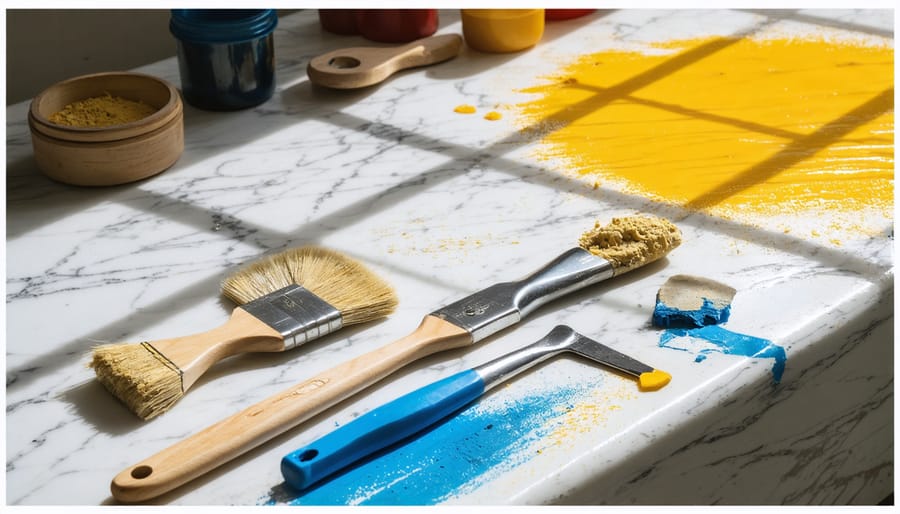
Modern surface technologies offer exciting possibilities, but success lies in proper application. Let’s explore the most effective methods for bringing these innovations to life in your space.
For spray-on surfaces, preparation is crucial. Start by thoroughly cleaning the target area and ensuring it’s completely dry. Use painter’s tape to protect adjacent surfaces, and maintain proper ventilation. Most spray applications work best in multiple thin layers rather than one thick coat, allowing each layer to dry completely between applications.
When working with smart surfaces, such as self-cleaning coatings, application temperature matters significantly. Most perform best when applied between 50-80°F (10-27°C), with moderate humidity levels. Use microfiber applicators for even distribution and avoid touching the surface during curing time, which typically ranges from 24-48 hours.
For textured finishes, specialized rollers or trowels can create distinct patterns. Apply in sections of 3-4 feet to maintain a wet edge and ensure consistency. Some innovative surfaces incorporate metallic or luminescent particles – these require careful stirring before and during application to prevent settling.
Digital projection mapping surfaces need precise application to maintain their reflective properties. Use a primer specifically designed for projection surfaces, applying in cross-hatched patterns for optimal coverage. Remember to test the surface with your intended projection equipment before finalizing the installation.
For DIY applications, always perform a small test patch in an inconspicuous area first. This helps ensure compatibility with your substrate and gives you practice with the application technique. Keep in mind that some advanced surfaces may require professional installation to maintain warranty coverage.
As we’ve explored throughout this article, innovative surface technologies are revolutionizing how we think about and interact with our living spaces. From self-cleaning coatings that make maintenance a breeze to smart surfaces that respond to touch and temperature, these advancements are making our homes more functional, sustainable, and enjoyable than ever before.
The future of surface technology looks particularly promising, with researchers developing even more impressive solutions. We’re seeing the emergence of surfaces that can purify air, harvest energy, and adapt to environmental conditions automatically. These technologies aren’t just about convenience – they’re increasingly focused on sustainability and energy efficiency, helping homeowners reduce their environmental impact while saving on utility costs.
As these technologies become more accessible and affordable, we can expect to see them becoming standard features in both new construction and renovation projects. The integration of smart technology with traditional building materials will continue to blur the lines between functionality and aesthetics, offering homeowners unprecedented control over their living environments.
For those looking to stay ahead of the curve, now is the perfect time to explore these innovative options. Whether you’re planning a major renovation or simply updating a single room, consider how these new surface technologies could enhance your space while potentially increasing your property’s value. The future of home surfaces is here, and it’s more exciting than ever.