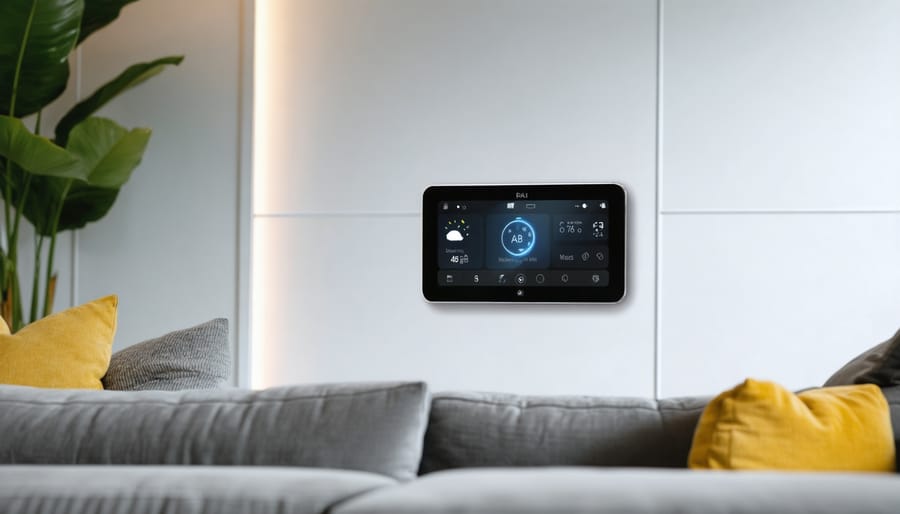
Smart Homes That Think: How AI Climate Systems Are Revolutionizing Interior Comfort
Transform your home’s climate management with AI-powered climate control systems that learn and adapt to your comfort preferences. These intelligent systems analyze historical temperature data, occupancy patterns, and weather forecasts to automatically optimize your indoor environment while reducing energy costs by up to 30%. Modern AI climate solutions now integrate seamlessly with existing smart home devices, creating a unified ecosystem that responds to real-time conditions and lifestyle changes. Whether you’re managing a single-family home or multiple properties, these adaptive systems eliminate the guesswork from climate control, maintaining ideal comfort levels while significantly lowering your carbon footprint. The technology has evolved beyond simple programming to truly understanding your daily routines, making micro-adjustments throughout the day that you might not even notice – but your energy bill certainly will.
How AI Makes Your Home Climate Smarter
Learning Your Comfort Patterns
Modern AI-powered climate systems act like attentive observers of your daily routines and temperature preferences. Over time, these smart systems learn when you typically wake up, leave for work, return home, and go to bed. They also track which temperatures you set throughout the day and how you adjust them based on various factors like weather conditions or activities.
This learning process creates a detailed comfort profile unique to your household. For example, the system might notice that you prefer cooler temperatures while sleeping but enjoy warmer settings during evening relaxation. It can recognize that you typically lower the temperature before exercising or raise it when working from home on your computer.
The AI doesn’t just memorize these patterns – it actively adapts to changes in your routine. If you start working from home more often or adjust your sleep schedule, the system updates its understanding of your preferences. This continuous learning ensures your home’s climate always aligns with your current lifestyle, automatically maintaining optimal comfort while maximizing energy efficiency.
Real-Time Weather Integration
Modern AI-driven climate systems are becoming increasingly sophisticated by incorporating real-time weather data into their decision-making processes. These smart systems continuously monitor local weather conditions, including temperature, humidity, precipitation, and approaching weather fronts, to optimize your indoor environment proactively.
When connected to weather APIs, your AI climate system can anticipate weather changes before they affect your indoor comfort. For example, if the system detects an approaching cold front, it can gradually adjust the indoor temperature to prevent sudden heating demands and reduce energy consumption. Similarly, on humid days, the system can automatically adjust dehumidification settings before moisture becomes an issue inside.
This weather-aware functionality also helps with energy efficiency. The AI can learn patterns between outdoor conditions and your preferred indoor climate, making automatic adjustments that maintain comfort while minimizing energy use. For instance, it might precool your home during early morning hours when temperatures are lower, reducing the cooling load during peak afternoon heat.
The system can even factor in weather forecasts when creating your climate schedule, ensuring optimal comfort while maximizing energy savings throughout changing seasons.
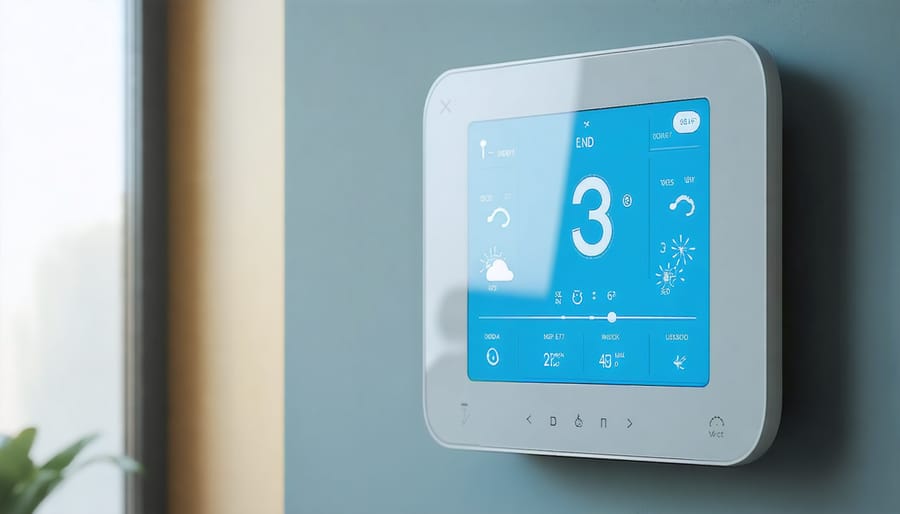
Practical Benefits for Your Living Space

Room-by-Room Intelligence
AI transforms your home into a network of intelligent zones, each optimized for comfort and efficiency. Through advanced sensors and machine learning, the system understands how different areas of your home respond to environmental changes. This personalized approach to zone-based temperature management ensures every room maintains ideal conditions while minimizing energy waste.
In living spaces, AI monitors occupancy patterns and adjusts settings based on daily routines. Your bedroom automatically prepares for bedtime by gradually adjusting temperature and lighting, while the kitchen responds to cooking activities by managing ventilation and temperature fluctuations. Home offices maintain optimal working conditions during business hours, and entertainment areas adjust for maximum comfort during movie nights or gatherings.
The system’s intelligence extends to utility spaces too. Basements receive humidity control to prevent moisture issues, while laundry rooms benefit from automated ventilation during dryer use. Even lesser-used spaces like guest rooms remain efficiently maintained, activating full climate control only when needed.
This room-by-room approach creates a more comfortable, energy-efficient home environment that adapts to your lifestyle. The AI learns from your preferences and behaviors, continuously refining its operations to provide personalized comfort while reducing energy consumption.
Energy Savings Without Sacrifice
AI-driven climate systems deliver impressive cost savings while maintaining optimal comfort levels throughout your home. By continuously analyzing usage patterns and environmental conditions, these smart systems learn when and where heating or cooling is needed most. This targeted approach eliminates energy waste without compromising your comfort preferences.
The intelligent automation adjusts temperature settings based on occupancy, time of day, and even weather forecasts. For example, the system might slightly reduce heating in rarely used rooms during weekdays or automatically adjust cooling levels when cloud cover provides natural shade. These micro-adjustments add up to significant savings on your monthly energy bills – typically 15-30% reduction in energy costs.
What’s particularly appealing is how seamlessly these systems work in the background. Unlike traditional programmable thermostats that require constant manual adjustments, AI-driven systems adapt automatically to your lifestyle. They can detect when you’re heading home from work and prepare your preferred indoor climate, or scale back energy usage when you’re away on vacation.
The system also provides detailed insights into your energy consumption patterns through user-friendly dashboards. This transparency helps you understand exactly where your energy dollars are going and identifies additional opportunities for savings. Best of all, these improvements happen without sacrificing the comfort and convenience you expect from your home’s climate control.
Setting Up Your Smart Climate System
Compatible Devices and Integration
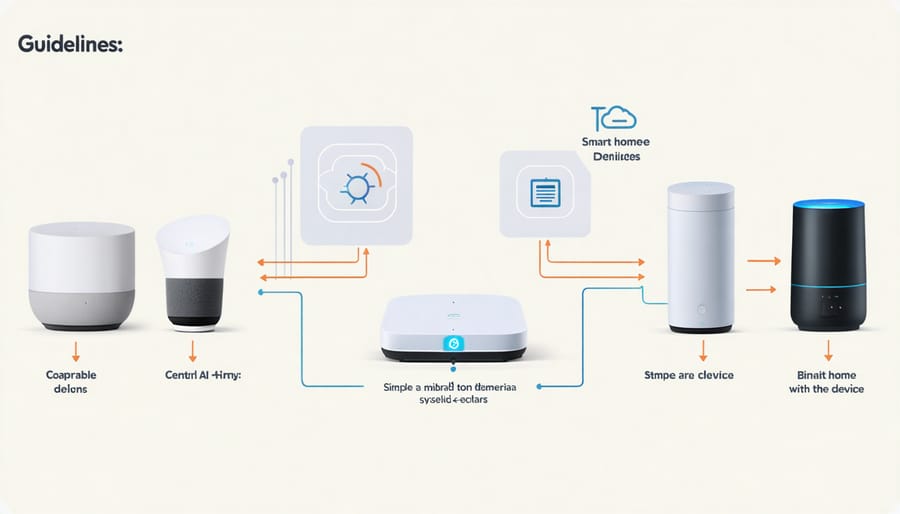
AI-driven climate systems are designed to work with a wide range of modern devices and smart home ecosystems. Most systems are compatible with popular platforms like Amazon Alexa, Google Home, and Apple HomeKit, making integration seamless for most users. To ensure optimal smart device compatibility, look for systems that support standard protocols like Wi-Fi, Zigbee, or Z-Wave.
Essential hardware typically includes smart thermostats, temperature sensors, and a reliable internet connection. Many systems also work with existing HVAC equipment, though some older units may require modernization adapters. For comprehensive climate control, you’ll want to consider compatible humidity sensors, air quality monitors, and smart vents.
Mobile devices running iOS or Android can access these systems through dedicated apps, while web interfaces allow control from any computer. Most solutions require a central hub or controller, which serves as the brain of the system. When selecting components, verify they’re rated for your specific climate zone and can handle your property’s square footage.
Remember that while most AI climate systems are designed for residential use, commercial-grade options are available for larger properties. These typically offer more robust features and can handle multiple zones independently.
Simple Setup Steps
Getting started with AI-driven climate control is simpler than you might think. Begin by assessing your current HVAC system’s compatibility with smart technology. Most modern systems manufactured after 2015 can integrate with AI controllers, but older units may need an adapter.
First, install a smart thermostat that features AI capabilities. Popular options include models from Nest, Ecobee, and Honeywell. Mount it in a central location away from direct sunlight and heat sources for optimal temperature readings.
Next, download the corresponding mobile app and connect your thermostat to your home’s Wi-Fi network. Follow the in-app setup wizard to input basic information about your home, such as square footage, number of rooms, and typical occupancy patterns.
Enable learning mode on your device, which allows the AI to begin collecting data about your temperature preferences and daily routines. This usually takes about a week to establish baseline patterns.
Install additional sensors in frequently used rooms to help the AI better understand temperature variations throughout your home. These typically connect wirelessly to your main thermostat.
Finally, integrate your system with other smart home devices if desired, such as occupancy sensors or smart blinds. This creates a more comprehensive climate control ecosystem that can respond to multiple environmental factors.
Remember to regularly check system updates and adjust settings as needed during the first month while the AI learns your preferences.
As we’ve explored throughout this article, AI-driven climate systems represent a significant leap forward in home comfort and energy efficiency. These intelligent systems learn from your preferences and habits, continuously adapting to create the perfect indoor environment while minimizing energy consumption. The benefits are clear: reduced utility bills, improved comfort levels, and a smaller carbon footprint.
By embracing this technology, homeowners can enjoy personalized comfort without the constant need to adjust settings manually. The system’s ability to predict and respond to weather changes, occupancy patterns, and individual preferences makes it an invaluable addition to any modern home. Moreover, the long-term cost savings from optimized energy usage often offset the initial investment.
Implementation doesn’t have to be overwhelming. Starting with smart thermostats and gradually expanding to more comprehensive systems allows for a comfortable transition to AI-driven climate control. Many solutions now offer user-friendly interfaces and simple installation processes, making them accessible to both tech-savvy homeowners and those new to smart home technology.
Looking ahead, AI climate systems will continue to evolve, becoming even more intuitive and efficient. As these technologies become more widespread, we can expect to see further improvements in functionality and affordability. The time to consider upgrading your home’s climate control is now – not just for the immediate benefits of comfort and savings, but as an investment in the future of sustainable living.
Take the first step toward smarter climate control today. Your home – and your utility bills – will thank you.