Natural Insulation That Actually Works: Transform Your Home’s Efficiency
Transform your home into a naturally efficient haven with sustainable insulation materials that work in harmony with the environment. Cork, sheep’s wool, cellulose, and hemp deliver exceptional thermal performance while creating healthier indoor spaces. These renewable alternatives not only reduce your energy costs but also minimize your carbon footprint through their low-impact production processes.
Unlike synthetic options, natural insulation materials regulate humidity, prevent mold growth, and create a breathable building envelope that maintains consistent indoor temperatures year-round. They’re free from harmful chemicals and irritants commonly found in conventional insulation, making them ideal for environmentally conscious homeowners and those with sensitivities to synthetic materials.
Today’s natural insulation solutions match or exceed the performance of traditional materials, offering R-values between R-3.5 and R-3.7 per inch while providing superior sound dampening and fire-resistant properties. With growing availability and competitive pricing, these sustainable alternatives have become increasingly accessible for both new construction and retrofit projects.
Why Natural Insulation Makes Sense for Modern Homes
Environmental Benefits You Can Feel Good About
Choosing natural insulation materials isn’t just about creating a comfortable living space – it’s about making a positive impact on our planet. These eco-friendly options help boost your home’s energy efficiency while significantly reducing your carbon footprint. Unlike synthetic alternatives, natural insulation materials like hemp, wool, and cork require minimal energy to produce and process, resulting in lower carbon emissions during manufacturing.
Most natural insulation materials are biodegradable or recyclable, meaning they won’t sit in landfills for centuries like traditional fiberglass or foam insulation. Many options, such as recycled cotton and cellulose, are already made from post-consumer waste, giving new life to materials that would otherwise be discarded.
These materials are also renewable resources – sheep continue producing wool, trees regrow cork bark, and hemp crops can be harvested annually. By choosing natural insulation, you’re supporting sustainable agriculture and manufacturing practices while creating a healthier indoor environment. It’s a choice that benefits both your home and the planet for generations to come.
Health and Comfort Advantages
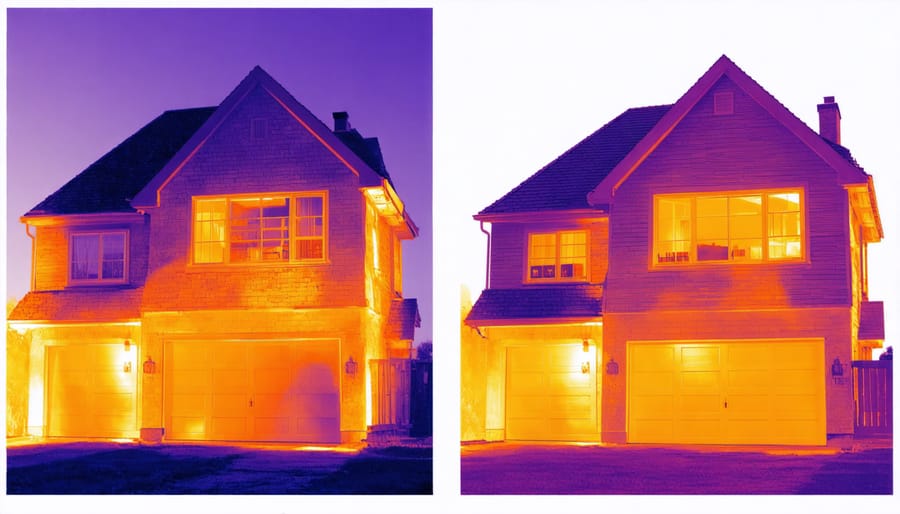
Natural insulation materials offer significant health benefits that synthetic alternatives simply can’t match. Unlike traditional fiberglass or chemical-based insulation, natural materials like wool, cotton, and cork don’t release harmful volatile organic compounds (VOCs) into your living space. This means cleaner, healthier air for you and your family to breathe.
One of the most impressive features of natural insulation is its ability to regulate indoor moisture levels naturally. Materials like sheep’s wool can absorb up to 30% of its weight in moisture without losing its insulating properties, helping prevent mold and mildew growth in your walls. This natural moisture-wicking ability also helps maintain optimal humidity levels in your home, reducing the risk of respiratory issues and creating a more comfortable living environment.
Many natural insulation materials are also hypoallergenic and naturally resist pests, eliminating the need for chemical treatments. For those with chemical sensitivities or allergies, these materials provide a safe, healthy alternative that doesn’t compromise on insulation performance. The natural fibers also help filter indoor air, trapping dust and allergens while allowing your walls to “breathe” naturally.
Top-Performing Natural Insulation Materials
Cork: The Silent Performer
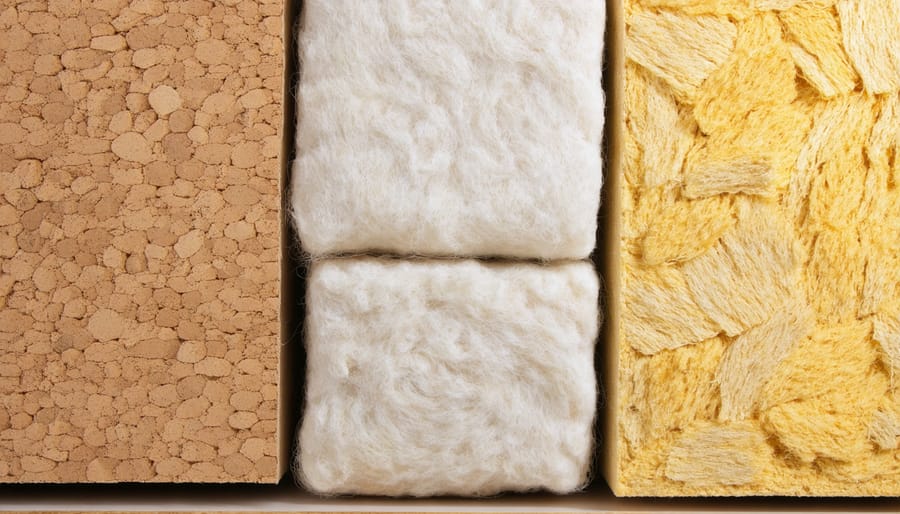
Cork insulation stands out as a remarkable natural material that quietly revolutionizes home comfort. Harvested from the bark of cork oak trees without harming them, this sustainable material offers exceptional thermal and acoustic properties that rival synthetic alternatives.
What makes cork truly special is its unique cellular structure – millions of tiny air-filled chambers that trap heat and dampen sound. This natural composition provides an R-value between 3.6 and 4.2 per inch, making it competitive with conventional insulation materials. Plus, it’s naturally resistant to mold, mildew, and pests.
Installing cork insulation is surprisingly straightforward. It comes in two main forms: rigid boards and spray-applied granules. The boards can be easily cut to size and installed between wall studs or directly onto walls using adhesive or mechanical fasteners. For existing walls, cork granules can be blown into cavities, similar to cellulose insulation.
Beyond its insulation properties, cork adds value through its fire-resistant nature and ability to regulate humidity. It’s particularly effective in attics and walls where temperature fluctuations are common. While the initial cost may be higher than traditional options, cork’s durability – it can last 50+ years – and minimal maintenance requirements make it a cost-effective choice in the long run.
For those concerned about indoor air quality, cork’s natural composition means no off-gassing of harmful chemicals, contributing to a healthier living environment.
Sheep’s Wool: Nature’s Perfect Insulator
Sheep’s wool stands out as one of nature’s most remarkable insulation materials, offering a perfect blend of performance and sustainability. This renewable resource naturally regulates temperature, maintaining warmth in winter and coolness in summer while effectively managing moisture levels in your home.
What makes wool particularly impressive is its ability to absorb and release moisture without compromising its insulating properties. When humidity rises, wool fibers can absorb up to 30% of their weight in moisture without feeling wet, helping prevent condensation and mold growth in wall cavities.
Installation of wool insulation is relatively straightforward and safer than many alternatives. The material doesn’t require protective gear to handle, as it’s free from harmful chemicals and naturally fire-resistant. It also contains keratin, the same protein found in human hair, which acts as a natural flame retardant.
The environmental benefits are equally compelling. Wool insulation is biodegradable, requires minimal processing, and actually helps improve indoor air quality by filtering out harmful pollutants like formaldehyde, nitrogen dioxide, and sulfur dioxide. While the initial cost might be higher than synthetic options, wool’s durability and long-term performance make it a sound investment.
For allergy-conscious homeowners, wool’s natural resistance to dust mites and its hypoallergenic properties make it an excellent choice for creating a healthier living environment.
Cellulose: From Paper to Protection
When you think about paper, insulation might not be the first thing that comes to mind. However, cellulose insulation, made from recycled newspaper and other paper products, is one of the most environmentally friendly options available today. Through a remarkable transformation process, everyday paper waste becomes a highly effective insulating material for homes and buildings.
The journey from paper to insulation starts at recycling facilities, where paper products are mechanically shredded into small fibers. These fibers are then treated with non-toxic borate compounds, which make the material fire-resistant and protect against pests and mold. The result is a loose-fill material that can be blown into walls, attics, and other spaces using specialized equipment.
What makes cellulose particularly impressive is its performance. It achieves an R-value of about 3.5 per inch, which is comparable to traditional fiberglass insulation. The dense packing of cellulose fibers creates tiny air pockets that effectively trap heat, while also forming a seamless barrier that reduces air leakage.
Installation typically involves either the “dry” blown-in method for attics or the “damp-spray” technique for open wall cavities. The material settles and compacts naturally, filling every nook and cranny without leaving gaps that could compromise insulation efficiency. For existing homes, small holes can be drilled to inject the material into closed wall cavities, making it an excellent retrofit option.
Hemp and Cotton: Plant-Based Solutions
Hemp and cotton stand out as exceptional plant-based insulation materials, combining sustainability with impressive performance. Hemp insulation, made from the stalks of industrial hemp plants, offers excellent thermal regulation properties while naturally resisting mold and pests. Its dense fiber structure creates tiny air pockets that effectively trap heat in winter and keep spaces cool during summer months.
Cotton insulation, often manufactured from recycled denim and other textile waste, provides similar benefits while giving new life to materials that might otherwise end up in landfills. It’s particularly appealing for those sensitive to chemical irritants, as it typically doesn’t contain harmful additives or require protective gear during installation.
Both materials boast impressive R-values comparable to traditional fiberglass insulation, with hemp ranging from R-3.5 to R-3.7 per inch and cotton achieving R-3.0 to R-3.7. They’re also breathable, helping to regulate humidity levels and prevent moisture buildup in walls and attics.
Installation is straightforward for both materials, making them suitable for DIY projects. They come in batts or rolls that can be cut to size and fitted between studs and joists. While the initial cost may be higher than conventional options, their durability and energy-saving properties often result in long-term cost benefits, not to mention their minimal environmental impact and contribution to healthier indoor air quality.
Installation Tips and Considerations
Where Natural Insulation Works Best
Different natural insulation materials excel in specific areas of your home, making it essential to choose the right material for each location. For attics and roof spaces, sheep’s wool and cellulose are excellent choices due to their superior moisture-handling properties and ability to maintain consistent temperatures year-round. These materials work particularly well in spaces with varying humidity levels, preventing condensation issues that commonly plague attics.
In wall cavities, cotton and denim insulation prove highly effective, offering excellent sound dampening properties alongside their thermal benefits. These materials compress well without losing effectiveness, making them ideal for tight spaces between studs. Cork insulation works exceptionally well in basement walls and floors, thanks to its natural resistance to mold and moisture while providing additional sound insulation.
For exposed areas like crawl spaces and rim joists, hemp insulation offers outstanding performance due to its natural pest-resistant properties and ability to maintain its shape over time. Wood fiber insulation boards are perfect for exterior wall sheathing, providing both thermal protection and structural support while allowing walls to breathe naturally.
In humid environments like bathrooms and kitchens, straw bale insulation should be avoided, but materials like wool and cork excel due to their moisture-managing capabilities. For underfloor applications, especially in older homes, loose-fill cellulose or cork granules work brilliantly, easily filling irregular spaces while providing excellent thermal protection.
Remember that climate plays a crucial role in material selection. Drier climates may benefit more from materials like straw and hemp, while wetter regions might find wool and cellulose more suitable for long-term performance.
Professional vs. DIY Installation
While many DIY home improvement projects can be tackled independently, installing natural insulation requires careful consideration of your skill level and the project’s complexity. Small-scale projects, such as insulating an attic with loose-fill cellulose or installing wool batts in interior walls, are generally suitable for experienced DIYers with proper safety equipment and basic tools.
However, professional installation is recommended for more complex situations, including:
– Spray-based insulation applications
– Whole-house installations
– Projects requiring specialized equipment
– Installations involving electrical or plumbing work
– Situations where existing insulation needs removal
– Areas with potential moisture or structural issues
Professional installers bring expertise in proper material density, vapor barriers, and building codes. They can also identify potential issues like air leaks or moisture problems that might affect insulation performance. While professional installation costs more upfront, it often pays for itself through proper installation that maximizes energy efficiency and minimizes future problems.
If you decide to DIY, thoroughly research the specific material you’re using and its installation requirements. Always wear appropriate protective gear, including respiratory protection, and ensure proper ventilation. Consider taking a workshop or consulting with experienced installers before starting. Some suppliers offer installation guidance and support for DIYers, which can be invaluable for first-time installers.
Remember that improper installation can lead to reduced efficiency, moisture problems, and even potential health issues, so when in doubt, consult a professional.
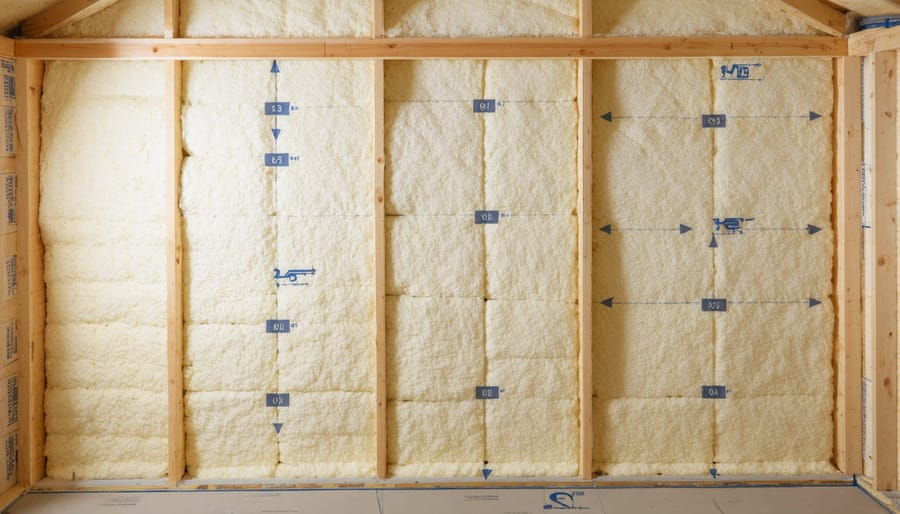
Natural insulation materials offer an environmentally conscious and effective solution for creating comfortable, energy-efficient spaces. Throughout this guide, we’ve explored various sustainable options, from sheep’s wool and cork to cellulose and cotton, each bringing unique benefits to your insulation project. These materials not only provide excellent thermal performance but also contribute to a healthier indoor environment and reduced carbon footprint.
Remember that successful installation depends on careful planning and proper technique. Whether you’re tackling a DIY project or working with professionals, always ensure proper moisture control, ventilation, and local building code compliance. Consider factors like climate, budget, and specific application requirements when selecting your natural insulation material.
Looking ahead, the natural insulation market continues to innovate, with new materials and installation methods emerging regularly. As sustainability becomes increasingly important in construction and renovation, these eco-friendly options are becoming more accessible and cost-effective.
Ready to start your natural insulation project? Begin by assessing your space, consulting with local suppliers, and gathering necessary permits. Consider scheduling an energy audit to identify your home’s specific insulation needs. With proper research and preparation, you’ll be well-equipped to make an informed decision that benefits both your home and the environment.
Take the first step toward a more sustainable, energy-efficient space by exploring these natural insulation options today.