How 3D Tech Artists Are Revolutionizing Custom Home Decor
Step into the future of home design with 3D tech artists, the innovative professionals revolutionizing how we visualize and create living spaces. These digital craftsmen blend artistic vision with cutting-edge technology to transform ordinary rooms into extraordinary environments through tech-enhanced decor and immersive designs.
Unlike traditional interior designers, 3D tech artists harness powerful visualization software to create photorealistic previews of your space before a single piece of furniture moves. They craft custom digital sculptures, interactive wall installations, and smart lighting solutions that respond to your presence, turning your home into a dynamic canvas where technology and aesthetics seamlessly merge.
Whether you’re renovating a cozy apartment or redesigning a sprawling commercial space, these digital artisans offer something traditional decorators can’t: the ability to experience and refine your design choices virtually, ensuring every detail aligns perfectly with your vision before implementation. Their expertise bridges the gap between imagination and reality, making bold design choices feel less risky and more accessible to everyone.

The Modern 3D Tech Artist’s Role in Home Decor
Bridging Digital Design and Physical Craftsmanship
In today’s design landscape, 3D tech artists seamlessly blend traditional artistic principles with cutting-edge digital capabilities. These skilled professionals understand the timeless elements of color theory, composition, and spatial relationships while leveraging powerful software tools to bring their visions to life. By combining classical design knowledge with modern technology, they’re revolutionizing how we approach innovative materials in home decor and spatial design.
The process typically begins with hand-sketching concepts, much like traditional artists, before transitioning to digital tools for precise modeling and visualization. This hybrid approach allows 3D tech artists to maintain the organic, human touch of handcrafted design while taking advantage of the precision and flexibility that digital tools offer. They can quickly iterate through design options, experiment with different textures and materials, and create photorealistic previews that help clients visualize the final result in their space.
What makes their work particularly valuable is their ability to bridge the gap between imagination and reality, ensuring that digital designs can be successfully translated into physical objects or spaces that enhance our homes.
Essential Tools and Technologies
Modern 3D tech artists rely on a versatile toolkit that combines powerful software and specialized hardware to bring their creative visions to life. The foundation typically starts with industry-standard 3D modeling software like Autodesk Maya, Blender, or Cinema 4D for creating detailed digital models. For texture work and surface detailing, programs like Adobe Substance Painter and Designer are essential tools.
Hardware requirements include high-performance computers with dedicated graphics cards, typically featuring NVIDIA RTX or similar professional-grade GPUs. A drawing tablet, such as those from Wacom, enables precise digital sculpting and texturing. For visualization and client presentations, many artists utilize VR headsets like the Oculus Quest or HTC Vive to showcase designs in immersive 3D environments.
Real-time rendering engines like Unreal Engine and Unity have become increasingly important, allowing artists to create interactive visualizations that clients can explore. For final renders and presentations, rendering software like V-Ray or Arnold ensures photorealistic results. Cloud rendering services help manage intensive computational tasks, while project management tools like Trello or Asana keep workflows organized and on track.
Popular Applications in Home Decor
Custom Furniture Design
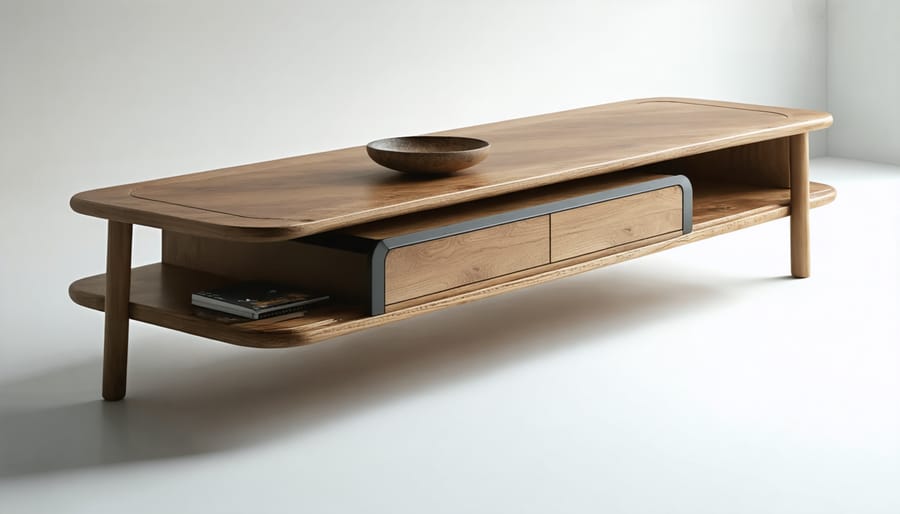
3D tech artists are revolutionizing the way we approach custom artisanal decor, especially in furniture design. Using sophisticated 3D modeling software, these artists create virtual prototypes that allow clients to visualize their dream furniture pieces before production begins. They start by discussing your specific needs, style preferences, and space requirements, then translate these ideas into detailed digital models.
The process typically begins with rough sketches that evolve into precise 3D renderings, showing every angle and detail of the furniture piece. Artists can experiment with different materials, finishes, and dimensions in real-time, making adjustments based on your feedback. This interactive approach ensures that the final piece perfectly matches your vision while maintaining practical functionality.
What makes this process particularly valuable is the ability to spot potential issues before construction begins. 3D artists can test how different pieces fit together, ensure proper ergonomics, and even simulate how light interacts with various materials. They can also create detailed technical specifications for craftspeople who will build the physical piece.
The technology allows for incredible customization options, from built-in storage solutions to integrated lighting features. Whether you’re looking for a statement dining table or a space-saving murphy bed, 3D tech artists can help bring your unique furniture ideas to life while ensuring they work perfectly in your space.
Interactive Wall Art and Installations
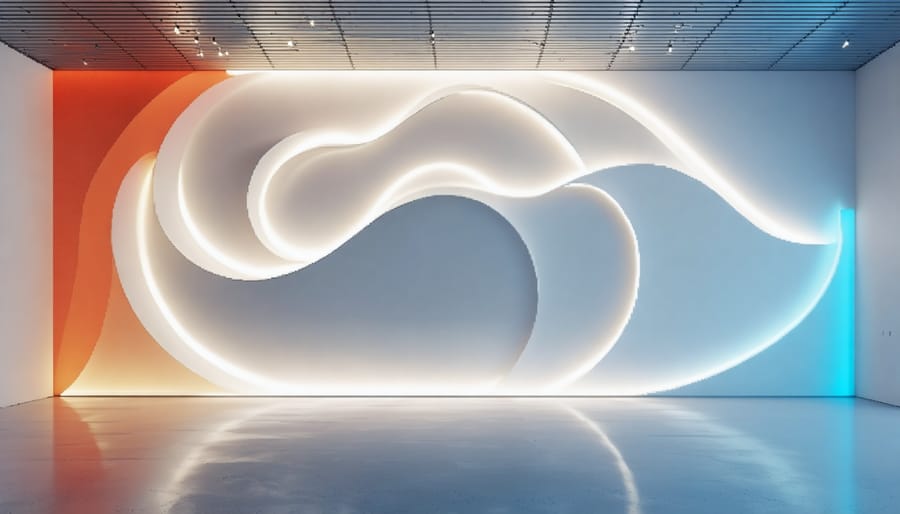
Modern homes are being transformed by stunning interactive wall art installations that blend technology with artistic expression. These dynamic pieces respond to movement, sound, or touch, creating an ever-changing visual experience that brings walls to life. Popular examples include LED-embedded panels that create rippling light patterns when someone walks by, sound-reactive murals that pulse with music, and touch-sensitive displays that bloom with digital flowers where fingers trace the surface.
3D tech artists are pushing boundaries by incorporating sensors, programmable lights, and motion-tracking cameras into their designs. Some installations use smartphone apps to let homeowners customize colors and patterns, while others respond to environmental factors like temperature or time of day. These pieces aren’t just decorative; they transform spaces into immersive environments that reflect and react to daily life.
For commercial spaces, these installations often become signature attractions, drawing visitors who interact with the art while creating shareable social media moments. The technology is becoming more accessible for residential use too, with options ranging from simple motion-activated pieces to sophisticated systems that learn and adapt to household routines.
Smart Lighting Integration
Smart lighting has become a cornerstone of modern interior design, and 3D tech artists are revolutionizing how we illuminate our spaces. These professionals create stunning lighting solutions that blend functionality with artistic expression, using advanced 3D modeling software to visualize and perfect lighting schemes before implementation.
By crafting detailed 3D renderings, tech artists can demonstrate how different lighting elements will interact with your space, from ambient ceiling lights to accent fixtures and smart LED strips. They carefully consider factors like color temperature, intensity, and shadow patterns to create layered lighting designs that enhance your home’s atmosphere while meeting practical needs.
These artists often incorporate smart home technology into their designs, allowing you to control different lighting zones through mobile apps or voice commands. They can create preset scenes for various activities – from bright, energizing morning light to soft, relaxing evening ambiance – all while ensuring seamless integration with your home’s architecture and decor.
Their expertise extends to energy efficiency as well, helping you choose and position smart fixtures that reduce power consumption while maximizing visual impact. The result is a perfectly balanced lighting system that’s both beautiful and intelligent.
Working with a 3D Tech Artist
Finding the Right Artist
When searching for the perfect 3D tech artist for your project, start by reviewing their portfolio thoroughly. Look for work that demonstrates versatility across different design styles and shows technical proficiency in the specific type of visualization you need. Pay attention to the details in their rendered spaces – realistic lighting, texture quality, and overall composition are key indicators of skill level.
Experience matters, but don’t overlook emerging talent who might bring fresh perspectives to your project. Ask potential artists about their software expertise, particularly with industry-standard programs like 3ds Max, Maya, or Blender. Their familiarity with these tools directly impacts their ability to deliver what you need.
Communication skills are crucial. During initial consultations, assess how well they understand your vision and whether they ask detailed questions about your requirements. A good 3D tech artist should be able to explain their process clearly and provide realistic timelines for project completion.
Consider checking reviews or testimonials from previous clients, focusing on feedback about meeting deadlines and handling revisions. Request a detailed quote that outlines deliverables, revision policies, and payment terms. Some artists might offer packages that include different levels of detail or multiple revision rounds.
Finally, ensure they stay updated with the latest rendering technologies and design trends. The best artists continuously evolve their skills to provide cutting-edge solutions for their clients.
Cost Considerations and Planning
When planning to work with a 3D tech artist, it’s important to understand the cost factors and timeline expectations. Prices typically range from $50 to $150 per hour for freelance work, while more complex projects with established studios can command higher rates. The final cost depends on several factors, including project complexity, required revisions, and the level of detail needed.
For a basic room visualization, you might expect to pay between $500 and $1,500, with a timeline of 1-2 weeks. More elaborate projects, such as full home interior renderings with multiple rooms and custom elements, can range from $2,000 to $5,000 or more, typically taking 3-4 weeks to complete.
To make the most of your budget, consider these planning tips:
– Prepare detailed reference materials and inspiration images
– Clearly define project scope and deliverables upfront
– Schedule regular check-ins during the creation process
– Budget for at least one round of revisions
– Factor in additional time for rendering and final touches
Many 3D tech artists offer package deals for multiple rooms or recurring projects, which can help reduce overall costs. It’s also worth considering that while the initial investment might seem significant, the resulting visualizations can save money by preventing costly design mistakes and helping secure client approvals more quickly.
The impact of 3D tech artists on modern home decor has been nothing short of revolutionary. These creative professionals have transformed the way we envision, plan, and implement interior design projects, making custom solutions more accessible and achievable than ever before. Through their expertise in digital visualization and technical design, they’ve bridged the gap between imagination and reality, allowing homeowners to see and refine their design choices before making any physical changes.
Looking ahead, the possibilities are even more exciting. As technology continues to advance, we can expect to see more integration of augmented reality in home design, allowing us to visualize different design elements in real-time through our mobile devices. 3D tech artists will likely play a crucial role in developing interactive design experiences, creating smart home interfaces, and pushing the boundaries of what’s possible in personalized home decor.
The fusion of artistic vision and technical expertise that 3D tech artists bring to the table has made them indispensable partners in modern home design. Whether you’re planning a complete home renovation or simply wanting to update your living space, these professionals can help turn your design dreams into reality while saving time, money, and potential disappointment from mismatched expectations. As we move forward, their role will only become more vital in creating the innovative, personalized living spaces of tomorrow.