Elevate Your Space with Mesmerizing Kinetic Art Mobiles
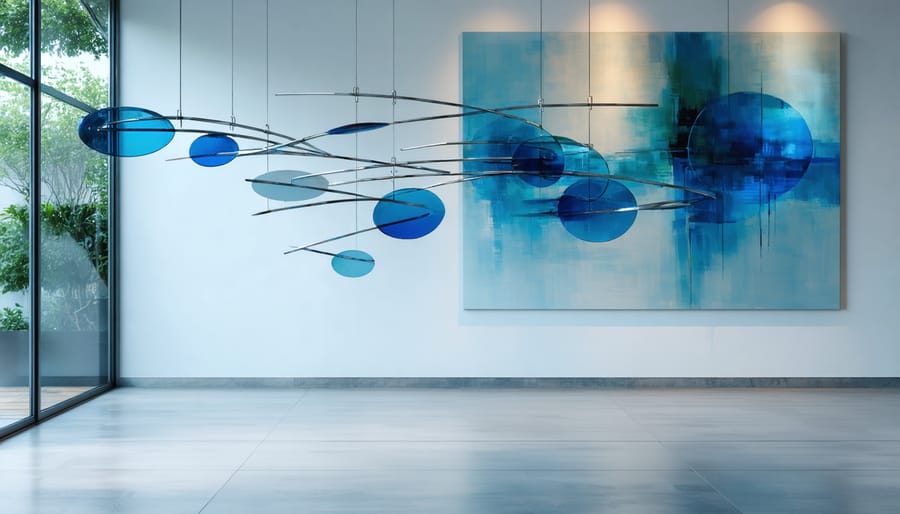
Suspended in perfect balance, kinetic art mobiles transform ordinary spaces into dynamic galleries of movement and light. These graceful sculptures, pioneered by artists like Alexander Calder, dance with the slightest breeze, creating ever-changing compositions that captivate viewers and enhance any room’s aesthetic appeal. Modern kinetic mobiles blend artistic expression with engineering precision, using carefully calibrated weights and counterbalances to achieve fluid, natural motion that responds to air currents and environmental changes. Whether crafted from sleek metal elements, colorful abstract shapes, or natural materials, these interactive art pieces serve as both sophisticated focal points and conversation-starting design elements that bring spaces to life through their perpetual, mesmerizing movement.
The introduction strikes a balance between artistic appreciation and practical application, setting up readers to learn more about selecting and installing these dynamic pieces in their own spaces, while maintaining an accessible, engaging tone that appeals to both design enthusiasts and homeowners seeking to elevate their decor.
Why Kinetic Art Mobiles Transform Living Spaces
The Science of Movement and Visual Appeal
Movement naturally draws our eyes and captures our attention – it’s hardwired into our biology. This is precisely why kinetic art mobiles are such powerful pieces of art that elevates interior design. As these sculptural pieces gently rotate and shift, they create an ever-changing display that brings spaces to life.
The science behind their appeal lies in how our brains process motion. Even subtle movements trigger our visual awareness, making kinetic art naturally engaging. When air currents cause mobile elements to dance and pivot, they create flowing patterns that can be both mesmerizing and calming. This dynamic quality transforms static rooms into more vibrant, living environments.
Unlike traditional artwork, mobiles interact with their surroundings, responding to air circulation and natural light. This responsiveness helps create a connection between the art piece and its environment, making spaces feel more organic and harmonious.
Creating Focal Points with Moving Art
Kinetic mobiles naturally draw the eye upward and create dynamic points of interest in any space. As these pieces move and shift, they transform static rooms into living environments that spark conversation and capture attention. The gentle, perpetual motion adds an element of sophistication while breaking up the monotony of still decorative elements.
Strategic placement is key to maximizing their impact. Consider installing mobiles in areas where natural airflow occurs, such as near windows or in open-concept spaces. They work particularly well in entryways, above dining tables, or in double-height spaces where their full range of movement can be appreciated. The interplay of light and shadow created by moving elements adds another layer of visual interest, especially when combined with thoughtful lighting design.
In commercial spaces, kinetic mobiles can serve as memorable landmarks, helping visitors navigate while creating a distinct atmosphere that sets your space apart.
Choosing the Perfect Kinetic Mobile for Your Space
Size and Scale Considerations
When selecting a kinetic art mobile, size and proportion play crucial roles in how effectively it transforms interior spaces. A general rule of thumb is to choose a mobile that occupies roughly one-third of the room’s width when fully extended. For standard living rooms (12×15 feet), consider mobiles spanning 3-4 feet across. In smaller spaces like entryways, opt for compact designs around 18-24 inches wide.
Height placement is equally important – allow at least 7 feet of clearance from the floor in walkways, and 12-18 inches from the ceiling for optimal movement. For dining areas, position the lowest element at least 30 inches above the table surface. When installing over kitchen islands or coffee tables, ensure the mobile’s lowest point remains 24-36 inches above the surface to maintain proper scale and prevent interference with daily activities.
Remember that the mobile’s visual weight should balance with your room’s existing elements. Larger rooms with high ceilings can accommodate more substantial pieces, while cozier spaces benefit from lighter, more delicate designs.

Style and Material Selection
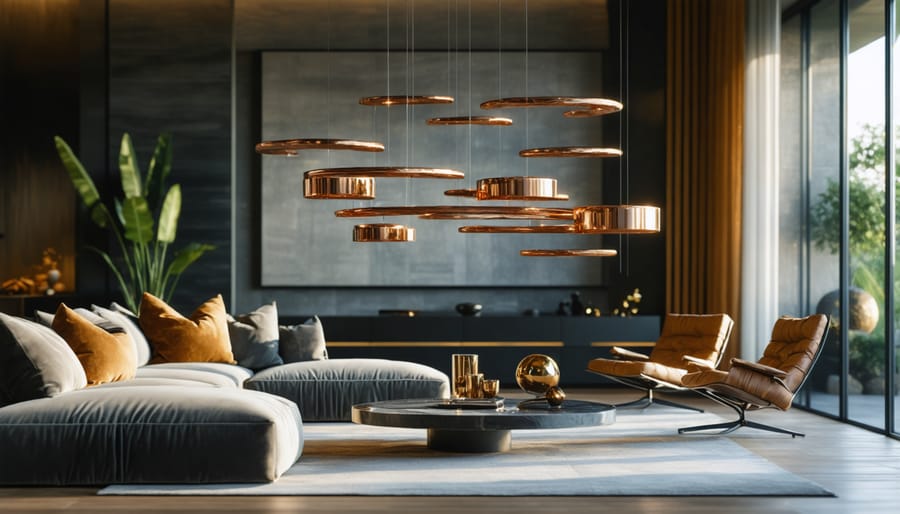
The beauty of kinetic art mobiles lies in their versatility, offering endless possibilities through material and style combinations. Traditional mobiles often feature metal elements like aluminum, brass, or stainless steel, which provide durability and a sophisticated sheen. These materials can create bold visual contrasts when paired with different finishes or complementary materials.
For a modern aesthetic, consider sleek geometric shapes in powder-coated metals or clear acrylic. These materials reflect light beautifully and add a contemporary edge to any space. Natural materials like wood, bamboo, or dried elements work wonderfully in rustic or bohemian settings, bringing warmth and organic movement to your decor.
Color plays a crucial role in mobile design. While minimalist black and white pieces offer timeless appeal, vibrant colors can become striking focal points. Glass elements introduce gorgeous light play and can be matched to your existing color scheme. For coastal themes, consider incorporating driftwood or sea glass, while industrial styles benefit from raw metals and wire materials.
The scale of your mobile should complement your space – larger pieces work well in open foyers or living areas, while smaller, delicate designs are perfect for intimate spaces like reading nooks or home offices. Consider combining different materials within the same piece; mixing metal with wood or incorporating fabric elements can add depth and visual interest to your mobile.
Remember that the weight and balance of materials affect the mobile’s movement, so choose combinations that create the desired kinetic effect while maintaining structural integrity.
Installation and Placement Tips
Optimal Positioning for Movement
To maximize the mesmerizing effects of your kinetic art mobile, placement is key. Start by identifying areas with natural air circulation, such as near windows, doorways, or air vents. These spots provide consistent gentle movement without the need for artificial air flow. However, avoid placing mobiles directly in front of air conditioning units or heating vents, as the strong direct airflow can cause erratic or excessive movement.
Height is another crucial factor. For living spaces with standard 8-foot ceilings, hang mobiles about 6.5 to 7 feet from the floor, allowing the bottom elements to float gracefully above head level. In rooms with higher ceilings, you can adjust this height upward while ensuring the piece remains visible from your primary viewing angles.
Consider the mobile’s relationship with natural light sources. Positioning near windows can create stunning shadow plays throughout the day, adding an extra dimension to your kinetic art. For evening enjoyment, strategic placement near soft lighting can enhance the mobile’s visual impact through subtle shadow casting.
Remember to leave adequate space around the mobile – at least 18 inches from walls and other objects – to allow for full rotational movement without obstruction.
Installation Best Practices
Proper installation of your kinetic art mobile is crucial for both safety and optimal movement. Start by selecting a sturdy mounting point in your ceiling, ideally finding a joist using a stud finder. If mounting into drywall, use appropriate anchors rated for at least twice your mobile’s weight.
Install your mounting hardware at a height that allows the mobile to hang freely without interference from furniture or foot traffic. Most mobiles work best with 12-24 inches of clearance from the ceiling. When attaching the mobile, use a level to ensure the primary suspension point is perfectly horizontal.
Balance adjustment is key to achieving fluid movement. Begin at the top tier and work your way down, adjusting the position of each arm until elements hang level when at rest. Small adjustments can be made by gently bending the wires or moving counterweights. Test the balance by lightly touching different parts of the mobile – each section should return to its neutral position smoothly.
For larger installations, consider using a laser level to ensure perfect alignment, and always have a helper spot you while on a ladder. Once balanced, give your mobile a gentle spin to ensure all elements move freely without tangling or hitting each other.

Maintaining Your Kinetic Art Mobile
Regular maintenance keeps your kinetic art mobile looking stunning and moving smoothly. Start with weekly dusting using a soft feather duster or compressed air to prevent buildup that could affect the mobile’s movement. For thorough cleaning every few months, use a slightly damp microfiber cloth to wipe down each element, being careful not to get water near any connecting points or bearings.
Check all connection points monthly, ensuring hooks, strings, or wires remain secure. If you notice any loose elements, tighten them immediately to prevent potential damage. For mobiles with metal components, inspect for early signs of oxidation and apply a light coat of appropriate metal polish when needed.
Keep your mobile away from direct heat sources and air vents, as temperature fluctuations can affect balance and movement. In humid environments, consider using a dehumidifier to prevent moisture damage. If your mobile includes delicate materials like paper or fabric, minimize exposure to direct sunlight to prevent fading.
Occasionally, you might need to rebalance elements if they become misaligned. Make small adjustments by gently bending connecting wires or repositioning weights. For ceiling-mounted pieces, verify the security of mounting hardware every six months. If your mobile develops squeaky joints, a tiny drop of mineral oil can help restore smooth movement.
Store your mobile carefully when not in use, ideally suspended in a dust-free environment or carefully wrapped in acid-free tissue paper.
Kinetic art mobiles have revolutionized the way we think about decorative elements in our homes. These mesmerizing pieces bring movement, depth, and artistic expression to spaces that might otherwise feel static. By incorporating these dynamic sculptures, you can transform ordinary rooms into engaging environments that capture attention and spark conversation.
The beauty of kinetic art mobiles lies in their versatility. Whether you choose a delicate handcrafted piece for your living room, a bold statement mobile for your foyer, or a collection of smaller pieces for your home office, these installations can adapt to any aesthetic while adding a touch of sophistication and whimsy.
As you consider enhancing your space, remember that kinetic art mobiles offer more than just visual appeal. They create an ever-changing display that responds to air currents, natural light, and the rhythm of daily life. This interactive quality makes them uniquely engaging decorative elements that can breathe life into any room.
Take the first step in elevating your home’s ambiance by incorporating a kinetic art mobile. The gentle movement and artistic design will create a peaceful, dynamic atmosphere that both relaxes and inspires.