4-Wall Lighting: The Secret to Perfect Room Ambiance
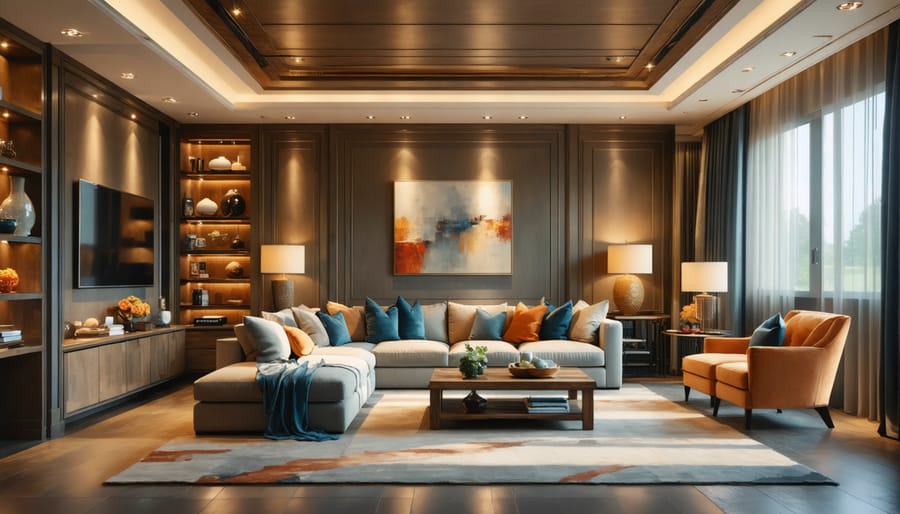
Transform any room into a stunning, well-lit sanctuary using 4-wall lighting, one of the most effective decorative lighting techniques in modern interior design. This strategic approach illuminates each wall independently, creating layers of light that eliminate harsh shadows and enhance architectural features. Mount adjustable sconces at eye level to wash walls with gentle illumination, install cove lighting near the ceiling to add depth, and position corner lights to soften transitions between walls. Smart LED systems now allow precise control over each wall’s brightness and color temperature, letting you craft the perfect ambiance for any occasion – from energetic workspaces to cozy evening retreats. Whether modernizing a historic home or designing a contemporary space, 4-wall lighting delivers professional-grade illumination that transforms ordinary rooms into extraordinary living environments.
Why 4-Wall Lighting Transforms Your Space
Creating Visual Balance
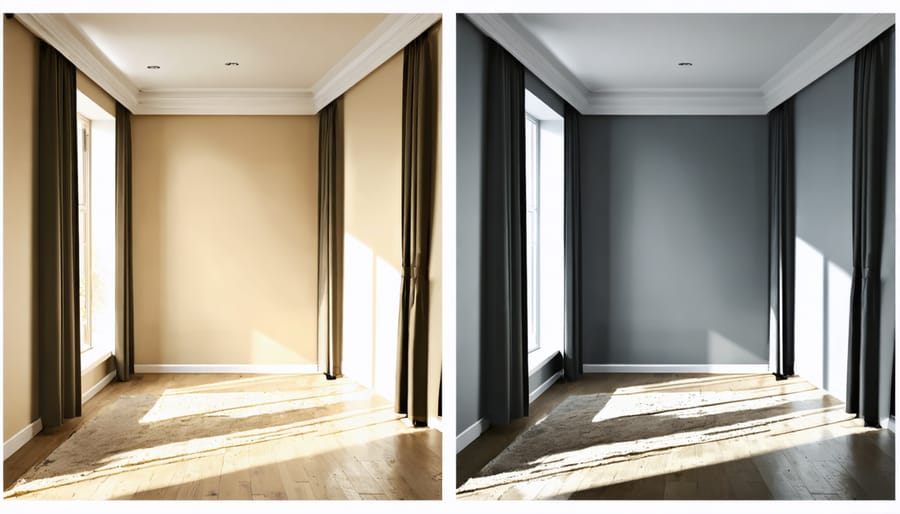
When executed properly, 4-wall lighting creates a harmonious atmosphere that can truly transform your space with lighting. By distributing light sources evenly across all walls, you eliminate harsh shadows and create a sense of completeness in the room. This balanced approach ensures that no single wall dominates the space visually, while maintaining consistent illumination throughout.
The key to achieving perfect balance lies in symmetrical fixture placement and matching light intensities. Consider installing similar fixtures at equal heights and spacing them uniformly around the room. For larger walls, you might use multiple fixtures to maintain proportion with smaller walls. This technique works particularly well in square or rectangular rooms, where the balanced lighting helps define corners and architectural features while creating an inviting atmosphere that feels naturally welcoming and well-designed.
Eliminating Dark Corners
One of the biggest challenges in interior lighting is eliminating dark corners, which can make rooms feel smaller and less inviting. Four-wall lighting tackles this problem head-on by ensuring every corner receives adequate illumination. By strategically placing light sources on all walls, you create an even wash of light that eliminates shadows and makes spaces feel larger and more welcoming.
This comprehensive approach helps maximize usable space by making previously dark areas functional for activities like reading, working, or displaying artwork. In larger rooms, it prevents the common issue of light clustering in the center while leaving edges dim. For smaller spaces, it creates the illusion of expanded dimensions by drawing the eye outward to well-lit boundaries.
Modern LED strips and sconces make it easier than ever to illuminate tricky corners without taking up valuable floor or surface space. This technique is particularly effective in rooms with awkward layouts or limited natural light, transforming previously unused areas into functional, inviting spaces.
Essential Components for 4-Wall Lighting
Wall Sconces
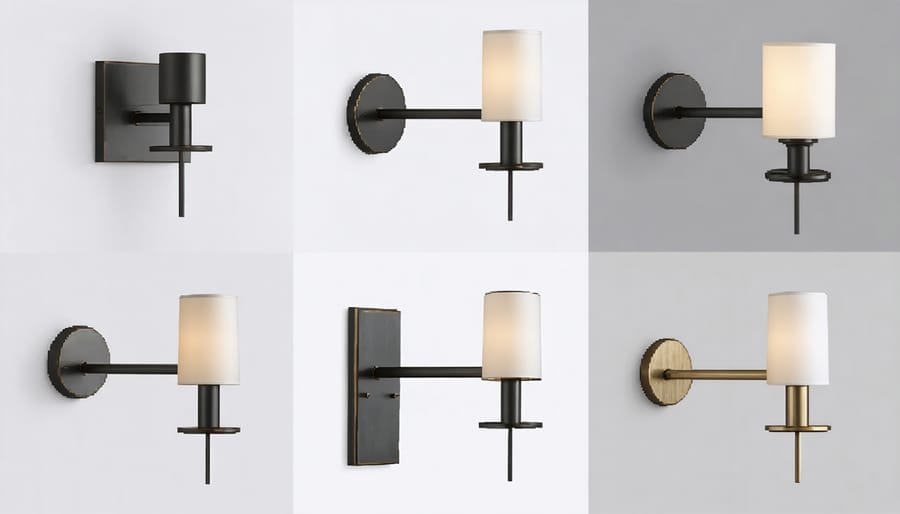
Wall sconces add both style and functionality to your 4-wall lighting design, serving as elegant accent pieces while providing essential task or ambient lighting. These versatile fixtures come in various styles, from traditional candle-style sconces to modern LED panels and adjustable reading lights.
For optimal placement, install wall sconces at eye level (typically 60-72 inches from the floor) and space them 6-8 feet apart. In living areas, consider placing them on either side of artwork or mirrors to create visual interest. For hallways, stagger sconces on alternate walls to ensure even illumination and avoid a tunnel effect.
When selecting wall sconces, consider both their decorative and functional purposes. Up-light sconces create ambient lighting and emphasize ceiling texture, while down-light models work well for task lighting or highlighting wall features. For maximum flexibility, choose dimmable fixtures that integrate with your smart home system.
Popular styles include industrial-modern sconces with exposed bulbs, sleek contemporary designs with integrated LEDs, and traditional options featuring glass or fabric shades. Remember to match the fixture’s scale to your room size and coordinate finishes with existing hardware for a cohesive look.
Accent Lights
Accent lighting adds drama and visual interest to your 4-wall lighting design by highlighting specific architectural features, artwork, or decorative elements. Strategic placement of LED strips, puck lights, or adjustable spotlights can create stunning focal points that draw attention to textured walls, alcoves, or statement pieces. Consider installing these lights at angles to create shadows and depth, enhancing the room’s dimensional appeal.
For maximum impact, aim accent lights 30 degrees from vertical and position them 6-12 inches from the wall. Modern smart accent lights offer color-changing capabilities and dimming options, allowing you to adjust the ambiance for different occasions. When incorporating accent lighting, follow the rule of thirds – illuminate key features at varying heights to maintain visual balance.
Popular accent lighting techniques include grazing (positioning lights close to textured surfaces), washing (broader, even illumination), and spotlighting (focused beams on specific objects). Remember that accent lighting works best when it’s about three times brighter than the room’s ambient lighting, creating clear visual hierarchy and depth.
Complementary Lighting
Complementary ceiling and floor lighting work together with your wall lighting to create a truly immersive atmosphere. Start by installing recessed ceiling lights or elegant pendant fixtures that complement your wall sconces in both style and color temperature. Position these overhead lights to fill any shadows and dark spots that wall lighting alone might miss.
For floor lighting, consider using uplights positioned strategically along the baseboards or toe-kick lighting under cabinets. These ground-level sources create a beautiful layered effect when combined with wall and ceiling fixtures. Smart LED strip lights are particularly effective for this purpose, as they can be easily controlled and color-matched to your wall lighting.
Remember to maintain a consistent color temperature throughout all lighting levels. If your wall sconces emit warm white light (2700K-3000K), choose matching temperatures for your ceiling and floor fixtures to create a cohesive look. Use dimmers on all three levels to adjust the ambiance according to different times of day or activities.
Installation and Placement Tips
Spacing and Height Guidelines
For optimal 4-wall lighting, start with fixtures positioned 24-30 inches below the ceiling line. Space wall sconces or linear lights evenly, typically 6-8 feet apart, depending on your room’s dimensions. In rooms with standard 8-foot ceilings, mount fixtures at approximately 5.5-6 feet from the floor for balanced illumination and visual comfort.
For larger spaces, maintain consistent spacing between fixtures, but consider increasing the number of lights rather than the distance between them. In rooms with high ceilings (10 feet or more), raise the mounting height proportionally, keeping fixtures about 2-2.5 feet below the ceiling.
When incorporating accent lighting, position smaller fixtures 12-18 inches apart for creating visual interest without overwhelming the space. For doorways and windows, maintain at least 18 inches of clearance to prevent shadows and glare.
Remember to adjust these measurements based on your specific room layout and lighting needs. For example, artwork lighting might require closer spacing, while ambient lighting can follow wider intervals. Always test light positions before permanent installation to ensure optimal coverage and effect.
Room-Specific Considerations
Different rooms require unique approaches to 4-wall lighting based on their size, function, and architectural features. In living rooms, focus on highlighting artwork and creating layers of light that complement natural illumination. Consider installing dimmers to adjust the ambiance for various activities, from reading to entertaining.
For bedrooms, opt for softer, warmer lighting with gentle wall washing effects. Install fixtures that provide enough task lighting near dressing areas while maintaining a relaxing atmosphere throughout the space. In bathrooms, ensure even lighting distribution to eliminate shadows, particularly around mirrors and vanity areas.
Kitchens benefit from brighter, more functional lighting with special attention to work surfaces and cabinet areas. For dining rooms, create intimate lighting zones while maintaining consistent illumination along all walls. In home offices, balance ambient lighting with task-specific solutions to reduce eye strain and enhance productivity.
Large rooms may require additional fixtures or stronger output to maintain consistent coverage, while smaller spaces need careful planning to avoid overwhelming the area. Consider ceiling height when selecting and positioning fixtures, as this impacts the overall lighting effect and installation requirements.
Smart Technology Integration
Modern technology has revolutionized how we control and interact with our lighting systems. With smart home lighting automation, you can transform your 4-wall lighting setup from basic to brilliant with just a few taps on your smartphone.
Today’s smart lighting solutions offer features like scheduling, dimming controls, and scene creation. You can program your lights to gradually brighten in the morning, creating a natural wake-up experience, or set them to automatically adjust throughout the day to complement natural light levels. Many systems also include motion sensors that can trigger lighting changes when you enter or leave a room, saving energy while maintaining convenience.
Voice control integration through platforms like Alexa, Google Assistant, or Siri adds another layer of hands-free convenience. Imagine walking into your living room and simply saying, “Turn on evening mode” to activate your perfect ambient lighting setup.
Color-changing LED strips and smart bulbs allow you to customize your space’s atmosphere instantly. Whether you’re hosting a dinner party, watching a movie, or working from home, you can adjust your 4-wall lighting to match the occasion. Some systems even sync with your music or TV content for an immersive entertainment experience.
For optimal results, consider using a dedicated lighting hub that can coordinate all your smart fixtures. This ensures smooth operation and allows you to create more complex automation routines. Many systems also offer remote access, letting you control your lighting from anywhere using your smartphone.
Four-wall lighting is more than just a lighting technique; it’s a transformative approach that can revolutionize how you experience and interact with your living spaces. By strategically illuminating all four walls of a room, you create a balanced, welcoming environment that enhances both functionality and aesthetics. Whether you’re working with a cozy bedroom or a spacious living area, this comprehensive lighting strategy offers flexibility and control over your space’s ambiance.
Remember that successful implementation doesn’t require an all-or-nothing approach. Start with one room and experiment with different fixtures and placement options. Consider incorporating smart lighting technology to maximize control and energy efficiency. As you become more comfortable with the concept, you can expand to other areas of your home.
The key to success lies in careful planning, understanding your space’s unique requirements, and selecting the right combination of fixtures. Whether you’re a DIY enthusiast or working with a professional, the investment in four-wall lighting will pay dividends in improved functionality, enhanced mood, and increased property value. Take that first step toward transforming your space with this versatile lighting approach – your perfectly lit room awaits.