Retro Kitchen Magic: How to Create an Authentic Vintage Vibe That Works
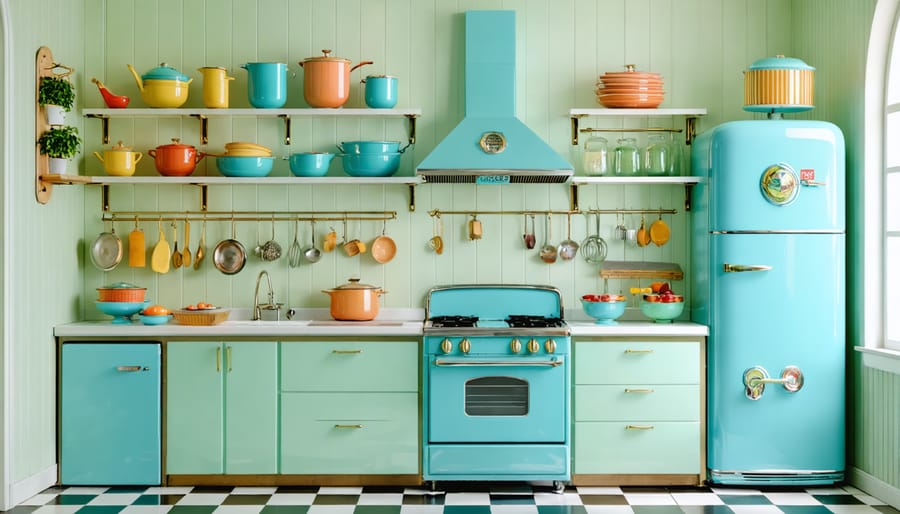
Transform your kitchen into a charming vintage haven by incorporating authentic timeless vintage design elements that blend nostalgia with modern functionality. Display collections of antique enamelware, farmhouse pottery, or classic Pyrex bowls on open shelving to create instant visual interest and storytelling opportunities. Install period-appropriate hardware like brass bin pulls, glass doorknobs, or porcelain handles to infuse genuine historic character into your cabinetry. Layer textures with checkerboard flooring, beadboard wainscoting, and pressed tin backsplashes to capture the depth and authenticity of bygone eras. Balance these vintage touches with contemporary amenities by cleverly concealing modern appliances behind retro-style panels or positioning them thoughtfully within your vintage-inspired design scheme. The key to successful vintage kitchen décor lies in selecting pieces that not only capture the aesthetic charm of the past but also serve practical purposes in today’s busy household.
Defining Your Vintage Kitchen Era
1940s-1950s: The Golden Age of Kitchen Design
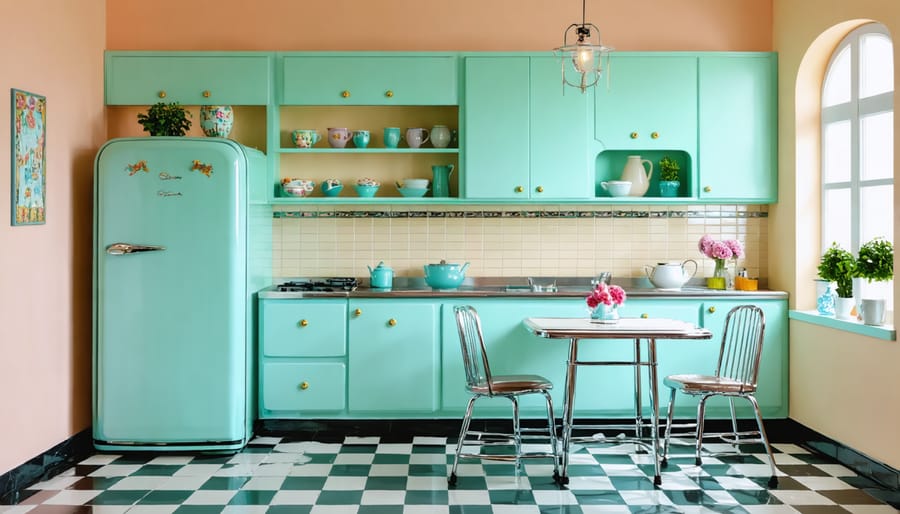
The post-war era ushered in what many consider the golden age of kitchen design. Pastel colors, particularly mint green, sunny yellow, and powder blue, dominated the palette. Chrome-trimmed appliances, Formica countertops, and checkerboard flooring became hallmarks of this optimistic period. Kitchens featured rounded edges, streamlined cabinets, and innovative space-saving designs that reflected the era’s fascination with modern convenience.
Decorative elements included atomic starbursts, boomerang patterns, and quirky novelty prints featuring kitchen motifs. Built-in breakfast nooks with vinyl seating became popular gathering spots, while chrome dinette sets sparkled under newly widespread fluorescent lighting. Appliances took center stage, with manufacturers like General Electric and Westinghouse producing refrigerators and stoves in coordinating candy-colored finishes that homemakers proudly displayed as symbols of prosperity and progress.
1960s-1970s: Bold Colors and Patterns
The 1960s and 1970s brought a bold revolution to kitchen design, with mid-century modern design leading the charge. Vibrant oranges, avocado greens, and harvest golds dominated color schemes, while geometric patterns and bold florals adorned wallpapers and textiles. Appliances became statement pieces, featuring rounded edges and colorful enamel finishes. Formica countertops with boomerang patterns and vinyl chairs with chrome legs were must-have elements. Open shelving displayed colorful Pyrex dishes and funky kitchen gadgets, while pendant lights with space-age designs hung overhead. This era embraced both function and flair, creating kitchens that were practical workspaces and social hubs for family gatherings.
1930s Art Deco Influences
The 1930s brought glamour into the kitchen with stunning Art Deco style elements that still captivate today. Chrome-plated appliances, geometric patterns, and bold color combinations defined this era. Look for stepped forms in cabinet designs, sunburst motifs on cabinet hardware, and streamlined curves that epitomize the period’s modern aesthetic. Mint green, butter yellow, and black-and-white color schemes were particularly popular, often paired with chrome accents and Bakelite handles. To capture this style, incorporate glass block windows, hexagonal floor tiles, and mirrors with decorative etching. Original period pieces like wall clocks with metallic finishes and stylized typography can serve as stunning focal points while maintaining authentic vintage appeal.
Essential Vintage Kitchen Elements
Appliances and Hardware
Vintage-style appliances are making a strong comeback, offering the perfect blend of retro charm and modern functionality. SMEG and Big Chill lead the market with their colorful, retro-inspired refrigerators and ranges that capture the essence of the 1950s while incorporating contemporary features. For a more budget-friendly approach, consider giving existing appliances a makeover with appliance paint in period-appropriate colors like mint green, cherry red, or classic white.
Hardware plays a crucial role in achieving an authentic vintage look. Bin pulls and cup handles in aged brass or oil-rubbed bronze instantly add character to cabinets and drawers. Look for authentic reproduction pieces from companies specializing in period hardware, or scout antique stores and salvage yards for genuine vintage pieces. Glass knobs, particularly in depression glass styles, work beautifully for upper cabinets and can catch light beautifully.
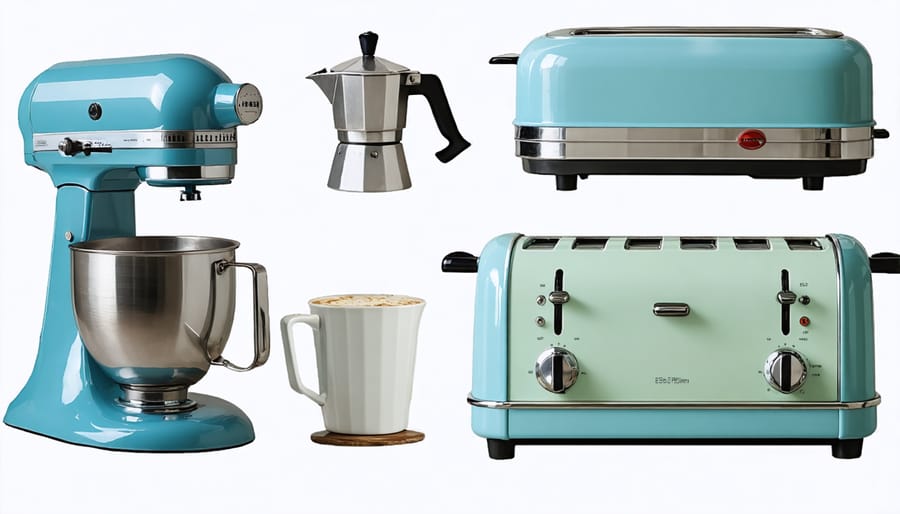
Don’t overlook smaller appliances that can contribute to the vintage aesthetic. Display classic stand mixers, vintage-style toasters, and retro coffee percolators on countertops. Many brands now offer modern versions of these items with vintage styling, ensuring reliability while maintaining the desired look. For true authenticity, consider restoring original pieces – just be sure to have any electrical components checked by a professional for safety.
Remember that mixing old and new is perfectly acceptable. A modern dishwasher can be disguised with a panel matching your cabinets, while your vintage-style refrigerator takes center stage.
Color Schemes and Patterns
The key to authentic vintage kitchen decor lies in choosing historically accurate color schemes and patterns. The 1930s and 1940s embraced cheerful pastels, particularly mint green, butter yellow, and powder blue, often paired with cream or white. These soft hues were frequently accented with touches of red or black for contrast.
Moving into the 1950s, bolder color combinations took center stage. Think turquoise with red, pink with black, or sunny yellow with forest green. Atomic patterns and geometric designs became popular, appearing on everything from wallpaper to curtains. Checkerboard floors in black and white or red and white remain iconic of this era.
For 1960s vintage style, consider avocado green, harvest gold, and burnt orange – the holy trinity of mid-century kitchen colors. These were often combined with brown tones and complemented by bold floral patterns or psychedelic designs.
When selecting patterns, consider classic options like polka dots, gingham checks, or fruit motifs for a 1940s look. Kitchen-themed patterns featuring utensils, food items, or retro appliances work well for 1950s aesthetics. Don’t forget about borders – vintage kitchens often featured decorative wallpaper borders with kitschy designs like coffee pots, teacups, or fruit baskets.
Remember to keep pattern scale appropriate for your space – smaller rooms work better with smaller patterns, while larger kitchens can handle bold, oversized designs.
Furniture and Storage Solutions
Vintage furniture and storage solutions are essential elements that bring character and functionality to a retro-inspired kitchen. Hoosier cabinets, popular in the early 1900s, serve as all-in-one workstations with built-in flour sifters, spice racks, and pull-out work surfaces. These versatile pieces make excellent focal points while providing ample storage space.
Consider incorporating a vintage enamel-top table as a prep station or casual dining area. These sturdy pieces, often featuring chrome legs and formica tops in cheerful patterns, were staples of 1950s kitchens. For additional storage, metal bread boxes, vintage canisters, and old-fashioned spice tins not only organize essentials but also double as decorative elements.
Open shelving using reclaimed wood or vintage brackets offers an authentic display space for collectible dishes and cookware. Look for original kitchen cupboards from salvage yards – these pieces can be restored and repurposed as standalone pantries. Rolling utility carts from different eras make excellent mobile storage solutions while adding period-appropriate charm.
Don’t overlook smaller storage pieces like wire egg baskets, mason jar organizers, and vintage recipe boxes. These functional items contribute to the overall aesthetic while keeping modern necessities organized. For a truly authentic touch, consider restoring an old icebox as a unique storage cabinet or beverage station.
Remember to balance form with function – vintage pieces should enhance your kitchen’s workflow while maintaining their nostalgic appeal.
DIY Vintage Kitchen Projects
Cabinet Makeovers
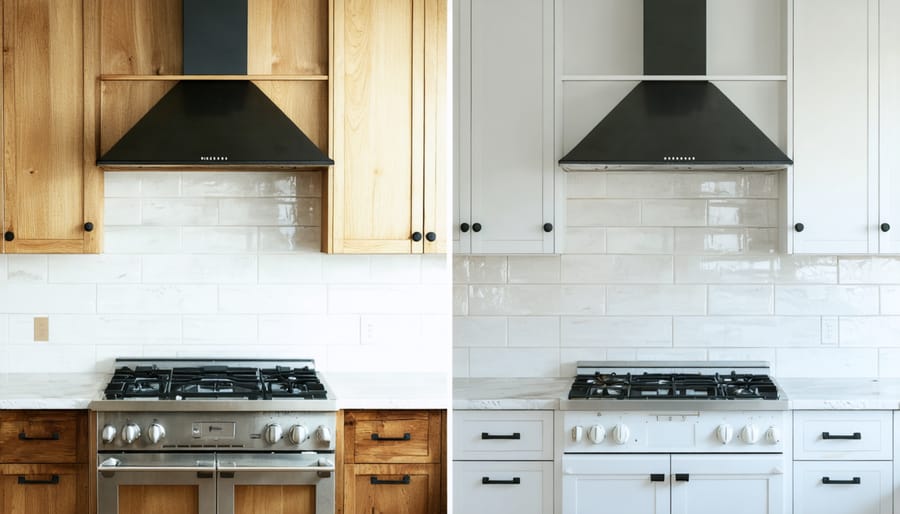
Transform your existing cabinets into vintage showstoppers without breaking the bank. Start by thoroughly cleaning your cabinets and removing all hardware. For an authentic vintage look, consider painting them in period-appropriate colors like cream, mint green, or pale yellow. Milk paint offers a particularly authentic vintage finish that develops a beautiful patina over time.
To add character, distress the edges slightly with sandpaper after painting, focusing on areas that would naturally wear over time. Replace modern hardware with vintage-inspired pieces – think glass knobs, brass bin pulls, or decorative hinges in antique finishes. Antique shops and online marketplaces are excellent sources for authentic period hardware.
Consider adding beadboard panels to cabinet doors for a farmhouse feel, or apply decorative molding for a more formal vintage appearance. For upper cabinets, replace some solid doors with chicken wire or seeded glass inserts to display your vintage dishware collection.
Don’t forget the inside of your cabinets – line them with vintage-inspired wallpaper or contact paper featuring retro patterns. For a truly authentic touch, install a plate rack or cup hooks underneath upper cabinets. These practical additions were common in vintage kitchens and add both functionality and charm.
Complete the transformation by adding period-appropriate details like corbels under upper cabinets or decorative feet to base cabinets. These small touches can make modern cabinets look like they’ve been part of your kitchen for generations.
Creating Display Areas
Creating eye-catching display areas is essential for showcasing your vintage kitchen treasures. Start by selecting a focal point, such as an open shelving unit or a corner cabinet, where you can arrange your collectibles. Glass-front cabinets work beautifully for displaying vintage dishware, while wall-mounted plate racks offer both storage and visual appeal.
Layer your displays with different heights and depths to create visual interest. Place larger items like vintage canisters or bread boxes at the back, then arrange smaller pieces like salt and pepper shakers or measuring cups in front. Group similar items together – whether by color, function, or era – to create cohesive vignettes that tell a story.
Don’t forget to incorporate practical elements into your displays. A vintage scale can hold fruit, while old mason jars make perfect containers for dry goods or utensils. Consider adding small touches like vintage advertisements or old recipe cards as wall art between shelves. Remember to leave some breathing room between items to prevent the display from looking cluttered and to make cleaning easier.
For a dynamic look, rotate your displays seasonally or whenever you acquire new pieces. This keeps your kitchen feeling fresh while allowing you to showcase your entire collection over time.
Upcycling Modern Items
Transform modern kitchen items into vintage treasures with these creative upcycling techniques. Give new appliances an aged look by applying milk paint or chalk paint in period-appropriate colors like cream, sage, or robin’s egg blue. Add vintage-style hardware to contemporary cabinets using antique-inspired handles and hinges in brass or copper finishes.
Modern mason jars can be aged using a vinegar and salt solution, creating an authentic patina effect. Transform plain white ceramic canisters into vintage-looking storage by applying waterslide decals featuring retro typography or classic motifs. Paint modern metal stools with distressed finishes to mimic well-loved diner seating.
Give newer wooden cutting boards character by sanding edges and treating them with coffee grounds or tea bags for an aged appearance. Update standard light fixtures with vintage-style Edison bulbs and antiqued metal finishes. For smaller items, consider adding reproduction vintage labels, wrapping them in twine, or displaying them in authentic vintage vessels.
Remember that strategic distressing should look natural – focus on areas that would typically show wear over time, like edges and handles. The key is creating pieces that blend seamlessly with genuine vintage items in your kitchen.
Modern Convenience Meets Vintage Style
Creating a kitchen that can blend vintage with modern style is all about striking the perfect balance between charm and functionality. Today’s homeowners don’t have to sacrifice modern conveniences to achieve that coveted vintage look. Start by incorporating period-appropriate appliances with modern features, such as retro-style refrigerators that offer smart technology and energy efficiency, or vintage-inspired range hoods with powerful contemporary ventilation systems.
Storage solutions can maintain authentic vintage appeal while maximizing space. Consider installing pull-out organizers behind original cabinet doors or adding hidden charging stations in repurposed hutches. Vintage bread boxes can cleverly conceal modern kitchen gadgets, while antique canisters can store today’s cooking essentials in style.
Lighting is another area where old and new seamlessly merge. Original pendant lights can be rewired for LED bulbs and fitted with dimmer switches. Under-cabinet lighting can be discreetly installed to provide task lighting without compromising the vintage aesthetic. Even modern appliances can be camouflaged – dishwashers can hide behind period-appropriate cabinet panels, and microwaves can be tucked into vintage cabinet configurations.
When it comes to materials, choose durable modern alternatives that mirror historic looks. Quartz countertops can replicate the appearance of vintage marble while offering superior stain resistance. Luxury vinyl flooring can capture the charm of original hardwood or checkerboard patterns while providing better water resistance and maintenance properties.
Don’t forget about small details that make a big impact. Modern faucets with vintage designs often include pull-down sprayers and touchless technology. Period-appropriate hardware can be fitted with soft-close mechanisms, and vintage-style light switches can be upgraded to include modern dimming capabilities. These thoughtful touches ensure your kitchen not only looks authentically vintage but functions perfectly for today’s lifestyle needs.
Transforming your kitchen into a vintage haven is more than just a design choice – it’s about creating a space that tells a story and brings warmth to your home. From selecting authentic period pieces to incorporating retro color schemes and repurposing antique finds, you now have the tools to create a kitchen that balances nostalgic charm with modern functionality.
Remember that vintage kitchen design is highly personal, and there’s no one-size-fits-all approach. Whether you’re drawn to the bold patterns of the 1950s, the elegant simplicity of the 1930s, or a mix of different eras, the key is to stay true to your vision while maintaining practicality.
Start small with vintage-inspired accessories and gradually build your collection. Visit antique stores, explore flea markets, and don’t be afraid to mix old with new. With careful planning and thoughtful design choices, you can create a vintage kitchen that not only looks stunning but also functions perfectly for modern-day living.
Take the first step today – pick a vintage element that speaks to you and begin your journey toward creating a timeless, character-filled kitchen that you’ll love for years to come.