Transform Your Home With Modern Lighting That Wows
Modern home lighting transcends mere functionality – it’s the artistic foundation that shapes atmosphere, influences mood, and transforms living spaces. Today’s lighting design seamlessly blends cutting-edge technology with timeless aesthetic principles, creating environments that adapt to our daily rhythms and lifestyle needs.
Smart LED systems, architectural fixtures, and layered lighting approaches have revolutionized how we illuminate our homes. From voice-controlled ambient settings to energy-efficient solutions that reduce carbon footprints, contemporary lighting design offers unprecedented control over our interior environments. The strategic placement of light sources – whether through recessed fixtures, statement pendants, or integrated LED strips – can dramatically alter spatial perception, highlight architectural features, and create distinct zones within open-plan spaces.
Yet modern lighting design isn’t just about technology – it’s about understanding how light interacts with materials, colors, and human psychology. The most successful lighting schemes combine practical task lighting with atmospheric layers, creating spaces that are both functional and emotionally resonant. As homes increasingly serve as multifunction environments for work, relaxation, and entertainment, thoughtful lighting design has become essential to modern living.
Smart Lighting Solutions for the Modern Home
Voice-Controlled Lighting Systems
Voice-controlled lighting has revolutionized how we interact with our home’s smart lighting design, making it easier than ever to create the perfect ambiance with just a few spoken words. By integrating popular voice assistants like Alexa, Google Assistant, or Siri with your lighting system, you can control everything from basic on/off functions to complex lighting scenes without lifting a finger.
The benefits are impressive: imagine walking into your home with arms full of groceries and simply saying “lights on” or adjusting your bedroom lighting for reading without reaching for a switch. These systems can also enhance home security by allowing you to control lights remotely or set up automated schedules that make your house appear occupied when you’re away.
Setting up voice-controlled lighting is surprisingly straightforward. Start with smart bulbs or switches that are compatible with your preferred voice assistant, connect them to your home’s WiFi network, and you’re ready to go. Many systems allow you to create custom commands and group lights by room or function, making it simple to say things like “movie time” to automatically dim the living room lights.
For the best experience, consider combining voice control with motion sensors and scheduling features. This powerful combination provides both convenience and energy efficiency, ensuring lights are only on when needed and easily adjusted to match your daily routines.
App-Based Light Management
Today’s lighting control has moved beyond traditional wall switches to the palm of your hand. Smartphone apps have revolutionized how we manage our home lighting, offering unprecedented convenience and customization. Through dedicated lighting apps, you can adjust brightness, color temperature, and even create sophisticated lighting scenes that complement various activities or moods.
Popular smart lighting platforms like Philips Hue, LIFX, and Smart Things integrate seamlessly with home automation systems, becoming essential smart home wellness features that enhance daily living. These apps allow you to set schedules, creating automated routines that align with your daily activities – from gentle wake-up lighting in the morning to cozy evening scenes for relaxation.
The real magic happens when you combine multiple smart bulbs and fixtures. You can group lights by room or function, control them simultaneously, and even sync them with music or movies for immersive entertainment experiences. Many apps also offer energy monitoring features, helping you track and optimize your lighting usage for better efficiency.
Voice control integration through platforms like Alexa or Google Home adds another layer of convenience, allowing hands-free operation when your phone isn’t within reach. With geofencing capabilities, your lights can automatically respond to your presence, turning on as you arrive home and off when you leave, ensuring both convenience and energy savings.


Layered Lighting Design Principles
Ambient Lighting
Ambient lighting serves as the foundation of any well-designed modern home lighting scheme. Think of it as your room’s base layer of illumination, creating a warm and welcoming atmosphere without harsh shadows or dark corners. The key is strategic placement of light sources at different heights and angles.
Start with recessed ceiling lights spaced evenly throughout main living areas, typically 4 to 6 feet apart. These provide consistent overhead illumination without visual clutter. Wall sconces mounted at eye level (around 5.5 to 6 feet) create a gentle wash of light along walls, making spaces feel larger and more inviting.
For larger rooms, consider cove lighting – LED strips tucked into ceiling moldings or architectural details. This indirect lighting technique eliminates glare while adding depth to your space. Don’t forget floor lamps in room corners, which help balance the overall light distribution and create cozy zones.
Modern LED technology offers adjustable color temperatures, allowing you to shift from energizing daylight tones during work hours to warmer, relaxing hues in the evening. Many smart lighting systems now include ambient lighting presets, making it easy to achieve the perfect atmosphere with a single tap.
Task Lighting
Task lighting plays a crucial role in modern homes, focusing on illuminating specific areas where you perform detailed activities. Think of your kitchen countertops where you prep meals, your home office desk, or your favorite reading nook – these spaces need precise, focused lighting to help you work efficiently and comfortably.
LED strips under kitchen cabinets have become a popular choice, providing bright, even illumination for food preparation while adding a sleek, modern touch. In home offices, adjustable desk lamps with color temperature control help reduce eye strain during long work sessions. For craft areas or reading spaces, consider swing-arm wall sconces or floor lamps with directional heads that let you position light exactly where you need it.
The key to effective task lighting is flexibility and proper positioning. Install lights about 20 inches above your work surface to minimize shadows, and opt for fixtures with dimming capabilities to adjust brightness levels throughout the day. Modern task lighting solutions often include USB ports and smart controls, letting you integrate them seamlessly into your connected home while serving their primary functional purpose.
Accent Lighting
Accent lighting adds that extra layer of sophistication to your modern home, creating depth and visual interest in any space. These decorative elements go beyond basic illumination to highlight architectural features, artwork, or prized possessions. Think of LED strip lights tucked beneath kitchen cabinets, small spotlights showcasing a textured wall, or subtle rope lighting along ceiling coves.
The key to effective accent lighting lies in its strategic placement. Install small recessed lights to draw attention to wall art, or use adjustable track lighting to create dramatic shadows and highlights. Modern options like color-changing LED strips allow you to transform the mood of a room instantly through a smartphone app.
Popular accent lighting choices include pendant lights over kitchen islands, illuminated wall niches, and backlit mirrors in bathrooms. For outdoor spaces, consider installing uplighting at the base of trees or architectural elements to create enchanting nighttime scenes. Remember, accent lighting should be about three times brighter than ambient lighting to create the desired effect without overwhelming the space.
When planning your accent lighting, focus on creating layers of light that work together harmoniously while highlighting your home’s best features.
Energy-Efficient Fixtures and Bulbs
LED Technology Advances
Recent breakthroughs in LED lighting solutions have revolutionized how we illuminate our homes. Today’s LEDs offer unprecedented energy efficiency, lasting up to 25 times longer than traditional bulbs while using 75% less energy. The latest LED technology delivers enhanced color accuracy and tunable white light, allowing you to adjust from warm, cozy ambiance to crisp, daylight-like illumination with a tap on your smartphone.
Smart LED innovations now include built-in sensors that automatically adjust brightness based on natural light levels and occupancy. Color-changing LEDs have become more sophisticated, offering millions of color options and seamless integration with home automation systems. The introduction of micro-LEDs promises even better color rendering and efficiency, while flexible LED strips provide creative options for accent lighting and hard-to-reach spaces.
Perhaps most exciting is the development of human-centric lighting, which mimics natural daylight patterns to support our circadian rhythms. These systems automatically adjust color temperature throughout the day, promoting better sleep and overall well-being.
Cost-Saving Lighting Choices
Making smart lighting choices can significantly reduce your energy bills while maintaining a stylish home environment. LED bulbs are the clear frontrunners in cost-effective lighting, using up to 75% less energy than traditional incandescent bulbs and lasting up to 25 times longer. A single LED bulb can save you approximately $55 in electricity costs over its lifetime.
Smart lighting systems, though initially more expensive, offer substantial long-term savings through automated controls and scheduling. These systems can reduce energy waste by automatically turning off lights in unoccupied rooms and dimming lights based on natural light availability.
Consider motion sensors for areas like hallways, bathrooms, and outdoor spaces. These sensors ensure lights are only on when needed, potentially cutting energy use by 30% in these areas. For natural light optimization, installing dimmer switches allows you to adjust artificial lighting levels throughout the day.
Don’t overlook the impact of lamp shades and fixtures. Light-colored or translucent shades allow more light to pass through, meaning you can use lower-wattage bulbs while maintaining desired brightness levels. Additionally, regular cleaning of fixtures and bulbs can improve light output by up to 20%, reducing the need for multiple light sources in a space.
DIY Installation Tips
Safety First
When it comes to modern lighting design, safety should never take a backseat to style. Always ensure your lighting fixtures are UL-listed (Underwriters Laboratories certified) and installed according to local building codes. For DIY installations, turn off power at the circuit breaker before starting any electrical work, and use a voltage tester to confirm the power is truly off.
Consider the IP (Ingress Protection) rating when selecting fixtures for different areas. Bathrooms and outdoor spaces require water-resistant fixtures with appropriate IP ratings. In areas with high moisture, like above showers, opt for vapor-tight fixtures to prevent water damage and electrical hazards.
Pay attention to bulb wattage limits for your fixtures – exceeding these can create fire hazards. LED alternatives typically run cooler and safer while providing equivalent brightness. Keep heat-producing fixtures away from flammable materials and ensure proper ventilation around recessed lighting.
For homes with young children, secure floor lamps properly to prevent tipping, and consider cordless options where possible. Install GFCI (Ground Fault Circuit Interrupter) outlets in areas where water exposure is likely. When using smart lighting systems, ensure your home’s electrical system can handle the load and consider having a professional review your setup.
Remember to regularly inspect your lighting fixtures for signs of wear, loose connections, or damage. Keep a maintenance schedule and replace damaged components promptly to ensure continued safe operation.
Installation Steps
Before starting any lighting installation, ensure you’ve turned off the power at the circuit breaker. For pendant lights and chandeliers, begin by installing a sturdy electrical box rated for the fixture’s weight. Mount the ceiling bracket according to the manufacturer’s specifications, typically using the provided hardware.
For recessed lighting, measure and mark your ceiling locations carefully, using a stud finder to avoid joists. Cut holes precisely using the included template, then feed the wiring through and connect the housing to the electrical box. When installing LED strip lights, clean the mounting surface thoroughly and use the appropriate adhesive backing or mounting clips.
Wall sconces require careful placement and level mounting. Mark your desired height (typically 65-72 inches from the floor), locate the studs, and install the mounting bracket. Connect the wires following the color coding: black to black (hot), white to white (neutral), and green or copper to ground.
For smart lighting installations, ensure your Wi-Fi signal is strong in the installation area. Most smart bulbs simply screw into existing fixtures, while smart switches require additional wiring configuration. Always test connections before securing any decorative covers or trim pieces.
Remember to secure all wire connections with appropriate wire nuts and wrap with electrical tape for added safety. If you’re unsure about any electrical work, don’t hesitate to contact a licensed electrician.
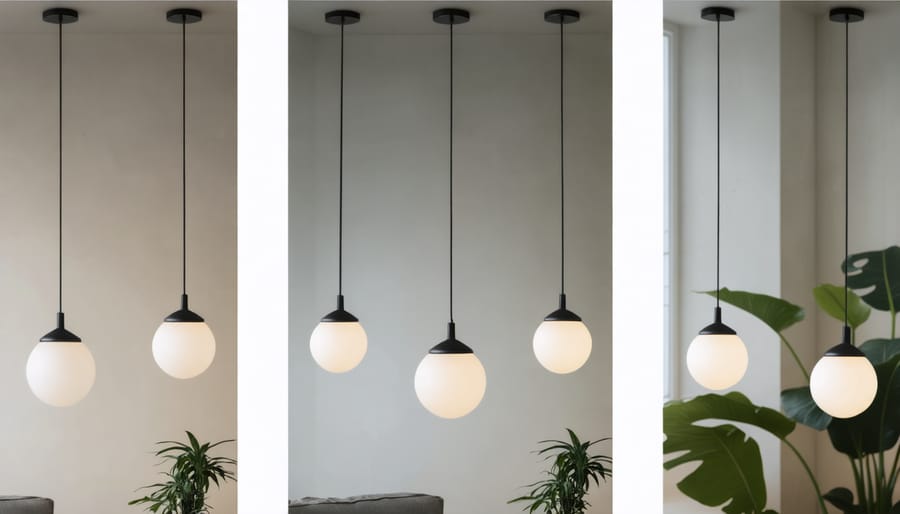
Modern home lighting design is more than just illuminating spaces – it’s about creating atmospheres, enhancing functionality, and expressing personal style. Throughout this guide, we’ve explored how contemporary lighting solutions can transform your living spaces while incorporating the latest technologies and design principles.
Remember that successful lighting design combines layers of ambient, task, and accent lighting to create well-balanced environments. By implementing smart lighting systems, you can enjoy unprecedented control over your home’s ambiance while potentially reducing energy costs. The integration of LED technology not only offers superior efficiency but also provides countless creative possibilities through color-changing capabilities and flexible installation options.
As you plan your lighting upgrades, consider starting with one room to experiment with different techniques and technologies. Focus on creating a lighting plan that addresses both practical needs and aesthetic goals. Don’t be afraid to mix different styles and fixtures – contemporary lighting design celebrates personalization and creative expression.
Take advantage of natural light whenever possible, and complement it with artificial lighting that enhances your space’s natural features. Whether you’re undertaking a DIY project or working with professionals, ensure your lighting choices align with your home’s architecture and interior design style.
The future of home lighting is bright, with continuous innovations in smart technology and energy-efficient solutions. By implementing the strategies and tips shared in this guide, you’ll be well-equipped to create a modern, welcoming, and functional lighting scheme that elevates your living spaces to new heights.
Start your lighting transformation today – your perfect ambiance awaits!