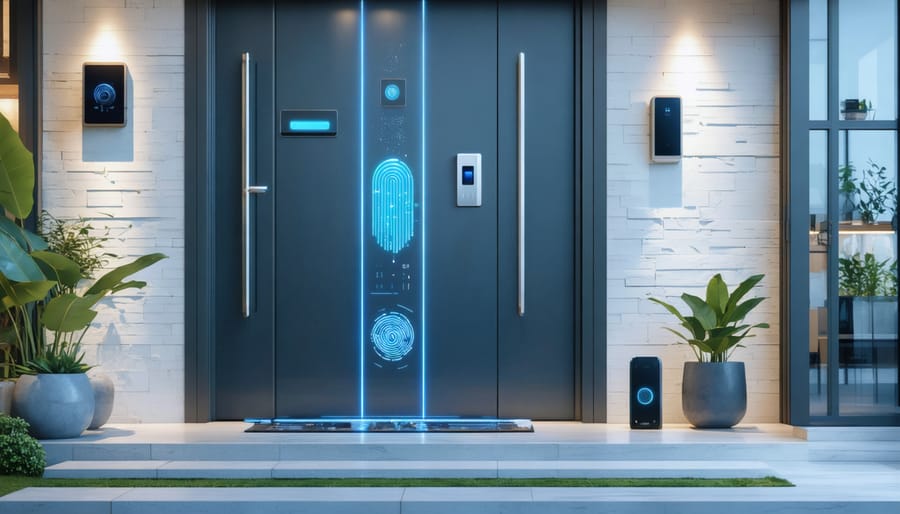
Make Your Smart Home Fort Knox-Secure with Biometric Authentication
Unlock your home’s security potential with biometric authentication – the cutting-edge technology transforming how we protect our living spaces. As advanced home security systems evolve, fingerprint scanning, facial recognition, and voice authentication now offer homeowners unprecedented control over who enters their property. Unlike traditional keys or PIN codes that can be lost, stolen, or shared, biometric security measures use your unique physical characteristics to create an unbreakable access barrier. This personalized approach not only enhances security but also streamlines daily routines – imagine unlocking your front door with a simple glance or accessing your home office with just a touch. Whether you’re protecting your family, valuable assets, or simply seeking peace of mind, biometric authentication represents the perfect blend of convenience and cutting-edge security technology for modern homes.
How Biometric Authentication Keeps Your Smart Home Safe
The Science Behind the Security
Biometric authentication might seem like magic, but it’s actually a fascinating blend of hardware and software working together. When you place your finger on a scanner, it captures a detailed image of your unique fingerprint pattern, including the specific ridges, loops, and whorls. This image is then converted into a digital template – think of it as a special code that represents your fingerprint.
For facial recognition, your device’s camera captures multiple points on your face, measuring things like the distance between your eyes, the shape of your chin, and the contours of your cheekbones. These measurements create a mathematical model of your face that’s just as unique as your fingerprint.
The really clever part? Your actual fingerprint or facial image isn’t stored on the device. Instead, it keeps that digital template we mentioned earlier, which is encrypted for security. When you try to unlock your device, it compares the new scan with the stored template. If they match – you’re in! This whole process happens in a fraction of a second, making it both secure and convenient.

Why It’s Better Than Traditional Keys and Codes
Unlike traditional keys that can be lost, copied, or stolen, biometric authentication relies on your unique physical characteristics that can’t be duplicated or forgotten. You’ll never have to worry about leaving your keys at home or remembering complex number combinations again. Your fingerprint, face, or iris pattern is always with you and can’t be shared or transferred to unauthorized users.
Traditional codes can be compromised if someone watches you enter them or if you write them down somewhere. With biometric security, each authentication attempt requires the actual person to be present, making it significantly harder for intruders to gain access. Plus, modern biometric systems include anti-spoofing technology that can detect fake fingerprints or photographs, providing an extra layer of security that traditional methods simply can’t match.
Popular Biometric Security Options for Your Home
Fingerprint Recognition Systems
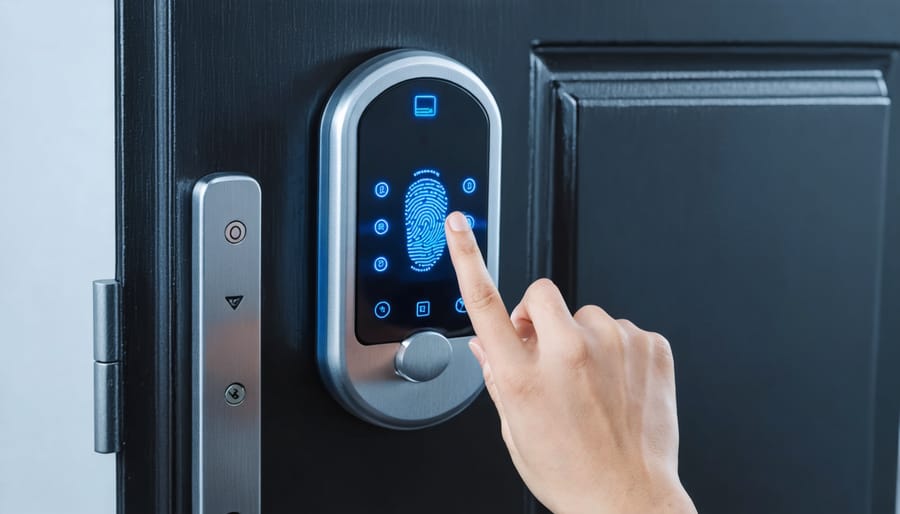
Fingerprint recognition has become one of the most popular and reliable biometric security solutions for homes and offices. These systems use advanced sensors to scan and store unique fingerprint patterns, providing quick and convenient access while maintaining high security standards.
Modern fingerprint scanners come in various forms, from sleek door locks that blend seamlessly with your home’s design to compact safes that protect your valuables. Many smart devices, including smartphones and tablets, now include built-in fingerprint readers, making this technology an integral part of our daily lives.
The installation process is typically straightforward, with many systems offering DIY-friendly setup options. Most fingerprint door locks can replace existing deadbolts, while standalone scanners can be mounted near entrance points. These systems usually store multiple fingerprints, allowing you to grant access to family members or trusted employees.
What makes fingerprint recognition particularly appealing is its reliability and ease of use. Unlike keys that can be lost or PINs that can be forgotten, your fingerprint is always with you. Plus, many systems now feature weather-resistant sensors and backup access methods for added convenience and security.
Facial Recognition Technology
Facial recognition technology has become increasingly popular in home security systems, offering a convenient and secure way to control access to your property. These systems use advanced cameras and AI algorithms to scan and analyze facial features, creating unique “face prints” for authorized users. When someone approaches your door or security checkpoint, the system quickly compares their face to stored profiles, granting access only to recognized individuals.
Modern facial recognition systems work effectively in various lighting conditions and can even adapt to changes in appearance like glasses or facial hair. Many popular smart doorbell cameras now include this feature, allowing you to not only see who’s at your door but also receive notifications when specific people arrive home.
For enhanced security, look for systems with “liveness detection” that can distinguish between a real person and a photograph. Most facial recognition systems can be easily managed through smartphone apps, where you can add or remove authorized users and review access logs. While more expensive than traditional keypads, these systems offer superior security and convenience, making them an excellent investment for both homes and small businesses.
Voice Recognition Features
Voice recognition has become a convenient and sophisticated way to secure your smart home while enabling hands-free control. Modern voice authentication systems can identify unique vocal patterns, pitch, and speech cadence, making them highly effective at distinguishing between authorized users and potential intruders. Popular smart home assistants like Amazon Alexa and Google Home now offer voice match features that can recognize different household members and provide personalized responses and access levels.
These systems work by creating a unique voiceprint for each user during setup, similar to how your fingerprint is stored for touch ID. When you speak a command, the system analyzes your voice against stored profiles before granting access to sensitive functions like door locks, security settings, or personal information. Many systems also include anti-spoofing technology that can detect recorded voices or synthetic speech attempts, adding an extra layer of security to your smart home setup.
Setting Up Your Biometric Security System
Choosing the Right System
When selecting a biometric security system for your home, several key factors deserve careful consideration. First, evaluate your specific security needs and daily routines. A fingerprint scanner might work best for a family-focused home, while facial recognition could be ideal for hands-free convenience in areas like your garage or home office.
Budget plays a crucial role, but remember that investing in quality smart home security measures often pays off in the long run. Consider the system’s accuracy rate and false rejection rate – you don’t want to be locked out of your home because your system is too sensitive.
Installation requirements are another important factor. Some systems need professional installation, while others are DIY-friendly. Also, check if the system integrates with your existing smart home devices and whether it offers multi-factor authentication options for enhanced security.
Don’t forget to consider the number of users the system can handle and its ability to store and manage multiple profiles. For families or businesses, look for systems that make it easy to add or remove users as needed.
Installation and Integration Tips
Before starting your biometric authentication installation, ensure you have all necessary components and a stable Wi-Fi connection. Begin by downloading the manufacturer’s recommended app and creating an account. Most modern systems come with straightforward setup wizards that guide you through the process.
First, mount your biometric device at a comfortable height – typically 4 to 5 feet from the ground for fingerprint scanners or face recognition cameras. Ensure proper lighting and avoid direct sunlight that could interfere with sensor accuracy. When running power cables, consider using existing doorbell wiring or hiring a professional electrician for new installations.
To integrate smart security devices, connect your biometric system to your home’s Wi-Fi network through the app. Follow the pairing instructions carefully, and test the connection before proceeding. Many systems require you to register multiple fingerprints or facial profiles – start with primary users and add guests later.
For optimal performance, calibrate your sensors during initial setup. Most systems allow sensitivity adjustments to balance security and convenience. Remember to backup your biometric data and keep the firmware updated through the app. Finally, test the system thoroughly in various lighting conditions and create backup access methods, such as PIN codes, for emergencies.
Maintaining Your Biometric Security
Keeping your biometric security system in top shape doesn’t have to be complicated. Regular maintenance ensures your system continues to work reliably and securely. Here are some essential practices to follow:
First, keep your biometric sensors clean. For fingerprint readers, gently wipe the surface with a microfiber cloth weekly to remove oils and debris. For facial recognition cameras, clean the lens monthly with appropriate cleaning solutions to maintain clear image capture.
Update your system’s software whenever new versions become available. These updates often include important security patches and performance improvements. Enable automatic updates if your system offers this feature, but always review what’s being updated before proceeding.
Regularly review and remove outdated biometric data. If family members move out or employees leave, promptly delete their credentials from the system. This prevents unauthorized access and keeps your database streamlined.
Test your system monthly by trying all enrolled biometric credentials. This helps identify potential issues before they become problems. If you notice decreased accuracy or longer recognition times, it might be time for sensor recalibration or professional maintenance.
Consider environmental factors that might affect performance. Direct sunlight can interfere with facial recognition, while extremely dry or wet conditions might impact fingerprint scanning. Adjust sensor placement or add protective covers as needed.
Remember to maintain backup access methods, such as PIN codes or key cards, in case your biometric system experiences temporary issues.
Biometric authentication represents a significant leap forward in home security, offering an unparalleled combination of convenience and protection. By using unique physical characteristics like fingerprints, facial features, or voice patterns, these systems provide a level of security that traditional methods simply can’t match. They eliminate the hassle of remembering passwords or carrying keys while significantly reducing the risk of unauthorized access.
As smart home technology continues to evolve, implementing biometric security is becoming increasingly affordable and user-friendly. The initial investment pays off through enhanced security, reduced risk of break-ins, and the peace of mind that comes with knowing your home is protected by cutting-edge technology.
Whether you’re securing a single entrance or integrating biometrics throughout your smart home system, the benefits are clear. We strongly encourage homeowners to consider adopting this technology as part of their security strategy. With proper installation and maintenance, biometric authentication can provide years of reliable, convenient, and robust security for your home and loved ones.