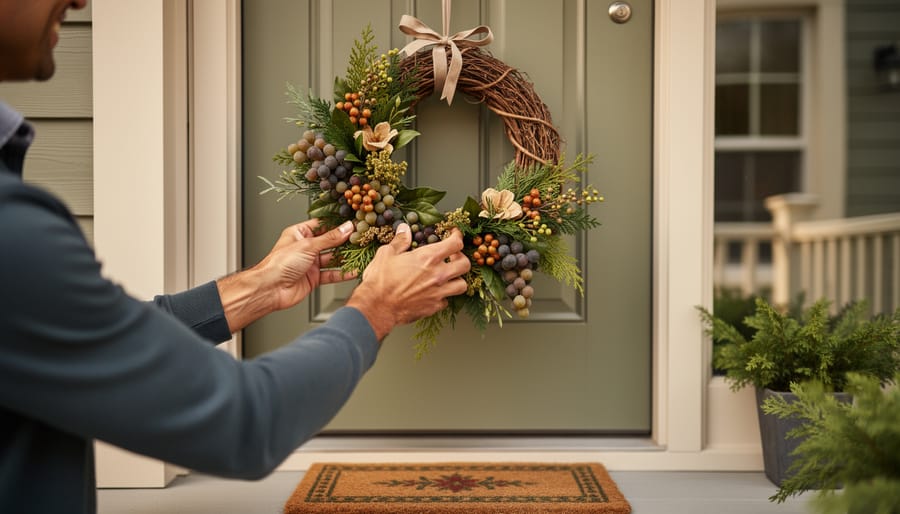
When to Change Your Front Door Decorations: A Seasonal Timing Guide
Most homeowners should swap out seasonal door decorations every 6 to 8 weeks, aligning with the start of each major season and holiday window. In practice, that means a spring refresh in mid-March, summer decor by late May, fall wreaths in early September, and winter or holiday displays from late November through early January.
The biggest factor that shifts this calendar? Your local climate and how quickly weather fades materials. A sun-baked front door in Arizona will bleach fabric ribbons and wilt faux flowers faster than a shaded entryway in Seattle, so you might rotate every four weeks in harsh conditions. Holiday pressure matters, too. Many families hang Halloween decor in late September, switch to Thanksgiving themes the first week of November, then pivot to Christmas or winter neutrals right after Thanksgiving weekend.
Understanding the ideal change-over windows keeps your door looking intentional rather than forgotten, protects your investment in quality pieces, and lets you enjoy each season’s aesthetic without the guilt of leaving a wreath up too long. This guide walks you through a practical rotation calendar, the factors that personalize your schedule, step-by-step swap techniques, and simple aftercare so your decorations stay vibrant year after year.
The Quick Answer: Optimal Timing for Door Decoration Changes
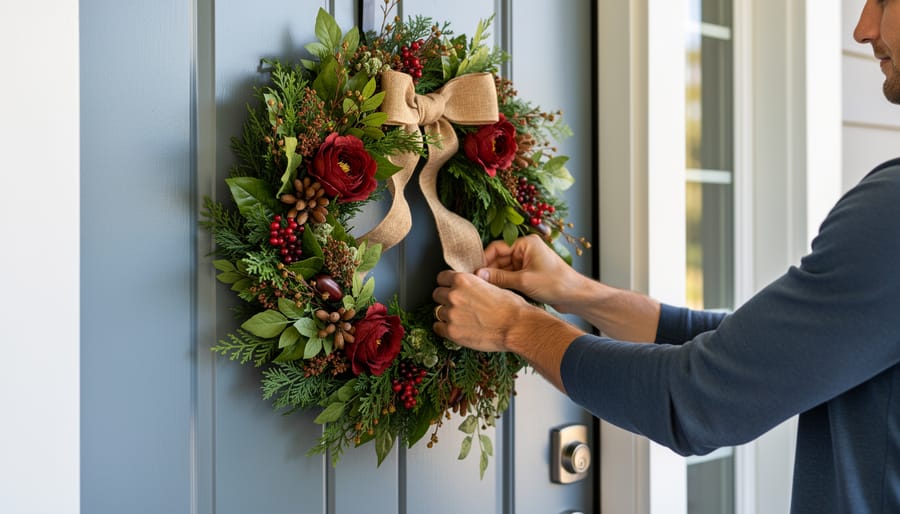
Most homeowners should change their door decorations four times per year to align with spring, summer, fall, and winter, roughly every three months. This approach works well if you enjoy keeping your entryway current and live in a climate with distinct seasons. Plan your swaps for late February or early March (spring), late May or early June (summer), late August or early September (fall), and mid-November (winter/holidays).
Alternatively, follow a holiday-driven schedule that focuses on major celebrations rather than calendar seasons. This typically means 5-6 decoration changes throughout the year: Valentine’s Day or Easter in spring, Independence Day in summer, Halloween in early fall, Thanksgiving in late fall, Christmas through New Year, and a neutral or winter theme until spring. This approach appeals to homeowners who want their door to reflect specific events and don’t mind longer stretches with the same decor between holidays.
Your ideal schedule depends on three factors: how much you enjoy decorating, your available time, and your climate. Warmer regions might skip distinct winter decor and extend fall themes, while northern climates often keep winter decorations up longer. If you’re time-constrained, start with the simpler four-season approach and adjust based on what feels manageable. There’s no wrong answer, the best timing is whatever keeps your entrance looking intentional without causing deadline stress.
Seasonal Decoration Windows Throughout the Year
Spring Refresh (Late February, March)
Spring arrives at different times depending on your location, but late February through March is typically when you’ll want to swap out winter decorations for lighter, brighter displays. In warmer climates like the Southeast and Southwest, you can confidently transition as early as mid-February. Northern states should wait until late March when the threat of heavy snow passes.
Watch for visual cues in your yard: budding trees, emerging bulbs, and the first robins signal it’s time. Spring door decorations emphasize renewal with fresh florals like tulips, daffodils, and cherry blossoms, paired with soft pastels in yellow, pink, lavender, and mint green. Wreaths made from grapevine or twig bases work beautifully with silk flowers and ribbon.
Easter’s timing (which shifts annually between late March and late April) extends your spring decoration window. Many homeowners keep floral displays up through Easter, then transition to general spring themes afterward. If Easter falls early, plan your spring refresh to do double duty for both the season and the holiday.
Summer Brightness (Late May, June)
Summer kicks off as temperatures climb and school years end, typically making late May through early June the ideal window to refresh your door with bright, vibrant displays. This transition works well after Memorial Day weekend, when most neighborhoods naturally shift into warm-weather mode.
Your summer door can carry you through multiple occasions without needing changes. A coastal wreath with shells and rope, a sunflower arrangement, or a tropical palm theme establishes the season while remaining versatile. If you celebrate Independence Day, adding red, white, and blue ribbon or miniature flags to your existing base in late June creates patriotic flair without a complete overhaul.
Summer is peak curb appeal season, potential buyers tour homes, neighbors host gatherings, and everyone spends more time outdoors. A fresh, well-maintained door decoration signals that your home is cared for. Choose fade-resistant materials and UV-protected florals to withstand intense sun exposure. Lighter wreaths made from grapevine, rattan, or mesh dry faster after rain and won’t trap moisture that breeds mold in humidity.
Fall Transition (Late August, September)
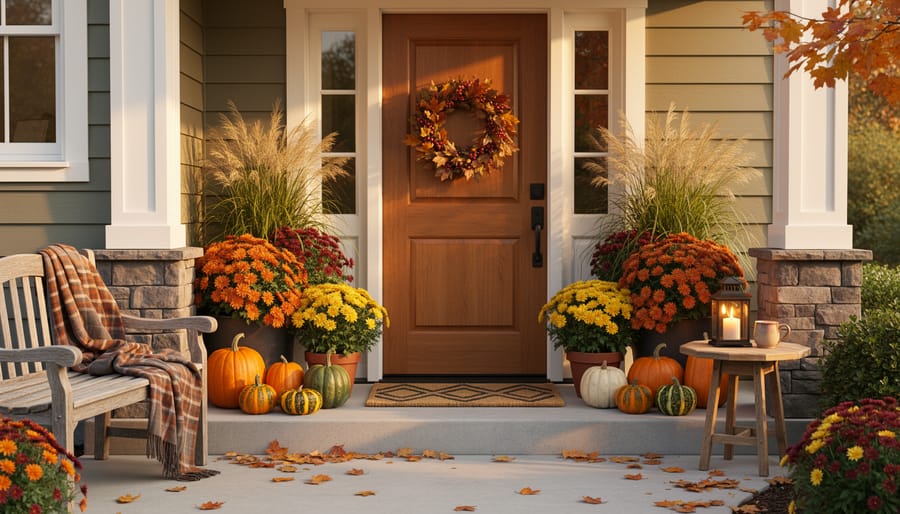
Fall arrives in waves, not all at once, and your door decorations should reflect that gradual shift. Most homeowners begin their fall transition in late August or early September, swapping summer’s bright tones for warmer autumn hues. This early fall period is perfect for general harvest themes: rust-colored wreaths, dried wheat bundles, small pumpkins in natural tones, and foliage in amber and gold. These decorations work from Labor Day straight through mid-October without feeling tied to a specific holiday.
Around mid-September, you can layer in more obvious fall elements, larger pumpkins, cornstalks, mums, as temperatures drop and the season becomes unmistakable. Save the overtly spooky pieces for early October, giving yourself two to three weeks to enjoy unexpected Halloween decor before the holiday arrives. This staged approach prevents Halloween burnout and keeps your entrance evolving rather than static, matching the pace at which fall actually unfolds in nature.
Winter and Holiday Season (November, January)
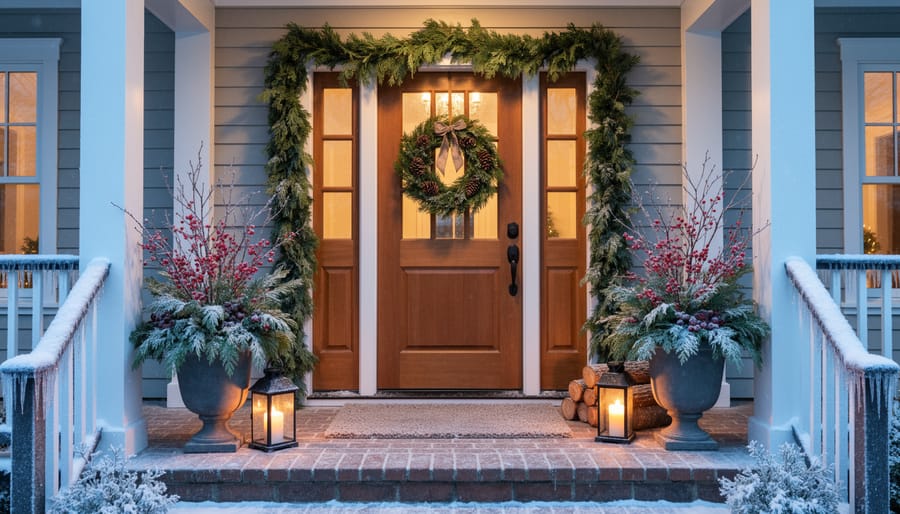
The winter season offers the longest decoration window and the most opportunities for refresh. Most homeowners start with Thanksgiving themes in early to mid-November, featuring harvest colors, gourds, and cornucopias that bridge fall into winter. By late November or the first week of December, transition to Christmas and winter holiday decor. This timing allows you to enjoy festive displays through the entire holiday season without feeling rushed.
Christmas decorations typically stay up through December 25th, though many extend them through New Year’s Day or even into early January. After the holidays, consider switching to general winter themes rather than jumping straight to spring. A cozy winter wonderland aesthetic with snowflakes, pine branches, and neutral whites works beautifully through January and into February, especially in colder climates where spring feels premature. This approach prevents your door from looking bare during the post-holiday winter months while keeping your entrance seasonally appropriate.
Neutral Transitional Periods
Sometimes the best decoration is one that doesn’t demand a calendar. Neutral transitional pieces work during those awkward gaps between major seasons, say, mid-January to late February when winter feels tired but spring hasn’t arrived, or late May before summer themes feel appropriate. A simple wreath of preserved eucalyptus, a monochromatic ribbon arrangement, or an elegant initial monogram carries you through these stretches without looking dated or out of sync.
These evergreen options also suit people who want fewer swaps. If changing decorations five or six times annually feels excessive, adopt a three-season approach: spring-summer, fall, and winter-holiday, with a neutral default filling the remaining weeks. You maintain a finished, intentional look without the pressure of constant updates.
Choose pieces in natural materials, dried grasses, twine-wrapped forms, metal or wood elements, that read as timeless rather than seasonal. They signal that your home is cared for while giving you breathing room between the more elaborate, themed displays that mark the year’s peaks.
Factors That Shift Your Decoration Schedule
Climate and Regional Variations
Climate plays a surprisingly large role in when your door decorations should change. If you live in southern states like Florida or Texas, spring arrives weeks earlier, you might swap to floral wreaths and pastel themes in late February when your neighbors’ gardens are already blooming. Meanwhile, homeowners in Minnesota or Maine often keep winter decorations through mid-March since snow lingers.
The same principle applies in reverse: northern regions can maintain fall decorations well into November without looking dated, while southern climates may need to transition earlier as temperatures stay warm. Coastal areas face salt air and humidity that degrades materials faster, requiring more frequent replacements regardless of season.
Pay attention to your local phenology, when trees bud, leaves turn, or first frost hits. These natural markers are better timing guides than arbitrary calendar dates. Your decorations should reflect what’s actually happening outside your door, not what a national retail calendar suggests.
Weather Durability and Material Lifespan
Weather takes a serious toll on door decorations, often shortening their lifespan well before you planned to switch them out. Wind batters lightweight wreaths and bows, loosening attachments and fraying edges. Rain soaks natural materials like burlap and untreated wood, causing warping, mold, and color fade. Intense sun bleaches fabrics and artificial florals within weeks during summer months. Snow and freezing temperatures crack rigid plastics and make adhesives fail.
If your decorations look ratty or damaged before the season ends, weather has forced your hand, time for an early change.
Extend durability by choosing materials built for outdoor exposure: UV-resistant artificial greenery, powder-coated metal accents, marine-grade ribbons, and sealed wood. Waterproof wreaths with wire frames hold up far longer than foam-backed versions. Apply clear weather sealant to painted surfaces and fabric elements. For extreme climates, consider bringing delicate pieces inside during severe storms, then rehang them once conditions improve.
Your Personal Schedule and Lifestyle
Your decoration schedule should fit your life, not the other way around. If you travel frequently for work or have small children, swapping decorations every six to eight weeks can feel like a burden. There’s no shame in simplifying to three or four major changes annually, spring, summer, fall, and winter, skipping minor holiday transitions altogether.
Look for natural synchronization points. Many homeowners batch decoration changes with seasonal tasks they’re already doing: swap to spring decor when you plant annuals, transition to fall when you clean gutters, or update for winter while hanging outdoor lights. This bundles effort and saves separate trips to the garage for supplies.
If weekends disappear quickly, dedicate one Sunday per season to all outdoor updates, door decor, porch furniture arrangement, and window boxes, instead of tackling each separately. Consistency matters more than perfection; a well-maintained three-season rotation beats a rushed six-season schedule that leaves decorations shabby.
Community and Neighborhood Standards
Your neighborhood’s decoration rhythm often sets an unofficial calendar that’s worth observing before you commit to your own schedule. Take a walk around your block in early fall and late spring, you’ll quickly spot whether homes swap decorations aggressively at the first hint of a season change or wait until holidays are imminent.
If you live in an HOA community, check your covenant documents for explicit rules on decoration timing, size restrictions, or prohibited themes. Some associations limit displays to 30 days before and 7 days after major holidays, while others ban certain colors or require prior approval for permanent fixtures.
You don’t need to mirror every neighbor’s choices, but extreme outliers, keeping Christmas wreaths up until March or decorating for Halloween in August, can draw unwanted attention or informal complaints. Conversely, being the first to debut tasteful seasonal decor often sets a positive trend that others appreciate and follow.
How to Know When It’s Time for a Change
Sometimes your door decorations tell you when they’re ready to go, you just need to pay attention. Beyond following a calendar, watching for physical and aesthetic cues helps you maintain a polished entrance year-round.
The most obvious signal is physical deterioration. Faded colors from sun exposure, frayed ribbons, cracked foam, or drooping elements mean your decoration has weathered its last season. If you find yourself straightening or adjusting the same wreath daily because it won’t hang right anymore, that’s nature’s way of saying it’s done. Water damage shows up as warped wood, rust on metal components, or mildew spots on fabric, all signs the piece won’t improve with time.
Weather plays enforcer here. A decoration that survived fall’s mild weeks might look battered after a week of winter wind and rain. If yours emerges from a storm looking worse for wear, replace it rather than letting a sad, bedraggled wreath represent your home for another month.
Seasonal misalignment offers another clear indicator. That harvest wreath still hanging in late November? It’s fighting with your neighborhood’s twinkling holiday lights. Similarly, Christmas decorations lingering into February send mixed messages. When the decoration no longer matches what’s actually happening outside, bare trees when yours shows autumn leaves, or snowflakes during a heat wave, your door is telling a story that ended weeks ago.
Trust your gut reaction when you pull into the driveway. If your first thought is “I really should change that,” your subconscious already knows the answer.
DIY Seasonal Door Decoration Swap: Step-by-Step
Smart Storage Solutions for Off-Season Decor
Proper storage protects your investment and saves you time when the next season rolls around. Store decorations in clear plastic bins rather than cardboard boxes, they’re waterproof, stackable, and let you see contents without opening them. Label each container with the season and a brief description of what’s inside (“Spring: floral wreath, bunny figurines”). Keep a photo of each decoration on your phone so you remember exactly what you own.
Store delicate items like glass ornaments or intricate Christmas lighting ideas wrapped in bubble wrap or tissue paper. Wreaths maintain their shape best when hung on hooks inside a closet or stored flat in dedicated wreath boxes. Designate one storage area for all seasonal decor, a basement shelf, garage corner, or under-bed space, so you’re not hunting through multiple locations. Arrange bins in order of use, with spring decorations at the front in late winter. This system turns changeover from a frustrating search into a five-minute grab-and-go task.
Tech Integration: Smart Lighting and Timers
Smart plugs paired with LED strips transform seasonal door displays into automated, energy-efficient setups. Connect your wreath lights or porch accent LEDs to a smart plug (brands like Kasa, TP-Link, or Wemo work reliably), then schedule on/off times through the companion app, no manual switching needed. A wireless lighting switch adds physical control alongside app scheduling, useful when guests arrive unexpectedly. For 2026, look for Matter-compatible devices that work across Apple Home, Google Home, and Alexa ecosystems without brand lock-in. LED strips consume roughly 80% less electricity than incandescent bulbs and last years longer, cutting both energy bills and replacement hassles. Set timers to match sunset/sunrise or create custom scenes for holidays, soft amber for fall, cool white for winter, all adjusted from your phone.
Maintaining Your Decorations Between Seasons
Your door decorations face constant exposure to sun, wind, rain, and temperature swings, so a little ongoing care goes a long way. Rather than letting a wreath or arrangement slowly deteriorate, quick maintenance tasks keep decorations looking fresh through their entire display window and preserve them for next year.
Weekly Visual Inspections
Walk up to your door once a week and look for signs of wear: fading colours, loose ribbons, drooping florals, or water stains. Catching small issues early, reattaching a bow, tightening a wire, brushing off debris, takes seconds and prevents bigger problems. If your decoration includes battery-powered lights or moving parts, check that everything still works.
Weather Protection and Cleaning
Dust and pollen settle quickly on outdoor decorations. Wipe down artificial florals and wreath bases with a soft, dry cloth weekly, or use a handheld blower to remove debris from intricate pieces. After heavy rain, shake off excess water and let items air-dry before moisture causes mildew or rust. If you know a storm is approaching, bring delicate decorations indoors temporarily or cover them with a clear plastic bag secured loosely at the back.
- Weatherproofing
- Applying a clear acrylic sealer spray to fabric, wood, or natural elements to create a moisture barrier that resists rain and humidity. Reapply every 4-6 weeks during the season for continued protection.
- UV Protection
- Using UV-resistant spray or choosing pre-treated materials to prevent sun fading, especially critical for vibrant colours and south-facing doors. Look for products labelled “outdoor” or “UV stable.”
- Command Hooks vs. Wreath Hangers
- Removable adhesive hooks offer damage-free installation for renters, while traditional over-the-door hangers and magnetic mounts provide stronger support for heavier decorations. Match the fastener weight rating to your decoration’s actual weight.
- Material-Specific Care
- Natural materials (dried florals, pinecones, burlap) need periodic misting to prevent brittleness; metal elements require rust checks and protective coating touch-ups; silk and polyester florals benefit from occasional reshaping with a low-heat hairdryer.
Minor Repairs During Display
Keep a small kit handy: floral wire, hot glue gun, extra ribbon, and clear fishing line for quick fixes. Reattach loose elements immediately rather than letting them dangle or fall off. If a wreath starts listing to one side, adjust the hanging point or add a second hook for balance.
When to Retire Decorations
Some wear is normal, but retire items when colours fade to the point of looking dingy, structural components break beyond repair, or the decoration develops permanent stains or odors. Decorations that no longer spark joy or look dated are also candidates for replacement, your door is too visible to display anything that feels tired or shabby.
Frequently Asked Questions
How early is too early to put up seasonal decorations?
A good rule: swap decorations no more than three weeks before a season or holiday begins, though many people start at the two-week mark. Going earlier risks your display looking stale by the time the actual date arrives, and neighbors might think you’re rushing the calendar.
What do I do when holidays overlap, like Halloween running into Thanksgiving?
Change decorations the day after the first holiday ends, take down Halloween on November 1st and put up Thanksgiving or general fall decor immediately. This keeps your entryway current without a bare-door gap, and you can transition straight from Thanksgiving to Christmas around late November.
Can renters change door decorations without damaging the property?
Yes, use removable hooks, wreath hangers that slip over the door top, or tension rods that require no nails or screws. Avoid adhesives that leave residue, and always check your lease for any decoration restrictions before hanging anything.
How can I rotate seasonal decor on a tight budget?
Invest in one high-quality wreath base and swap out removable accent pieces (ribbons, florals, ornaments) each season, or shop post-season clearance sales to stock up for the following year. You can also make your own decorations from natural materials like branches, pinecones, and greenery clippings from your yard.
If you prefer a minimal approach or live in an unpredictable climate, consider a single versatile wreath with neutral tones, greens, whites, natural wood, that works year-round with small seasonal tweaks. Add a red bow in December, pastel ribbon in spring, or small pumpkins in fall, and you’ve got a warm, cozy entryway without constant overhauls. For harsh weather zones where decorations take a beating, choose all-weather materials like metal, resin, or treated wood that withstand rain, snow, and sun exposure without fading or warping. These durable pieces cost more upfront but last multiple seasons, reducing your overall spend and the frequency of replacements.
Finding your perfect door decoration schedule doesn’t require rigid rules or stress. The best approach balances seasonal calendars with your personal reality. If you’re someone who loves frequent changes, embrace the five-to-six-times-a-year rhythm with dedicated displays for each holiday and season. If time’s tight, a simple four-season rotation keeps things manageable while still marking the passage of time at your entryway.
Pay attention to what works in your climate and neighborhood. Southern homeowners might skip winter wreaths entirely, while northern decorators can stretch cozy themes well into March. There’s no universal “right” time that applies to everyone.
Start with one seasonal change that excites you most, whether that’s a vibrant spring refresh or an elaborate fall display. Build from there as your confidence and storage collection grow. The goal isn’t perfection or keeping up with every neighbor, it’s creating an entrance that feels welcoming to you and your guests.
Your front door is prime real estate for making a positive first impression. Even simple, thoughtfully-timed updates signal that someone cares about this home. That small effort pays dividends in curb appeal, neighborhood presence, and the daily pleasure of walking through a door that reflects the current season.