Why Your Home Sounds Terrible (And How Acoustic Design Fixes It)
Every conversation in your home competes with echoing footsteps, humming appliances, and sound bouncing off hard surfaces. Poor acoustics create stress, reduce productivity, and make spaces feel cold and uninviting. Whether you’re struggling to hear dinner table conversations or dealing with noise complaints from neighbors, acoustic interior design transforms how sound behaves in your space without sacrificing style.
Sound waves travel through rooms predictably. When they hit hard surfaces like glass, concrete, or bare walls, they reflect back, creating echoes and amplifying noise. Soft, porous materials absorb these waves, while strategic placement of furniture and décor redirects them. Understanding this simple principle unlocks hundreds of design solutions that work immediately.
Start by identifying your primary acoustic problem. Open-plan living areas typically suffer from excessive reverberation, making conversations difficult. Home offices need speech clarity and reduced outside noise. Bedrooms require sound isolation for better sleep. Each challenge has specific fixes ranging from simple textile additions to permanent architectural changes.
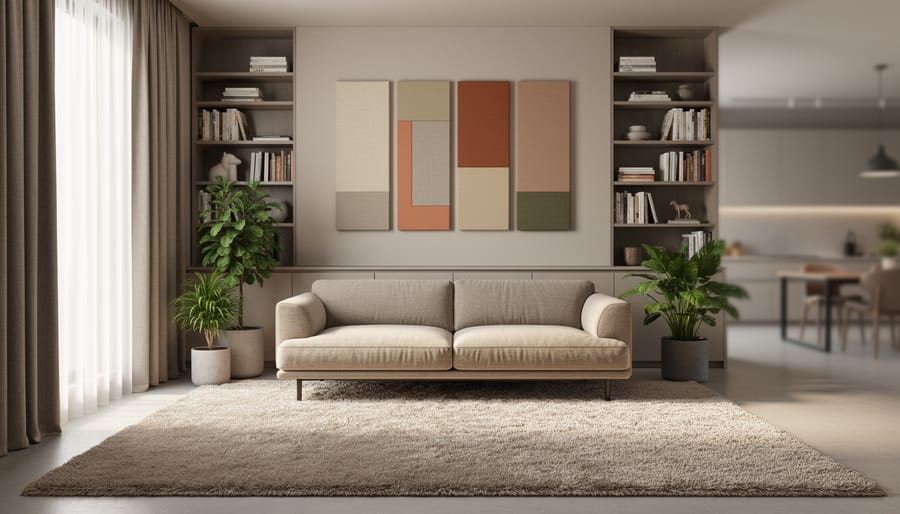
The beauty of acoustic design lies in its flexibility. Add thick curtains, area rugs, and upholstered furniture for instant improvement. Install acoustic panels disguised as artwork for targeted absorption. Rearrange bookshelves to break up sound reflections. These changes enhance both aesthetics and functionality, proving that great-sounding rooms can be stunning visual spaces too.
This guide walks you through diagnosing acoustic issues, selecting appropriate materials, and implementing solutions that match your budget and skill level. Transform your noisy, uncomfortable spaces into acoustically balanced environments where every sound serves its purpose.
What Is Acoustic Interior Design (And Why It Matters)
Acoustic interior design is all about managing how sound behaves within your home or workspace. Think of it as creating environments where conversations flow naturally, music sounds rich, and unwanted noise stays in check. Unlike traditional interior design that focuses primarily on aesthetics, acoustic design considers the invisible element that dramatically affects how we experience our spaces: sound.
When sound waves travel through a room, three things happen: absorption, reflection, and diffusion. Sound absorption occurs when materials like curtains, upholstered furniture, or specialized panels soak up sound energy, preventing it from bouncing around. Reflection happens when sound waves hit hard surfaces like walls, floors, and windows, causing them to bounce back into the room. Diffusion scatters sound in multiple directions, creating a more balanced acoustic environment without deadening the space completely.
Most homes face common acoustic challenges that many people don’t realize are problems until they’re solved. Open floor plans, while visually appealing, often create echo chambers where sounds from the kitchen clash with TV audio in the living room. Hard surfaces like tile, hardwood, and glass compound this issue by reflecting sound rather than absorbing it. Home offices struggle with conference call clarity due to poor room acoustics, while bedrooms might suffer from outside noise infiltration that disrupts sleep quality.
These acoustic problems aren’t just minor annoyances. Poor acoustics can increase stress levels, reduce productivity, and even impact family dynamics when everyone needs to raise their voices to be heard. The connection between sound design and wellness is increasingly recognized as essential to creating truly comfortable, functional living spaces. The good news? Many acoustic issues can be addressed with strategic design choices and accessible DIY solutions that don’t require major renovations or specialized expertise.
Signs Your Home Has Acoustic Problems
Echo and Reverberation
Ever walked into a room and heard your voice bounce back at you? That’s echo in action, and it’s one of the easiest acoustic problems to spot. Clap your hands once in the space—if you hear a distinct slapping sound that repeats, you’ve got excessive echo. Open-plan living areas are particularly prone to this issue because sound waves travel freely without barriers to absorb them.
High ceilings, while architecturally stunning, create cathedral-like reverberation that makes conversations difficult. Hard surfaces like tile floors, glass windows, concrete walls, and smooth plaster amplify the problem by reflecting sound waves instead of absorbing them. You’ll notice this most when multiple people are talking—voices seem to blend together into an indistinct murmur.
A simple DIY test: Record yourself speaking normally in the room, then play it back. If words sound muddy or the recording has a hollow quality, your space needs acoustic treatment. Pay special attention to corners and parallel walls where sound bounces back and forth, creating standing waves that intensify echo problems.
Noise Transfer Between Rooms
Sound traveling between rooms is one of the most common acoustic challenges in homes and offices. Whether it’s conversations bleeding through shared walls, footsteps echoing from the floor above, or TV noise seeping under doors, unwanted sound transfer can seriously impact your privacy and ability to concentrate.
The main culprits are typically thin walls, hollow-core doors, and floors without proper underlayment. Sound waves vibrate through these surfaces, carrying noise from one space to another. Gaps around door frames and electrical outlets create additional pathways for sound to escape. In multi-story homes, impact noise from footsteps becomes particularly noticeable when floors lack adequate sound dampening.
The good news? You can tackle these issues with strategic improvements. Adding mass to walls with additional drywall layers, replacing hollow doors with solid-core versions, and installing door sweeps are excellent starting points. For floors, acoustic underlayment beneath flooring materials works wonders. Even simple DIY solutions like weatherstripping around doors and acoustic caulk in gaps can make a noticeable difference in reducing sound transmission between your spaces.
External Noise Intrusion
External noise can be one of the most frustrating acoustic challenges homeowners face. Traffic rumble, neighborhood lawn mowers, construction equipment, and even energetic kids playing outside can easily penetrate your walls and windows, disrupting your peaceful indoor environment.
The biggest culprits for external noise intrusion are typically your windows and doors, which act as weak points in your home’s sound barrier. Single-pane windows offer minimal sound resistance, while poorly sealed doors create pathways for outdoor sounds to enter freely. Even small gaps around window frames or door thresholds can significantly compromise your home’s acoustic integrity.
Understanding where noise enters your space is the first step toward effective solutions. Walk around your home during peak noise hours and identify the primary entry points. Traffic noise tends to be most problematic on street-facing walls, while neighborhood sounds might affect backyard-facing rooms.
The good news? You don’t need a complete renovation to make meaningful improvements. Simple upgrades like weatherstripping, acoustic caulk around window frames, and heavy curtains can reduce external noise by 25-50%. For more substantial reduction, consider upgrading to double or triple-pane windows with laminated glass, adding exterior storm windows, or installing solid-core doors. These solutions protect your sanctuary from the outside world while maintaining your home’s aesthetic appeal.
Acoustic Interior Design Solutions That Actually Work
Soft Furnishings and Textiles
Soft furnishings are your secret weapon for better acoustics without sacrificing style. Think of textiles as sound sponges that quietly work to absorb echoes and reduce noise bouncing around your rooms.
Rugs are particularly effective, especially in rooms with hard flooring. A thick area rug with a quality pad underneath can dramatically reduce footstep noise and absorb sound reflections from the floor. Aim for coverage of at least 60% of your floor space in living areas for noticeable improvement.
Heavy curtains made from velvet, suede, or layered fabrics work wonders for windows. Floor-to-ceiling panels that extend beyond the window frame absorb more sound than minimal treatments. For maximum effect, choose lined or interlined curtains rather than single-layer options.
Upholstered furniture naturally dampens sound better than leather or wood pieces. A fabric sofa with cushions creates multiple sound-absorbing surfaces. Add throw pillows in varying textures and sizes to different seating areas for both visual interest and acoustic benefits.
When selecting fabrics, prioritize weight and texture over appearance alone. Thicker, textured materials like chenille, wool, and heavy cotton perform better than smooth, lightweight fabrics. Layer different textiles throughout your space for a cozy atmosphere that also controls sound effectively.
Acoustic Panels and Wall Treatments
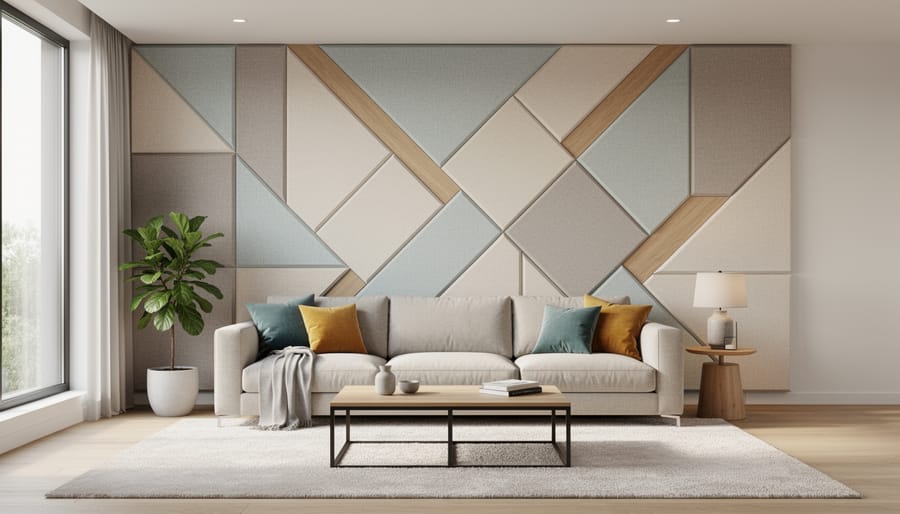
Acoustic panels offer one of the most effective ways to control sound while adding visual interest to your space. These sound-absorbing treatments come in various styles, from sleek modern designs to artistic statement pieces that double as wall art.
Decorative acoustic panels are available in countless colors, patterns, and shapes, making it easy to match your existing decor. Popular options include geometric designs, nature-inspired patterns, and customizable prints. Fabric-wrapped panels provide excellent sound absorption and can be covered in any fabric you choose, allowing for complete design flexibility.
For budget-conscious projects, DIY acoustic panels are surprisingly simple to create. You’ll need rigid insulation boards, acoustic fabric, and a staple gun. Cut the insulation to your desired size, wrap it tightly with fabric, and secure it with staples on the back. Mount multiple panels strategically where sound reflection is strongest, typically on walls facing sound sources.
When shopping for panels, consider the Noise Reduction Coefficient (NRC) rating, which measures absorption effectiveness. Look for ratings between 0.8 and 1.0 for best results. Panel thickness matters too, with 2-inch panels offering better low-frequency absorption than thinner options.
Installation is straightforward using adhesive strips, Z-clips, or French cleats, depending on panel weight and wall type.
Strategic Furniture Placement
You don’t need a complete room makeover to dramatically improve your space’s acoustics. Strategic furniture placement works wonders by interrupting sound waves before they bounce around creating echoes. Think of your furniture as acoustic allies that scatter and absorb sound naturally.
Start with tall bookcases filled with books along empty walls. The varied depths and textures break up sound reflections beautifully. Position upholstered furniture like sofas and armchairs away from parallel walls to prevent sound from bouncing back and forth. Room dividers and open shelving units create additional surfaces that disrupt sound paths without closing off your space.
Layer different furniture heights throughout the room rather than pushing everything against the walls. A reading chair in a corner with a floor lamp, side table, and area rug creates multiple sound-absorbing zones. Even potted plants on stands add helpful acoustic diffusion while enhancing your decor. The key is avoiding large expanses of bare walls and floors where sound can travel uninterrupted. This approach costs nothing if you’re simply rearranging existing pieces and delivers immediate acoustic improvements.
Ceiling Solutions
Ceilings are often overlooked when addressing sound issues, yet they’re major culprits for echo and noise bounce, especially in rooms with high or vaulted ceilings. The good news? You have several stylish options to tackle overhead acoustics.
Acoustic ceiling tiles are the most traditional solution, available in various textures and designs that go far beyond boring office aesthetics. Modern options include fabric-wrapped panels that blend seamlessly with residential interiors. For a more contemporary approach, consider acoustic clouds—floating panels suspended at different heights that create visual interest while absorbing sound from multiple angles.
Ceiling baffles offer another trendy alternative, hanging vertically to intercept sound waves. They work beautifully in open-concept living spaces, home theaters, or lofted bedrooms where traditional ceiling treatments might feel too heavy.
DIY enthusiasts can create custom acoustic panels using wooden frames, acoustic insulation, and decorative fabric, then mount them directly to ceilings or suspend them with adjustable cable systems. Textured finishes like popcorn alternatives or specialized acoustic plaster also provide subtle sound absorption without compromising your design vision. Strategic placement above conversation areas or entertainment zones delivers the biggest impact for your investment.
Flooring Choices
Your flooring choice significantly impacts how sound travels through your home. Hard surfaces like tile, hardwood, and laminate reflect sound waves, creating echoes and allowing noise to transmit between floors. Carpet naturally absorbs sound and reduces footfall noise, making it ideal for bedrooms and upstairs hallways. Consider plush, dense carpets with quality padding for maximum acoustic benefit.
Area rugs offer flexible sound control without permanent installation. Place them strategically in living rooms, dining areas, and home offices to dampen echoes while maintaining your existing flooring. Cork flooring provides excellent sound absorption with a modern aesthetic, perfect for home offices or media rooms.
For multi-story homes, acoustic underlayment beneath any flooring type dramatically reduces impact noise transmission to rooms below. This relatively inexpensive addition works under hardwood, laminate, or tile, making it a smart DIY upgrade. In high-traffic areas like kitchens, combine hard flooring with washable area rugs for practical sound control without sacrificing easy maintenance.
Windows and Doors
Windows and doors are often the weakest links in your home’s sound defense. If you’re hearing traffic noise or neighbor conversations, start with double-pane or laminated glass windows. These create an air gap that significantly reduces sound transmission compared to single-pane options. For immediate improvement, add thick, heavy curtains that extend from ceiling to floor. The denser the fabric, the better the sound absorption.
Don’t overlook your doors. A visible gap at the bottom is essentially an open invitation for noise. Install door sweeps on exterior and bedroom doors to seal that space. Weather stripping around door frames addresses gaps on the sides and top. For maximum soundproofing, consider solid-core doors instead of hollow ones, especially for bedrooms and home offices. These upgrades work together to create a quieter, more peaceful environment while also improving energy efficiency.
Room-by-Room Acoustic Design Strategies
Home Offices and Study Spaces
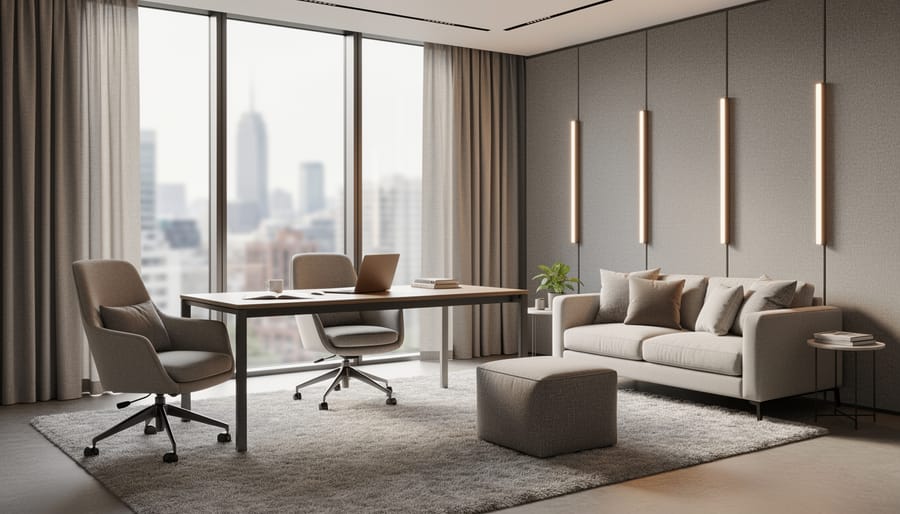
Home offices need acoustics that support both concentration and clear video calls. Start by adding a thick area rug under your desk to absorb sound reflections from hard flooring. Fabric-wrapped acoustic panels mounted behind your monitor reduce echo during virtual meetings and create a professional background.
Bookshelves filled with books naturally diffuse sound waves while providing storage. Position them on the wall opposite your desk for maximum benefit. Heavy curtains or cellular shades on windows block external noise and prevent sound from bouncing around the room.
Consider your home office ergonomics alongside acoustics—your quality office furniture with upholstered surfaces also helps dampen sound. A fabric desk pad and upholstered chair contribute to overall noise reduction while maintaining comfort during long work sessions.
Living Rooms and Open Concepts
Living rooms with open floor plans create wonderful, spacious environments but often turn into echo chambers. The combination of high ceilings, large square footage, and popular hard surfaces like hardwood floors and bare walls amplifies sound problems. Start by adding a large area rug under your main seating area to absorb floor-level reflections. Upholstered furniture works double duty as comfortable seating and sound absorption. Consider hanging fabric panels or acoustic art on tall walls to tackle vertical sound bounce. For tech-savvy homeowners, install acoustic LED panels that provide both lighting and sound control. Layering window treatments with heavy drapes over blinds helps reduce outside noise while improving internal acoustics. If your space features exposed beams, drape them with fabric or add wooden acoustic panels between them. Strategically placed bookshelves filled with books create irregular surfaces that diffuse sound naturally. For DIY enthusiasts, build simple fabric-wrapped panels using insulation board and mount them decoratively on walls. These affordable solutions transform booming, uncomfortable spaces into warm, conversation-friendly gathering spots where everyone can hear clearly without raising their voices.
Bedrooms for Better Sleep
Quality sleep starts with a peaceful, quiet bedroom. External noise from traffic, neighbors, or even household sounds can disrupt your rest and leave you feeling exhausted. The good news is that strategic acoustic design can transform your bedroom into a tranquil sanctuary.
Start by identifying where noise enters your space. Windows are often the biggest culprits, so consider installing heavy, lined curtains or cellular shades that create an air barrier. For a simple DIY upgrade, add weatherstripping around window frames to seal gaps that let sound leak through.
Soft furnishings are your best friends for absorbing sound within the room. Layer your bed with plush bedding, add an upholstered headboard, and place a thick area rug underfoot. These textured materials dampen echoes and create a cocoon-like atmosphere perfect for rest.
Don’t overlook your bedroom door. A door sweep at the bottom blocks hallway noise effectively, while acoustic door seals around the frame provide extra sound blocking. If you’re dealing with particularly noisy neighbors, acoustic panels disguised as fabric wall art offer an attractive solution without sacrificing your bedroom’s style.
Media Rooms and Entertainment Spaces
Creating the ultimate media room means balancing two goals: amazing sound inside and zero disturbance outside. Start with proper wall insulation using mass-loaded vinyl or resilient channels between studs to prevent bass frequencies from traveling through walls. Double drywall with Green Glue damping compound works wonders for containment.
For optimal sound quality, install acoustic panels at first reflection points—the spots on side walls where sound bounces directly to your listening position. Bass traps in corners tame low-frequency buildup that makes dialogue muddy. A simple DIY approach involves fabric-wrapped acoustic panels filled with mineral wool, which you can customize to match your décor.
Don’t forget the ceiling and floor. Suspended acoustic ceiling tiles or clouds reduce echo, while thick area rugs over carpet padding minimize sound transfer downstairs. Smart technology integration matters too—install volume limiters on speakers during late hours, and consider acoustic door sweeps and solid-core doors to keep movie explosions from disturbing sleeping family members. Position subwoofers away from shared walls, and use isolation pads underneath to decouple vibrations. These straightforward improvements transform your space into a true home theater experience everyone can enjoy.
DIY Acoustic Projects You Can Tackle This Weekend
Making Your Own Fabric-Wrapped Acoustic Panels
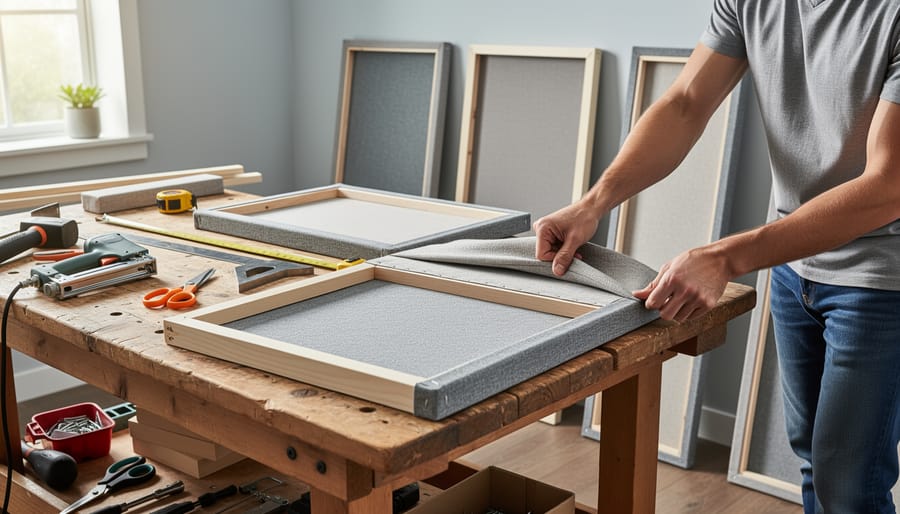
Creating your own acoustic panels is surprisingly simple and budget-friendly. For four 24×48-inch panels, you’ll need rigid fiberglass insulation boards (around $40), fabric of your choice ($30-50), wood frames or stretcher bars ($25), and spray adhesive ($10). Total cost runs approximately $105-125, compared to $200-400 for professional panels.
Start by cutting your insulation to size using a serrated knife. Build wooden frames slightly larger than your insulation pieces, then wrap your chosen fabric around the frame, securing it with a staple gun. Insert the insulation board between the fabric layers, ensuring a snug fit. The fabric acts as your decorative finish while allowing sound to pass through to the absorptive material beneath.
Choose breathable fabrics like cotton, linen, or burlap rather than synthetic materials that might block sound waves. Test fabric transparency by holding it up to light – if light passes through easily, sound will too.
Mount finished panels directly to walls using Z-clips or French cleats, spacing them strategically at reflection points. For renters, consider adding picture hanging wire to make panels portable. This weekend project transforms your space acoustically while complementing your existing decor perfectly.
Quick Soundproofing Fixes Under $100
You don’t need to break the bank to make noticeable acoustic improvements in your home. Start with door sweeps, which cost around $10-15 and dramatically reduce sound leaking under doors. These simple rubber or brush strips attach to your door bottom and create an effective seal against noise transfer between rooms.
Weather stripping for doors and windows is another budget-friendly winner at $5-20 per roll. Apply it around door frames and window edges to close gaps where sound escapes. For windows specifically, magnetic sound-dampening curtains run $30-80 and add both style and substantial noise reduction without permanent installation.
Consider adding a thick area rug with a quality pad underneath for $50-100. This combination absorbs floor-based sound transmission and reduces echo, making an immediate difference in room acoustics. Foam door sweeps with adhesive backing offer an even quicker fix for apartment dwellers who can’t drill into doors.
Soft furnishing additions like throw pillows, blankets, and upholstered ottomans scattered throughout a room help break up sound waves naturally. Even budget-friendly tapestries or fabric wall hangings provide acoustic benefits while adding visual interest. These quick fixes deliver real results without requiring professional installation or major renovation work.
Transforming your home with better acoustics doesn’t have to be overwhelming or expensive. By addressing sound quality alongside visual appeal, you create spaces that not only look beautiful but feel comfortable and function better for everyday life. Whether you’re dealing with echo in a dining room, noise from a home office, or simply want richer sound in your living areas, smart acoustic design makes a real difference.
The best part? You don’t need to be an audiophile to benefit from acoustic improvements. Start with one room that bothers you most. Add an area rug to reduce footstep noise. Hang fabric curtains to soften harsh echoes. Install a few decorative acoustic panels that complement your existing decor. These simple changes create immediate, noticeable improvements in comfort and clarity.
Better acoustics enhance productivity in home offices, improve sleep quality in bedrooms, and make conversations easier in social spaces. They also add genuine value to your home, making spaces feel more refined and intentional. Acoustic design is no longer just for recording studios or concert halls—it’s an accessible, practical element of modern interior design that every homeowner can embrace. Your ears will thank you, and so will anyone who spends time in your thoughtfully designed spaces.