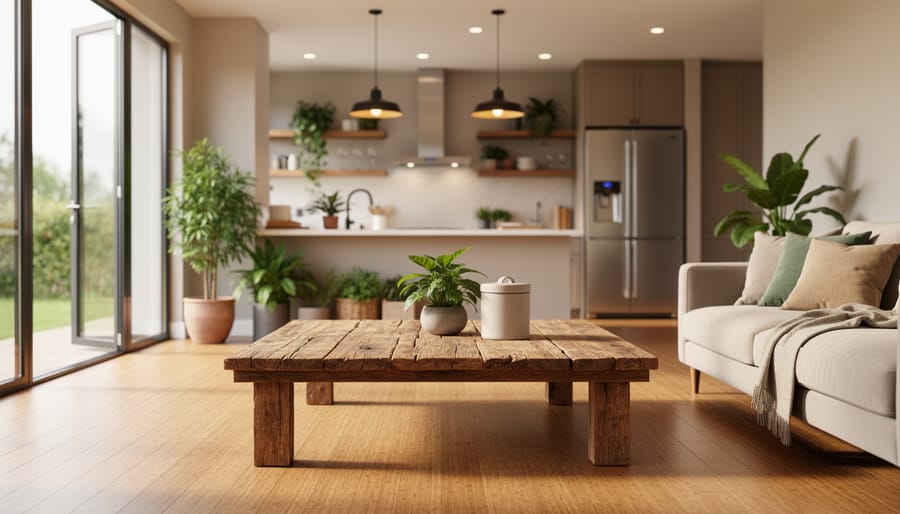
Transform Your Home Into an Eco-Friendly Haven Without Sacrificing Style
Start by switching to LED bulbs throughout your home—they use 75% less energy than traditional incandescent lighting and last up to 25 times longer, saving you hundreds of dollars annually while dramatically cutting your carbon footprint. Replace single-use paper towels with reusable microfiber cloths that can be washed hundreds of times, eliminating unnecessary waste and reducing your household expenses by roughly $200 per year.
Install a programmable or smart thermostat to automatically adjust temperatures when you’re away or sleeping, reducing heating and cooling energy consumption by up to 23% without sacrificing comfort. Seal air leaks around windows and doors using weatherstripping and caulk—this simple DIY project takes just a few hours but can cut energy bills by 10-20% immediately.
Transform your cleaning routine by making non-toxic solutions from household ingredients like vinegar, baking soda, and lemon juice, eliminating harmful chemicals from your indoor air while protecting waterways from toxic runoff. Set up a basic composting system in your kitchen or backyard to divert food scraps from landfills, where they would otherwise produce methane, a greenhouse gas 25 times more potent than carbon dioxide.
Replace older appliances with Energy Star certified models when they need upgrading—modern refrigerators, dishwashers, and washing machines use 50% less energy and significantly less water than models from just a decade ago. These straightforward changes create measurable environmental impact while improving your home’s efficiency, air quality, and long-term value without requiring major renovations or overwhelming lifestyle changes.
Choose Sustainable Materials That Last
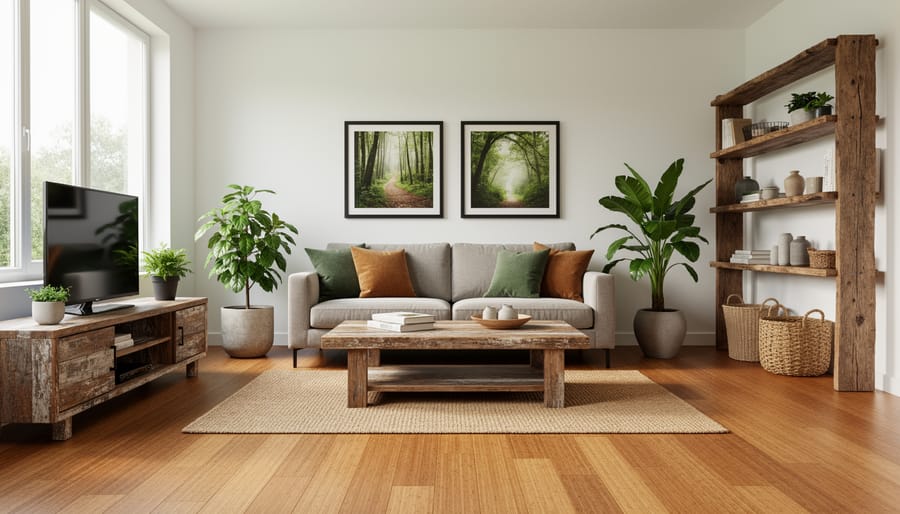
Furniture That Does Double Duty for the Planet
Choosing furniture that’s built to last isn’t just smart for your wallet—it’s one of the most impactful decisions you can make for the environment. When shopping for sustainable pieces, start by looking for certifications that matter. The Forest Stewardship Council (FSC) label ensures wood comes from responsibly managed forests, while Greenguard certification means the furniture meets strict chemical emissions standards for healthier indoor air quality.
Quality eco-friendly furniture materials like solid hardwood, bamboo, and reclaimed timber outlast particle board alternatives by decades. Check construction details: dovetail joints, solid wood frames, and quality upholstery fabrics indicate pieces that won’t end up in landfills after a few years.
Consider buying secondhand or vintage furniture, which eliminates manufacturing impact entirely. A well-made mid-century dresser can serve multiple generations with minimal maintenance.
When buying new, ask retailers about their sourcing practices and warranty coverage. Companies confident in their craftsmanship typically offer extended warranties. Look for modular designs that adapt to changing needs—a convertible sofa or extendable dining table reduces the need for future purchases. Remember, the greenest furniture is the piece you’ll still love and use twenty years from now.
Flooring Options That Reduce Your Carbon Footprint
Your flooring choice significantly impacts your home’s environmental footprint, so let’s explore some earth-friendly alternatives that look great and last for years.
Bamboo flooring tops the list for good reason. This grass grows incredibly fast, reaching maturity in just 3-5 years compared to hardwood’s 20-30 years. It’s durable, moisture-resistant, and comes in various styles to match any design aesthetic. Just ensure you’re buying from manufacturers using low-VOC adhesives.
Cork offers another fantastic option. Harvested from tree bark without cutting down the tree, it’s naturally renewable and biodegradable. As a bonus, cork provides excellent insulation and feels wonderfully soft underfoot. It works especially well in bedrooms and home offices.
Reclaimed hardwood brings character while giving old materials new life. Salvaged from barns, factories, or demolished buildings, these planks tell a story and prevent perfectly good wood from ending up in landfills. Each piece has unique weathering and patina that adds instant charm.
Natural linoleum, made from linseed oil, cork dust, and wood flour, stands out among sustainable flooring options. It’s biodegradable, antimicrobial, and incredibly durable.
When installing any flooring, choose low-VOC adhesives and finishes to maintain healthy indoor air quality. Many options work great as DIY projects, saving money while reducing your environmental impact.
Paint and Finishes That Won’t Poison Your Air
Ever wonder what that “new paint smell” really is? It’s actually volatile organic compounds (VOCs) evaporating into your home’s air. These chemicals can cause headaches, dizziness, and respiratory issues in the short term, and some are linked to more serious health problems with long-term exposure. The good news? You have plenty of safer alternatives that don’t compromise on quality or color selection.
When shopping for paint, look for products labeled “low-VOC” (under 50 grams per liter) or “zero-VOC” (under 5 grams per liter). Most major paint brands now offer these options at comparable prices to traditional paints. Keep in mind that adding colorant can increase VOC levels, so ask your paint supplier about low-VOC tinting options too. Check out these eco-friendly paint options to get started with brands that prioritize both your health and the environment.
Natural paint alternatives are worth exploring for smaller projects. Milk paint, made from milk protein, lime, and natural pigments, creates beautiful matte finishes perfect for furniture and accent walls. Clay-based paints offer excellent breathability and come in gorgeous earth tones. These options require a bit more prep work but deliver stunning, unique results.
For wood finishes, skip polyurethane and other solvent-based products. Try natural oils like linseed or tung oil, or water-based polyurethane alternatives. Beeswax mixed with mineral oil makes an excellent furniture polish you can whip up at home in minutes.
Rethinking wallpaper? Choose options printed with water-based inks on recyclable paper, or explore removable wallpaper made from PVC-free materials. Grasscloth and other natural fiber wallcoverings add texture without synthetic adhesives.
One pro tip: ventilate well during and after any painting project, even with eco-friendly products. Open windows, run fans, and give rooms at least 48 hours to off-gas before moving furniture back in.
Smart Energy Efficiency Upgrades
Lighting That Saves Money and Looks Amazing
Switching to energy-efficient lighting is one of the fastest ways to shrink your electricity bill while creating a beautiful ambiance in your home. LED bulbs use up to 75% less energy than traditional incarcescent bulbs and last 25 times longer, which means fewer replacements and less waste heading to landfills.
Start by replacing your most-used lights with LEDs. Focus on kitchen, living room, and bathroom fixtures first since these spaces typically consume the most energy. Today’s LEDs come in various color temperatures, from warm white (2700K) for cozy spaces to cool white (5000K) for task lighting in home offices.
Maximize natural light by keeping windows clean and removing heavy curtains during daylight hours. Position mirrors opposite windows to bounce light deeper into rooms, reducing your need for artificial lighting. Consider installing skylights or solar tubes in darker hallways and interior spaces.
Smart lighting systems take efficiency further by letting you schedule lights, dim them remotely, and create zones that only illuminate occupied rooms. Many systems integrate with voice assistants and can be programmed to turn off automatically when you leave home.
Choose fixtures with multiple bulbs on separate switches, allowing you to adjust brightness based on actual needs. Dimmer switches extend bulb life and provide flexibility for different activities, from bright task lighting to soft evening ambiance.
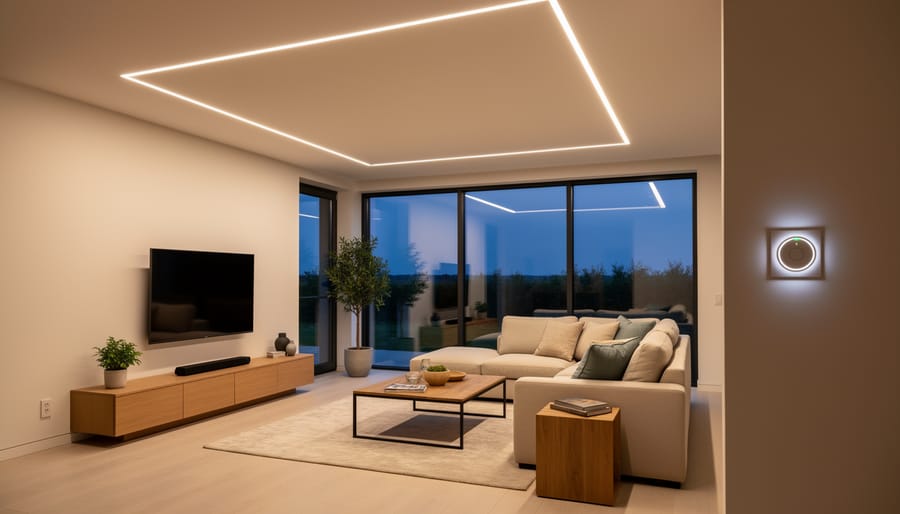
Integrate Smart Technology Seamlessly
Modern smart home technology doesn’t have to clash with your carefully curated aesthetic. The key is choosing devices that blend naturally into your existing decor while maximizing energy savings.
Start with a smart thermostat, which can reduce heating and cooling costs by up to 23%. Today’s models come in sleek designs that look more like minimalist art pieces than clunky gadgets. Position yours in a central location where it complements your wall color rather than dominating the space.
Energy monitors are another game-changer, giving you real-time feedback on electricity usage. Many newer versions connect directly to your home’s electrical panel and operate entirely through smartphone apps, eliminating the need for visible displays. This invisible approach keeps your home looking clean while you track consumption.
For automated lighting, opt for smart switches that replace your existing switches rather than smart bulbs. They maintain a cohesive look throughout your home and work with any bulb type. Choose finishes that match your current hardware for a seamless integration.
The best part? Once installed, these systems work quietly in the background, optimizing energy use without requiring constant attention or disrupting your home’s visual appeal.
Textile Choices That Feel Good Inside and Out
The fabrics you choose for your home do more than just look good—they impact your health, the environment, and even how comfortable you feel in your space. Switching to sustainable textiles is one of the easiest ways to make your home more eco-friendly without sacrificing style or comfort.
Start with organic cotton, which is grown without harmful pesticides and synthetic fertilizers. It’s perfect for bedding, curtains, and upholstery because it’s soft, breathable, and gets better with age. Look for GOTS (Global Organic Textile Standard) certification when shopping to ensure you’re getting the real deal. Organic cotton might cost a bit more upfront, but the durability means you’ll replace items less frequently.
Hemp is another superstar in the sustainable fabric world. This incredibly resilient plant requires minimal water, grows quickly, and actually improves soil health. Hemp fabric starts out textured but softens beautifully over time, making it ideal for curtains and throw pillows. Bonus: it’s naturally resistant to mold and UV rays, so it holds up exceptionally well in sunny rooms.
Linen, made from flax plants, offers that relaxed, lived-in aesthetic that never goes out of style. It’s naturally hypoallergenic and gets softer with every wash—perfect for bedding and lightweight curtains. Flax requires far less water than cotton and thrives without pesticides.
Don’t overlook recycled textiles either. Many companies now create beautiful rugs and upholstery from recycled plastic bottles, fishing nets, and reclaimed fabric scraps. These options divert waste from landfills while offering durability and easy maintenance.
When sourcing these materials, check local fabric stores for remnants and deadstock fabrics to reduce waste further. Online marketplaces specializing in sustainable textiles often provide detailed information about their sourcing and manufacturing processes, making it easier to make informed choices that align with your values.
Bring Nature Inside With Indoor Plants
Indoor plants are more than just pretty decorations—they’re hardworking members of your eco-friendly home team. These green companions naturally filter toxins from the air, absorb carbon dioxide, and release oxygen, creating a healthier living environment for you and your family. Studies have shown that certain plants can remove up to 87% of air pollutants within 24 hours, making them one of the most effective and affordable air purification systems available.
If you’re worried about keeping plants alive, don’t be. Several low-maintenance options thrive even with minimal attention. Snake plants and pothos are nearly indestructible, tolerating low light and irregular watering schedules. ZZ plants can go weeks without water, while spider plants actively reproduce, giving you free baby plants to spread throughout your home or share with friends. Peace lilies actually tell you when they’re thirsty by drooping slightly, then perk right back up after watering.
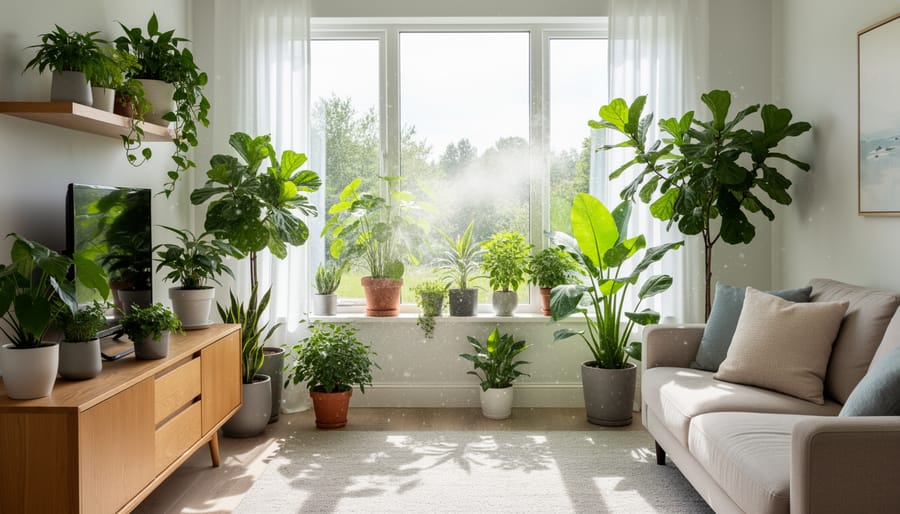
The key to styling plants as living decor is thinking beyond the windowsill. Hang trailing pothos from curtain rods or ceiling hooks to create vertical interest. Cluster different-sized plants on floating shelves for a botanical gallery wall effect. Place a statement fiddle leaf fig in an empty corner to fill awkward spaces with life and color. Kitchen herbs serve double duty as both decor and fresh ingredients for cooking.
For a DIY project, create self-watering planters using recycled containers and cotton rope wicks. This simple technology ensures your plants stay hydrated during busy weeks while reducing water waste. Group plants with similar light and water needs together to simplify care routines and create cohesive green zones throughout your space.
Repurpose and Upcycle Like a Designer
Simple Furniture Makeover Projects
Breathing new life into old furniture is one of the most rewarding DIY upcycling projects you can tackle. Not only does it keep perfectly good pieces out of landfills, but it also creates unique statement pieces for your home at a fraction of the cost of buying new.
Start with furniture refinishing by choosing pieces with solid wood construction. Strip old paint or varnish using eco-friendly citrus-based removers, working in a well-ventilated area. Sand the surface smooth, starting with 80-grit sandpaper and finishing with 220-grit for a professional result. Apply a water-based finish or natural oil like tung or linseed to protect the wood while minimizing harmful fumes.
For reupholstering chairs, begin by carefully removing the old fabric and taking photos during each step for reference. Save the original fabric as a template for cutting new material. Choose organic cotton, hemp, or recycled textiles from fabric suppliers committed to sustainability. Stretch and staple the new fabric tightly, starting from the center of each side and working outward to avoid wrinkles.
Creative paint techniques can transform outdated pieces dramatically. Chalk paint requires minimal prep work and creates a beautiful matte finish perfect for vintage looks. Try color blocking by taping off geometric sections for a modern twist, or use the dry brush technique by applying small amounts of paint to highlight raised details and create depth.
Consider milk paint for an authentic antique appearance that develops natural variations and chippy character over time. This biodegradable option comes in powder form, reducing packaging waste. For added durability, seal painted furniture with low-VOC topcoats that protect against daily wear while maintaining indoor air quality.
Water Conservation in Home Design
Water conservation doesn’t mean sacrificing style or comfort in your home. Today’s water-efficient fixtures combine sleek design with impressive performance, helping you reduce both your environmental footprint and monthly utility bills.
Start with low-flow faucets and showerheads, which use aerator technology to maintain strong water pressure while cutting consumption by up to 60%. These fixtures mix air with water, creating a satisfying flow that feels just as powerful as traditional options. You’ll find countless modern designs that complement any bathroom or kitchen aesthetic, from minimalist chrome to oil-rubbed bronze finishes.
Dual-flush toilets are another game-changer, offering two flush options depending on what’s needed. The partial flush uses as little as 0.8 gallons, while the full flush typically uses 1.6 gallons compared to older toilets that guzzle 3.5 to 7 gallons per flush. That adds up to thousands of gallons saved annually for the average household.
When upgrading appliances, look for WaterSense and Energy Star certifications. Modern dishwashers actually use less water than hand-washing, sometimes as little as 3 gallons per cycle. High-efficiency washing machines can reduce water use by 50% while handling larger loads, and many include smart features that automatically adjust water levels based on load size.
For a simple DIY project, install faucet aerators on existing fixtures. These inexpensive devices screw onto your current faucets in minutes and can cut water flow from 2.5 gallons per minute to just 1.5 without noticeable pressure loss. It’s one of the easiest water-saving upgrades you can make today.
Create a Sustainable Décor Budget
Going green doesn’t mean breaking the bank. The good news? Many eco-friendly home upgrades actually save you money in the long run through reduced energy bills and water usage.
Start by prioritizing high-impact changes that offer the best return on investment. LED light bulbs, programmable thermostats, and weatherstripping are affordable swaps that immediately cut utility costs. These simple updates often pay for themselves within months while reducing your carbon footprint.
When deciding where to invest versus save, focus your bigger budget on items you’ll use daily for years. Splurge on quality organic mattresses or energy-efficient appliances, since these impact both your health and long-term savings. Save money by thrifting vintage furniture, which keeps perfectly good pieces out of landfills while adding character to your space.
Shop secondhand first. Estate sales, online marketplaces, and architectural salvage yards offer unique finds at fraction-of-retail prices. That reclaimed wood bookshelf or vintage lighting fixture costs less than new mass-produced items while being inherently sustainable.
DIY projects stretch your budget further. Upcycle existing furniture with non-toxic paint, create planters from repurposed containers, or sew curtains from organic fabric remnals. These hands-on projects cost less than buying new while giving you complete control over materials.
Watch for sales on eco-friendly products and buy in bulk when possible. Many sustainable brands offer discounts for email subscribers or first-time customers. Remember, transitioning to an eco-friendly home is a journey, not a race. Tackle one room or project at a time as your budget allows.
Creating an eco-friendly home isn’t about perfection or overhauling everything overnight. It’s about making thoughtful choices that align with your values and lifestyle. Every LED bulb you install, every reusable product you choose, and every gallon of water you save contributes to a healthier planet and a more sustainable future.
The beauty of these changes is that they benefit you just as much as the environment. Lower utility bills, improved indoor air quality, reduced exposure to harmful chemicals, and a home that feels genuinely good to live in are all tangible rewards for your efforts. You’re not sacrificing comfort or style—you’re enhancing both while treading more lightly on the earth.
Start small if you’re feeling overwhelmed. Pick one or two changes from this guide that resonate with you and fit your budget. Maybe it’s switching to natural cleaning products or finally installing that programmable thermostat you’ve been considering. Once those become habits, add another sustainable practice.
Remember, millions of people making small changes create far more impact than a handful making perfect ones. Your journey toward an eco-friendly home is uniquely yours, and every step forward counts. The most important thing is simply to begin.