Why Your Home Renovation Budget Keeps Breaking (And How Procurement Planning Fixes It)
Picture this: You’re ready to transform your kitchen, but three months in, you’ve blown through your budget, your contractor is using materials you never approved, and you’re scrambling to find a replacement plumber. Sound familiar? This chaos is exactly what procurement planning prevents.
Procurement planning is the strategic process of identifying what materials, services, and contractors you need for a project, when you need them, and how you’ll acquire them at the best value. Think of it as your project’s shopping list meets master schedule—but with serious financial teeth. When planning your renovation, this upfront work determines whether you’ll finish on time and on budget or face costly delays and surprise expenses.
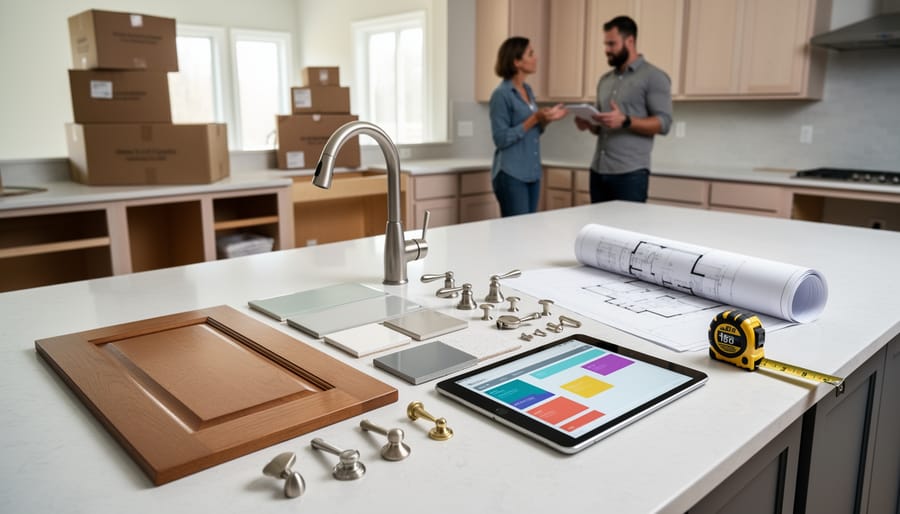
For homeowners tackling renovations, procurement planning means knowing exactly which fixtures to order before demolition starts, understanding lead times for custom cabinets, and vetting contractors before you need them desperately. It’s the difference between confidently managing your project and frantically accepting whoever’s available at premium rates.
The beauty? You don’t need an MBA to master it. Procurement planning boils down to four straightforward steps: listing everything you need, researching reliable vendors, timing your purchases strategically, and establishing clear agreements. Whether you’re replacing bathroom tile or adding a second story, this roadmap keeps you in control—ensuring quality materials arrive when promised and skilled professionals show up ready to work.
What Is Procurement Planning? (The Simple Answer)
Think of the last time you started a home project. Maybe you needed new kitchen cabinets, or you were finally tackling that bathroom remodel. If you’re like most homeowners, you probably dove right in, picking up items as you went along. But then reality hit: budget overruns, delivery delays, or realizing you ordered the wrong size tiles halfway through the project.
This is exactly where procurement planning comes in, and it’s simpler than it sounds.
At its core, procurement planning is just a fancy term for creating a strategic roadmap of what you need to buy, when you need it, and how much you’re willing to spend. It’s about being intentional instead of impulsive with your purchasing decisions.
Let’s say you’re furnishing a new living room. Without procurement planning, you might buy a beautiful sofa today, only to discover next month that the coffee table you love doesn’t fit your remaining budget. With procurement planning, you’d start by listing everything you need, researching prices, setting a realistic budget for each item, and creating a timeline for purchases. You might even coordinate delivery dates so your contractor can install built-ins before the furniture arrives.
The same principle applies whether you’re buying materials for a DIY deck project or coordinating multiple contractors for a whole-home renovation. Procurement planning helps you anticipate needs, compare vendors, negotiate better prices, and avoid those frustrating last-minute trips to the hardware store.
Think of it as meal planning, but for your home projects. Just like planning your weekly meals saves money and reduces stress, procurement planning keeps your renovation on track and within budget.
Why Homeowners Need Procurement Planning
The Hidden Costs of Winging It
Let’s look at what can happen when you skip the planning phase. Sarah, a homeowner in Austin, learned this the hard way during her kitchen renovation. Without a procurement plan, she ordered custom cabinets that arrived three weeks late because she didn’t account for lead times. The delay meant her contractor sat idle, costing her an extra $2,400 in rescheduling fees.
Then there’s the rush delivery trap. When you realize mid-project that you’re short on materials, expedited shipping can double or triple your costs. One DIY enthusiast paid $180 in rush fees for tile that would have cost $40 to ship with standard delivery.
Wrong measurements are another expensive pitfall. Without proper planning, a property manager ordered bathroom vanities that were two inches too wide, requiring costly returns and delays. Mismatched materials also plague unplanned projects. Imagine ordering flooring in separate batches only to discover the wood grain doesn’t match because they came from different production runs.
These aren’t worst-case scenarios. They’re everyday occurrences that drain budgets and create stress. The good news? A solid procurement plan prevents all of them.
How Planning Saves You Money and Stress
Smart procurement planning puts real dollars back in your pocket while eliminating those last-minute panic moments. When you buy materials in bulk for multiple rooms or projects, you’ll unlock volume discounts that aren’t available with one-off purchases. For example, ordering flooring for your entire home at once rather than room by room can save you 15-20% on your total cost.
Planning ahead also strengthens your negotiating position with vendors. With a clear timeline and consolidated order list, you can request better rates, explore price matching, and secure seasonal discounts. You’re no longer a rushed customer willing to pay premium prices for immediate delivery.
Coordinating deliveries becomes another money-saver when you plan strategically. Instead of paying multiple delivery fees or renting storage units because materials arrived too early, you can schedule shipments to arrive exactly when needed. This approach reduces handling costs and prevents damage from extended storage. Plus, you’ll avoid those expensive rush orders when you realize you’re short on materials mid-project. Think of procurement planning as your financial buffer—it transforms your renovation budget from a guessing game into a predictable, controlled investment.
The Core Elements of Procurement Planning for Your Home
Identifying What You Actually Need
Start by walking through each room with a notebook or smartphone app. List everything you need, from major furniture pieces to smaller items like light fixtures and hardware. Be specific—instead of writing “paint,” note “2 gallons semi-gloss white paint for kitchen walls.”
Measure your spaces accurately using a laser measuring tool or traditional tape measure. Record length, width, and height of rooms, plus dimensions of doorways, windows, and any fixed features. These measurements prevent costly mistakes like ordering a sofa that won’t fit through your hallway.
Create a simple spreadsheet to track quantities. For materials like flooring or tile, add 10-15% extra to account for cuts and waste. For furniture, stick to your actual room count—resist the temptation to “stock up” on items you might need later.
Use free room planning apps to visualize your space before buying. Apps like MagicPlan or RoomSketcher let you input measurements and arrange furniture virtually, helping you confirm what actually fits and what you truly need. This digital preview saves you from over-ordering pieces that seemed perfect online but overwhelm your actual space.
Setting Realistic Budgets and Timelines
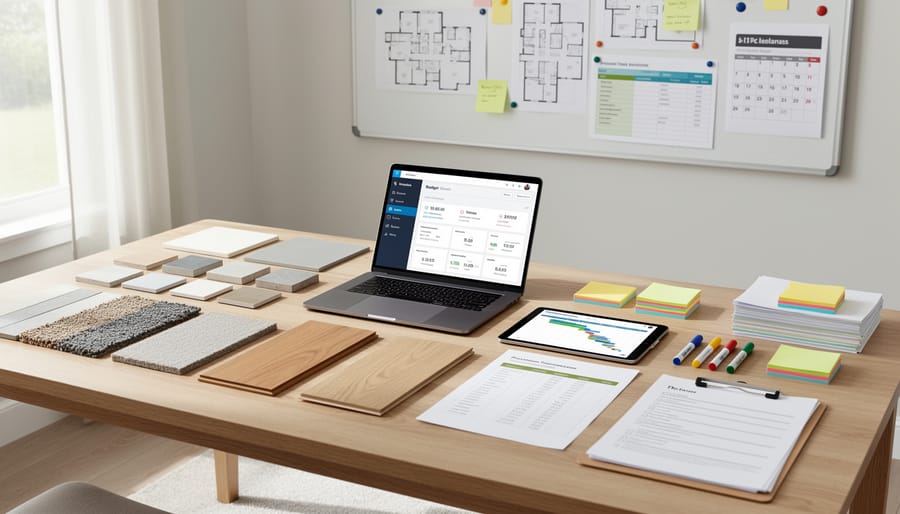
Start by breaking your project into clear phases—demolition, installation, finishing—and estimate costs for each. Use a budget template to track materials, labor, and permits separately. Research current prices by getting three quotes for major items and checking online suppliers for realistic market rates.
Always add a contingency fund of 15-20% to your total budget. Unexpected issues like hidden water damage or discontinued materials pop up in almost every project, and this cushion prevents panic spending.
For timelines, be generous with delivery estimates. That custom tile might promise four weeks, but plan for six. Use a project plan template to map dependencies—you can’t install cabinets until plumbing is complete. Factor in contractor availability during busy seasons and add buffer time between phases.
Technology can help here. Set up price alerts on materials you’re watching, or use project management apps to track delivery dates and automatically adjust your schedule when delays happen. Being realistic from the start saves frustration later.
Vendor Selection and Management
Finding the right vendors can make or break your project, so take time to research thoroughly. Start by gathering at least three quotes for each major service or product category. This gives you a realistic price range and helps identify outliers who may be over or undercharging.
When vetting contractors and suppliers, check online reviews on multiple platforms, not just their website testimonials. Ask for recent references and actually call them to discuss their experience. Questions about timeline adherence, communication style, and problem-solving abilities reveal a lot about how vendors operate.
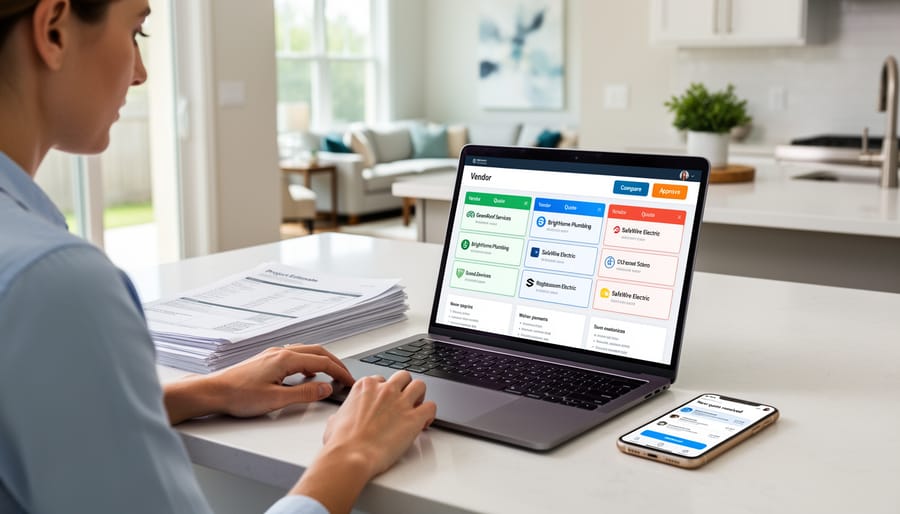
Create a simple comparison spreadsheet to track quotes side-by-side. Include columns for price, timeline, warranty terms, and payment schedules. This makes decision-making less overwhelming and helps you spot the best value, not just the lowest price.
Building strong vendor relationships pays dividends throughout your project. Communicate clearly about expectations from the start, respond promptly to questions, and pay invoices on time. Consider using project management apps to keep everyone on the same page with schedules and deliverables.
Don’t hesitate to negotiate, especially for larger orders. Many suppliers offer discounts for bulk purchases or flexible payment terms for established customers. A respectful, professional approach to negotiation often yields better results than aggressive tactics.
Coordinating Deliveries and Installation
Once you’ve locked in your vendors, the next challenge is making sure everything arrives when you need it—without turning your home into a warehouse or causing installation chaos.
Start by creating a delivery timeline that works backward from your project completion date. If you’re renovating a kitchen, for example, schedule your cabinets to arrive before countertops, since measurements often depend on cabinet placement. Build in buffer time for unexpected delays, typically adding 10-15% to vendor-quoted delivery windows.
Communication between vendors is crucial. Share your master timeline with everyone involved and clearly mark when different trades need access to your space. Your flooring installer shouldn’t show up the same day as your appliance delivery team—trust us, it gets messy.
Consider using project management apps like Trello or Asana to track delivery dates and send automatic reminders. Set up a shared calendar that all vendors can view, reducing the “I didn’t know they’d be there” conflicts.
If materials arrive early, have a plan for temporary storage. Designate a dry, secure area in your garage or a spare room. For larger projects, renting a storage unit for a month might cost less than dealing with damaged materials left outside or cluttering your workspace.
Always confirm delivery dates 48 hours in advance, and make sure someone’s available to receive and inspect shipments.

Your Simple Procurement Planning Checklist
Ready to put procurement planning into action? Here’s your practical checklist to keep your next home project on track and on budget.
Phase 1: Planning Stage
Start by listing everything you need for your project. Measure your spaces carefully and calculate quantities with a 10% buffer for mistakes or damage. Set your total budget, including a 15-20% contingency fund for surprises. Research average costs online to reality-check your numbers. Create a simple spreadsheet or use a notes app on your phone to track everything in one place.
Phase 2: Vendor Selection
Get quotes from at least three suppliers for major purchases. Read recent customer reviews, not just star ratings. Check delivery timelines and return policies before committing. Ask about bulk discounts if you’re ordering multiple items. Verify warranty coverage and what it actually includes. Don’t automatically choose the cheapest option—factor in reputation and service quality.
Phase 3: Ordering
Double-check measurements and quantities before hitting purchase. Save all confirmation emails and order numbers in a dedicated folder. Take screenshots of product specifications and colors for reference. Confirm payment terms and any deposit requirements. Ask for estimated delivery dates in writing.
Phase 4: Delivery Coordination
Clear the delivery area and measure doorways beforehand. Arrange help for heavy items before delivery day. Inspect everything immediately upon arrival while the driver is still there. Photograph any damage right away for claims. Keep all packaging materials until you’ve confirmed everything is correct.
Phase 5: Final Installation
Organize materials by installation order. Watch tutorial videos the night before starting work. Keep your vendor contact information handy for questions. Document your progress with photos for insurance and future reference. Save leftover materials and receipts for touch-ups or returns.
Print this checklist and keep it with your project materials—you’ll thank yourself later when everything runs smoothly.
Common Procurement Mistakes DIYers Make (And How to Avoid Them)
Even experienced DIYers can stumble when it comes to procurement planning. The good news? Most mistakes are completely avoidable once you know what to watch for.
One of the biggest slip-ups is ordering materials before your design is finalized. You might spot a great sale on tile, but if you’re still tweaking your bathroom layout, you could end up with the wrong quantity or an incompatible style. Always lock down your complete design first, including exact dimensions and color schemes, before clicking that purchase button.
Lead times are another major pitfall. That custom vanity you ordered might look perfect online, but if it takes eight weeks to arrive and your contractor is ready to start in two, you’ve got a problem. When comparing vendors, ask specifically about delivery timelines and build buffer time into your schedule. A good rule of thumb is to add an extra week to any quoted lead time.
Measurement errors can derail your entire project. Double-check, then triple-check your measurements before ordering. For materials like flooring or countertops, consider ordering 10-15 percent extra to account for cuts and waste. Taking photos with a measuring tape visible can help vendors provide more accurate quotes too.
Finally, communication breakdowns between multiple vendors are surprisingly common. If you’re working with separate companies for cabinets, countertops, and plumbing fixtures, make sure everyone knows the installation sequence and timeline. Create a simple spreadsheet tracking each vendor’s delivery date, what they’re providing, and any dependencies. Share this with everyone involved so your electrician doesn’t show up before your light fixtures arrive. A little coordination upfront saves massive headaches later.
When to Bring in Professional Help
Not every home project requires professional expertise, but certain situations definitely call for it. If your renovation budget exceeds $25,000, involves structural changes, or requires coordinating multiple vendors across several weeks or months, it’s time to consider bringing in help.
Complex kitchen or bathroom remodels, whole-home renovations, or commercial property updates typically benefit from a professional design consultation. These projects involve detailed coordination between contractors, suppliers, electricians, plumbers, and specialty vendors. A missed delivery or scheduling conflict can cascade into costly delays.
Interior designers and project managers bring formal Procurement and Vendor Management Planning Services to the table. They maintain established relationships with reliable vendors, often securing better pricing than homeowners can access independently. More importantly, they create detailed timelines, manage purchase orders, track deliveries, and handle the inevitable hiccups that arise during construction.
For homeowners, this expertise translates into fewer headaches and better results. Professionals know which vendors deliver on time, which materials work best together, and how to structure payment schedules to protect your investment. They also have the bandwidth to chase down delayed shipments and resolve quality issues while you continue your daily life.
Think of it this way: if managing your project feels overwhelming or you find yourself spending hours researching vendors instead of enjoying the process, professional help isn’t an extravagance. It’s a smart investment that often pays for itself through avoided mistakes and negotiated savings.
Procurement planning is your secret weapon for turning renovation chaos into a smooth, budget-friendly journey. By taking the time to identify what you need, research your options, and create a strategic purchasing timeline, you’re setting yourself up for success before you even pick up a hammer. Whether you’re tackling a minor bathroom refresh or a complete kitchen overhaul, these procurement strategies work for projects of any size.
The beauty of procurement planning is that it puts you in the driver’s seat. You’ll catch potential issues before they derail your timeline, negotiate better deals with vendors, and avoid those panic purchases that always cost more than planned. Even if you’re just starting your DIY journey, implementing these simple planning steps will save you time, money, and countless headaches.
Ready to transform your next home improvement project? Start with a clear list of materials, research your suppliers, and create your purchasing schedule today. Your future self will thank you when you’re enjoying your beautifully renovated space, knowing you stayed on budget and on schedule. Take control of your renovation success—it all begins with smart procurement planning.