Why Your Home is Losing Money Through the Walls (And What Modern Insulation Can Do About It)
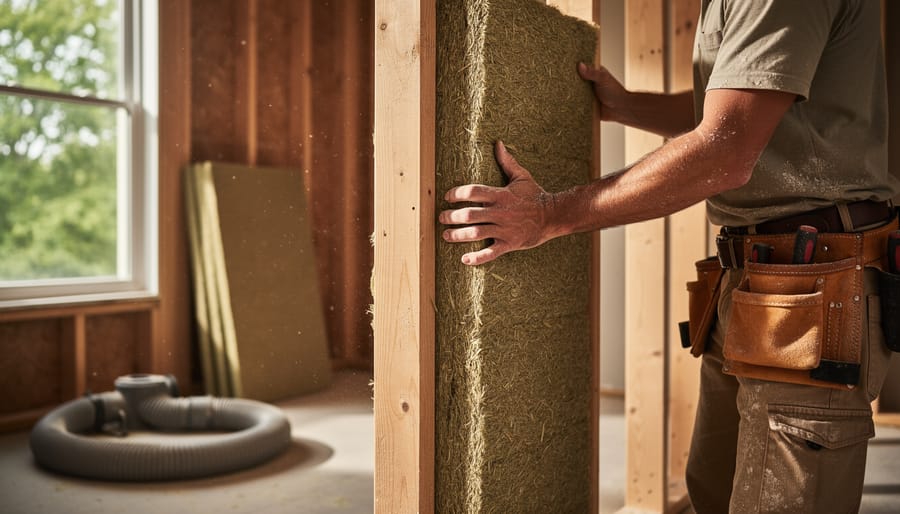
Choose insulation materials made from recycled content, rapidly renewable resources, or natural fibers to cut your home’s carbon footprint while slashing energy bills by up to 30%. Cellulose insulation manufactured from recycled newspapers, sheep’s wool batts, and cork panels deliver exceptional thermal performance without the environmental toll of petroleum-based products.
Install higher R-value sustainable insulation in attics and exterior walls where heat loss occurs most dramatically. Dense-pack cellulose provides R-3.5 per inch, while hemp fiber batts reach R-3.7 per inch, matching or exceeding fiberglass performance. These materials also regulate moisture naturally, preventing mold growth that plagues conventional options.
Prioritize insulation products with third-party certifications like GreenGuard Gold or Cradle to Cradle, which verify low VOC emissions and sustainable sourcing. This protects your indoor air quality while supporting manufacturers committed to genuine environmental standards rather than greenwashing claims.
Consider the full lifecycle cost beyond initial purchase price. Sustainable insulation often costs 10-20% more upfront but delivers superior longevity, requires no toxic handling precautions during DIY installation, and maintains R-value performance for decades without settling or degrading. Many options also provide soundproofing benefits that synthetic alternatives cannot match.
The shift to sustainable insulation represents one of the most impactful home improvements you can make, combining immediate comfort gains with long-term energy savings and measurable environmental benefits. Modern eco-friendly materials have evolved far beyond niche products, now offering performance that rivals or surpasses conventional insulation while supporting healthier indoor environments.
The Real Cost of Outdated Insulation
If your home was built before 1980, there’s a good chance your insulation is quietly draining your wallet every single month. Traditional insulation materials like fiberglass batts and cellulose degrade over time, settling, compressing, and losing their effectiveness. Moisture infiltration, pest damage, and simple aging can reduce insulation performance by up to 50% within just a few decades.
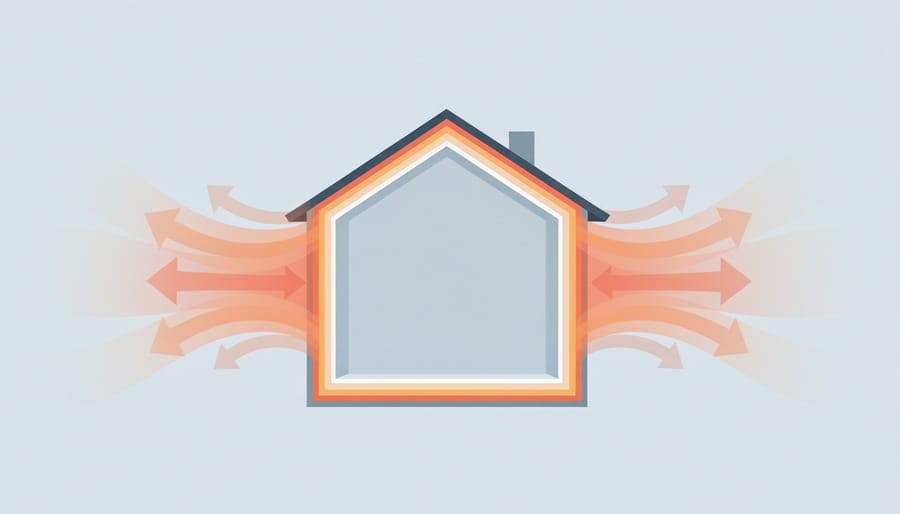
Here’s what that really means for your budget: The average American home loses 25-30% of its heating and cooling energy through walls, attics, and crawl spaces with inadequate insulation. That translates to roughly $200-$400 annually in wasted energy costs for a typical household. In older homes with severely compromised insulation, these losses can easily double.
You’ll notice the signs beyond your utility bill too. Cold spots in winter, rooms that never quite cool down in summer, persistent drafts, and an HVAC system that runs constantly are all red flags. Your heating and cooling equipment works overtime trying to compensate for poor insulation, leading to premature system failure and costly repairs.
The environmental impact extends beyond your personal finances. Homes with outdated insulation contribute significantly to unnecessary carbon emissions. Every kilowatt-hour of wasted electricity represents fossil fuels burned at power plants, making inefficient homes a considerable environmental concern.
The good news? Modern sustainable insulation materials can boost energy efficiency dramatically while addressing these problems. Upgrading isn’t just about comfort—it’s an investment that typically pays for itself within 5-7 years through reduced energy bills, while simultaneously reducing your carbon footprint and increasing your home’s resale value.
What Makes Insulation ‘Sustainable’?
When you’re evaluating insulation options, sustainable doesn’t just mean the material came from nature. True sustainability is about the complete picture, from production to performance to what happens at the end of its life.
First, let’s talk about longevity. The most sustainable insulation is the kind you install once and never need to replace. A material that lasts 50 years without losing effectiveness is far better for the environment than one requiring replacement every decade, even if the latter is made from recycled content.
Performance matters just as much. Insulation that performs poorly means your heating and cooling system works overtime, burning energy and increasing your carbon footprint for years to come. Look for materials with high R-values that maintain their effectiveness in real-world conditions, not just lab tests.
Manufacturing impact is another crucial factor. How much energy does it take to produce? What chemicals are involved? Some natural materials require surprisingly high energy inputs during processing, while certain synthetic options have become remarkably efficient to manufacture.
Recyclability and disposal round out the sustainability equation. Can the material be recycled at the end of its life? Will it decompose safely, or will it sit in a landfill for centuries? Some insulation materials can even be repurposed into new products.
The best sustainable insulation balances all these factors. It’s manufactured responsibly, performs exceptionally well, lasts for decades, and won’t become tomorrow’s environmental problem.
Advanced Insulation Materials Transforming Modern Homes
Aerogel Insulation: Space-Age Technology for Your Walls
If you’re looking for insulation that feels like something from a sci-fi movie, aerogel is it. Originally developed by NASA for space missions, this translucent material is 99% air, making it incredibly lightweight yet remarkably effective. Aerogel boasts an impressive R-value of around R-10 per inch, which is roughly two to three times better than traditional fiberglass or foam insulation.
This space-age material shines in situations where you need maximum insulation in minimal space. Think thin walls, tight retrofits, or historic homes where you can’t afford to lose interior square footage. Aerogel blankets are flexible and can wrap around irregular surfaces, making them surprisingly versatile for tricky applications.
The downside? Cost. Aerogel is one of the pricier insulation options available, often running several times more than conventional materials. However, if space is at a premium or you’re tackling a challenging retrofit, the investment can pay off through superior thermal performance.
DIY-friendliness rating: Moderate. Aerogel blankets are relatively easy to cut and handle compared to fiberglass, and they’re non-toxic. However, the high cost means mistakes are expensive, and achieving proper installation without gaps requires attention to detail. For smaller projects or retrofits, confident DIYers can tackle aerogel successfully with proper research and careful measuring.
Recycled Denim and Cotton: Turning Old Jeans into Warmth
Got a pile of old jeans gathering dust in your closet? They might just become your home’s next layer of insulation. Recycled denim and cotton insulation transforms discarded textiles into effective thermal barriers, keeping thousands of pounds of fabric out of landfills each year.
This recycled insulation materials option performs impressively with R-values between 3.4 and 3.7 per inch, comparable to traditional fiberglass. But here’s the real bonus for DIYers: no itchy fibers, no protective gear needed, and straightforward installation. You can cut it with regular scissors and handle it safely with bare hands.
Installation works just like batting insulation. Measure your wall cavities, cut pieces to fit snugly, and press them into place. The material’s natural density helps it stay put without special fasteners in many applications.
Beyond performance, you’re making a tangible environmental impact. Textile waste accounts for millions of tons in landfills annually, and choosing recycled denim diverts these materials while requiring significantly less energy to produce than virgin insulation products. It’s also naturally resistant to mold, mildew, and pests without chemical treatments.
Sheep’s Wool: Nature’s Climate Control System
Sheep’s wool stands out among natural insulation options for its remarkable ability to regulate both temperature and moisture. This renewable material naturally absorbs up to 30% of its weight in moisture vapor without feeling damp or losing insulating power, making it perfect for bathrooms, kitchens, and humid climates where condensation can be a problem.
The crimped fibers create millions of tiny air pockets that trap heat in winter and keep homes cool in summer. Unlike synthetic materials, wool actively breathes, allowing water vapor to pass through while maintaining consistent indoor comfort levels. This prevents mold growth and improves air quality naturally.
Wool insulation works exceptionally well in attic spaces, wall cavities, and floor joists. It’s also naturally fire-resistant and pest-deterrent without chemical treatments. When sourcing, look for certified organic wool from ethical farms that avoid harsh chemical processing.
DIY installation is straightforward since wool batts are non-itchy and safe to handle without protective gear. Simply cut to size with scissors and friction-fit between studs. While slightly pricier than conventional options, wool’s durability and moisture management capabilities make it a smart long-term investment for sustainable homes.
Mycelium and Bio-Based Foams: Growing Your Insulation
Imagine insulation that literally grows in a matter of days—that’s the promise of mycelium-based materials. Mycelium, the root structure of mushrooms, can be combined with agricultural waste like corn stalks or hemp fibers to create surprisingly effective insulation boards. The process is simple: mycelium naturally binds the waste material together as it grows, forming a lightweight, fire-resistant panel that you can cut to size just like traditional foam boards.
These bio-grown materials offer impressive sustainability credentials. They’re carbon-negative, biodegradable, and require minimal energy to produce compared to petroleum-based foams. Currently, availability is limited but growing, with several companies now offering mycelium panels for residential use. They work well for interior applications and non-load-bearing walls.
While mycelium insulation costs more upfront than conventional options, prices are dropping as production scales up. Performance-wise, it provides decent thermal protection with R-values around R-3 per inch—not the highest, but comparable to other plant-based insulation options. For eco-conscious homeowners willing to embrace cutting-edge materials, mycelium represents an exciting glimpse into the future of sustainable building.
Vacuum Insulated Panels: Maximum Performance in Minimal Space
Vacuum Insulated Panels (VIPs) deliver exceptional thermal performance in surprisingly thin profiles—often just half an inch thick while matching the insulating power of materials five times thicker. They work by creating a vacuum between layers, eliminating heat transfer through air movement. This makes them perfect for urban renovations, historic buildings with limited wall cavity space, or anywhere you need maximum insulation without sacrificing precious square footage.
The technology shines brightest in tight quarters. Think city apartments where every inch counts, loft conversions with shallow roof spaces, or commercial properties maximizing rentable area. VIPs can transform challenging projects that traditional insulation simply can’t accommodate.
However, there’s a trade-off. VIPs are significantly pricier than conventional options—expect to pay 5-10 times more per square foot. Their lifespan also raises questions since punctures compromise the vacuum seal, potentially reducing effectiveness over time. Most manufacturers project 30-50 years of performance, but real-world data is still emerging.
The cost-benefit calculation works best when space constraints make alternatives impossible or when the gained interior space translates to substantial value. For most homeowners tackling standard projects, conventional sustainable materials offer better bang for your buck. But when space is your limiting factor, VIPs deliver unmatched performance.
Cork and Cellulose: Proven Performers Getting Better
Sometimes the tried-and-true materials are sustainable stars for good reason. Cork and cellulose insulation have been around for decades, but today’s versions offer impressive improvements that keep them competitive with flashier newcomers.
Cork insulation, harvested from tree bark without harming the tree, naturally resists moisture, mold, and fire. Modern cork boards now feature enhanced density options and better edge detailing for easier installation. They’re particularly smart for spaces where you need soundproofing alongside insulation, like home offices or media rooms. The material’s natural resilience means it won’t settle over time, maintaining R-value for the long haul.
Cellulose insulation, made primarily from recycled newspaper treated with fire retardants, remains one of the most cost-effective sustainable choices. Newer processing techniques have reduced dust during installation and improved consistency. It’s excellent for retrofitting existing walls through blown-in application, making it a DIY-friendly option if you rent the equipment.
Choose cork when moisture resistance matters most, such as basements or bathroom walls. Opt for cellulose when you’re working with a tight budget or tackling hard-to-reach cavities. Both deliver solid thermal performance while keeping your project genuinely green.
Choosing the Right Sustainable Insulation for Your Project
Selecting the right sustainable insulation starts with understanding your specific situation. Think of it as matching the material to the job, rather than choosing the “best” option overall.
Your climate zone makes a huge difference. If you live in a region with harsh winters, you’ll want insulation with higher R-values to keep heat inside. Warmer climates benefit more from materials that resist heat transfer and manage moisture well. Check your local building codes first—they’ll specify minimum R-value requirements for your area.
Budget realities matter, and there’s good news here. While some eco-friendly options cost more upfront, many qualify for home energy credits and rebates that significantly offset expenses. Factor in long-term energy savings too—premium insulation often pays for itself within a few years through lower utility bills.
The DIY versus professional installation question depends on the material and location. Cellulose and cotton batts work great for DIY attic projects since they’re forgiving and easy to handle. Spray foam, however, requires specialized equipment and expertise—definitely a job for professionals. Dense-pack cellulose for walls also needs professional installation to achieve proper density.
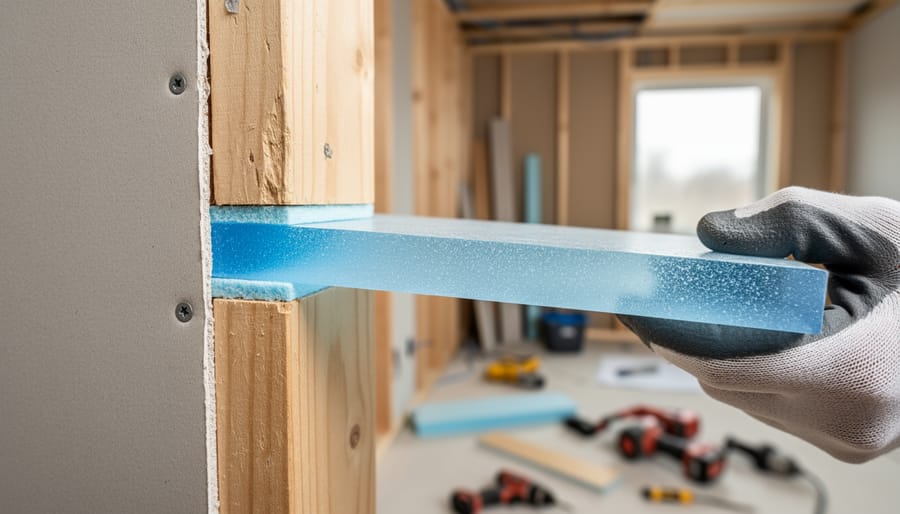
Matching materials to specific areas optimizes performance. Attics typically get loose-fill cellulose or batts because they’re easy to install between joists. Wall cavities work well with dense-pack cellulose or spray foam that fills gaps completely. Basements and crawl spaces benefit from rigid foam boards or spray foam that resists moisture and doesn’t support mold growth.
Consider moisture management in your decision. Basements need vapor barriers and moisture-resistant materials. Attics require proper ventilation to prevent condensation. Humid climates demand materials that won’t trap moisture and deteriorate over time.
Start by assessing one area at a time rather than tackling your entire home. This approach lets you test materials, learn what works, and spread costs over time while still making meaningful improvements to comfort and efficiency.
Installation Tips for DIY Enthusiasts
Ready to tackle your sustainable insulation project? Let’s talk about doing it safely and effectively.
First things first: safety gear is non-negotiable. You’ll need a quality dust mask or respirator, safety goggles, gloves, and long sleeves to protect your skin. Even eco-friendly materials can irritate during installation. Work in a well-ventilated area and take breaks to avoid overexertion.
Your basic toolkit should include a utility knife, measuring tape, straight edge, staple gun, and appropriate safety equipment. For batts and rolls, you’ll also want a sturdy work surface for cutting. Make sure you have proper lighting in attics or crawl spaces.
Here’s a crucial step many DIYers overlook: addressing moisture barriers. Installing insulation without proper vapor barriers can trap moisture, leading to mold growth and reduced effectiveness. Check your local building codes, as requirements vary by climate zone. In most cases, the vapor barrier faces the warm side of the wall.
Common mistakes to avoid include compressing insulation (which reduces its R-value), leaving gaps around outlets and fixtures, and ignoring air sealing before insulating. Those gaps can undermine your entire effort.
Know your limits. While batting installation is generally DIY-friendly, spray foam and blown-in options typically require professional equipment and expertise. If you’re dealing with asbestos removal, electrical work, or major structural modifications, calling a licensed professional isn’t just smart—it’s essential for your safety and home’s integrity.
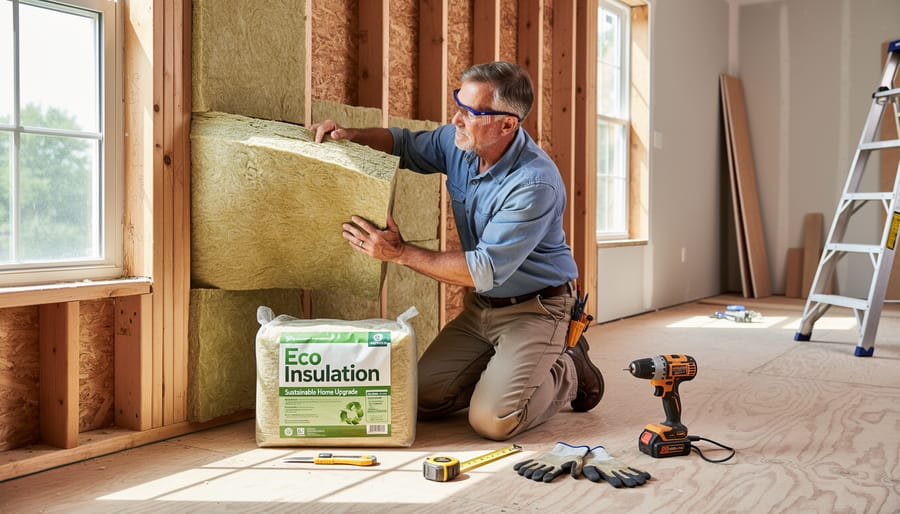
Upgrading to sustainable insulation is one of the smartest investments you can make for your home. Not only will you slash your energy bills—often by 15-30% or more—but you’ll also reduce your carbon footprint and create a healthier, more comfortable living space. The environmental benefits extend beyond your walls too, as many eco-friendly insulation materials help divert waste from landfills and support sustainable manufacturing practices.
Now’s the perfect time to assess your current insulation situation. Start by checking your attic, basement, and exterior walls for gaps or outdated materials. If you’re noticing drafts, uneven temperatures, or climbing energy costs, these are clear signs that an upgrade could pay off quickly.
Your next steps are straightforward: research which sustainable insulation material best fits your climate, budget, and DIY skill level. Many options like rigid foam boards or blown-in cellulose are surprisingly manageable for confident DIYers, while others might warrant professional installation to maximize performance.
The good news? Sustainable building practices are more accessible than ever before. With growing availability, competitive pricing, and proven long-term savings, making the switch to eco-friendly insulation isn’t just possible—it’s practical, profitable, and better for the planet we all share.