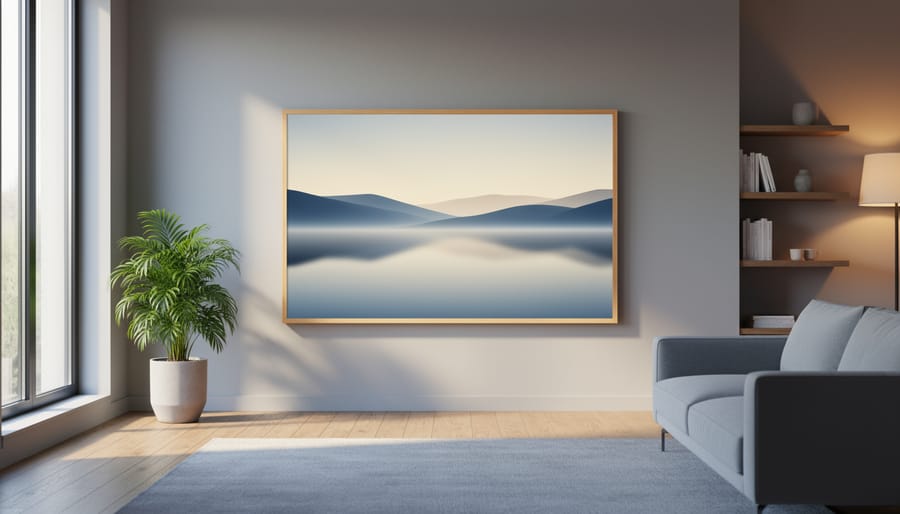
Transform Any Wall Into a Living Canvas With Digital Displays
Transform bare walls into dynamic focal points by mounting high-resolution digital displays that showcase rotating artwork, family photos, or ambient scenes. Unlike traditional TVs with their obvious black screens when off, modern digital wall displays integrate seamlessly into your decor, mimicking canvas paintings or framed photographs while powered down.
Think of digital wall displays as the evolution of smart home technology meeting interior design. These aren’t simply televisions hung on walls—they’re purpose-built devices designed to blend into your living spaces. Many feature anti-glare matte screens, customizable frames that match your existing decor, and automatic brightness adjustment that responds to natural lighting conditions throughout the day.
The appeal is practical and aesthetic. Display a crackling fireplace in your bedroom during winter months, showcase a curated gallery of classical art in your dining room, or create an ever-changing photo wall in your hallway without the commitment of permanent prints. Installation difficulty ranges from simple plug-and-play models that mount like regular picture frames to more sophisticated systems requiring professional setup.
Cost considerations vary widely. Entry-level digital frames start around $200 for smaller displays, while premium art-focused screens can exceed $2,000. However, the investment pays dividends in versatility—one display replaces countless physical frames and allows instant room refreshes without repainting or redecorating. The technology has matured enough that homeowners, designers, and commercial property owners now view digital displays as legitimate decor elements rather than tech novelties.
What Are Digital Wall Displays?
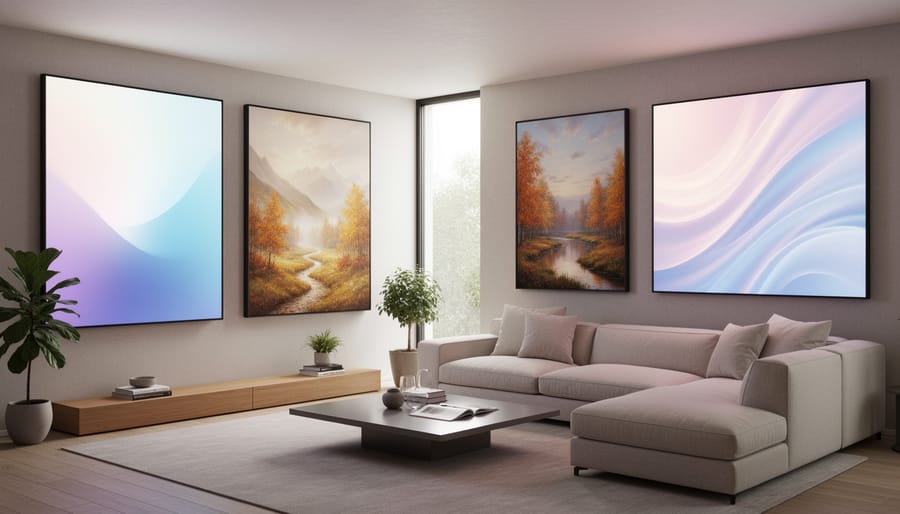
Types of Digital Display Surfaces
Digital wall displays come in several exciting varieties, each with unique characteristics that make them suitable for different spaces and purposes. Let’s explore your options so you can find the perfect fit for your home or business.
Ultra-thin LED panels are the most popular choice for residential installations. These sleek displays mount flush against your wall, creating that seamless, frameless look everyone loves. Think of them as supersized smartphone screens with stunning brightness and color accuracy. They work beautifully in living rooms for artwork rotation or in kitchens for recipe displays and family calendars. Many homeowners appreciate that modern LED panels are only a few millimeters thick, making installation surprisingly straightforward with the right mounting hardware.
E-ink surfaces offer a completely different experience. Similar to your Kindle reader, these displays create images without backlighting, giving them a paper-like appearance that’s easy on the eyes. They’re fantastic for hallways or home offices where you want changing artwork or information displays without the glow of traditional screens. The bonus? E-ink uses minimal power and only draws electricity when the image changes.
Projection mapping systems transform entire walls into dynamic displays without mounting anything permanently. A specialized projector beams images onto your wall, adapting to its texture and shape. This option appeals to renters and DIY enthusiasts who want flexibility without commitment. You can project everything from moving artwork to immersive nature scenes.
Flexible OLED screens represent the cutting edge of display technology. These bendable surfaces can wrap around curved walls or architectural features, opening up creative possibilities that flat panels simply can’t achieve. While pricier, they’re gaining traction in high-end residential and commercial projects where making a statement matters.
How They Work (The Simple Version)
Think of digital wall displays as super-slim screens that blend into your home like artwork. At their core, they’re high-resolution displays similar to your TV, but designed specifically to showcase images, artwork, or ambient visuals rather than traditional programming.
The magic happens through a combination of three key components working together. First, there’s the display panel itself—typically an LED or LCD screen that’s been engineered to be incredibly thin and energy-efficient. Second, you have the media player or built-in software that stores and cycles through your chosen images. Third, there’s the frame or mounting system that makes everything look like a seamless part of your wall.
Most systems connect to your home Wi-Fi, allowing you to control what appears on screen through a smartphone app. You can upload your own photos, download artwork from curated galleries, or even display live information like weather or news feeds.
The displays run on standard electrical outlets, though some can be hardwired during installation for a cleaner look. Power consumption is surprisingly low—many use less electricity than a standard light bulb when displaying static images. The technology automatically adjusts brightness based on room lighting, creating a natural appearance that doesn’t feel like you’re staring at a screen.
Why Choose Digital Displays Over Traditional Wall Decor
The Flexibility Factor
Think of digital wall displays as the ultimate chameleon for your home decor. Unlike traditional artwork or painted accent walls, these displays give you the freedom to refresh your space whenever the mood strikes—no paintbrushes, picture hangers, or buyer’s remorse required.
Want to embrace fall vibes? Swap your summer beach scene for cozy autumn landscapes with a few taps on your phone. Hosting a holiday party? Transform your living room with festive imagery that you can easily change back afterward. Feeling stressed? Switch to calming nature scenes or abstract art that promotes relaxation.
This instant customization is particularly valuable for homeowners who love variety but don’t want the commitment or expense of constantly redecorating. You can match your display to your mood, the season, or even specific occasions like birthdays and anniversaries. Some users rotate through favorite family photos during the week, then switch to elegant artwork when entertaining guests.
The beauty lies in experimentation without consequences. Don’t like that beach sunset after living with it for a day? Change it immediately. This flexibility means you’re never stuck with decor choices that no longer serve you, making digital displays a practical solution for both indecisive decorators and those who simply enjoy keeping their spaces fresh and dynamic.
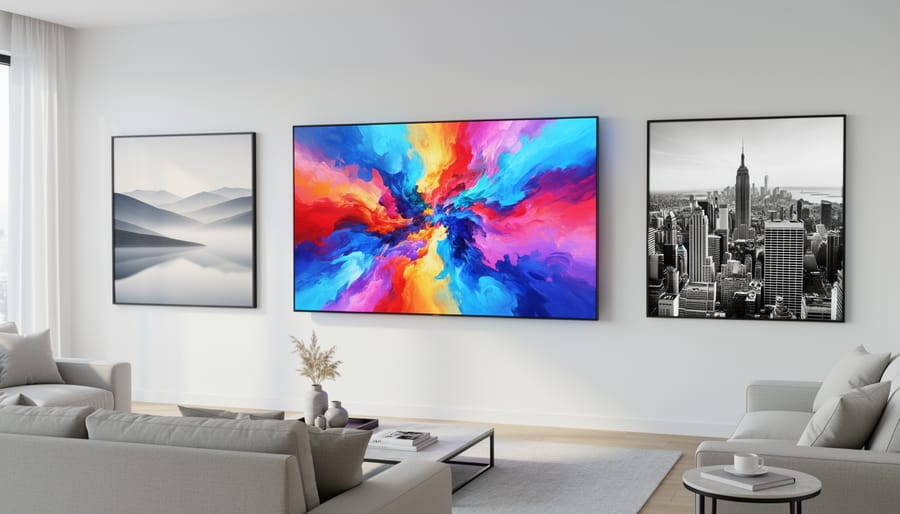
Space and Cost Considerations
Let’s be honest: digital wall displays require a bigger upfront investment than traditional art. A quality display typically ranges from $500 to $2,000, while a nice framed print might cost $50 to $300. However, the math changes when you consider versatility and long-term value.
For smaller homes and apartments, digital displays offer significant space-saving advantages. Instead of storing seasonal decorations or rotating multiple art pieces, you have thousands of display options in one slim frame. This is particularly valuable if you’re short on storage space or enjoy frequently updating your decor.
Digital displays make the most financial sense if you regularly purchase new art, enjoy seasonal decorating, or want flexibility to match changing design trends. A single display can replace dozens of traditional pieces over its 5-10 year lifespan. They’re also ideal for rental properties or staged homes where fresh, modern aesthetics matter.
However, if you’re deeply attached to specific physical artwork or rarely change your decor, traditional pieces might serve you better. Consider digital displays an investment in flexibility rather than a direct replacement for cherished art. For budget-conscious buyers, starting with one display in your most-used room lets you test the technology before committing to multiple units throughout your home.
Best Rooms and Spaces for Digital Wall Displays
Living Rooms and Entertainment Spaces
Living rooms are perfect for digital wall displays that seamlessly blend technology with design. Transform a blank wall into a rotating art gallery by installing a large-format display that showcases famous masterpieces, nature scenes, or your personal photography collection. When not displaying art, these screens can serve as your primary entertainment hub for streaming movies and shows.
Consider installing a digital display above your fireplace mantel or on a feature wall to create an eye-catching focal point. Many homeowners pair these displays with ambient lighting solutions to enhance the viewing experience and create mood-appropriate atmospheres for different occasions.
For entertainment spaces, choose displays with built-in speakers or plan for discrete sound system integration. Smart displays can connect to voice assistants, allowing you to control content with simple commands. Mount your display at eye level when seated, typically 42-55 inches from the floor.
Installation tip: Use a full-motion wall mount for flexibility in viewing angles, and ensure you have accessible power outlets and cable management solutions nearby. Most modern digital displays come with intuitive setup wizards that make configuration straightforward, even for DIY beginners.
Bedrooms and Relaxation Areas
Your bedroom should be your ultimate sanctuary, and digital displays can help create the perfect calming atmosphere. Transform a wall into a peaceful retreat with soothing nature scenes and biophilic design elements like gentle waterfalls, forest landscapes, or ocean views. These visuals can significantly reduce stress and promote relaxation after a long day.
Consider programming your display with sunrise simulation features that gradually brighten your room in the morning, making waking up more natural and pleasant. For evening use, switch to warm-toned imagery or abstract patterns that won’t disrupt your sleep cycle. Many displays now offer blue light filtering and automatic dimming based on time of day.
A simple DIY tip: mount your display on a wall opposite your bed where you can comfortably view it while relaxing, but ensure it’s easily accessible for adjusting brightness levels. Choose content that genuinely relaxes you, whether that’s serene landscapes, gentle abstract animations, or even a digital fireplace.
Home Offices and Creative Spaces
Digital wall displays transform home offices and creative spaces into dynamic, adaptable environments that boost productivity and inspiration. Instead of static artwork or bulletin boards, these displays can rotate through motivational quotes, project timelines, or mood boards that update throughout your workday. For video conferences, they create impressive professional backgrounds that can shift based on your meeting type—displaying your company logo for client calls or calming nature scenes for team check-ins.
Creative professionals particularly benefit from using these displays as digital portfolios, showcasing their latest work to clients who visit their home studios. You can also set up focus-enhancing visuals like ambient patterns or productivity timers that help maintain concentration during deep work sessions. The beauty lies in flexibility—one day your display might show a kanban board for project management, the next it’s displaying reference images for your creative work. Many remote workers appreciate how these displays help mentally separate work mode from relaxation time by switching content at the end of the workday, creating clear boundaries in shared living spaces.
Installation Made Simple: Your Step-by-Step Guide
Planning Your Installation
Before you start hanging your digital wall display, a bit of planning will save you headaches down the road. First, assess your wall structure. Drywall needs sturdy anchors or stud mounting, while brick or concrete requires masonry bits and anchors. Use a stud finder to locate the best mounting points that can support your display’s weight.
Next, check your electrical situation. You’ll need a nearby outlet or may want to hire an electrician to install one behind the display for a cleaner look. Measure the voltage and ensure your circuit can handle the additional load, especially if you’re installing multiple displays.
Take precise measurements of both your wall space and the display dimensions. Account for viewing distance—a good rule of thumb is sitting about 1.5 to 2.5 times the screen’s diagonal width away. Consider the viewing angle too; mounting at eye level when seated typically works best.
Choose a location away from direct sunlight, which can cause glare and make viewing difficult. Avoid spots near heat sources or high-moisture areas unless your display is specifically rated for those conditions. Finally, think about cable management early—plan your routes for power and any connectivity cables to keep things tidy and professional-looking.
Mounting and Connection
Installing your digital wall display is simpler than you might think, and most homeowners can tackle it as a weekend DIY project. Let’s walk through the process step-by-step.
First, locate the wall studs using a stud finder and mark their positions. Most displays come with a mounting bracket that should attach directly to studs for maximum support. Hold the bracket against the wall at your desired height (typically 42-48 inches from floor to center for optimal viewing) and mark your drilling points. Use a level to ensure everything is straight before drilling pilot holes and securing the bracket with lag bolts.
Next, plan your cable routing before hanging the display. If you want a clean, professional look, consider running cables through the wall using an in-wall cable management kit. These kits include two low-voltage mounting brackets that comply with building codes. Cut openings at the top and bottom of your wall cavity, then fish cables through using a wire snake or fish tape.
For power connections, safety comes first. If you’re not comfortable working with electrical outlets, hire a licensed electrician to install a recessed outlet behind your display. This keeps everything hidden and eliminates dangling cords. Alternatively, use a cord concealer channel that mounts to your wall surface.
Connect your network cable (or set up WiFi during initial configuration), plug in the power, and gently mount your display onto the bracket. Most modern displays click securely into place. Finally, connect any additional devices like media players or smart home hubs, tuck away excess cables, and power everything on.
Setup and Configuration
Getting your digital wall display up and running is surprisingly straightforward. Start by powering on your device and connecting to WiFi through the settings menu—most displays walk you through this during initial setup, just like your smartphone. Once online, you’ll need to download the manufacturer’s companion app on your phone or tablet, which becomes your control center for everything.
From the app, you can upload photos and videos directly from your camera roll, connect to cloud services like Google Photos or Dropbox, or browse built-in art libraries if your display includes them. Many systems let you create playlists that rotate content throughout the day, so you’re not staring at the same image constantly.
For commercial users or those wanting advanced features, explore scheduling options that change displays based on time of day—morning family photos transitioning to elegant artwork for evening guests, for example. Take time to adjust brightness settings for your room’s lighting conditions, and enable any motion sensors if you want the display to sleep when no one’s around. Most people have their display fully personalized within 30 minutes of unboxing.
Smart Features and Technology Integration
Connecting to Your Smart Home
Integrating smart technology with your digital wall display unlocks a whole new level of convenience and automation. Most modern displays work seamlessly with Google Home, Amazon Alexa, and Apple HomeKit, letting you control them with simple voice commands.
For Google Home users, linking your display through the Google Home app takes just minutes. Once connected, you can say “Hey Google, show the weather on my kitchen display” or set routines that automatically switch to your calendar view each morning.
Alexa integration offers similar benefits. Try creating routines like “Alexa, good night” that dims your display and switches to a calming ambient scene. You can also sync it with other smart devices, so your display shows who’s at the door when your Ring doorbell activates.
Apple HomeKit users can add displays to scenes and automations through the Home app. Set your living room display to show family photos when you arrive home, or have it display your security cameras when you leave.
The real magic happens when you combine platforms. Connect your display with smart thermostats, lights, and sensors to create a truly responsive home environment that adapts to your daily routines.
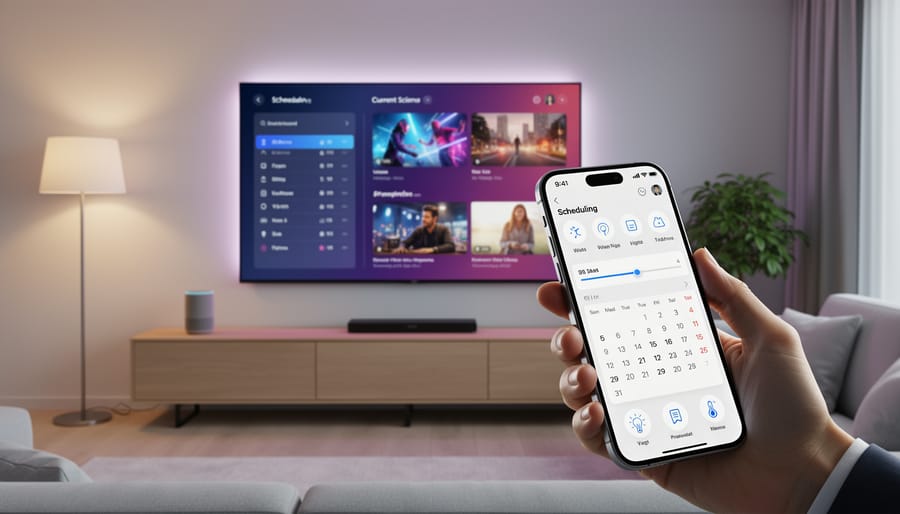
Content Sources and Management
Finding content for your digital wall display is easier than you might think. Most displays connect directly to popular streaming services like Netflix, Hulu, and YouTube, or dedicated art platforms such as Meural, Artcast, and Samsung Art Store. These subscription services offer rotating galleries of professional artwork, photography, and NFTs, typically ranging from $5 to $15 monthly.
For a personal touch, upload your own photos, family videos, or digital art through USB drives or cloud services like Google Photos and Dropbox. Many displays include companion apps that let you organize content into playlists and set display schedules right from your smartphone.
Create themed collections for different times of day or seasons—display energizing landscapes during morning hours, switch to calming abstract art in the evening, or rotate holiday photos during special occasions. Most systems let you set automatic transitions, so your wall display evolves throughout the day without manual intervention. This flexibility ensures your digital artwork always matches your mood and home atmosphere.
What to Look for When Shopping
Key Specifications That Matter
When you’re comparing digital wall displays, a few key specs make all the difference in real-world performance. Let’s break them down in simple terms.
Resolution determines how sharp your images look. You’ll see options like Full HD (1920×1080) or 4K (3840×2160). For most rooms, 4K gives you crisp, detailed visuals that look professional up close. Think of it this way: higher resolution means you can stand closer without seeing individual pixels.
Brightness, measured in nits, affects how well you see the display in different lighting. For rooms with lots of natural light, aim for at least 500 nits. Dimmer displays work fine in bedrooms or home theaters, but they’ll wash out near windows.
Viewing angles tell you how far off-center you can sit before colors shift or fade. Look for displays with 178-degree viewing angles, especially for living rooms where people gather in different spots. This ensures everyone gets the same great picture quality.
Refresh rate, shown in hertz (Hz), matters if you’re displaying videos or artwork with movement. A 60Hz refresh rate handles most content smoothly, while 120Hz provides even smoother motion for dynamic displays. For static art rotation, standard refresh rates work perfectly fine.
Budget Ranges and What You Get
Understanding what you’ll get at different price points helps set realistic expectations for your digital wall display project.
Entry-level options ($100-$300) typically include basic tablets or budget smart displays. These work perfectly for smaller spaces like kitchens or bathrooms where you want to display recipes, calendars, or family photos. The screen quality is decent but not spectacular, and you’ll have limited mounting options. These are great starter choices to test whether digital displays fit your lifestyle before committing to bigger investments.
Mid-range displays ($300-$800) offer significantly better picture quality, larger screen sizes, and more versatile mounting solutions. You’ll find features like automatic brightness adjustment, better color accuracy, and smoother performance. These are ideal for living rooms, entryways, or home offices where the display becomes a focal point. Most mid-range options include built-in apps and easier content management.
Premium displays ($800-$3,000+) deliver museum-quality artwork reproduction, anti-glare technology, and sophisticated sensors that adjust to lighting conditions throughout the day. These high-end options often include wooden frames that mimic traditional art pieces and come with curated art libraries. They’re designed to truly disappear into your décor while providing stunning visual experiences. For serious art enthusiasts or luxury home designs, premium displays justify their cost through superior aesthetics and performance.
Common Concerns Answered
Energy Use and Operating Costs
One of the biggest surprises about digital wall displays? They’re surprisingly energy-efficient. Most modern displays use LED technology, consuming between 30 to 150 watts depending on screen size and brightness settings. To put that in perspective, a 55-inch digital display typically uses about 60-80 watts when running continuously.
Let’s break down what this means for your electricity bill. If you run your display for 8 hours daily at 75 watts, that’s roughly 18 kilowatt-hours per month. At the national average electricity rate of $0.13 per kWh, you’re looking at about $2.34 monthly, or around $28 annually. That’s comparable to running a couple of standard light bulbs.
Compared to traditional lighting solutions that create ambiance, digital displays are competitive. A chandelier with six 60-watt bulbs uses 360 watts, making your digital display the more economical choice for creating atmosphere.
The key to minimizing costs is using smart features effectively. Enable auto-brightness adjustment so your display dims in darker rooms, set sleep schedules for when you’re away, and choose energy-saving modes. Many displays also include motion sensors that power down when no one’s around, cutting energy use by up to 40 percent during idle periods.
Longevity and Maintenance
Good news for your investment: quality digital wall displays typically last 5-10 years with proper care, comparable to premium televisions. The lifespan depends on usage patterns—displays running 8-12 hours daily will naturally age faster than those used occasionally.
Maintenance is refreshingly simple. Dust the screen weekly with a microfiber cloth to prevent buildup. For deeper cleaning, use screen-safe cleaning solutions or a slightly dampened cloth, never spraying directly onto the display. Avoid harsh chemicals that can damage protective coatings.
Keep your display’s software updated to ensure optimal performance and access to new features. Most systems alert you automatically when updates are available. Check cables and connections every few months to prevent signal issues.
Temperature matters more than you’d think. Avoid placing displays in direct sunlight or near heat sources, as excessive heat shortens component life. Ensure proper ventilation, leaving a few inches of space around the unit.
Professional calibration every few years helps maintain accurate colors and brightness levels, though most homeowners find factory settings sufficient. If you notice image retention or burn-in from static content, rotate your displayed artwork regularly to prevent permanent damage. With these straightforward practices, your digital display will continue looking spectacular for years to come.
Digital wall displays represent an exciting frontier in home design, transforming ordinary walls into dynamic canvases that can adapt to your mood, the season, or even the time of day. While they’re not a must-have for every home, they offer a unique blend of technology and artistry that’s becoming increasingly accessible to average homeowners.
If you’re intrigued but not quite ready to commit to a full installation, consider starting small. A single digital display in your living room or entryway can help you understand how this technology fits into your daily life without overwhelming your budget or your space. Many homeowners find that once they experience the versatility firsthand, they’re inspired to expand.
The good news is that prices continue to drop while quality improves, making digital wall displays more practical than ever. Installation methods are also becoming more DIY-friendly, with wireless options and simplified mounting systems that don’t require professional help.
Ultimately, digital wall displays aren’t about keeping up with trends—they’re about creating a living environment that truly reflects your personality and lifestyle. Whether you take the plunge now or keep watching from the sidelines, this technology is here to stay and will only get better.