Your Smart Home Could Be Wasting Energy (Here’s How to Fix It)
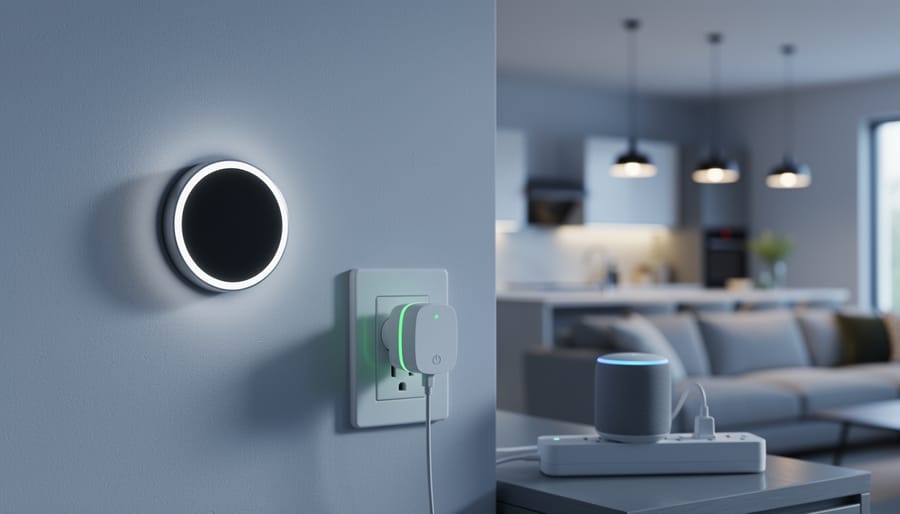
Compare energy monitoring capabilities across Amazon Alexa, Google Home, and Apple HomeKit before committing to any platform—only systems with real-time consumption tracking and automated shutoff features will actually reduce your utility bills. Amazon’s ecosystem offers the widest device compatibility at lower price points, but Google Home provides superior learning algorithms that optimize heating and cooling schedules based on your actual habits, potentially saving 15-20% on HVAC costs annually.
Test compatibility with energy-efficient devices you already own or plan to purchase. Apple HomeKit requires stricter security certifications that limit device selection but ensure better data privacy, while Amazon and Google support nearly any smart plug, thermostat, or lighting system on the market. Check whether your preferred platform integrates with Energy Star certified products and provides granular control over standby power consumption—devices that can’t be fully powered down remotely often waste more energy than they save.
Calculate total cost of ownership beyond initial hardware purchases. While a basic starter kit runs $150-300, the ongoing subscription fees for advanced features, cloud storage, and premium automation vary dramatically. Google Nest Aware charges $6-12 monthly per property, Amazon’s professional monitoring adds $10 monthly, and Apple charges nothing for basic automation but locks you into their premium-priced hardware ecosystem. Factor in these recurring costs alongside projected energy savings to determine your actual payback period.
Start with one room to test performance before whole-home deployment, focusing on high-consumption areas like HVAC zones or kitchens where smart management delivers measurable environmental and financial returns.
What Makes a Smart Home Ecosystem Truly Eco-Friendly?
Energy Monitoring and Management Features
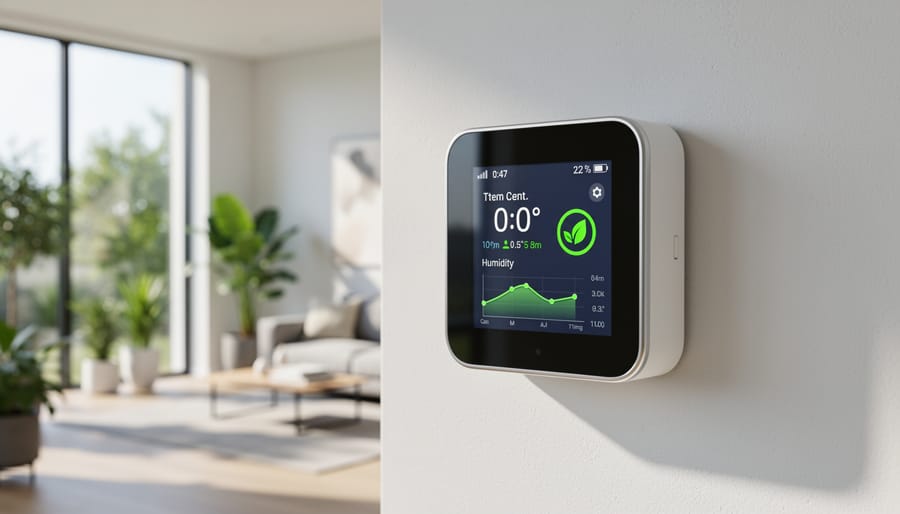
Modern smart home energy systems go beyond simple on-off controls, offering detailed insights into your household’s power usage. Look for platforms that provide real-time energy monitoring at both the whole-home and individual device levels. This granular data helps you identify energy hogs and adjust your habits accordingly.
Key features worth prioritizing include automated scheduling that adapts to your routine, like adjusting thermostat settings when you’re away or dimming lights during peak electricity rate hours. Geofencing capabilities take this further by detecting when you leave home and automatically powering down unnecessary devices.
The best ecosystems integrate with your utility provider’s data, showing cost breakdowns and comparing your usage to similar homes. Some platforms even suggest specific actions to reduce consumption, like replacing inefficient bulbs or adjusting appliance settings.
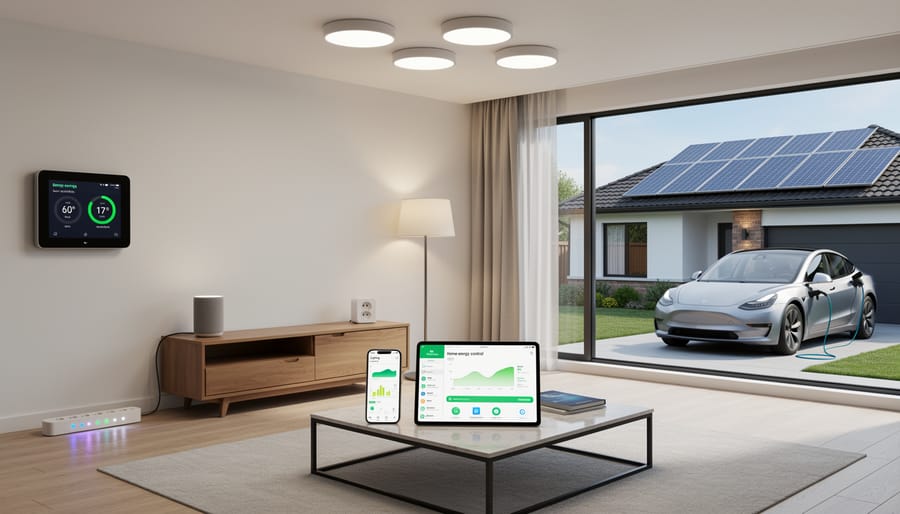
Pay attention to compatibility with energy-intensive devices like HVAC systems, water heaters, and major appliances. Systems that work with solar panels or home batteries offer additional value by optimizing when you draw from the grid versus stored power.
Device Longevity and Update Support
When choosing a smart home ecosystem, think beyond the initial purchase price and consider how long your devices will actually last. The best eco-friendly choice isn’t just energy-efficient—it’s one that won’t end up in a landfill after a few years.
Different platforms have varying track records for device longevity and software support. Some manufacturers provide five to seven years of updates, while others abandon products within two years. This matters because outdated devices often stop working with newer systems, forcing unnecessary replacements. Before investing, check each manufacturer’s update history and support commitments.
Look for ecosystems with backwards compatibility, meaning newer hubs work with older devices. This simple feature can extend your investment by years and dramatically reduce e-waste. Some platforms also offer repair programs or recycling initiatives, making them better environmental choices.
The reality is that technology evolves quickly, but your smart home shouldn’t require constant replacement. Choose systems from companies with proven track records of supporting older products. A slightly higher upfront cost for a well-supported ecosystem often saves money long-term and keeps perfectly functional devices out of landfills. Ask about software update guarantees and whether the company offers trade-in or recycling programs before making your decision.
The Major Players: Smart Home Ecosystems Compared
Apple HomeKit: The Privacy-First, Energy-Conscious Choice
If you’re someone who values privacy and owns Apple devices, HomeKit presents a compelling smart home option with genuine eco-friendly benefits. Unlike ecosystems that send your data to the cloud for processing, HomeKit handles most automation locally through your Apple TV, HomePod, or iPad, which means less energy spent on constant cloud communication and better security for your personal information.
HomeKit’s energy monitoring capabilities shine through compatible devices like Eve Energy smart plugs, which provide real-time energy consumption data directly in the Home app. You can track which devices are energy vampires and set up automations to cut power when they’re not needed. The Thread protocol support, built into newer HomeKit devices, creates a mesh network that’s more energy-efficient than traditional Wi-Fi connections, reducing the overall power draw of your smart home.
The ecosystem works particularly well in hybrid homes where some family members use iPhones while others don’t. You can control devices through Siri voice commands, the Home app, or even through compatible third-party apps that support HomeKit integration. Smart thermostats like Ecobee and lighting systems from Philips Hue offer excellent energy-saving potential when automated properly.
However, HomeKit does have limitations. The device selection is smaller compared to Google or Amazon, and you’ll need an Apple hub device to enable remote access and automations. Prices tend to run higher for HomeKit-certified devices, though many now support multiple platforms simultaneously.
For privacy-conscious homeowners willing to invest in quality devices, HomeKit delivers a secure, energy-efficient foundation that genuinely respects your data while helping reduce your environmental footprint.
Google Home: AI-Powered Energy Optimization
Google Home has carved out a compelling niche in the smart home market by putting energy efficiency front and center. The ecosystem’s crown jewel is its seamless integration with Nest thermostats and other Nest devices, creating a powerful network of green tech solutions that work together intelligently.
What sets Google Home apart is its learning capability. Nest thermostats don’t just follow a schedule you program—they actually study your habits and preferences over time. The system notices when you’re home, when you’re away, and adjusts heating and cooling accordingly. This adaptive approach typically reduces energy bills by 10-12% for heating and 15% for cooling, according to independent studies.
The ecosystem extends beyond thermostats. Google’s platform connects with Nest cameras, doorbells, and smart displays to create what they call “Home & Away Routines.” When everyone leaves, your entire home shifts into eco-mode automatically—lights off, thermostat adjusted, and unnecessary devices powered down.
For DIY enthusiasts, installation is straightforward. Most Nest devices feature guided setup through the Google Home app, with clear visual instructions that walk you through each step. The app also provides a Home Report that shows your energy usage patterns and offers personalized recommendations for further savings.
The sustainability angle goes deeper with features like Seasonal Savings, which makes micro-adjustments to your schedule during peak energy demand periods. You’ll barely notice the slight temperature changes, but your utility company and the planet certainly will. Google’s commitment to carbon-neutral operations adds another layer of environmental credibility to their smart home offerings.
Amazon Alexa: Versatility Meets Energy Management
Amazon Alexa has carved out a reputation as the most versatile voice assistant when it comes to smart home compatibility, and that flexibility extends nicely into energy management territory. With over 100,000 compatible devices from thousands of brands, you’ll rarely encounter a smart home gadget that won’t play nicely with Alexa—which means more options for building an eco-conscious setup on your terms.
What makes Alexa particularly appealing for energy-minded homeowners is its extensive library of skills designed specifically for sustainability. You can enable routines that automatically adjust your thermostat based on occupancy, dim lights when natural sunlight is sufficient, or even receive energy consumption reports from compatible smart plugs and appliances. The “Away Mode” feature is especially handy—it ensures everything powers down when you leave home, eliminating phantom energy drain from devices left on standby.
Alexa integrates seamlessly with energy-tracking devices like Sense monitors and Emporia Vue energy monitors, giving you real-time insights into which appliances are energy hogs. This visibility is gold for anyone serious about reducing their carbon footprint and monthly utility bills.
The platform also supports most major smart thermostats, including ecobee and Honeywell, allowing voice-controlled temperature adjustments that prevent unnecessary heating or cooling. Combined with smart blinds and ceiling fans, you can create comprehensive routines that maximize natural climate control before relying on HVAC systems.
One practical tip: Start with Alexa-enabled smart plugs to monitor and control individual device energy usage before investing in whole-home automation. This approach lets you identify the biggest opportunities for savings while keeping your initial investment reasonable.
Samsung SmartThings: The Customizable Hybrid Solution
If you’re the type who likes options and doesn’t want to be locked into one brand’s way of doing things, Samsung SmartThings might be your perfect match. This platform stands out as the Switzerland of smart home ecosystems, playing nicely with just about everything from Philips Hue lights to Ecobee thermostats, and yes, plenty of eco-friendly devices too.
What makes SmartThings particularly appealing for sustainability-minded homeowners is its robust energy monitoring capabilities. The SmartThings Energy dashboard gives you real-time visibility into which devices are energy hogs and which are behaving themselves. You can track consumption patterns, set usage goals, and receive alerts when something’s drawing more power than it should. This kind of insight is gold when you’re trying to reduce your environmental footprint without guessing.
The platform’s automation capabilities shine when you’re building an eco-conscious home. You can create routines that dim lights based on natural sunlight levels, adjust your smart thermostat when windows are open, or power down devices during peak energy rate hours. SmartThings supports a massive range of third-party devices, meaning you can choose the most energy-efficient options available rather than being forced into a single manufacturer’s lineup.
The learning curve is steeper than Apple or Google’s offerings, and you’ll need to invest some time setting up automations that truly work for your lifestyle. But for DIY enthusiasts who enjoy tinkering and want maximum flexibility in their eco-friendly tech choices, SmartThings delivers the customization power you’re looking for without the premium price tag of some competitors.
Building Your Hybrid Smart and Eco-Friendly Home: Practical Integration Tips
Start With Energy-Hungry Areas First
Not all smart home upgrades deliver the same environmental returns. If you’re looking to make the biggest impact while being budget-conscious, start where energy consumption runs highest in your home.
Your HVAC system typically accounts for about 50% of your total energy use, making smart thermostats the MVP of eco-friendly automation. Devices like the Nest Learning Thermostat or Ecobee can reduce heating and cooling costs by 10-23% simply by learning your schedule and adjusting temperatures automatically. They’ll also send alerts about inefficient runtime patterns or maintenance needs.
Lighting comes in second, consuming roughly 15% of household energy. Smart bulbs and switches let you schedule lights, dim them to appropriate levels, and ensure nothing stays on when rooms are empty. The energy savings add up quickly, especially when you replace old incandescent bulbs with LED smart options that use 75% less energy.
Water heating rounds out the top three energy drains at around 18% of usage. Smart water heater controllers can schedule heating cycles during off-peak hours and adjust temperatures based on your actual hot water needs, helping you boost energy efficiency without sacrificing comfort.
Focus your initial investments on these three areas before adding smart locks, cameras, or entertainment systems for maximum environmental and financial impact.
Mix and Match: Creating a Multi-Platform Eco-System
You don’t have to marry just one ecosystem. Many smart homeowners create hybrid setups that let them cherry-pick the best devices from different platforms while maintaining central control.
Universal hubs like SmartThings or Hubitat act as translators between ecosystems, connecting devices that wouldn’t normally talk to each other. These hubs support multiple wireless protocols including Zigbee, Z-Wave, and Wi-Fi, giving you freedom to choose devices based on quality and energy efficiency rather than brand loyalty.
Matter, the new smart home standard backed by Apple, Google, Amazon, and Samsung, is making cross-platform compatibility even easier. Devices with Matter certification work seamlessly across ecosystems without special bridges or workarounds.
For specific integrations, dedicated bridges can help. The Philips Hue Bridge connects smart bulbs to virtually any ecosystem, while IFTTT creates custom automations between platforms that don’t naturally integrate.
From a sustainability perspective, mixing ecosystems lets you prioritize energy-efficient devices regardless of manufacturer. You can choose the smart thermostat with the best efficiency ratings and pair it with whatever voice assistant you prefer.
Start small with one or two cross-platform devices to test compatibility before committing to a full hybrid system. This approach requires more initial research but rewards you with flexibility and often better overall performance.
DIY Installation Tips for Maximum Efficiency
Installing smart eco-friendly devices yourself is easier than you might think, and doing it right ensures you’ll maximize both energy savings and performance. Start by mapping out your home’s existing electrical setup and Wi-Fi coverage before purchasing anything. Dead zones and incompatible wiring are the most common installation headaches you’ll face.
Begin with your smart thermostat, as it typically delivers the biggest energy savings. Turn off your HVAC system at the breaker, photograph your existing thermostat’s wiring before disconnecting anything, and follow the color-coded instructions provided with your new device. Most modern thermostats include compatibility checkers online, so verify yours before installation day.
For smart plugs and outlets, always test them in the same room as your router first to confirm connectivity. Once you know they work, place them strategically on energy-hungry appliances like space heaters, window AC units, and entertainment centers. These simple additions let you schedule operations during off-peak hours when electricity costs less.
Smart lighting deserves special attention because bulb compatibility varies widely between ecosystems. Check whether your existing fixtures accept smart bulbs, need adapter kits, or require complete replacement. Dimmer switches often cause flickering issues with LED smart bulbs, so remove or bypass them.
The biggest pitfall to avoid is overloading your Wi-Fi network. Most routers handle 20-30 connected devices comfortably, but beyond that, you’ll experience lag and disconnections. Consider these installations as eco-friendly DIY projects that reduce your carbon footprint while upgrading your home’s functionality. Take your time, test each device individually, and remember that successful smart home installation is about strategic placement, not rushing to connect everything at once.

Hidden Costs and Real Savings: The Financial Reality
Let’s talk money, because while smart home devices promise energy savings, the upfront costs can make your wallet wince. The reality? It’s complicated, but totally manageable with the right approach.
For a modest 1,500 square foot home, expect to invest between $800-$2,000 for basic smart home essentials: a hub or controller, smart thermostat, intelligent lighting in key areas, and a few smart plugs. Mid-sized homes around 2,500 square feet typically see initial investments of $2,500-$4,500, while larger properties can easily climb to $6,000 or more for comprehensive coverage.
Here’s where it gets interesting. A quality smart thermostat alone can slash heating and cooling costs by 10-23% annually. That’s roughly $130-$180 saved per year for average homes. Smart lighting with motion sensors and scheduling? Another 20-30% off your lighting bills. Smart plugs that eliminate phantom power drain from devices? Add $100-$200 annually to your savings column.
The realistic payback period sits between 3-7 years for most homeowners, depending on your local energy rates and how aggressively you optimize your settings. If you live in areas with high electricity costs or extreme weather, you’ll hit break-even faster.
Budget-friendly strategies make this journey easier. Start with the big energy consumers first: your HVAC system and water heater. These deliver the quickest returns. Then expand gradually, adding smart lighting room by room rather than all at once. Watch for seasonal sales, where devices often drop 30-40% below regular prices.
Consider energy rebates too. Many utility companies offer $50-$100 rebates for installing smart thermostats, immediately reducing your initial investment. Some regions provide additional incentives for whole-home energy monitoring systems.
The key is thinking long-term. Yes, traditional switches are cheaper today, but smart alternatives pay dividends month after month, while giving you unprecedented control over your home’s environmental footprint. That’s a winning combination for both your budget and the planet.
Common Mistakes That Sabotage Your Eco-Smart Home
Even with the best intentions, it’s surprisingly easy to undermine your eco-smart home efforts. One of the biggest mistakes homeowners make is installing too many devices without considering their standby power consumption. Smart gadgets constantly draw energy, even when idle, which can negate your sustainability goals. The solution? Prioritize quality over quantity. Choose multi-functional devices and invest in smart power strips that completely cut power to idle electronics.
Another common pitfall is neglecting to update device firmware regularly. Outdated software means your smart home runs inefficiently, wasting energy through poor automation schedules and sluggish performance. Set calendar reminders to check for updates quarterly, or enable automatic updates where possible.
Many people also make the error of choosing incompatible devices from different ecosystems, forcing them to run multiple hubs that consume extra energy. Before purchasing, verify compatibility across your chosen platform and consolidate whenever possible. This streamlines operations and reduces your overall power footprint.
The placement mistake ranks high too. Installing smart thermostats near heat sources or in direct sunlight throws off temperature readings, causing your HVAC system to work overtime. Similarly, positioning motion sensors poorly leads to lights staying on unnecessarily. Take time to strategically place devices for accurate readings and optimal performance.
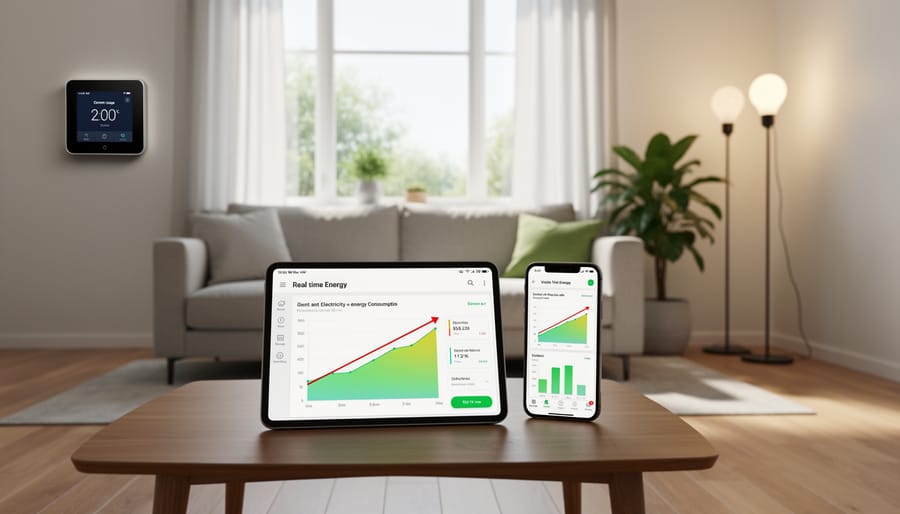
Finally, homeowners often skip energy monitoring altogether. Without tracking consumption data, you’re flying blind. Most ecosystems offer energy monitoring features, so use them to identify wasteful patterns and adjust accordingly. Combining smart technology with other home upgrades creates a truly efficient, sustainable living space that serves both your comfort and the planet.
Choosing the right smart home ecosystem ultimately comes down to your priorities and lifestyle. If you’re deeply invested in Apple devices and value privacy, HomeKit offers seamless integration with a smaller but growing selection of energy-efficient products. Google Home shines for those who want voice control flexibility and broad device compatibility at wallet-friendly prices. Amazon Alexa remains the go-to for maximum device selection and budget-conscious setups, while Samsung SmartThings appeals to tech enthusiasts who enjoy hands-on customization.
Here’s the good news: you don’t have to pick just one. Many homeowners successfully run hybrid ecosystems, connecting energy monitors to one platform while routing smart thermostats and lighting through another. The key is starting with your highest-impact energy users—heating, cooling, and lighting—then expanding gradually as you identify what works best for your home.
Building a smart, eco-friendly home is absolutely achievable without breaking the bank or becoming a tech expert. Start small, prioritize devices that deliver real energy savings, and remember that even incremental improvements add up to meaningful environmental impact and lower utility bills over time.