Why Your Workspace Is Making You Tired (And How to Fix It)
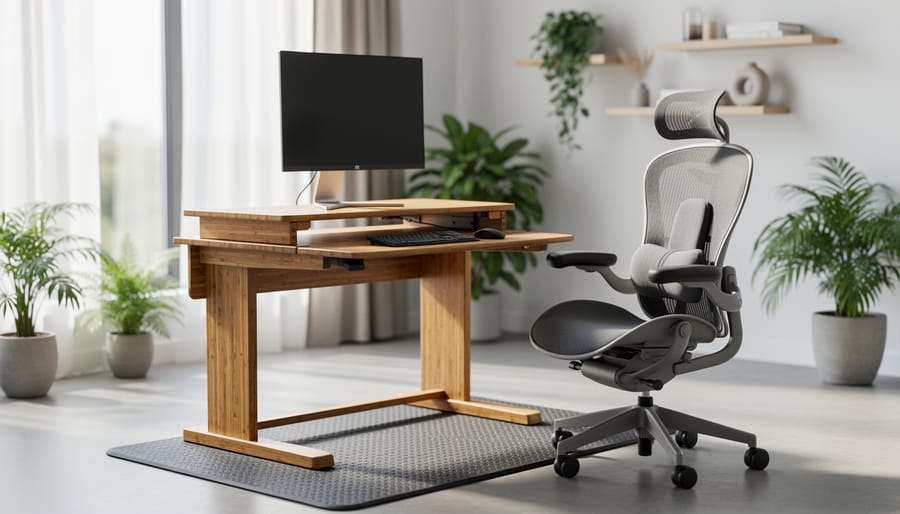
Position your monitor at arm’s length with the top of the screen at or slightly below eye level to prevent neck strain while reducing energy consumption by adjusting brightness to match natural light from your workspace windows. Replace your standard desk chair with one made from recycled materials or sustainably sourced wood that offers proper lumbar support, ensuring your feet rest flat on the floor and your knees align at 90 degrees. Install a DIY standing desk converter using reclaimed wood or bamboo boards mounted on adjustable brackets, allowing you to alternate between sitting and standing every 30-60 minutes throughout your workday.
Your workspace setup directly impacts both your physical wellbeing and environmental footprint. The average office worker spends over 1,700 hours annually at their desk, making ergonomic choices crucial for preventing chronic pain, fatigue, and long-term musculoskeletal issues. Simultaneously, traditional office furniture and equipment contribute significantly to landfill waste and carbon emissions through manufacturing processes and materials that take centuries to decompose.
Creating a sustainable work environment means selecting furniture and accessories that support your body’s natural alignment while minimizing environmental harm. This includes choosing desks made from FSC-certified wood, opting for chairs with recyclable components, and utilizing natural lighting whenever possible to reduce electricity usage. Small adjustments like adding a laptop stand crafted from sustainable materials or positioning an anti-fatigue mat made from natural rubber can transform your workspace into a health-promoting, eco-conscious environment that serves you well for years to come.
What Makes a Workspace Truly Sustainable
The Triple Bottom Line: People, Planet, Productivity
Think of sustainable ergonomics as a three-way win for your workspace. Here’s how it works.
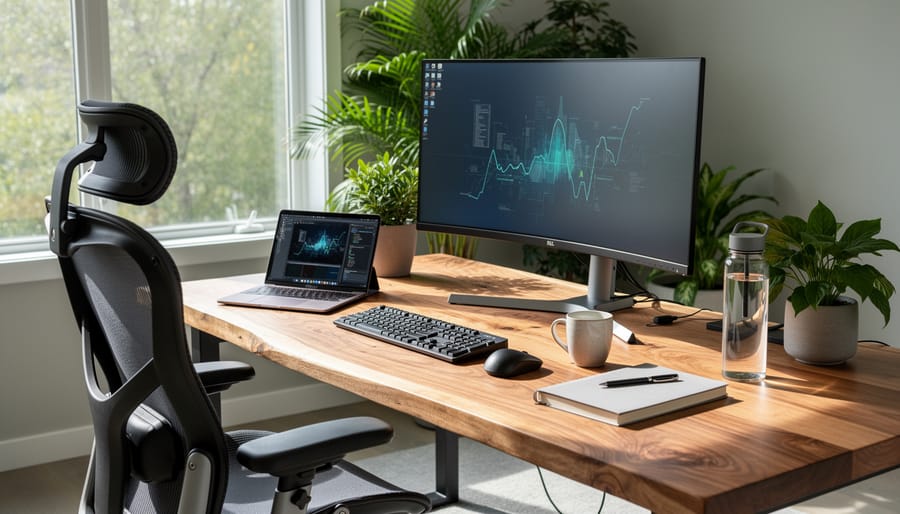
When we talk about people, we’re focusing on your wellbeing. Ergonomic furniture made from sustainable materials still does the heavy lifting of supporting your posture and preventing discomfort. That adjustable bamboo desk or recycled fabric chair reduces back pain just as effectively as conventional options, while keeping harmful chemicals and off-gassing out of your breathing space. Better health means fewer sick days and more energy throughout your workday.
For the planet, choosing sustainable materials dramatically cuts your environmental impact. Manufacturing traditional office furniture generates significant waste and carbon emissions. When you opt for reclaimed wood, recycled aluminum, or responsibly sourced materials, you’re reducing landfill contributions and supporting circular economy practices. Even better, many sustainable pieces are designed for longevity and easy repair, so you’re not replacing furniture every few years.
The productivity angle might surprise you. Sustainable ergonomic setups often cost less over time because quality materials last longer. You’ll spend less on replacements and healthcare costs drop when workers feel better. Plus, natural materials like wood and bamboo create calmer, more pleasant environments that actually boost focus and creativity. Companies also find that green office initiatives improve employee morale and attract top talent who value environmental responsibility.
Bottom line? Sustainable ergonomics isn’t about sacrifice. It’s about making smarter choices that benefit everyone involved, including your budget.
The Core Elements of Ergonomic Workspace Design
Chair and Seating Solutions That Last
Finding the right seating is one of the most important decisions you’ll make for your sustainable workspace. Your chair affects everything from your posture to your productivity, so it’s worth getting it right.
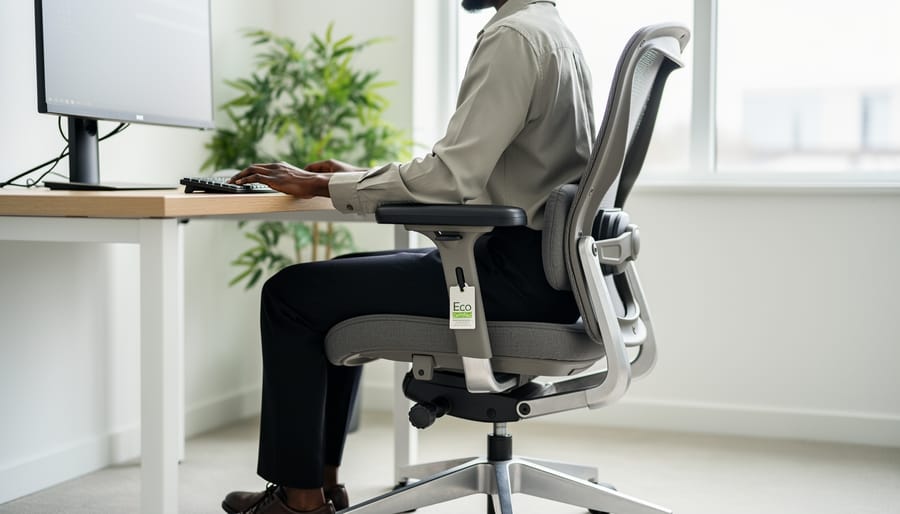
When shopping for an ergonomic chair, look for options made from recycled or renewable materials. Many manufacturers now offer chairs with recycled aluminum frames, plant-based foam cushions, and fabric made from recycled plastic bottles. Check for certifications like GREENGUARD, which ensures low chemical emissions, and Cradle to Cradle, which verifies sustainable manufacturing practices.
The best sustainable chair is one you’ll actually use properly. Adjust your seat height so your feet rest flat on the floor and your knees form a 90-degree angle. Your armrests should support your elbows at desk height, and the backrest should maintain your spine’s natural curve. Most quality ergonomic chairs have simple lever systems for these adjustments, so take five minutes to experiment until everything feels right.
Don’t feel locked into traditional desk chairs, though. Standing desks offer a fantastic alternative that reduces sitting time and can be crafted from sustainable bamboo or reclaimed wood. If you’re handy, you can even build a basic standing desk converter using salvaged materials for under fifty dollars.
Balance stools and kneeling chairs provide active sitting options that engage your core muscles throughout the day. These alternatives use less material than traditional office chairs and often come in compact, eco-friendly designs. Try rotating between different seating options throughout your day to keep your body engaged and reduce fatigue while minimizing your environmental impact.
Desk Height and Monitor Placement
Getting your desk and monitor at the right height makes a huge difference in how you feel at the end of the workday. Your elbows should rest at a 90-degree angle when typing, with your feet flat on the floor. If your desk is too high, try this quick DIY fix: add a keyboard tray underneath using adjustable brackets from your local hardware store. Simply measure the space, attach the mounting brackets to your desk’s underside, and install the sliding tray.
For monitors, position the top of your screen at or slightly below eye level, about an arm’s length away. Too low? Stack sustainable materials like reclaimed wood blocks or bamboo risers underneath. You can create a custom monitor stand by cutting and stacking pieces to your ideal height, then securing them with wood glue.
If you’re shopping for new furniture, look for desks made from FSC-certified wood, recycled materials, or rapidly renewable bamboo. Adjustable standing desks offer flexibility, though you can achieve similar benefits by placing a sturdy box or crate on your existing desk for alternating between sitting and standing throughout the day. Even simple cardboard boxes work temporarily while you source more permanent sustainable solutions.
Lighting That Protects Your Eyes and Energy Bills
The right lighting setup makes a world of difference for both your comfort and your utility bills. Start by positioning your desk perpendicular to windows rather than directly facing them. This arrangement floods your workspace with natural light while minimizing harsh glare on your screen. When sunlight isn’t enough, layering energy-efficient workspace lighting becomes essential.
LED task lamps with adjustable arms give you control over light direction while using 75% less energy than traditional bulbs. Look for models with color temperature settings between 4000-5000K, which mimics natural daylight and reduces eye strain during long work sessions. A simple DIY trick: attach a piece of light-filtering fabric or frosted contact paper to overly bright windows for diffused, gentle lighting.
To combat screen glare, position your monitor at a 90-degree angle to windows and invest in an anti-glare screen protector made from recycled materials. Consider installing motion-sensor switches for overhead lights, so you only illuminate your space when actually using it. These small adjustments protect your vision while keeping monthly energy costs down, creating a workspace that’s genuinely sustainable for both your body and budget.
Temperature and Air Quality Control
Your workspace temperature and air quality directly impact both your comfort and productivity. Start with proper ventilation by opening windows when weather permits, creating cross-breezes that naturally refresh your space without energy costs. If you’re in a climate-controlled environment, maintain temperatures between 68-72°F for optimal focus.
Consider improving workspace air quality with natural air purifiers. Snake plants, pothos, and peace lilies filter toxins while adding visual warmth to your office. Place one medium-sized plant per 100 square feet for noticeable benefits.
For climate control, try these sustainable methods: use programmable thermostats to reduce energy waste during off-hours, install ceiling fans to circulate air efficiently, and position your desk away from direct heating or cooling vents to avoid temperature fluctuations. In summer, lightweight window treatments block heat while maintaining natural light.
Simple DIY tip: Create a humidity monitor station using an inexpensive hygrometer. Ideal workspace humidity sits between 30-50 percent. Too dry? Add a small humidifier or water-loving plants. Too humid? Improve ventilation and consider a natural dehumidifier like activated bamboo charcoal bags.
Sustainable Materials and Furniture Choices
What to Look for When Shopping
Shopping for sustainable ergonomic furniture requires a sharp eye and some detective work. Start by looking for recognized certifications like GREENGUARD Gold, which ensures low chemical emissions, or FSC (Forest Stewardship Council) certification for responsibly sourced wood. These stamps matter because they’re backed by independent testing, not just company promises.
When evaluating sustainable furniture materials, prioritize solid wood, bamboo, recycled metals, and natural fabrics over particleboard and synthetic foams. Check product descriptions for specifics rather than vague terms. If a listing says “eco-friendly” without explaining why, that’s a red flag.
Durability indicators tell you whether furniture will last or end up in a landfill. Look for warranties of five years or more, replaceable parts, and straightforward repair instructions. Run your hands along joints and edges in showrooms. Quality construction feels solid, not wobbly.
Greenwashing is everywhere in furniture marketing. Watch for meaningless buzzwords like “natural” or “green” without supporting details. A truly sustainable brand will readily share information about their supply chain, manufacturing processes, and material sources. If you’re digging through their website and can’t find specifics about where materials come from or how products are made, keep looking.
Ask direct questions too. Customer service responses about sustainability practices reveal whether a company walks the talk or just talks the talk.
Budget-Friendly Sustainable Options
Creating a sustainable work environment doesn’t have to drain your wallet. Start by exploring the secondhand market for quality office furniture. Refurbished ergonomic chairs and desks often cost 50-70% less than new items while offering the same functionality. Check out office liquidation sales, online marketplaces, and specialty stores that refurbish commercial furniture. You’ll find barely-used pieces from companies downsizing or remodeling.
If you already own furniture that’s close to ideal, simple DIY modifications can bridge the gap. Add a foam cushion to improve chair support, or create a monitor riser from reclaimed wood to achieve proper eye level. Even a rolled towel behind your lower back can transform an average chair into better lumbar support.
Prioritize your investments strategically. Your chair deserves top billing since you’ll spend most of your day sitting. Look for used Herman Miller, Steelcase, or similar brands with strong warranties that transfer to second owners. Next, focus on your desk height and monitor positioning, which you can often adjust with budget-friendly solutions like adjustable keyboard trays or laptop stands.
Consider timing your purchases around end-of-year sales when businesses clear inventory. Many sustainable brands offer certified refurbished options directly, combining eco-consciousness with manufacturer quality assurance. By starting with one quality ergonomic piece and building gradually, you’ll create a comfortable workspace without the financial stress, proving sustainability and affordability can go hand in hand.
DIY Ergonomic Improvements You Can Make Today
15-Minute Monitor Riser Project
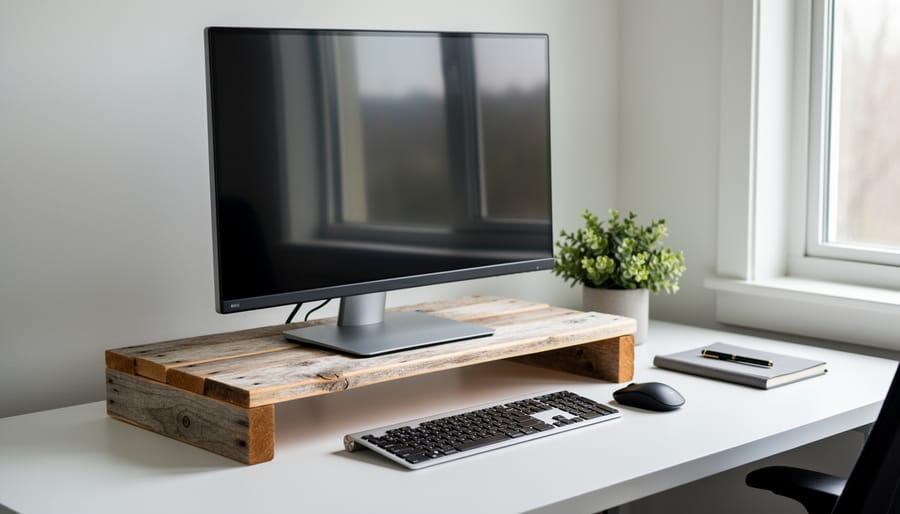
Transform your workspace ergonomics in just 15 minutes with this simple monitor riser using reclaimed materials. You’ll need either a sturdy piece of reclaimed wood (12-18 inches wide, 8-10 inches deep, 3-4 inches thick) or stack hardcover books of equal size.
For the wood option, start by sanding any rough edges with medium-grit sandpaper. Measure your monitor’s base to ensure the riser provides at least 2 inches of clearance on all sides. If using books, select 4-6 identical volumes and stack them to achieve 4-5 inches of height, placing your monitor at eye level when seated upright.
Position your riser so the top of your screen aligns with or slightly below eye level, approximately 20-26 inches from your eyes. This prevents neck strain during extended work sessions.
For added stability with books, wrap the stack tightly with natural twine or secure with reusable straps. Wood risers can be personalized with non-toxic, water-based stain or left natural for a minimalist aesthetic.
This quick project repurposes existing materials, eliminating the need for new plastic products while immediately improving your posture and reducing environmental impact.
Quick Fixes That Don’t Require New Furniture
You don’t need to break the bank or wait for new furniture to arrive before improving your workspace ergonomics. Start with what you already have and make simple adjustments that can transform your comfort level today.
Begin by checking your keyboard and mouse placement. Your keyboard should sit directly in front of you, not off to the side, and low enough that your elbows bend at roughly 90 degrees when typing. If your desk is too high, try placing your keyboard on your lap or a lower surface. A rolled-up towel under your wrists can serve as a makeshift wrist rest to keep your hands in a neutral position.
For lumbar support, grab a cushion, pillow, or even a rolled towel from your linen closet. Place it behind your lower back to maintain your spine’s natural curve. This simple addition can dramatically reduce back strain during long work sessions.
Tackle cable clutter next, which isn’t just about aesthetics—it’s about creating a calmer, more focused environment. Use binder clips attached to your desk edge to guide cables, or wrap them with twist ties from your kitchen drawer. Group cables together with toilet paper rolls or rubber bands to keep them organized and off your floor.
Adjust your monitor by stacking books or sturdy boxes underneath until the top of the screen aligns with your eye level. This prevents neck strain from looking down all day.
These eco-friendly DIY projects cost nothing and take minutes to implement, delivering immediate ergonomic benefits while you plan any future workspace upgrades.
Technology Integration for Smarter Workspaces
Smart Ergonomic Tools Worth the Investment
Investing in smart ergonomic tools creates a workspace that actively supports your health while reducing environmental impact. Electric standing desks with energy-efficient motors have become surprisingly affordable, using minimal electricity while preventing the back strain associated with prolonged sitting. Look for models with programmable height presets and energy-saving modes that power down when not in use.
Posture-tracking apps offer a budget-friendly entry point into smart ergonomics. These smartphone or computer-based programs use your device’s camera to monitor your sitting position and send gentle reminders when you’re slouching. Many integrate with productivity timers, encouraging regular movement breaks throughout your day. The best part? Most cost less than a single physical therapy session.
Smart lighting systems deserve special attention for anyone serious about workspace wellness. These adaptive lights automatically adjust color temperature and brightness based on time of day, reducing eye strain and supporting your natural circadian rhythm. Modern LED options consume up to 75% less energy than traditional bulbs while lasting significantly longer, making them genuinely sustainable choices.
When shopping for smart ergonomic tools, prioritize products with good warranty coverage and repairable designs. This approach ensures your investment lasts longer and keeps electronic waste out of landfills while supporting your long-term comfort and productivity.
Reducing Tech Waste in Your Workspace
Your tech equipment can last significantly longer with simple maintenance habits. Clean your devices regularly with microfiber cloths to prevent dust buildup, and keep them away from extreme temperatures. Update software consistently to maintain performance and avoid premature replacement.
When purchasing new equipment, prioritize repairable electronics. Look for devices with modular designs, available replacement parts, and brands that provide repair guides. This approach reduces waste and saves money over time. Consider buying refurbished items, which give perfectly functional technology a second life while reducing your environmental footprint.
Proper disposal matters too. Never toss old electronics in regular trash bins, as they contain harmful materials. Research local e-waste recycling programs that safely extract valuable materials like gold, copper, and rare earth metals. Many retailers and manufacturers offer take-back programs for old devices.
Create a tech maintenance schedule to track cleaning, updates, and equipment lifespan. This simple DIY organization project helps you maximize your investment while minimizing environmental impact. Remember, the most sustainable device is the one you already own, so extend its life whenever possible before considering replacement.
Making It Work: Implementation Tips
The 30-Day Adjustment Period
Making workspace changes isn’t an overnight transformation, and that’s actually a good thing. Your body needs time to adapt to new ergonomic setups, so plan for a 30-day adjustment period when implementing changes.
Start by introducing one or two modifications at a time. If you’re adding a monitor stand and a new chair, begin with just the monitor stand for the first week. This gradual approach helps you identify what’s actually working versus what might need tweaking. Keep a simple notebook or phone app to track daily observations about your comfort levels, energy, and any physical discomfort.
During the first week, you might feel some initial muscle soreness as your body adjusts to better posture. This is normal and should decrease by week two. By week three, note productivity patterns. Are you taking fewer breaks due to discomfort? Can you focus for longer periods?
Create a quick daily checklist: monitor at eye level, feet flat on the floor, arms at 90 degrees, and adequate lighting. Take progress photos of your workspace setup to visually track improvements.
If something feels wrong after two weeks, don’t push through. Adjust heights, distances, or angles until you find your sweet spot. Remember, the best ergonomic setup is one that feels natural and supports your unique body and work style.
For Commercial Property Owners
Creating a sustainable work environment in your office space doesn’t have to break the bank. Start by calculating your return on investment: energy-efficient LED lighting typically pays for itself within two years, while ergonomic furniture reduces sick days and boosts productivity by up to 17%. Begin with a phased approach by upgrading one department at a time, making the transition manageable for your budget and staff.
Getting employee buy-in is crucial for success. Survey your team about their current pain points and involve them in selecting sustainable solutions. When people feel heard, they become champions of change. Consider launching a pilot program in a smaller area first, then share the positive results company-wide.
Focus on quick wins like adjustable monitor arms, desk risers, and improved task lighting before investing in complete workstation overhauls. Partner with local suppliers who offer sustainable materials and provide employee training sessions on proper ergonomic practices. This combination of smart spending and team engagement creates lasting change that benefits everyone.
Creating a sustainable, ergonomic workspace isn’t just about following trends—it’s a genuine investment in your health, productivity, and the planet’s future. Think of it as a triple win that pays dividends every single day you sit down to work. Whether you’re setting up a home office corner or redesigning an entire commercial space, the good news is that you don’t need to overhaul everything overnight.
Start small and build momentum. Maybe today you adjust your monitor height using a stack of books. Tomorrow, you might swap out your incandescent bulbs for energy-efficient LEDs. Next week, you could explore secondhand furniture options or add a plant to improve air quality. Each tiny adjustment compounds over time, creating meaningful improvements in how you feel and perform while reducing your environmental footprint.
Remember, there’s no perfect formula that works for everyone. Your sustainable ergonomic journey is personal—what matters most is that you’re moving in the right direction. The discomfort you’re experiencing today doesn’t have to be your reality tomorrow. By combining thoughtful ergonomic principles with environmentally conscious choices, you’re not just creating a better workspace; you’re contributing to a healthier future for yourself and the planet.
So take that first step today. Your body will thank you, your productivity will soar, and you’ll rest easier knowing you’ve made choices that align with your values. Small changes really do make a big difference.