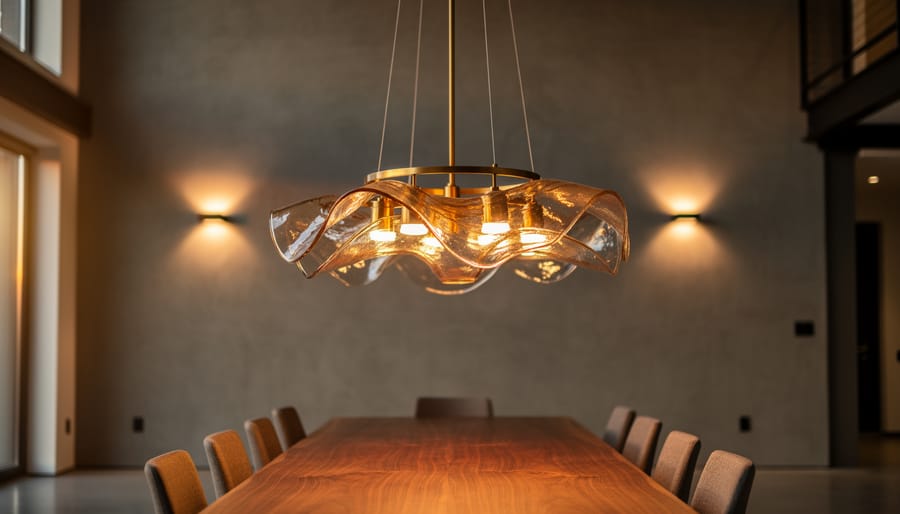
Transform Any Room with Artistic Light Fixtures That Actually Make a Statement
Transform your space instantly by treating light fixtures as functional sculpture rather than mere illumination sources. Artistic lighting acts as the jewelry of interior design, commanding attention while solving your room’s practical lighting needs. Whether you’re drawn to hand-blown glass chandeliers, industrial Edison bulb installations, or minimalist geometric pendants, these statement pieces define room character more powerfully than wall art alone.
Select fixtures that balance visual impact with your room’s scale—oversized pendants work beautifully in spaces with high ceilings, while clustered arrangements of smaller artistic pieces create drama in compact areas. Position statement lighting where eyes naturally travel: above dining tables, in entryway focal points, or flanking bathroom mirrors. Layer your artistic fixtures with ambient lighting to prevent harsh shadows and create depth.
Budget-conscious homeowners can achieve designer looks through strategic DIY approaches. Retrofit existing fixtures with decorative cages, exposed filament bulbs, or painted finishes that complement your aesthetic. Mix materials like wood, metal, and rope to craft custom pieces that rival boutique options at a fraction of the cost.
The consideration phase requires evaluating three critical factors: lighting output measured in lumens, fixture weight versus your ceiling’s support capacity, and bulb compatibility with dimmer switches. Artistic fixtures demand this practical foundation before aesthetic decisions take center stage. Your lighting investment should deliver both visual satisfaction and functional performance for years ahead, making thoughtful selection essential from the start.
What Makes a Light Fixture ‘Artistic’?
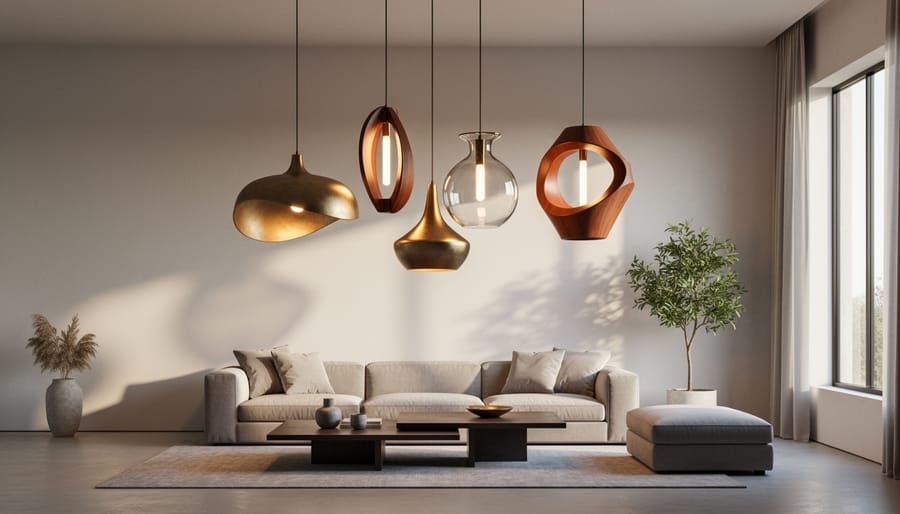
The Difference Between Decorative and Artistic Lighting
While many light fixtures look pretty, not all qualify as truly artistic pieces. The key difference lies in intention and impact. Decorative lighting primarily focuses on aesthetics that complement your existing décor—think standard chandeliers or basic pendant lights that look nice but don’t necessarily make a statement.
Artistic light fixtures, on the other hand, are designed as standalone sculptural elements that command attention and spark conversation. These pieces often feature unique materials, unconventional shapes, or innovative designs that blur the line between functional lighting and fine art. An artistic fixture becomes the room’s focal point, much like a painting or sculpture would.
Consider this simple test: if you’d appreciate the piece even when the light is off, it’s likely artistic rather than merely decorative. These fixtures often showcase exceptional craftsmanship, whether through hand-blown glass techniques, intricate metalwork, or cutting-edge geometric designs.
The investment in artistic lighting differs too. While decorative fixtures serve a purpose, artistic pieces bring character and personality to your space. They’re conversation starters that reflect your individual style and can even increase your home’s perceived value. When selecting lighting, ask yourself whether the fixture enhances your room or defines it—that distinction separates the decorative from the truly artistic.
Craftsmanship You Can See and Feel
When shopping for artistic light fixtures, quality craftsmanship makes all the difference between a mass-produced lamp and a true statement piece. Look for hand-blown glass elements that showcase subtle variations in color and texture—each piece will be slightly unique, adding character your space deserves. These organic differences are signatures of authentic artistry, much like custom artisanal decor throughout your home.
Pay attention to metalwork details as well. Hand-forged or hand-finished metals display hammer marks, subtle irregularities, and rich patinas that machine-made fixtures simply can’t replicate. Quality fixtures often feature custom finishes like antiqued brass, oil-rubbed bronze, or hand-applied verdigris that develop beautifully over time.
Examine the joints and connections closely. Well-crafted fixtures have clean welds, smooth soldering, and thoughtful assembly that ensures both beauty and durability. Many artisans now work with innovative artisanal materials like reclaimed wood, recycled glass, or sustainable metals, blending environmental consciousness with stunning design.
The best artistic fixtures invite you to look closer. Run your hand along the surfaces, notice the weight and balance, and appreciate the small imperfections that prove human hands created something special just for your space.
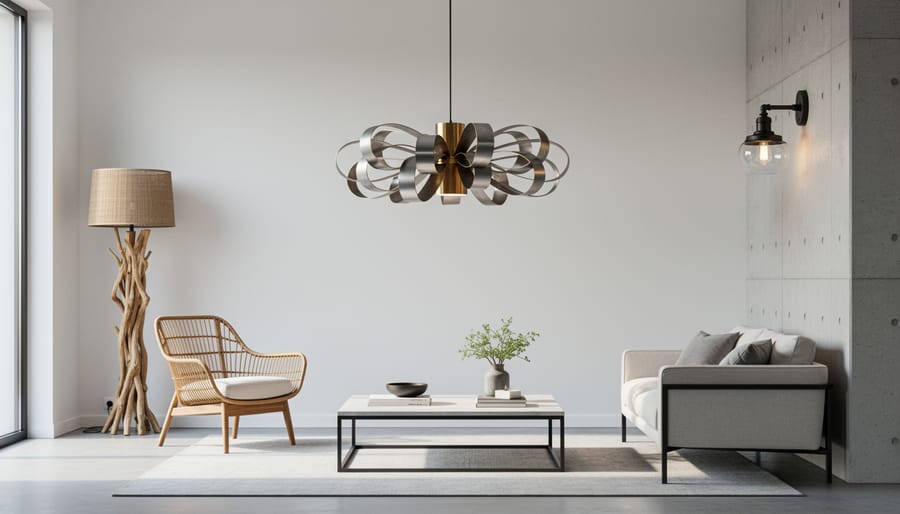
Popular Styles of Artistic Light Fixtures
Sculptural Statement Pieces
Sculptural statement pieces transform ordinary rooms into gallery-worthy spaces. These fixtures blur the line between lighting and art, creating focal points that spark conversation long before you flip the switch. Think of them as functional sculptures that happen to illuminate your home.
Modern sculptural fixtures come in countless forms. You might find cascading metal spirals that seem to defy gravity, geometric clusters of glass orbs that catch and reflect light beautifully, or organic shapes inspired by nature’s flowing forms. These pieces work particularly well in entryways where they create an impressive first impression, or in living rooms with high ceilings where they have room to shine.
When selecting a sculptural fixture, consider scale carefully. A piece that looks perfect online might overwhelm a smaller space or get lost in a grand foyer. Measure your ceiling height and room dimensions before committing. Most sculptural pieces work best when hung 30 to 36 inches above dining tables or at least seven feet from the floor in open spaces.
For tech-savvy homeowners, many contemporary sculptural fixtures now integrate with smart home systems, allowing you to adjust brightness and even color temperature to match your mood or time of day.
Organic and Nature-Inspired Designs
Bringing the outdoors inside has never been more stylish than with organic and nature-inspired light fixtures. These designs celebrate the raw beauty of nature-inspired organic materials like wood, rattan, bamboo, and woven fibers, creating warmth and texture in any room.
Wooden beam chandeliers work beautifully in dining rooms and entryways, adding rustic charm while providing ambient lighting. Rattan pendant lights offer a coastal or bohemian vibe perfect for kitchens and bedrooms, with their woven patterns casting enchanting shadows on walls and ceilings.
For a sophisticated take, consider fixtures featuring botanical metalwork—think leaf-shaped sconces or branch-inspired chandeliers with an antique brass or bronze finish. These pieces bridge the gap between nature and elegance, working well in both traditional and contemporary spaces.
When selecting organic fixtures, consider the room’s existing materials. Pair wood fixtures with natural textiles and stone accents for a cohesive look. Most rattan and woven designs require minimal maintenance—just occasional dusting with a soft cloth keeps them looking fresh for years.
Industrial Artisan Lighting
Industrial artisan lighting brings raw, authentic character to any space through carefully handcrafted pieces that celebrate exposed elements and honest materials. These fixtures typically feature nostalgic Edison bulbs with visible filaments, creating a warm amber glow that instantly adds vintage charm. You’ll often find metals like aged brass, wrought iron, or galvanized steel combined with reclaimed wood, salvaged pipes, or repurposed factory components.
What makes these pieces truly artistic is the craftsmanship involved. Artisans carefully select materials with history and character—think weathered barn wood, industrial pulleys, or vintage electrical components—then transform them into functional lighting that tells a story. The beauty lies in imperfections: weld marks, patina, and natural wood grain become design features rather than flaws.
For DIY enthusiasts, industrial lighting offers exciting project potential. You can create your own fixtures using pipe fittings from hardware stores, Edison bulb kits, and reclaimed materials from salvage yards. Simple pendant lights or wall sconces are beginner-friendly starting points that require basic electrical knowledge and tools.
These fixtures work beautifully in lofts, modern farmhouse kitchens, home offices, or commercial spaces seeking authentic character. The exposed bulbs provide ambient lighting while the sculptural metalwork serves as statement art, making industrial artisan pieces both functional and conversation-worthy focal points.
Where to Place Artistic Light Fixtures for Maximum Impact
High-Impact Zones in Your Home
Choosing the right location for an artistic light fixture can transform it from a beautiful object into a true focal point that elevates your entire space. Let’s explore where these statement pieces shine brightest.
Your entryway sets the tone for your entire home, making it prime real estate for a show-stopping chandelier or sculptural pendant. This first impression creates an immediate “wow” factor for guests while providing functional lighting for coming and going. Consider a fixture with adjustable brightness to transition smoothly from daytime ambiance to welcoming evening glow.
Dining areas are classic statement lighting territory for good reason. An artistic fixture suspended above your table becomes a conversation starter during meals while creating an intimate atmosphere. Hang it approximately 30-36 inches above the table surface to maximize visual impact without obstructing sight lines across the table.
Kitchen islands offer another perfect opportunity for artistic expression. A row of pendant lights or a single linear fixture can define your workspace while adding personality to what’s often the heart of family activity. The key here is balancing style with practical task lighting, so choose fixtures that illuminate your prep area effectively.
Don’t overlook your bedroom when placing artistic fixtures. A stunning pendant or sculptural chandelier above your bed creates a hotel-luxe feeling and serves as functional reading light. Install a dimmer switch to control the mood from energizing morning brightness to soft evening relaxation.
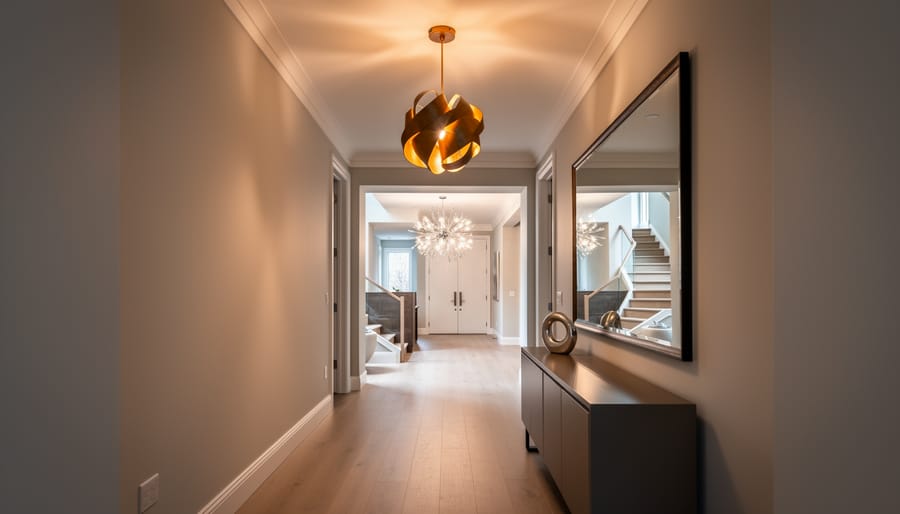
Pairing Artistic Fixtures with Existing Decor
When introducing an artistic light fixture into your space, think of it as the jewelry of your room—it should enhance, not overpower. Start by assessing your existing color palette and design style. If your decor is minimalist with neutral tones, a bold sculptural fixture can serve as your statement piece without competing with other elements. Conversely, if your room already features vibrant colors and patterns, consider a fixture with cleaner lines or metallic finishes that complement rather than clash.
The key is creating visual balance. If your artistic fixture is ornate or colorful, keep surrounding decor simpler. Let the light be the focal point by pairing it with understated furniture and wall art. Similarly, when working with functional artistic pieces throughout your home, ensure they share a common thread—whether that’s material, color family, or design era—to maintain cohesion.
Scale matters too. A large chandelier works beautifully in spacious rooms with high ceilings, while smaller pendant fixtures suit intimate spaces. Test your layout by temporarily hanging similar-sized objects to visualize proportions before installation. Remember, successful pairing means your artistic fixture feels intentional, not accidental.
Choosing the Right Artistic Light Fixture for Your Space
Size and Scale Guidelines
Choosing the right size artistic light fixture can make or break your room’s aesthetic. A fixture that’s too small will look lost and ineffective, while one that’s too large can overwhelm the space and feel awkward.
For dining rooms, measure your table length and width in feet, add those numbers together, and convert the sum to inches—that’s your ideal chandelier diameter. For example, a 6-foot by 4-foot table works beautifully with a 30-inch fixture. Hang it approximately 30 to 36 inches above the table surface for optimal lighting and visual balance.
In living rooms and entryways, calculate room dimensions the same way. A 12-foot by 14-foot room pairs well with a 26-inch diameter fixture. For ceiling heights above 8 feet, add 3 inches of fixture height for every additional foot of ceiling. A 10-foot ceiling, for instance, accommodates a fixture that’s 6 inches taller than what you’d choose for an 8-foot ceiling.
Statement pieces in open-concept spaces can break these rules intentionally—just ensure your artistic fixture doesn’t block sightlines or hang below head height in walkways. When in doubt, use painter’s tape to outline the fixture’s footprint on your ceiling before purchasing.
Balancing Aesthetics with Function
The key to choosing an artistic light fixture is finding that sweet spot where beauty meets brightness. Before falling in love with a stunning piece, check the recommended bulb wattage and the fixture’s light output. A gorgeous chandelier won’t do you much good if it leaves your dining room in shadows.
Consider layering your lighting to let your artistic fixture shine without shouldering all the illumination duties. Pair that sculptural pendant with recessed lights or wall sconces to ensure adequate brightness throughout the space. This approach lets you use lower-wattage bulbs in your statement piece, preserving its artistic details without harsh glare.
Pay attention to bulb type and color temperature too. LED bulbs are energy-efficient and come in various color temperatures that can enhance your fixture’s materials. Warm white (2700-3000K) typically complements metal and wood finishes beautifully, while cooler temperatures work well with modern glass designs.
For DIY enthusiasts, install a dimmer switch to give yourself flexibility. This simple upgrade lets you adjust brightness levels throughout the day, showcasing your fixture’s artistic elements during ambient moments while providing ample light when needed for tasks.
Budget Ranges and What to Expect
Artistic light fixtures span a wide price range, making them accessible at virtually any budget. Entry-level pieces from big-box retailers typically start around $50-$150 and offer mass-produced designs with artistic flair—think geometric pendants or sculptural table lamps that add visual interest without breaking the bank.
Mid-range options ($150-$500) often feature better materials, unique finishes, and more distinctive designs. You’ll find these at specialty lighting stores, online marketplaces like Etsy, and home decor boutiques. These pieces balance quality craftsmanship with reasonable pricing.
High-end artisanal fixtures ($500-$2,000+) showcase exceptional craftsmanship, premium materials like hand-blown glass or forged metal, and truly one-of-a-kind designs. Look for these at local artisan studios, gallery shops, and curated online platforms. Custom-commissioned pieces from independent artists can climb even higher but deliver showstopping focal points.
Don’t overlook secondhand options—vintage shops, estate sales, and online marketplaces often hide artistic gems at fraction-of-retail prices. For budget-conscious decorators, DIY projects using materials from craft stores can create custom artistic fixtures for under $100 while adding personal character to your space.
DIY Artistic Lighting Projects to Try
Simple Pendant Upgrade: From Basic to Beautiful
Transforming a basic pendant light into an artistic showpiece is easier than you might think—and it’s a fantastic way to transform everyday items into something special. Start with an inexpensive pendant fixture from your local hardware store, then customize it to match your personal style.
One simple approach is to replace the basic shade with something more interesting. Try wrapping a wire frame with natural jute rope for a bohemian look, or create a geometric design using copper tape and transparent acrylic sheets. Vintage colanders, wire baskets, or even decorative lampshade frames from thrift stores make excellent starting points.
For an artistic painted finish, remove the shade and apply chalk paint in your chosen color. Once dry, use metallic gold or copper leaf to add elegant accents around the rim or create abstract patterns. You can also try the splatter technique with multiple paint colors for a modern, gallery-inspired effect.
Consider wrapping the cord itself with fabric strips, leather cord, or colored rope to add visual interest from ceiling to shade. This small detail makes a surprisingly big impact.
The key is working with materials you’re comfortable handling and ensuring any modifications don’t interfere with heat dissipation or electrical components. Always turn off power at the breaker before working on any light fixture, and use LED bulbs which produce less heat, making them safer for creative shade materials.
Creating Custom Fixture Covers and Shades
Transforming an ordinary fixture into an artistic statement piece is easier than you might think. With a few creative materials and some patience, you can craft custom covers and shades that reflect your personal style.
Woven textiles offer wonderful texture and warmth. Consider using macramé cord to create a boho-inspired shade, or wrap natural jute around a wire frame for an organic look. Simply secure the material with hot glue or small zip ties, ensuring even spacing for balanced light diffusion.
Metal mesh provides an industrial-chic aesthetic while allowing maximum light flow. Cut hardware cloth or decorative mesh to size, form it around your existing shade frame, and secure edges with wire or metal fasteners. This works especially well for pendant lights in kitchens or dining areas.
For geometric enthusiasts, thin wood strips or balsa wood can be assembled into striking angular patterns. Create triangle or hexagon frames using wood glue and small finishing nails. Stain or paint your creation to match your décor before installation.
Always ensure your materials are heat-resistant and positioned safely away from bulbs. Use LED bulbs to minimize heat concerns and extend your fixture’s lifespan. Remember to test your creation before final installation to ensure proper light distribution and structural stability.
Caring for Your Artisanal Light Fixtures
Artisanal light fixtures are investments that deserve special attention to maintain their stunning appearance and performance. The good news? With a few simple practices, you can keep these pieces looking gallery-worthy for years to come.
Start with regular dusting using a soft, dry microfiber cloth or a feather duster. For fixtures with intricate metalwork or blown glass elements, dust weekly to prevent buildup in hard-to-reach crevices. Always turn off the power and allow bulbs to cool completely before cleaning.
When deeper cleaning is needed, approach it gently. For metal finishes like brass, copper, or bronze, use cleaners specifically designed for that material to avoid damaging patinas or protective coatings. Test any cleaning solution on an inconspicuous spot first. Glass components can typically be cleaned with a mixture of warm water and mild dish soap, but avoid ammonia-based cleaners on hand-blown or art glass, as they can dull the finish.
Pay special attention to handcrafted elements like ceramic shades, fabric components, or natural materials such as wood or rattan. These often require dry cleaning methods or very minimal moisture. Check with the manufacturer for specific care instructions when possible.
Inspect your fixtures periodically for loose connections, frayed wiring, or worn components. Handcrafted pieces may use specialty bulbs, so keep a few spares on hand. If you notice any electrical issues, consult a professional electrician rather than attempting DIY repairs that could damage delicate craftsmanship.
Store any removable decorative elements carefully during moves or renovations, using bubble wrap and sturdy boxes to protect against breakage.
Think of artistic light fixtures as the jewelry of your home—they’re the finishing touches that pull everything together and make your space uniquely yours. Just as the right necklace or watch can elevate an outfit, a thoughtfully chosen fixture transforms ordinary rooms into extraordinary spaces that reflect your personal style.
The beauty of investing in artistic lighting is that it delivers double value. You’re not just buying illumination; you’re purchasing a functional work of art that sets the mood, creates ambiance, and becomes a conversation starter. Quality fixtures can last for decades, making them a worthwhile investment that grows with you as your taste evolves.
If you’re feeling overwhelmed about where to begin, start small. Choose one statement piece for a high-impact area like your entryway or dining room. This single fixture can completely shift the energy of your space and help you understand what styles resonate with you. Once you see how transformative the right lighting can be, you can gradually build your collection, mixing different styles and periods to create a layered, curated look.
Remember, there’s no rush—great design happens one intentional choice at a time.