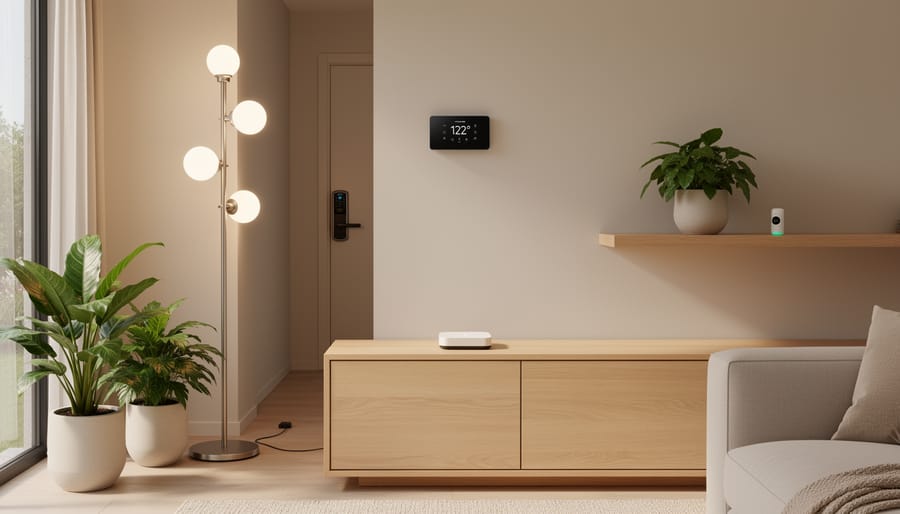
Why Zigbee Makes Your Smart Home Actually Work (Without Killing the Planet)
Choose Zigbee as your wireless protocol to cut energy consumption by up to 80% compared to Wi-Fi-based systems while creating a responsive smart home network. This low-power mesh technology lets each device act as a signal repeater, eliminating dead zones and reducing the need for multiple power-hungry hubs throughout your space.
Install a single Zigbee hub to control dozens of compatible devices—from motion sensors and smart bulbs to thermostats and door locks—creating an interconnected ecosystem that consumes minimal standby power. Unlike cloud-dependent systems, Zigbee operates locally, meaning your devices respond instantly and continue functioning during internet outages while protecting your privacy.
Select devices bearing the Zigbee certification logo to ensure seamless compatibility across brands, allowing you to mix manufacturers without being locked into a single ecosystem. This flexibility means you can start small with a few smart bulbs and gradually expand to sensors and automated shades as your budget allows.
Position your Zigbee devices strategically throughout your home, keeping them within 30-40 feet of each other to maximize the mesh network’s self-healing capabilities. This approach to smart home technology delivers both convenience and environmental responsibility, reducing your carbon footprint while modernizing your living space with reliable, energy-efficient automation that adapts to your lifestyle.
What Makes Zigbee Different from Other Smart Home Protocols
The Mesh Network Advantage
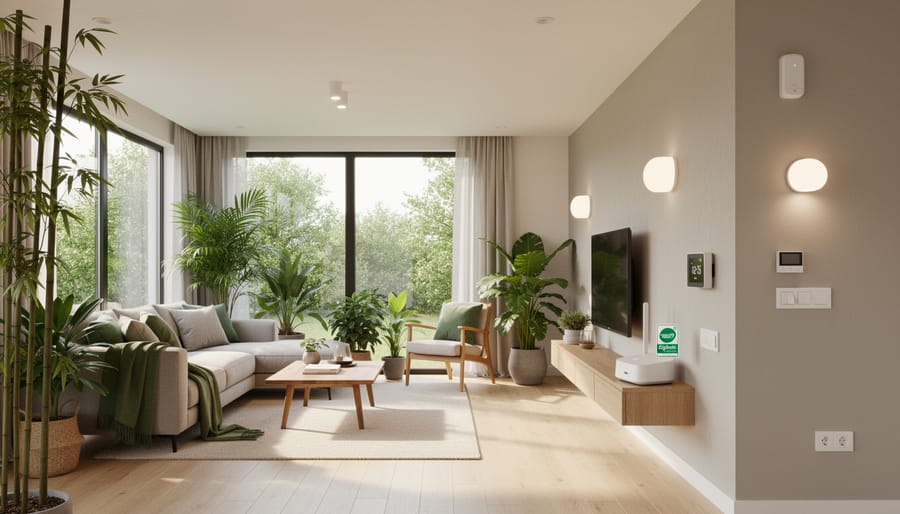
One of Zigbee’s smartest features is its mesh network capability, which sets it apart from traditional WiFi-based smart home systems. Here’s how it works: each Zigbee device you add to your home acts as a signal repeater, passing messages along to other devices. This creates a web-like network that automatically finds the best path for communication.
Think of it like a game of telephone, but much more reliable. If one device goes offline or encounters interference, your Zigbee network simply reroutes the signal through another path. This self-healing quality means your smart home keeps running smoothly even if individual devices experience issues.
The range benefits are significant too. While a single Zigbee hub might reach 30-50 feet indoors, adding devices throughout your home extends that coverage dramatically. That smart light switch in your hallway? It’s helping your bedroom sensor communicate with your hub in the living room.
This mesh approach is particularly valuable in larger homes or properties with thick walls where WiFi signals struggle. You’re not dealing with dead zones or the need for multiple extenders. Instead, every device strengthens your network, creating a more reliable and responsive smart home experience.
Power Efficiency That Actually Matters
Zigbee devices sip power rather than gulp it, and that translates to real savings in your home. Unlike Wi-Fi smart devices that need constant charging or frequent battery swaps, Zigbee sensors and switches can run for years on a single battery. A typical Zigbee door sensor, for example, can last 2-5 years on a coin cell battery, while a motion sensor might keep going for 3-4 years.
Here’s where it gets interesting for your wallet and the planet: Zigbee devices use up to 90% less power than comparable Wi-Fi gadgets. A Zigbee smart bulb in standby mode draws just milliwatts, compared to several watts for a Wi-Fi bulb. Multiply that across 20-30 devices in your home, and you’re looking at noticeable electricity savings over time.
The mesh network design means devices only wake up when needed, then quickly return to sleep mode. This efficient communication protocol is especially valuable for battery-powered sensors in hard-to-reach places like attic windows or outdoor gates. You’ll spend less time on ladders swapping batteries and more time enjoying your automated, eco-friendly home.
The Eco-Friendly Case for Zigbee Smart Homes
Lower Energy Bills, Smaller Carbon Footprint
Zigbee devices work together to boost energy efficiency in ways that genuinely impact your utility bills and environmental footprint. Let’s look at some real-world examples of how these smart devices make a difference.
Smart thermostats with Zigbee connectivity learn your schedule and adjust heating and cooling automatically. When you leave for work, the system reduces energy use without you lifting a finger. Some homeowners report savings of 10-23% on their energy bills simply by letting their thermostat optimize temperature settings throughout the day.
Zigbee-enabled lighting takes efficiency further by dimming or turning off lights in unoccupied rooms. Motion sensors detect when you’ve left a space and communicate with your bulbs to power down. Pair this with LED smart bulbs, and you’re using up to 75% less energy than traditional lighting while enjoying full control from your phone.
Window sensors add another layer of intelligence. When a window opens on a hot summer day, these sensors signal your air conditioning to pause, preventing wasted energy cooling the outdoors. Similarly, smart plugs identify phantom energy drain from devices in standby mode and cut power completely.
The beauty of Zigbee is how these devices create an interconnected ecosystem. Your thermostat talks to your sensors, which communicate with your lights, creating automated routines that maximize efficiency without requiring constant manual adjustments. This seamless coordination means less energy waste and more money staying in your pocket.
Less Electronic Waste, More Longevity
One of the most compelling eco-friendly aspects of Zigbee technology is how it naturally reduces electronic waste in your home. Thanks to the ultra-low power requirements of the protocol, many Zigbee devices can run for years on a single set of batteries. Think about those motion sensors, door contacts, and temperature monitors scattered throughout your space. While similar WiFi-enabled devices might need new batteries every few months, Zigbee versions often last two to five years before requiring replacement.
This extended battery life means fewer trips to the store, less packaging waste, and significantly fewer batteries ending up in landfills. For a typical smart home with 20-30 sensors and devices, that’s potentially hundreds of batteries saved over just a few years. The environmental impact adds up quickly when you consider this across thousands of homes.
Beyond batteries, Zigbee devices are built with longevity in mind. The protocol has remained remarkably stable since its introduction, meaning devices you purchase today will work with your system for years to come. Unlike some proprietary smart home technologies that become obsolete when companies change direction or go out of business, Zigbee’s open standard ensures your investment maintains value over time.
This compatibility-first approach means you’re not constantly replacing perfectly functional devices just because they’re no longer supported. You’re building a sustainable smart home ecosystem that grows with you, reducing the cycle of upgrade-and-discard that plagues so much consumer technology today.
Best Zigbee Devices for a Hybrid Smart and Eco-Friendly Home
Smart Lighting Solutions
Zigbee smart lighting transforms how you illuminate your home while cutting energy costs significantly. Unlike traditional bulbs, Zigbee LED options use up to 80% less electricity and last years longer, making them a sustainable choice that pays for itself over time.
Smart bulbs from brands like Philips Hue and IKEA Tradfri offer complete control over brightness and color temperature, letting you create the perfect ambiance for any moment. Want warm, dimmed lighting for movie night? Done with a voice command or phone tap. Need energizing daylight tones for your home office? Adjust it instantly without touching a switch.
Smart switches and dimmers are particularly brilliant for rooms with multiple fixtures. Install a Zigbee wall switch once, and control all your lights without replacing every bulb. This approach works beautifully in dining rooms, living spaces, and entryways where you want centralized control.
The real magic happens with automation. Program your lights to gradually brighten as you wake up, dim automatically at sunset, or turn off when rooms are empty. These simple routines eliminate wasted energy from forgotten lights while enhancing your daily comfort. Plus, Zigbee’s mesh network means each device strengthens your connection, ensuring reliable performance throughout your home.
Climate Control and Thermostats
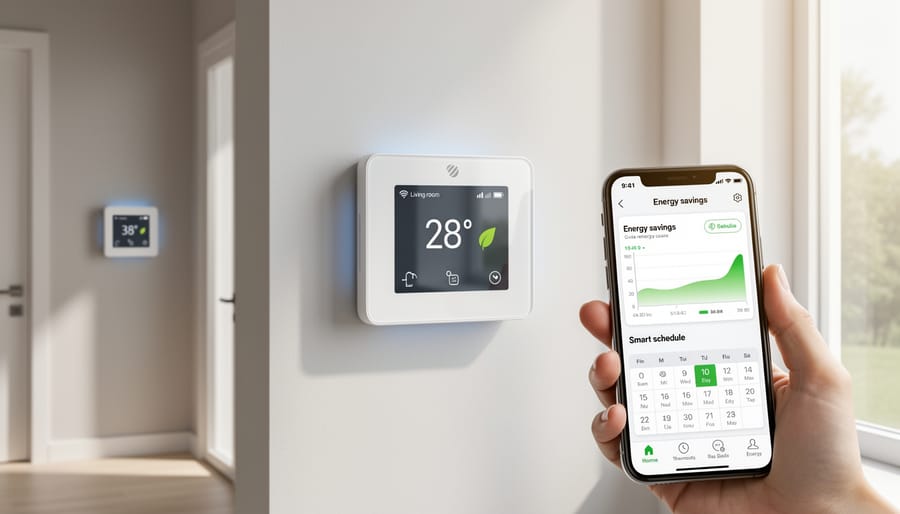
Zigbee thermostats are game-changers for maintaining the perfect temperature while keeping energy bills in check. These smart devices communicate seamlessly with temperature sensors placed throughout your home, creating zones that heat or cool only the spaces you’re actually using. No more wasting energy on empty rooms.
What makes Zigbee thermostats particularly eco-friendly is their ability to learn your schedule and adjust automatically. They work hand-in-hand with other smart home energy systems to optimize your HVAC efficiency. When paired with door and window sensors, they can pause heating or cooling when a window opens, preventing energy waste.
Installation is refreshingly straightforward for most DIYers. Simply replace your existing thermostat, connect it to your Zigbee hub, and place wireless temperature sensors in key rooms like bedrooms or home offices. The mesh network ensures reliable communication even in larger homes.
The real beauty lies in the data. These systems track your energy usage patterns and provide insights that help you make smarter decisions about comfort versus consumption. Many homeowners report 15-25% reductions in heating and cooling costs, making this upgrade both environmentally responsible and budget-friendly.
Sensors and Automation Triggers
Sensors and automation triggers are the unsung heroes of energy efficiency in your Zigbee smart home. These compact devices quietly work behind the scenes to prevent waste and create a truly responsive living space that adapts to your needs.
Motion sensors are perhaps the most versatile automation tools. Place them in hallways, bathrooms, or utility rooms to automatically turn lights on when you enter and off when you leave. This simple addition can dramatically reduce energy consumption from forgotten lights. Many homeowners find that motion sensors pay for themselves within the first year through reduced electricity bills.
Door and window sensors do more than enhance security. When integrated with your smart thermostat, they can automatically adjust heating or cooling when windows open, preventing energy waste. Imagine your system detecting an open window on a hot summer day and temporarily pausing the air conditioning until it closes. This intelligent behavior happens automatically once you set it up.
Water leak detectors placed near washing machines, water heaters, and under sinks provide early warnings that prevent costly damage and water waste. The moment moisture is detected, you receive an alert on your phone, giving you time to address small issues before they become major problems.
The beauty of Zigbee sensors lies in their mesh network capability and low power consumption. Most run on batteries that last years, and they communicate reliably throughout your home. Setting them up is straightforward: pair them with your hub, choose your automation rules, and let them handle the rest.
Setting Up Your Zigbee Smart Home Network
Choosing the Right Zigbee Hub
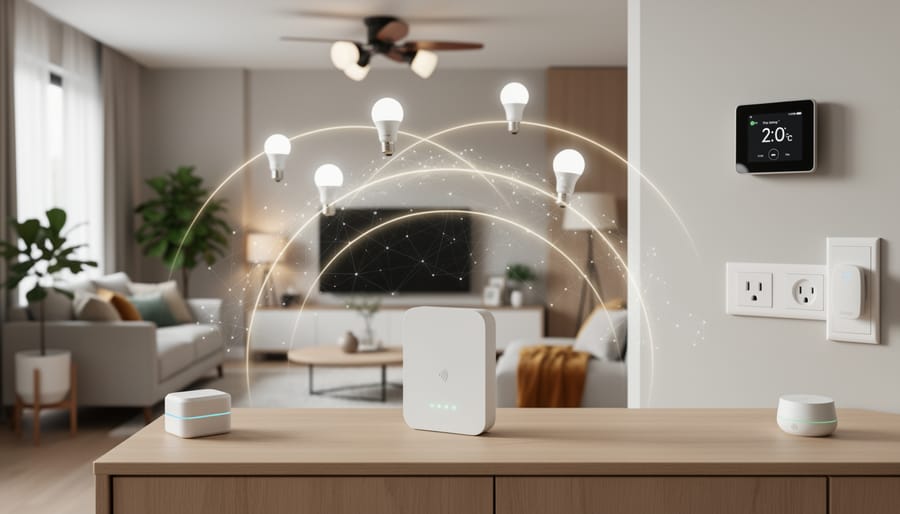
Selecting the right Zigbee hub depends on your technical comfort level and what you want to achieve with your smart home. Think of the hub as your home’s command center, so it’s worth choosing one that fits your lifestyle.
For beginners, Samsung SmartThings offers the easiest entry point. Its user-friendly app guides you through setup, and it works with hundreds of Zigbee devices right out of the box. You’ll be controlling lights and sensors within minutes, no coding required. The downside? It relies on cloud connectivity, so internet outages can disrupt functionality.
If you’re comfortable with a bit more complexity and value local control, Hubitat Elevation is an excellent middle-ground option. It processes everything locally, meaning your smart home keeps running even when your internet goes down. The interface takes some getting used to, but it offers more customization than SmartThings without requiring programming knowledge.
For DIY enthusiasts ready to dive deep, Home Assistant provides unmatched flexibility and complete local control. It runs on a Raspberry Pi or dedicated hardware and lets you customize virtually everything. The learning curve is steeper, but the active community provides incredible support and ready-made integrations. Plus, it’s open-source and completely free.
Consider your priorities: SmartThings for simplicity, Hubitat for balanced control, or Home Assistant for maximum customization. All three support energy monitoring features, helping you track your eco-friendly goals while enjoying smart home convenience. Start with your comfort level, knowing you can always expand your skills as your system grows.
Quick Setup Process for Beginners
Getting started with Zigbee is refreshingly straightforward. First, choose a Zigbee hub that fits your ecosystem—popular options include Samsung SmartThings, Amazon Echo Plus, or Philips Hue Bridge. Plug in your hub, download its companion app, and follow the simple pairing instructions.
Next, select your first device. Smart bulbs are perfect for beginners since they’re easy to install and show immediate results. Simply screw in a Zigbee bulb, open your hub’s app, and tap “Add Device.” The hub will automatically discover and connect your bulb within seconds.
Once connected, try creating a basic automation. For example, set your living room lights to turn on at sunset or dim automatically at bedtime. Most apps offer simple “if this, then that” logic that doesn’t require any coding knowledge.
Start with two or three devices to understand how they communicate through your mesh network. As you add more Zigbee devices, you’ll notice your network becomes stronger and more responsive. The beauty of Zigbee is that it grows with you—there’s no pressure to automate everything at once, and each new device enhances your existing setup.
Designing Spaces That Blend Smart Technology and Natural Elements
Hiding Technology in Plain Sight
Your Zigbee smart home doesn’t need to look like a tech showroom. The key is integrating sensors and hubs into your existing decor so they disappear into the background.
Motion sensors fit perfectly behind natural fiber basket weave on shelves or can be tucked inside wooden decorative boxes with small drilled openings. Temperature and humidity sensors work beautifully when mounted behind picture frames or nestled within potted plant arrangements. The small size of Zigbee devices makes this especially easy compared to bulkier alternatives.
For your hub, consider hiding it inside a hollowed book on a shelf, within a ceramic planter, or behind a decorative panel made from reclaimed wood. These creative solutions align with biophilic design elements that bring nature indoors while maintaining clean lines.
Smart plugs can hide behind furniture positioned near outlets, while door and window sensors blend in when painted to match trim colors. Even smart switches come in natural materials like bamboo and brushed metal finishes that complement sustainable interior choices.
The goal is simple: let your technology work quietly in the background while your beautiful, eco-friendly design takes center stage.
Choosing Devices That Match Your Style
Your smart home shouldn’t clash with your carefully chosen decor. The good news? Zigbee devices now come in designs that suit every aesthetic preference.
For modern minimalists, consider sleek Philips Hue lighting with clean lines and discrete sensors that virtually disappear into white walls. IKEA’s Trådfri line offers Scandinavian simplicity at budget-friendly prices, perfect for that uncluttered look.
Rustic or farmhouse enthusiasts can embrace Edison-style smart bulbs that maintain vintage charm while offering full automation. Look for devices with matte black, bronze, or brushed metal finishes that complement exposed beams and reclaimed wood.
Traditional homes benefit from classic toggle-style smart switches that blend seamlessly with existing fixtures. Brands like Lutron offer Zigbee-compatible options in timeless designs.
Industrial spaces shine with exposed smart plugs and visible tech elements that celebrate functionality as design. Choose devices in gunmetal or black finishes.
The beauty of Zigbee is its protocol flexibility, meaning you’re not locked into one manufacturer’s aesthetic. Mix and match devices across brands while maintaining seamless connectivity, letting your personal style guide your choices without sacrificing smart functionality.
Zigbee technology offers homeowners a practical path forward in creating smart homes that don’t compromise on environmental values. With its low energy consumption, reliable mesh network, and compatibility with hundreds of devices, Zigbee proves that convenience and sustainability can work hand in hand. You’re not just automating your home—you’re making thoughtful choices that reduce energy waste and carbon footprint.
The beauty of building a Zigbee smart home lies in its flexibility. You don’t need to overhaul everything at once. Start with a single smart bulb or plug, add a hub, and gradually expand as you discover what works best for your lifestyle. Each device you add creates a more efficient, responsive home while supporting your commitment to eco-friendly home design.
Remember, sustainable smart home design isn’t a destination—it’s an ongoing journey of learning, adjusting, and optimizing. As technology evolves and your needs change, your Zigbee network grows with you. Whether you’re dimming lights to save energy, automating thermostats for efficiency, or simply enjoying the convenience of voice control, you’re participating in a smarter, greener future. Take that first step today, and watch your home transform into a space that’s both intelligent and environmentally responsible.