Why Charcoal Isn’t Your Only Water Filter Option (And What Works Better)
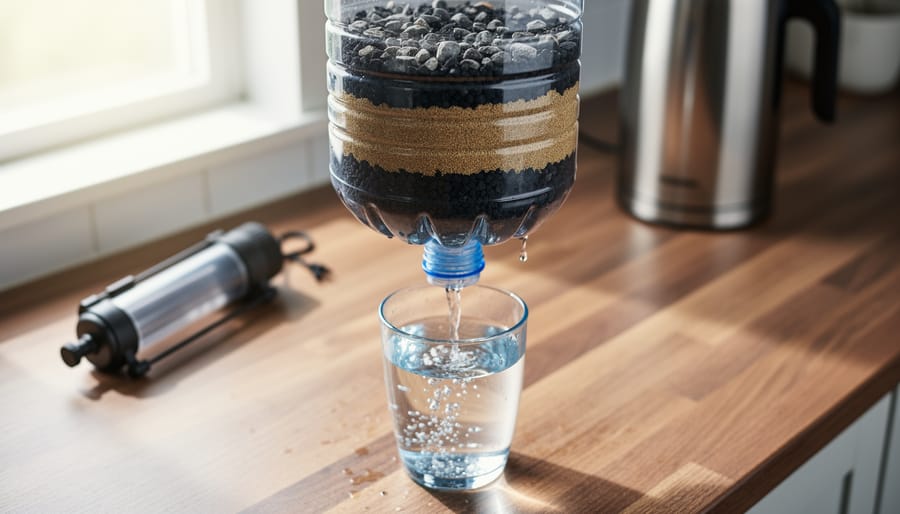
Yes, charcoal can filter water effectively by trapping contaminants through a process called adsorption, where impurities stick to the porous surface of activated charcoal. This natural filtration method has been used for centuries and remains one of the most reliable emergency water purification techniques available to homeowners today.
Activated charcoal removes chlorine, sediment, volatile organic compounds, and unpleasant tastes and odors from drinking water. The key difference between regular charcoal and activated charcoal lies in the activation process, which creates millions of tiny pores that dramatically increase the surface area available for trapping particles. You can create a basic DIY charcoal filter using hardwood charcoal, clean sand, gravel, and a container with drainage holes.
Understanding how charcoal filtration works empowers you to make informed decisions about water safety during emergencies or when camping. While commercial filters offer convenience and consistent results, knowing how to build your own charcoal filtration system provides peace of mind and self-sufficiency. This guide walks you through everything from selecting the right type of charcoal to assembling a functional filter system, plus explores effective alternatives when charcoal isn’t available. Whether you’re preparing for unexpected situations or simply exploring cost-effective filtration options, mastering this essential skill adds valuable versatility to your home preparedness toolkit.
Can You Actually Filter Water With Charcoal? The Short Answer
Yes, you can filter water with charcoal, but it’s important to understand exactly what it does and doesn’t do. Charcoal, particularly activated charcoal, works like a sponge at the microscopic level. It’s incredibly effective at absorbing chemicals, chlorine, and other contaminants that affect your water’s taste and smell. This is why you’ll find it in many commercial water filters and why it’s a popular choice for DIY filtration projects.
However, here’s the catch: charcoal alone won’t remove bacteria, viruses, or parasites from your water. It also struggles with sediment and heavy particles unless combined with other filtration layers. Think of charcoal as the specialist that handles chemical cleanup and odor removal, but not the all-in-one solution for making water completely safe to drink.
For everyday use, charcoal works great for improving tap water that’s already treated by your municipal system. But if you’re dealing with questionable water sources during emergencies or outdoor adventures, you’ll need additional filtration methods or purification steps to ensure safety.
This is exactly why exploring alternatives to charcoal matters. Understanding multiple filtration options gives you flexibility for different situations, whether you’re setting up an emergency preparedness kit, creating a cost-effective home filtration system, or tackling a weekend DIY project. Let’s dive into what other methods can complement or replace charcoal in your water filtration setup.
Why You Might Want to Skip Charcoal in Your DIY Water Filter
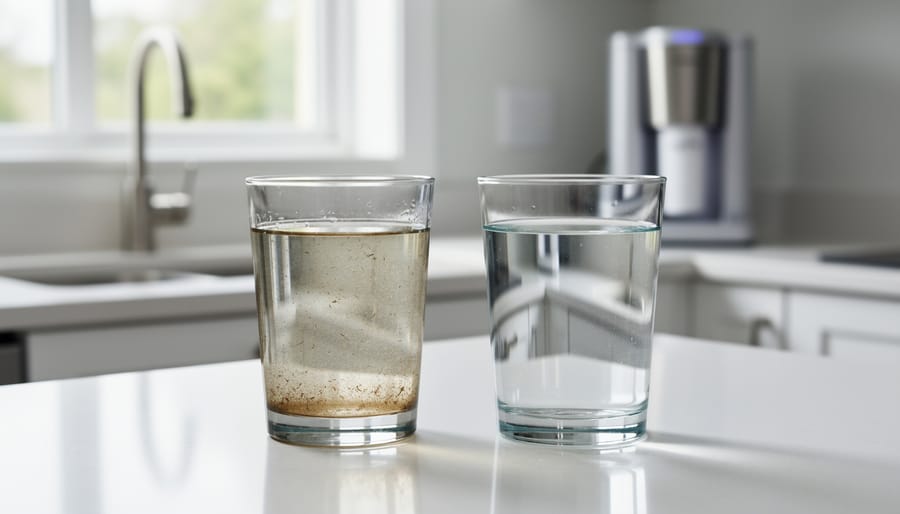
While charcoal can be effective for water filtration, it’s not always the best choice for your DIY project. Let’s talk about some practical reasons you might want to explore other options.
First, there’s the availability challenge. Finding the right type of charcoal isn’t as simple as grabbing what’s left over from your last barbecue. You’ll need activated charcoal specifically, which requires a trip to specialty stores or waiting for online orders. Regular grilling charcoal won’t cut it and could actually introduce harmful chemicals into your water.
The preparation process can get surprisingly messy. If you’re working with charcoal chunks, you’ll need to crush them into smaller pieces, creating black dust that seems to find its way onto every surface. It stains hands, countertops, and anything else it touches. For homeowners concerned about keeping their spaces clean, this can be a real dealbreaker.
Cost is another factor worth considering. Quality activated charcoal isn’t exactly budget-friendly, especially if you’re building multiple filters or replacing materials frequently. When you’re working on a DIY project, finding cost-effective solutions matters.
Here’s the thing many people don’t realize upfront: charcoal has limitations. It excels at removing certain contaminants like chlorine and some organic compounds, but it won’t filter out bacteria, viruses, or heavy metals effectively. You’re essentially getting partial protection, which might give you a false sense of security.
Maintenance can become tedious too. Charcoal filters need regular replacement since they become saturated with contaminants over time. Without proper monitoring, you won’t know when filtration effectiveness drops off. For busy homeowners juggling multiple responsibilities, this ongoing upkeep might not fit your lifestyle.
The Science Behind Water Filtration (Without the Jargon)
Water filtration might sound complicated, but it’s actually a straightforward process that relies on three simple principles working together.
Think of filtration like a series of gatekeepers, each one catching different unwanted guests. The first gatekeeper is physical barriers – materials with tiny spaces that trap particles too big to squeeze through. When water passes through charcoal or sand, larger contaminants like dirt, sediment, and rust particles get stuck while water molecules slip right past.
The second principle is mechanical filtration, which works like a maze. As water winds through layers of filtering material, particles bump into surfaces and stick there. The longer the path and the more twists and turns, the more chances contaminants have to get trapped along the way.
Finally, there’s layering – using multiple materials with different sized pores. Picture a coffee filter stacked on top of a kitchen strainer. Each layer catches progressively smaller particles that the previous layer missed. That’s why effective DIY filters often combine materials like gravel, sand, and activated charcoal in sequence.
Here’s the key takeaway: good filtration isn’t about one magic material. It’s about creating enough barriers and pathways to catch contaminants while allowing clean water to flow through. This is why even simple homemade filters can be surprisingly effective when you stack the right materials in the right order.
Build Your Own Water Filter: Non-Charcoal Methods That Actually Work
The Sand and Gravel Layering Method
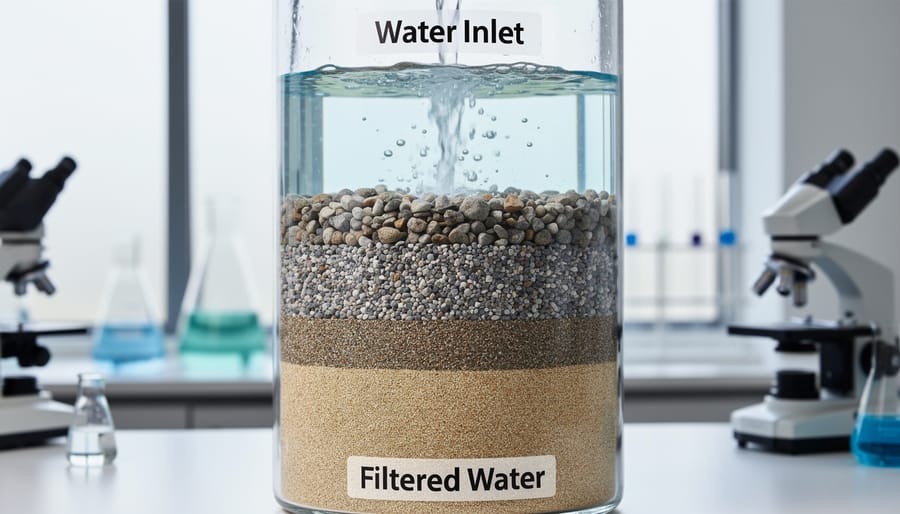
Building a sand and gravel filter is one of the most reliable DIY water filter methods for removing sediment and larger particles from water. This multi-stage filtration system works by trapping debris as water passes through increasingly fine layers.
Start by sourcing your materials. You’ll need clean pebbles (about 1-2 inches in diameter), coarse gravel (half-inch pieces), fine gravel (quarter-inch), and sand. If you’re gathering materials outdoors, rinse everything thoroughly to remove dirt and organic matter. For best results, boil the sand and gravel for 10 minutes to sterilize them.
You’ll need a container with a small hole drilled in the bottom. A plastic bottle works perfectly for smaller quantities, while a 5-gallon bucket handles larger volumes. Place a coffee filter or clean cloth over the drainage hole to prevent material from escaping.
Layer your materials from bottom to top in this order: Start with 2-3 inches of pebbles, followed by 2 inches of coarse gravel, 2 inches of fine gravel, and finally 3-4 inches of sand on top. This arrangement creates a natural filtration pathway where larger particles get trapped in upper layers while smaller contaminants filter through progressively finer materials.
When you pour water through, it should flow steadily but not rush. If drainage is too slow, you may have packed the layers too tightly. This setup effectively removes sediment, dirt, and visible particles, making cloudy water noticeably clearer. However, remember this method doesn’t eliminate bacteria or chemical contaminants, so additional purification steps are necessary for drinking water.
Ceramic Filtration: A Low-Tech, High-Impact Solution
Ceramic filtration offers an elegant, low-tech solution that’s been trusted for centuries. The secret lies in the tiny pores within ceramic materials, which naturally trap contaminants while allowing clean water to pass through. Think of it as nature’s microscopic strainer, working silently and effectively without electricity or complex maintenance.
The most accessible ceramic option for DIYers is unglazed terracotta pots, the same ones you’d find at any garden center. These pots typically have pore sizes ranging from 1 to 10 microns, small enough to remove sediment, bacteria, and larger pathogens. For even finer filtration, ceramic candle filters feature pore sizes as tiny as 0.2 microns, catching nearly all harmful microorganisms.
Here’s how to create your own ceramic filter system: Start with a clean, unglazed terracotta pot and a food-grade bucket. Place the pot upside down in the bucket, ensuring it sits securely. Pour untreated water into the pot, and gravity does the rest, slowly drawing water through the ceramic walls into the collection bucket below. The process takes several hours, but patience rewards you with significantly cleaner water.
For enhanced filtration, combine ceramic with activated charcoal. Simply place charcoal pieces inside the terracotta pot before adding water. This dual-layer approach tackles both physical particles and chemical contaminants, giving you comprehensive protection. Clean your ceramic filter weekly by gently scrubbing the surface with a soft brush under running water to prevent pore clogging and maintain optimal flow rates.
Cotton and Fabric Pre-Filtration Systems
Before water reaches your charcoal layer, pre-filtering removes larger particles that could clog your system. Think of it as a bouncer for your filtration setup, keeping the big stuff out so your charcoal can focus on finer contaminants.
Coffee filters make excellent pre-filters for DIY projects. Simply layer two or three filters in a funnel or strainer, securing them with rubber bands. They’ll catch sediment, debris, and larger particles while allowing water to flow through steadily.
Cotton materials work beautifully too. Clean bandanas, cheesecloth, or even cut-up t-shirts (washed thoroughly first) create effective barriers. Fold the fabric into multiple layers for better filtration. The tighter the weave, the more particles you’ll trap.
For a multi-stage approach, stack your materials strategically. Start with a loosely-woven fabric like cheesecloth to catch large debris, followed by tightly-woven cotton, then a coffee filter as your final pre-filtration stage before the charcoal layer.
Here’s a quick setup tip: secure each layer separately rather than bundling them together. This makes cleaning and replacing individual layers easier, extending your entire system’s lifespan. Replace fabric layers when they become visibly dirty or water flow slows significantly, typically every few uses depending on water quality.
The UV and Sunlight Method (SODIS)
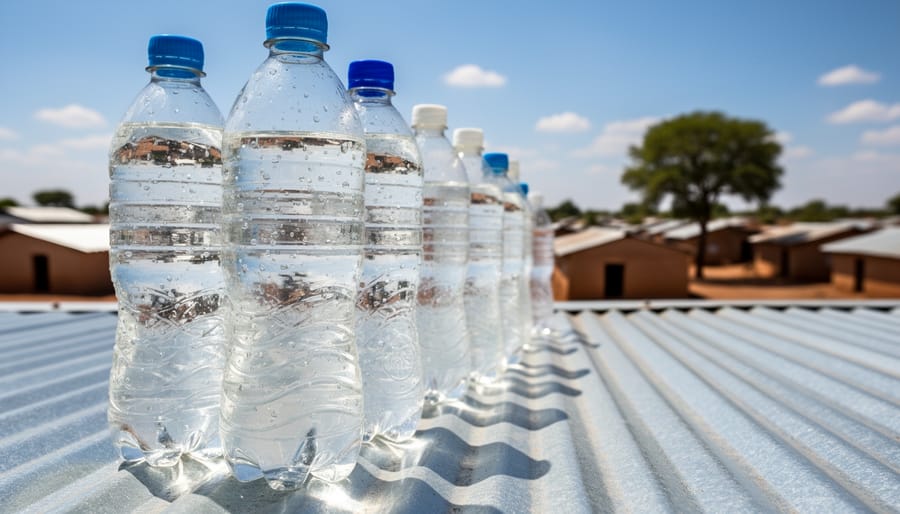
Solar water disinfection, or SODIS, offers a no-cost purification method when you’re without traditional filters. Here’s how it works: fill clear plastic or glass bottles with water and place them in direct sunlight for at least six hours on sunny days, or two consecutive days if it’s cloudy. The UV rays naturally kill bacteria, viruses, and parasites that cause waterborne illnesses.
For best results, use transparent bottles smaller than two liters, and remove any labels that might block sunlight. Place bottles on a reflective surface like corrugated metal roofing to maximize UV exposure. The water should be relatively clear before starting, as murky water blocks UV penetration. If your water is cloudy, pre-filter it through cloth or let sediment settle first.
Keep in mind that SODIS doesn’t remove chemical contaminants or improve taste. It’s most effective in tropical and subtropical regions with strong sunlight, and works best as an emergency backup rather than your primary water treatment method. This technique pairs well with other DIY filtration approaches for comprehensive water safety.
What These Methods Can and Can’t Remove
Let’s be honest about what non-charcoal filtration methods can actually accomplish in your DIY water filter. Understanding these capabilities helps you choose the right approach for your specific situation.
These alternative methods excel at removing visible contaminants. Sand, gravel, and cloth filters work wonderfully for sediment, dirt, rust particles, and debris. They’re particularly effective at clarifying cloudy water and removing larger particulates that make water look uninviting. You’ll notice immediate visual improvement, which is why these methods have been trusted for centuries.
Boiling stands out as your go-to for biological threats, eliminating bacteria, parasites, and most viruses through heat. It’s reliable, proven, and requires no special materials beyond a heat source.
However, here’s where limitations become important. Non-charcoal methods generally struggle with dissolved chemicals, heavy metals like lead or mercury, and certain pesticides. They won’t remove chlorine taste, pharmaceutical residues, or volatile organic compounds. While sand and gravel create physical barriers, they can’t trap microscopic chemical molecules.
Viruses present another challenge. These tiny organisms often pass through sand and cloth filters, though boiling effectively neutralizes them. Bacteria removal varies—tight-weave cloth catches some, but you shouldn’t rely on it alone for contaminated water.
For comprehensive purification, combining methods works best. Use sand filtration for sediment, follow with boiling for pathogens, and if you need chemical removal, that’s where charcoal becomes invaluable. Think of each method as one layer in your water safety strategy rather than a complete solution.
When You Should Still Consider Charcoal (Or Professional Systems)
While a DIY charcoal water filter works great for emergencies, there are times when you’ll want something more robust. If you’re dealing with heavily contaminated water sources or live in an area with known agricultural runoff, professional filtration systems offer multi-stage protection that simple charcoal can’t match. These systems typically combine activated carbon with reverse osmosis and UV sterilization to remove chemicals, heavy metals, and microorganisms.
For permanent home solutions, investing in a whole-house filtration system makes sense financially and practically. You’ll get consistent water quality throughout your home without the hassle of maintaining DIY filters. Commercial systems also come with certifications from organizations like NSF International, giving you verified performance data.
Keep charcoal filtration methods in your emergency preparedness toolkit, but don’t rely on them as your primary water source if you have concerns about pesticides, pharmaceuticals, or industrial contaminants. When your family’s health is at stake, professionally tested and certified systems provide peace of mind that DIY solutions simply can’t guarantee.
Maintenance Tips to Keep Your DIY Filter Working
Keeping your DIY charcoal filter in top shape ensures clean, safe water when you need it most. Replace your charcoal every 1-2 months with regular use, or sooner if you notice any strange tastes or odors. The sand and gravel layers should be rinsed and replaced every 3-4 months to prevent bacterial buildup.
Watch for warning signs that your filter needs attention: cloudy water coming through, slow filtration speed, or an unpleasant smell. These indicate it’s time for fresh materials. Always inspect your charcoal before use and discard any pieces that look moldy or feel damp.
Between uses, let your filter dry completely to prevent mold growth. Store components in a cool, dry place away from contaminants. For active filters, run fresh water through once daily to keep materials clean.
Here’s the reality check: DIY filters aren’t perfect. Always test your filtered water or boil it as an extra precaution, especially during emergencies. If you’re filtering water regularly or for long-term use, consider upgrading to a certified commercial filter for guaranteed safety. Your DIY system works great for occasional needs and learning experiences, but knowing its limitations keeps your household protected.
So, can you filter water with charcoal? Absolutely! It’s an effective, time-tested method for removing impurities and improving taste. However, it’s far from your only option. Whether you choose charcoal, sand, fabric, or ceramic filtration depends entirely on your water source and what you’re trying to achieve. Understanding what contaminants you’re dealing with makes all the difference in selecting the right approach.
The beauty of DIY water filtration is its accessibility. You don’t need specialized equipment or expensive materials to start improving your water quality. Begin with simple methods like boiling or fabric filtering, then progress to more advanced techniques as you gain confidence. These projects fit perfectly alongside other beginner DIY projects around your home.
Remember, while DIY filtration works well for basic purification, always test questionable water sources and consider professional filtration systems for daily drinking water. Start experimenting today with whatever materials you have available!