Real LED Strip Lighting Costs: What Homeowners Actually Pay in 2024
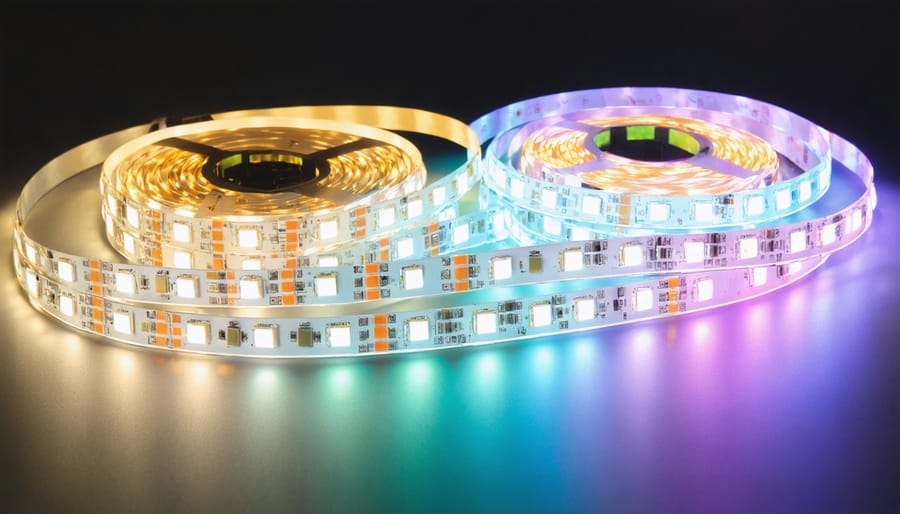
Transform your space with modern lighting solutions like LED strip lighting for $2-$30 per foot installed, depending on quality and complexity. Professional installation typically ranges from $200-$500 for a standard room, while DIY installations can cost as little as $50 for basic materials. Smart LED strips with advanced features like color-changing capabilities and smartphone control add 30-50% to base costs but deliver unprecedented customization options. Calculate your project budget by measuring installation areas, factoring in power supplies ($15-$40 each), connectors ($5-$15), and optional controllers ($20-$100) – plus professional labor at $50-$100 per hour if you’re not comfortable with basic electrical work. Whether illuminating kitchen cabinets, creating accent lighting, or designing whole-room ambiance, LED strip lighting offers an efficient, customizable solution that balances cost with dramatic impact.
Average Cost Breakdown for LED Strip Lighting
Material Costs
LED strip lighting costs vary depending on quality and features. Basic non-waterproof LED strips typically range from $10 to $30 for a 16.4-foot roll, while premium waterproof options can cost $30 to $60 for the same length. Smart LED strips with Wi-Fi connectivity and color-changing capabilities usually run between $40 and $100 per roll.
Essential components like power supplies cost $10 to $25 for basic models, while high-quality transformers suitable for larger installations range from $25 to $50. LED controllers, which allow you to adjust brightness and colors, typically cost $15 to $40 for standard RF remote versions, while smart controllers compatible with home automation systems range from $30 to $70.
For a complete setup covering 50 feet of space, expect to spend:
– Basic single-color setup: $50-$100
– RGB color-changing system: $100-$200
– Smart LED system with Wi-Fi: $150-$300
Additional accessories like mounting clips, connectors, and extension cables typically add $20-$40 to your total material costs. When planning your budget, always include a 10% buffer for unexpected needs or additional components.

Professional Installation Costs
Professional installation costs for LED strip lighting typically range from $200 to $500 for a standard room, with larger or more complex projects running up to $1,000 or more. Labor rates usually fall between $50 and $100 per hour, with most installations taking 2-4 hours to complete.
Several factors influence the final installation price. The complexity of your lighting design, such as multiple zones or custom patterns, can increase labor time. The height of your ceilings and accessibility of power sources also impact costs. If new electrical work is needed, expect to pay an additional $100-$300 for wiring and outlet installation.
Location plays a role too – urban areas generally command higher rates than rural locations. Some installers charge flat rates for standard installations, while others price by the linear foot, typically $10-$15 per foot including materials and labor.
For the best value, request quotes from multiple licensed electricians, and be sure to discuss your specific requirements, such as smart home integration or custom control systems, as these features may affect the final cost.
DIY vs Professional Installation
DIY Installation Steps and Costs
For a successful DIY LED strip installation, follow these straightforward steps:
1. Measure and plan your installation area ($0)
2. Clean the surface thoroughly with rubbing alcohol ($3)
3. Purchase LED strips and power supply ($30-100)
4. Cut strips to size at marked cutting points ($0)
5. Test strips before mounting ($0)
6. Remove adhesive backing and carefully apply strips ($0)
7. Connect to power supply and controller ($15-40)
Additional materials needed:
– Mounting clips or channels ($10-20)
– Wire extensions if needed ($5-15)
– Connectors for corners ($8-12)
– Basic tools like scissors and measuring tape ($0 if owned)
Total DIY costs typically range from $60-190, depending on strip quality and length needed. Most homeowners complete the installation in 2-3 hours. Remember to purchase extra connectors and clips for secure mounting, especially in areas with high moisture or temperature fluctuations.
When to Hire a Professional
While LED strip lighting installation can be a DIY project, there are several situations where hiring a professional is the smarter choice. Consider professional help if you’re planning a complex installation involving multiple rooms or high ceilings, or if your project requires special mounting solutions or custom cutting and connections.
Professional installation is particularly important when working with advanced smart lighting systems that need integration with home automation platforms. If your project involves hardwiring LED strips into your home’s electrical system or requires installing a new power supply, it’s best to work with a licensed electrician to ensure safety and code compliance.
You should also seek professional help if your installation requires precise voltage calculations, dimming system compatibility checks, or weatherproofing for outdoor applications. This is especially true for commercial spaces where lighting must meet specific safety regulations and building codes.
Additionally, if you’re not comfortable working with electrical components or lack experience with LED technology, professional installation can save you time and prevent costly mistakes that might damage your lighting system or compromise safety.
Cost-Affecting Factors
Length and Location
The length of your LED strip lighting project significantly impacts the total installation cost. A typical 16.4-foot roll of LED strips costs between $15 and $45, while premium options can reach $100 per roll. For larger spaces like living rooms or open-plan areas, you might need multiple rolls, increasing your material costs accordingly.
Location also plays a crucial role in pricing. Installing LED strips in easily accessible areas like under kitchen cabinets or along baseboards typically costs less than complex installations in high ceilings or outdoor spaces. Hard-to-reach locations may require additional equipment or professional assistance, potentially doubling your installation costs.
Consider the installation environment too. Outdoor installations need weather-resistant strips and specialized mounting hardware, which can increase costs by 30-50% compared to indoor installations. Similarly, areas with high moisture, like bathrooms or covered patios, require water-resistant LED strips and proper sealing, adding to the overall expense.
Strip Quality and Features
LED strip lighting quality varies significantly, impacting both price and functionality. Basic strips typically cost $5-15 per 16 feet, offering simple single-color illumination and minimal features. Mid-range options ($15-30 per 16 feet) include RGB color-changing capabilities and basic remote controls. Premium strips ($30-60 per 16 feet) deliver superior brightness, color accuracy, and advanced smart lighting design features like smartphone control and voice activation.
Higher-quality strips also offer better durability with waterproofing options, stronger adhesive backing, and longer lifespans. Premium models typically include cut marks every few inches for precise installation and feature higher LED density for smoother, more consistent lighting. While budget strips might suffice for simple accent lighting, investing in quality strips makes sense for prominent areas or when seeking advanced automation capabilities.

Additional Components
Beyond the LED strips themselves, you’ll need several additional components to complete your installation. A power supply (LED driver) is essential and typically costs $10-30, depending on the length of your strips. You’ll also need connectors ($5-15) to join multiple strips or create corners, and mounting clips or channels ($8-20) to secure the strips firmly in place.
Don’t forget a controller ($15-40) for adjusting brightness and colors if you’re installing RGB strips. For a cleaner look, consider aluminum channels with diffuser covers ($20-40 per 6.5ft section) which protect the strips and create professional-looking results. Wire extensions ($5-15) and adhesive backing ($5-10) might also be necessary depending on your installation plan.
Remember to include a compatible dimmer switch ($20-30) if you want adjustable lighting levels, and electrical tape or heat shrink tubing ($5-10) for weatherproofing connections in damp locations.
Money-Saving Tips
Looking to save money on your LED strip lighting installation? Here are some smart strategies that won’t compromise on quality. Start by carefully measuring your space and buying only the length you need – many retailers offer custom-cut options to prevent waste. Consider purchasing your LED strips during seasonal sales or in bulk if you’re planning multiple room installations.
DIY installation can significantly reduce costs, especially for straightforward projects. Just ensure you have basic tools like scissors, a measuring tape, and a clean cloth for surface preparation. If you’re comfortable with simple electrical work, you can save by installing the power supply and controllers yourself.
Choose LED strips with built-in adhesive backing rather than separate mounting brackets when possible. For areas requiring additional support, use affordable cable clips instead of expensive mounting channels. Consider smart controllers that allow zone control – this helps reduce energy costs by illuminating only the areas you need.
Look for multi-function LED strips that can serve different purposes, like combining task and accent lighting. This eliminates the need for multiple lighting solutions. When selecting power supplies, opt for ones with slightly higher capacity than needed – they’ll run more efficiently and last longer, saving money in the long run.
Don’t forget to check if your local utility company offers rebates for LED lighting installations. Many provide incentives for energy-efficient upgrades. Finally, invest in quality connectors and check all connections before permanent installation – this prevents costly repairs and replacements down the line.
Installing LED strip lighting can be a cost-effective way to transform your space, with total costs typically ranging from $100 to $800 depending on your chosen approach. For DIY installations, you can keep expenses low by purchasing quality materials and following proper installation techniques. Professional installation, while more expensive, ensures optimal results and may be worth considering for complex projects or if you’re not confident in your DIY skills.
Remember that investing in higher-quality LED strips and proper power supplies often pays off in the long run through better durability, brightness, and energy efficiency. When planning your project, factor in not just the immediate installation costs but also the potential energy savings and increased property value these modern lighting solutions can bring.
For the best results, carefully measure your space, choose the right LED strip type for your needs, and ensure you have all necessary components before starting. Whether you opt for DIY or professional installation, LED strip lighting offers a versatile and modern lighting solution that can enhance any room while remaining budget-friendly when properly planned and executed.