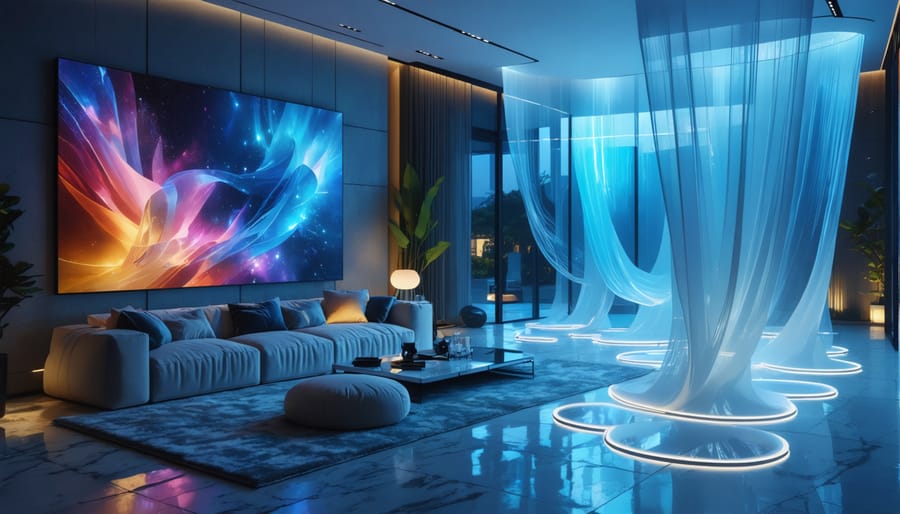
Smart Art Meets Style: Tech-Enhanced Decor That Transforms Your Space
Transform your living space into a digital gallery with tech-powered artwork that responds to movement, sound, and touch. Modern interactive art installations merge cutting-edge technology with aesthetic appeal, creating dynamic focal points that evolve throughout the day. LED-embedded canvases, motion-sensitive digital displays, and programmable light sculptures now define the intersection of art and innovation, offering homeowners unprecedented ways to personalize their environments. Whether you’re a tech enthusiast or design aficionado, these smart decorative elements deliver an immersive experience that traditional static artwork simply can’t match, while seamlessly integrating with smart home systems for a truly connected living space.
Digital Canvas: Interactive Wall Art That Lives and Breathes
LED Matrix Masterpieces
LED matrix displays have revolutionized the world of custom artisanal decor, offering endless possibilities for creating dynamic, interactive artwork. These versatile displays combine hundreds or thousands of programmable LEDs to create stunning visual effects that can transform any space into a living canvas.
Modern LED matrices come in various sizes and configurations, from small desktop pieces to large-scale wall installations. The beauty of these displays lies in their customization options – you can program them to show anything from abstract patterns and ambient color flows to pixel art and animated text. Many systems now come with user-friendly apps that make programming as simple as a few taps on your smartphone.
For DIY enthusiasts, affordable microcontroller boards like Arduino and Raspberry Pi have made creating custom LED art more accessible than ever. With basic coding knowledge and some patience, you can design your own light patterns, respond to music, or even create interactive installations that react to movement or touch.
Popular options include mountable panel systems that can be arranged in different configurations, and flexible LED strips that can be shaped into custom designs. Some advanced systems even offer voice control integration through smart home platforms, allowing you to change displays with simple voice commands.
When planning your LED matrix installation, consider factors like brightness levels, power consumption, and mounting options to ensure your piece perfectly complements your space while remaining practical and energy-efficient.
Digital Frame Collections
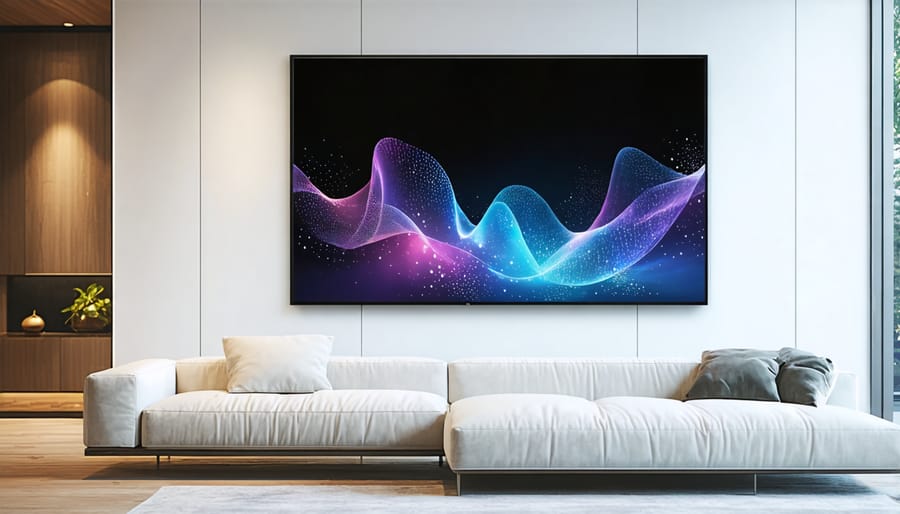
Digital frames have revolutionized how we display art at home, offering endless possibilities for rotating collections without the hassle of physical prints. Today’s smart frames feature stunning high-resolution displays that make digital artwork look remarkably like traditional prints, with anti-glare technology that ensures visibility from any angle.
Popular models like the Meural Canvas II and Netgear’s Frame TV allow you to access vast libraries of classic and contemporary artwork, letting you switch between Van Gogh’s Starry Night and modern digital art with a simple swipe or voice command. Many frames now include motion sensors that turn the display on when someone enters the room and off when they leave, saving energy while maintaining the element of surprise.
What makes these frames particularly appealing is their versatility. You can showcase your personal photos, create themed collections for different seasons, or subscribe to curated art channels that refresh your display automatically. Some frames even support NFT art display, perfect for crypto art collectors.
For commercial spaces, digital frame collections can create dynamic environments that change throughout the day. Imagine a hotel lobby displaying local artists in the morning, switching to calming nature scenes in the evening, and featuring event information when needed. Most frames now offer scheduling features, allowing you to program content changes based on time, day, or special occasions.
Illuminated Artistry: Smart Lighting as Decor
Sculptural Light Fixtures
Modern sculptural light fixtures are revolutionizing the way we think about illumination and art. These stunning pieces combine cutting-edge LED technology with artistic design, creating focal points that transform spaces even when powered off. Smart-enabled fixtures can shift colors, respond to music, or adjust brightness based on the time of day, bringing dynamic energy to any room.
Popular designs include geometric pendants that cast intricate shadow patterns, floating orbs that seem to defy gravity, and wall-mounted pieces that create ethereal light sculptures. Many feature app control capabilities, allowing you to program custom lighting scenes or sync multiple fixtures for coordinated displays.
For example, the acclaimed “Nanoleaf Lines” create minimalist light bars that can be arranged in endless configurations, while the “Artemide Asteroid” series resembles floating constellations. These fixtures often incorporate motion sensors and voice control compatibility, seamlessly blending into smart home ecosystems.
Installation typically requires professional expertise, especially for complex pieces with multiple connection points or special mounting needs. However, the investment pays off in both functionality and artistic impact, making sculptural light fixtures an increasingly popular choice for tech-savvy homeowners and designers seeking statement pieces that do more than just illuminate.
Reactive Light Installations
Light installations that respond to movement and sound have revolutionized the way we experience art in our living spaces. These dynamic pieces transform ordinary rooms into interactive environments, creating an engaging atmosphere that changes with your presence. From simple LED panels that pulse with music to sophisticated motion-tracking displays, reactive lighting adds an element of magic to any interior.
Modern reactive installations often incorporate sensors that detect movement, sound levels, and even temperature changes. These eco-friendly smart installations use energy-efficient LED technology, making them both environmentally conscious and cost-effective for long-term use.
Popular options include wall-mounted light panels that create rippling patterns as you walk by, ceiling installations that respond to conversation and music, and interactive floor displays that illuminate with each step. For home users, many manufacturers now offer plug-and-play solutions that don’t require complex wiring or professional installation.
DIY enthusiasts can create their own reactive light art using Arduino or Raspberry Pi controllers, LED strips, and basic motion sensors. With some basic coding knowledge and readily available components, you can customize your own installation to match your space’s unique aesthetic and functional needs.

Kinetic Sculptures: Where Movement Meets Technology
App-Controlled Art
Imagine controlling a mesmerizing art piece with just a tap on your smartphone. App-controlled kinetic installations are bringing this sci-fi concept into reality, offering a perfect blend of technology and aesthetics. These interactive pieces respond to your commands through dedicated mobile apps, allowing you to change colors, patterns, and movement sequences at will.
Popular options include LED wall panels that create rippling light shows, motorized sculptures that dance to your chosen choreography, and dynamic canvas displays that shift between different artwork styles. Many systems even integrate with smart home platforms, letting you schedule displays or sync them with music and ambient lighting.
For commercial spaces, these installations serve as attention-grabbing focal points that visitors can interact with through their own devices. In homes, they offer personalized ambiance control that adapts to different moods and occasions. While professional systems can be investment-heavy, more affordable consumer versions are emerging, making this technology increasingly accessible to art enthusiasts.
The best part? Most apps are user-friendly, requiring no technical expertise to create stunning visual effects. Some even offer community features where users can share and download new patterns and sequences.
Environmental Response Pieces
Environmental response pieces bring a dynamic element to tech artwork by creating an ever-changing display based on natural conditions. These innovative sculptures use sensors to detect changes in temperature, humidity, wind patterns, and light levels, transforming these inputs into mesmerizing artistic responses.
Popular examples include wind-activated LED installations that change color intensity based on breeze strength, and moisture-sensitive sculptures that alter their appearance during rainfall. Some pieces incorporate shape-memory alloys that physically transform with temperature changes, while others use solar-powered mechanisms to create motion when sunlight hits them.
For indoor spaces, these pieces often respond to room conditions, such as thermochromic materials that change color with heat, or interactive walls that ripple in response to air currents from passing viewers. Many installations also include real-time data visualization elements, displaying environmental information through artistic interpretation.
These environmental response pieces not only serve as conversation starters but also help raise awareness about our changing environment, making them both beautiful and purposeful additions to any space.
DIY Tech Art Projects
Beginner-Friendly LED Projects
LED projects offer an exciting entry point into tech-based art, combining creativity with basic electronics. Whether you’re new to upcycled art projects or just starting with electronics, these beginner-friendly ideas will help you create stunning illuminated displays.
Start with a simple LED canvas project using battery-powered fairy lights. Simply pierce small holes in a painted canvas, thread the lights through from behind, and secure them with tape. This creates a twinkling constellation effect perfect for bedrooms or living spaces.
Another easy project involves creating illuminated mason jar lanterns. Place a string of battery-operated LED lights inside clean mason jars, then add decorative elements like frosted glass paint or metallic accents. These make beautiful centerpieces or outdoor lighting options.
For those ready to try something more interactive, consider making an LED sound reactive display. Using an Arduino starter kit, basic LED strips, and a microphone module, you can create art that pulses with music. While this requires basic wiring knowledge, many online tutorials break down the process into manageable steps.
LED shadow boxes offer another creative outlet. Frame your favorite photos or artwork behind a semi-transparent material, then add LED strip lighting around the frame’s interior. This creates a gentle backlight that makes your pieces pop, especially in low-light conditions.
Remember to always work with low-voltage LED options for safety, and start with battery-powered projects before moving to plug-in versions. These projects can be completed in an afternoon and offer a perfect introduction to tech-integrated artwork.
Smart Mirror Creation
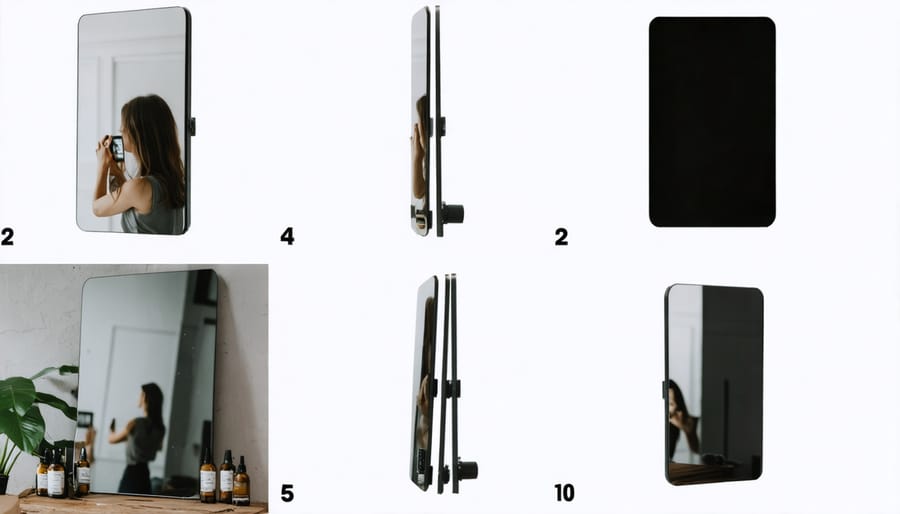
Creating a smart mirror is an exciting DIY project that combines modern technology with classic home decor. To get started, you’ll need a two-way mirror or mirror film, a thin LCD monitor, a wooden frame, and a Raspberry Pi microcomputer. Begin by building a shallow wooden frame that can house both the monitor and the Raspberry Pi while maintaining a slim profile.
Apply the two-way mirror film to a piece of clear acrylic if you’re using film instead of a proper two-way mirror. This creates the reflective surface while allowing the display to shine through. Next, carefully disassemble the LCD monitor, removing its outer casing but keeping the display panel and control board intact.
Mount the LCD panel behind the mirror, ensuring it’s centered and secure. Connect the Raspberry Pi to the monitor using an HDMI cable, and install the necessary smart mirror software (such as MagicMirror²) on the Pi. This software will help you display customizable widgets like weather updates, calendar events, and news headlines.
Wire everything together, making sure to include proper ventilation to prevent overheating. The Raspberry Pi should be easily accessible for future updates or maintenance. Once assembled, mount your smart mirror securely on the wall, ensuring all cables are neatly hidden.
Customize your display by adding modules that suit your needs – from voice control capabilities to motion sensors that activate the display only when someone approaches. The final result is a sophisticated piece of tech artwork that seamlessly blends functionality with style, creating an interactive focal point in any room.
As we look toward the future of interior design, tech artwork continues to revolutionize how we think about and interact with our living spaces. The fusion of technology and art has created endless possibilities for personalization and functionality, transforming static walls into dynamic canvases that respond to our presence, preferences, and daily routines.
The impact of tech-enhanced decor extends beyond mere aesthetics. These innovative pieces are reshaping our relationship with our environments, creating more engaging, interactive spaces that adapt to our needs while expressing our individual style. From smart LED installations that sync with our music to digital frames that rotate curated art collections, technology has made art more accessible and customizable than ever before.
Looking ahead, we can expect to see even more exciting developments in this field. Augmented reality artwork, holographic displays, and AI-generated pieces are already emerging as the next frontier of tech-enhanced decor. These innovations promise to make our spaces more immersive and responsive while becoming more energy-efficient and environmentally conscious.
The democratization of technology continues to bring these possibilities within reach of more homeowners and businesses. As prices decrease and user-friendly options increase, we’ll likely see tech artwork become a standard feature in modern interior design rather than a luxury addition.
Whether you’re a tech enthusiast or simply looking to add a contemporary touch to your space, tech artwork offers an exciting way to merge creativity with innovation. As this field evolves, it will continue to push the boundaries of what’s possible in home decor, making our living spaces more dynamic, personal, and connected than ever before.