Linen Furniture: A Pet Owner’s Complete Truth About Durability
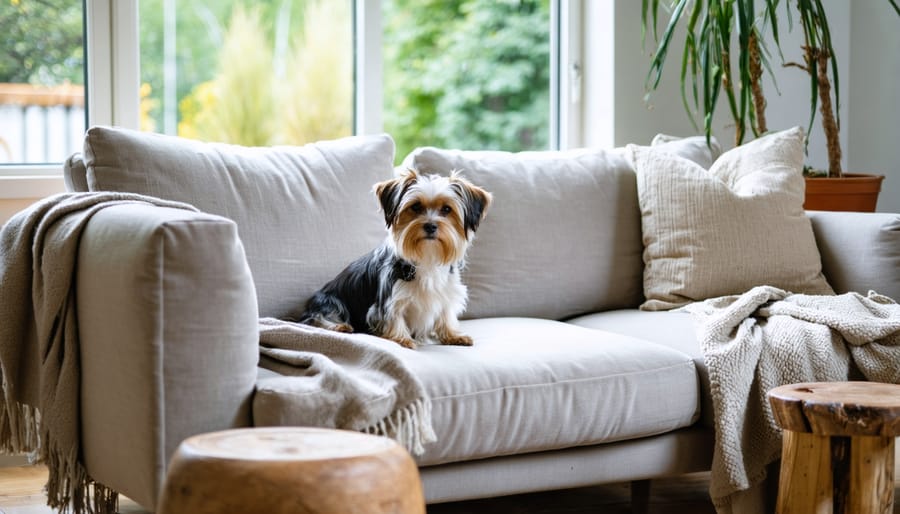
Linen ranks among the most durable pet-proof fabrics, offering natural resistance to claw marks and exceptional durability for homes with furry companions. This natural fiber actually becomes stronger when wet, making it ideal for households dealing with occasional pet accidents or drool. Pet hair brushes off linen’s smooth surface more easily than it does from synthetic materials, while the fabric’s tight weave helps prevent claws from snagging or creating permanent damage. Despite these advantages, linen’s textured surface can trap some pet dander, requiring regular vacuuming to maintain its pristine condition. For pet owners seeking a balance between style and practicality, linen delivers a sophisticated aesthetic while standing up to the daily challenges of pet ownership. Choose medium to dark-colored linen or treated varieties specifically designed for pet households to maximize its pet-friendly benefits.
The Real Deal: How Linen Holds Up Against Pets
Durability Against Claws and Scratches
When it comes to pet scratching, linen shows moderate durability but isn’t completely scratch-proof. The natural fiber’s tight weave provides some resistance against casual pet contact, but determined scratching from cats or dogs can potentially damage the fabric. However, linen’s unique structure means that even when scratched, it tends to maintain its overall integrity better than some synthetic materials.
The good news is that linen’s durability actually improves with age. As the fabric softens and settles, it becomes more resilient to daily wear and tear, including light scratching from pets. That said, it’s important to be realistic about your pet’s behavior. If you have a cat that regularly uses furniture as a scratching post, or a dog that loves to dig and scratch at surfaces, you might want to consider additional protective measures.
To protect your linen furniture from pet scratches, consider using throw blankets on favorite pet spots, providing alternative scratching surfaces for cats, and keeping pets’ nails trimmed regularly. Some pet owners also successfully use deterrent sprays or double-sided tape to discourage scratching behavior while their pets learn to leave the linen alone.
Stain and Odor Resistance
When it comes to pet accidents and odors, linen proves to be a surprisingly resilient fabric. Its natural fibers are less likely to trap and hold onto odors compared to synthetic materials, making it easier to keep your home fresh even with furry friends around. The tight weave of quality linen helps prevent pet hair and dander from becoming deeply embedded in the fabric.
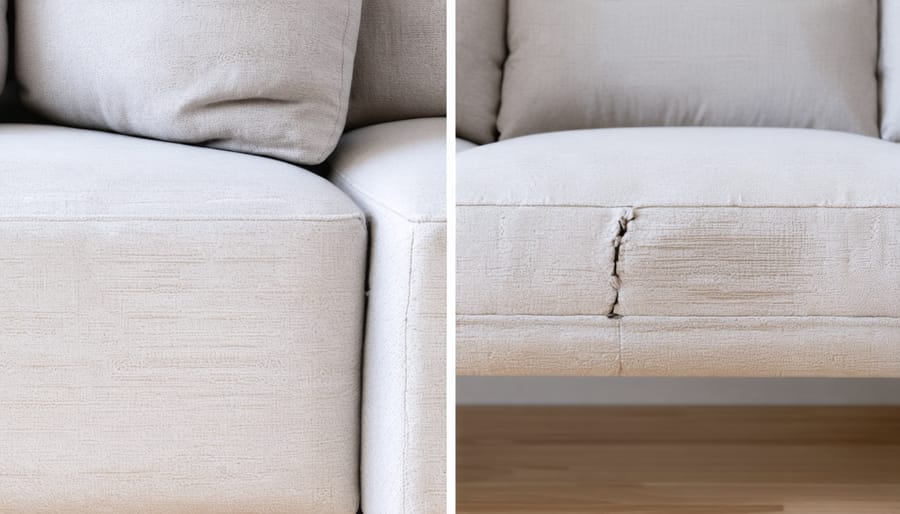
While linen isn’t completely stain-proof, it does have natural stain-resistant properties. When treated promptly, most pet accidents can be cleaned effectively without leaving lasting marks. The fabric’s moisture-wicking abilities help prevent liquids from immediately soaking through, giving you precious extra seconds to address spills before they set in.
For best results, treat stains immediately with a pet-friendly enzymatic cleaner. Regular vacuuming and occasional professional cleaning will help maintain linen’s fresh appearance. Consider applying a fabric protector specifically designed for natural fibers to enhance stain resistance, especially on frequently used pieces like sofas and chairs.
Remember that lighter-colored linen may show stains more readily than darker shades, so choose your color palette wisely if you have accident-prone pets.
The Pros of Linen for Pet Households
Natural Fiber Benefits
Linen’s natural fiber composition makes it an excellent choice for pet-friendly homes, especially for those with sensitive pets or family members with allergies. Unlike synthetic materials, linen is naturally hypoallergenic, which means it’s less likely to trigger allergic reactions in both humans and pets. The fiber’s structure doesn’t trap dust, pet dander, or other allergens as readily as synthetic materials do.
One of linen’s standout features is its exceptional breathability. The natural fibers create a loose weave that allows air to circulate freely, preventing moisture buildup and reducing the likelihood of bacterial growth. This property is particularly beneficial in areas where pets frequently rest or sleep, as it helps maintain a fresh, clean environment even with regular pet use.
Additionally, linen becomes softer and more comfortable with each wash while maintaining its structural integrity. This natural durability means it can withstand regular cleaning necessary in pet households without losing its appealing qualities. The material’s temperature-regulating properties also ensure your pets stay comfortable year-round, whether they’re lounging on linen upholstery or bedding.
Easy Maintenance Features
One of linen’s greatest advantages is its easy-care nature, making it an excellent choice for pet owners. The fabric naturally repels dirt and pet hair, which often brush away with a quick sweep of a lint roller or vacuum. Unlike some materials that trap odors, linen releases them easily during washing, helping maintain a fresh-smelling home even with pets around.
When accidents happen, linen responds well to immediate spot cleaning. For best results, use pet-safe cleaning solutions and blot the area rather than rubbing, which could spread the stain. Most linen items are machine washable, though always check the care label first.
To maintain linen’s durability, wash it in cool or lukewarm water and avoid harsh detergents. Air-drying is ideal, but if using a dryer, choose a low heat setting. Regular maintenance, like weekly vacuuming and prompt attention to spills or accidents, will help your linen items stay beautiful and fresh, even in homes with active pets.
Potential Drawbacks to Consider
While linen can be a beautiful and durable choice for pet-friendly homes, it’s important to consider some potential drawbacks before making your decision. One of the main concerns is that linen’s natural fibers can catch and hold pet hair more readily than some synthetic materials. The loose weave and textured surface can make regular cleaning more challenging, especially if you have pets that shed heavily.
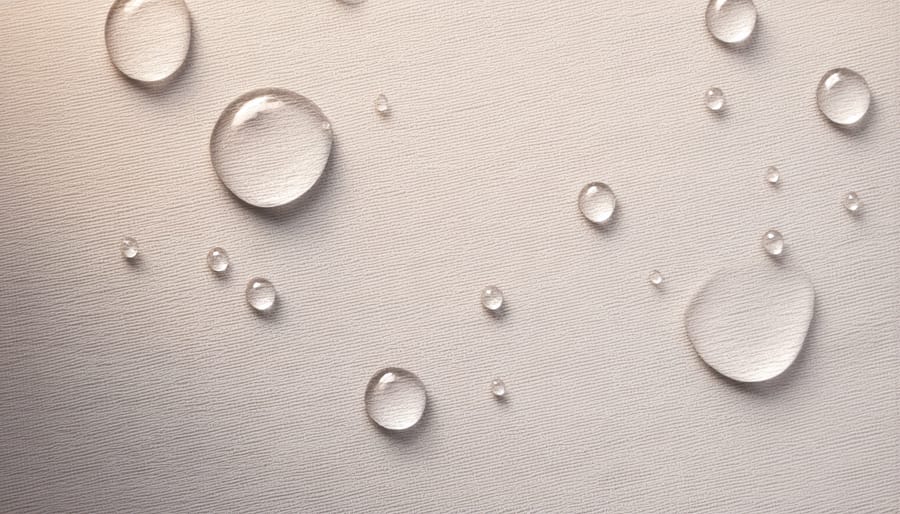
Another consideration is that linen’s characteristic wrinkles, while charming, can become more pronounced with pet activity. Your furry friends’ frequent jumping, nesting, and lounging can create permanent creases and indentations in linen upholstery or bedding. The fabric may also show wear patterns more quickly in areas where pets regularly rest.
Linen’s absorbent nature can be both a blessing and a curse with pets. While it effectively wicks away moisture, it can also retain pet odors if not cleaned promptly. Additionally, although linen is naturally resistant to pilling, persistent scratching from cats or dogs can potentially damage the fibers over time.
The light, natural colors typical of linen items can show pet stains more prominently than darker fabrics. If your pets have accidents or track in dirt, these marks may require immediate attention and specialized cleaning to prevent permanent staining.
Cost is another factor to consider, as quality linen tends to be more expensive than other pet-friendly fabrics. With the potential need for more frequent cleaning and possible replacement due to wear and tear, this initial investment should be carefully weighed against your household’s specific needs and pet habits.
Making Linen Work with Pets: Practical Solutions
Protective Treatments and Coatings
To make linen more pet-friendly, several protective treatments and coatings are available. A fabric protector spray specifically designed for natural fibers creates an invisible barrier that repels pet hair, stains, and moisture while maintaining linen’s breathability. Look for eco-friendly options that are safe for both pets and family members.
Professional fabric protection services offer industrial-grade treatments that can last several years, providing enhanced resistance against pet-related wear and tear. These treatments typically include stain repellents and UV protection, which can help preserve the fabric’s color and integrity.
For DIY solutions, you can apply a mixture of water and fabric softener to your linen items, which helps reduce static and makes pet hair easier to remove. Some pet owners also swear by using dryer sheets to wipe down linen surfaces, creating a temporary barrier against fur and dander.
Regular maintenance of protective treatments is essential. Reapply spray-on protectors every 6-12 months, depending on usage and pet activity levels. After cleaning or washing your linen items, always reapply the protective coating to maintain its effectiveness.
Remember that while these treatments significantly improve linen’s pet-resistance, they don’t make it completely pet-proof. Combining protective treatments with regular cleaning habits will give you the best results in maintaining your linen items in a pet-friendly home.
Strategic Placement and Usage
When incorporating linen furniture into your pet-friendly home design, strategic placement is crucial for maintaining both style and functionality. Consider designating specific “pet-free” zones for your finest linen pieces, such as formal living rooms or guest bedrooms, while choosing more durable materials for high-traffic pet areas.
For everyday spaces shared with pets, position linen furniture away from main pet pathways and entry points. Place your linen sofa against a wall rather than in the center of the room where pets might use it as a shortcut. Keep pet beds and feeding stations away from linen furnishings to minimize accidental spills and stains.
Use throws and washable slipcovers strategically to protect linen surfaces while maintaining the fabric’s aesthetic appeal. Consider adding a stylish bench or ottoman at window seats where pets like to perch, protecting your linen furniture from becoming their default lookout spot.
For dining areas, opt for treated linen chairs or use chair covers that can be easily removed and cleaned. In bedrooms, place a dedicated pet blanket at the foot of linen-upholstered beds if you allow pets to sleep with you. This creates a designated space for your furry friends while preserving the integrity of your linen furnishings.
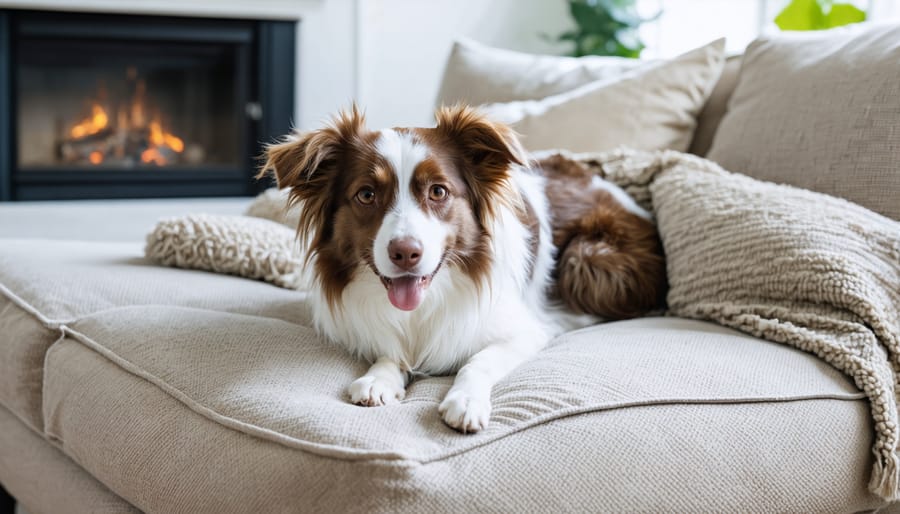
Linen proves to be a surprisingly pet-friendly fabric choice when properly maintained and protected. Its natural durability, breathability, and resistance to odors make it an excellent option for homes with furry friends. While it does require some extra care and attention, the benefits often outweigh the challenges. For pet owners considering linen, we recommend choosing darker colors or patterns to minimize visible pet hair, applying fabric protectors, and establishing regular cleaning routines. Keep throws handy to protect furniture when needed, and consider slipcovers for easier maintenance. With these precautions in place, you can confidently enjoy the luxurious feel and timeless appeal of linen while creating a comfortable space for both you and your pets.