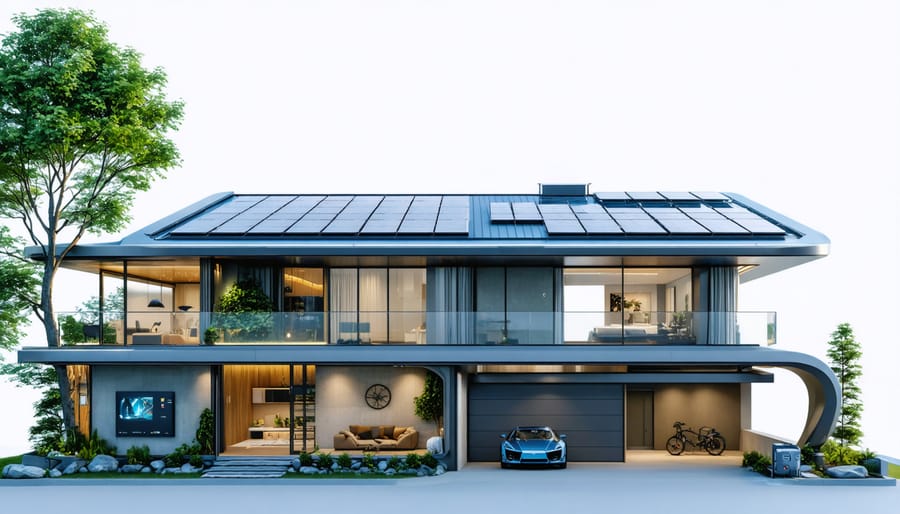
Smart Home Batteries: Power Your Home Like Never Before
Transform your home into an energy-independent powerhouse with modern storage solutions that put you in control of your electricity. Today’s home energy storage systems combine cutting-edge battery technology with smart management systems, enabling homeowners to store excess solar power, avoid peak utility rates, and maintain critical systems during outages.
From compact wall-mounted batteries to comprehensive whole-house backup systems, the market offers solutions for every home size and energy need. Tesla Powerwalls, LG RESU batteries, and Enphase storage systems lead the residential market, each providing unique advantages in capacity, scalability, and integration capabilities. These systems not only deliver reliable backup power but can also reduce monthly energy bills by up to 30% through strategic energy management.
While initial investment costs range from $8,000 to $25,000, federal tax incentives and state rebates can offset up to 30% of installation expenses. Plus, most systems integrate seamlessly with existing solar installations or can be added as part of a comprehensive home energy upgrade. With battery prices dropping annually and grid instability becoming more common, home energy storage has evolved from a luxury to a practical investment in home resilience and energy independence.
Popular Home Battery Solutions
Wall-Mounted Battery Systems
Wall-mounted battery systems have become increasingly popular, with Tesla’s Powerwall leading the charge in this sleek and space-saving category. These systems offer a perfect blend of functionality and aesthetics, making them an attractive option for homeowners who want to maintain their home’s visual appeal while embracing energy independence.
The Tesla Powerwall, perhaps the most well-known option, delivers 13.5 kWh of usable energy and can be stacked with multiple units for increased capacity. Its slim profile – just 5.75 inches deep – means it can fit comfortably in garages, utility rooms, or even outdoor walls without becoming an eyesore.
Other manufacturers have followed suit with similar solutions. The LG RESU and Enphase Encharge systems offer comparable features, while brands like Generac PWRcell provide higher power output options for larger homes. These systems typically include smart features that allow you to monitor and control your energy usage through mobile apps.
Installation is relatively straightforward for certified professionals, usually taking just a day or two. Most wall-mounted systems come with backup power capabilities, automatically kicking in during grid outages. They’re particularly effective when paired with solar panels, storing excess energy during sunny days for use during peak hours or nighttime.
While these systems generally cost between $8,000 and $15,000 before installation, their clean design and reliable performance make them an excellent investment for modern homes.

Portable Power Stations
Portable power stations offer a flexible and convenient solution for backup power needs, combining mobility with reliable energy storage. These compact units typically range from 100 to 2000 watt-hours, making them perfect for powering essential devices during outages or outdoor activities. Unlike fixed systems, you can easily move these units between rooms or take them on trips.
Most portable stations feature multiple outlet types, including standard AC outlets, USB ports, and 12V DC connections, allowing you to power everything from smartphones to small appliances. Many newer models include smart features like app monitoring and fast charging capabilities. The latest units even offer expandable capacity through additional battery packs.
While they won’t power your entire home, these stations are ideal for keeping critical devices running during emergencies. They’re also perfect for home office setups or outdoor workspaces where power access is limited. Charging options typically include standard wall outlets, car chargers, and solar panels, providing excellent flexibility for various situations. Regular maintenance is minimal, usually requiring only occasional charging to maintain battery health.
Solar-Integrated Storage
Solar-integrated storage systems represent the perfect marriage between solar panels and energy storage technology. These specialized batteries are designed to maximize your solar power integration, ensuring you get the most from your renewable energy investment. Unlike standard battery systems, these units come with built-in solar charge controllers and intelligent management systems that optimize energy capture during peak sunlight hours.
Most solar-integrated batteries can be mounted either indoors or outdoors and connect directly to your home’s solar array. They typically include features like automatic switching between solar and grid power, real-time monitoring through smartphone apps, and sophisticated power management to extend battery life.
Popular options include the Tesla Powerwall, LG Chem RESU, and Enphase Encharge systems. These batteries usually offer storage capacities between 10-15 kWh, enough to power essential home appliances during nighttime or cloudy days. Installation is straightforward for certified professionals, and many systems can be expanded by adding multiple battery units as your energy needs grow.
Smart Integration Features
Mobile App Control
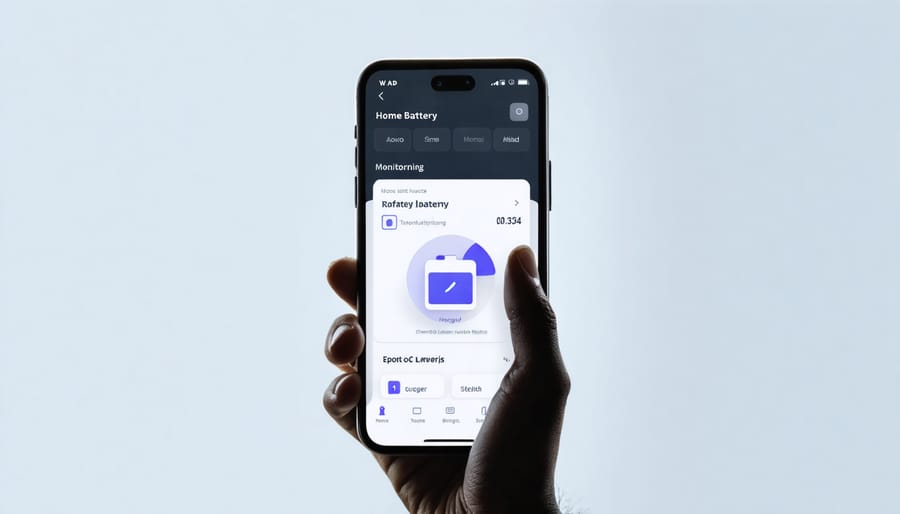
Today’s home energy storage systems come with sophisticated mobile apps that put control literally at your fingertips. These user-friendly applications transform your smartphone into a powerful command center for monitoring and managing your battery system.
Most manufacturers offer dedicated apps that display real-time energy production, consumption, and storage levels through intuitive dashboards. You can track how much power your home is using, how much your batteries are storing, and even how much money you’re saving on utility bills.
The apps typically allow you to set charging preferences, such as prioritizing battery charging during off-peak hours when electricity rates are lower. You can also customize power backup settings, ensuring critical appliances have priority during outages. Many apps send instant notifications about system status, weather alerts, and maintenance requirements.
Another handy feature is the ability to view historical data and energy usage patterns. This information helps you optimize your system’s performance and adjust your household’s energy consumption habits. Some apps even integrate with smart home systems, allowing you to automate energy usage based on battery levels and time of day.
Remote troubleshooting is another valuable benefit. If issues arise, you can share system data directly with technicians, often leading to faster resolution without requiring an immediate service visit.
Smart Home Compatibility
Modern home energy storage systems are designed with smart home compatibility in mind, making it easier than ever to integrate them into your existing home automation setup. Most current battery systems come with their own smartphone apps and can connect directly to your home’s Wi-Fi network, allowing you to monitor power usage, storage levels, and system performance in real-time.
Popular smart home platforms like Amazon Alexa, Google Home, and Apple HomeKit can interface with many energy storage systems, enabling voice commands and automated routines. For example, you can set your system to automatically switch to battery power during peak utility rates or receive notifications when your storage capacity runs low.
Many systems also work seamlessly with smart electrical panels and home energy monitors, providing detailed insights into your power consumption patterns. This integration helps you optimize your energy usage and maximize savings. Some advanced systems even use artificial intelligence to learn your household’s energy patterns and automatically adjust storage and consumption accordingly.
When shopping for a home energy storage system, look for products that support common communication protocols like Zigbee or Z-Wave to ensure broad compatibility with other smart devices. This future-proofs your investment and makes it easier to expand your smart home ecosystem over time.
Installation and Space Requirements
Location Planning
Proper placement of your home energy storage system is crucial for both safety and efficiency. The ideal location should be easily accessible, protected from the elements, and maintain a stable temperature. Most homeowners choose to install their innovative storage solutions in their garage, basement, or a dedicated utility room.
When planning your installation space, consider these key factors: First, ensure the area can support the system’s weight, which typically ranges from 250 to 500 pounds. Allow for at least 3 feet of clearance on all sides for proper ventilation and maintenance access. The location should be dry and away from potential water sources to prevent damage.
Temperature-controlled spaces work best, as extreme heat or cold can affect battery performance. If you’re installing multiple battery units, plan for additional space to accommodate future expansion. For outdoor installations, you’ll need a weatherproof enclosure and proper drainage around the foundation.
Remember to keep the system away from living spaces to minimize any potential noise disturbance, though modern systems are generally quiet. Consider proximity to your electrical panel to minimize installation costs and complexity.
Professional vs DIY Installation
While some aspects of home energy storage installation can be handled by experienced DIY enthusiasts, the complexity of these systems often requires professional expertise. You can tackle basic preparation tasks like clearing the installation area, running basic conduit, and setting up monitoring displays. However, the core installation, including battery placement, electrical connections, and system integration, should be left to certified professionals.
Working with high-voltage electrical systems requires specialized knowledge and adherence to local building codes. Professional installers bring crucial expertise in safety protocols, proper system sizing, and integration with your home’s existing electrical infrastructure. They’ll also ensure your installation meets warranty requirements and local regulations.
If you’re considering a DIY approach, focus on the planning phase instead. You can research system options, prepare installation spaces, and document your home’s energy usage patterns. This preparation will make the professional installation process smoother and more efficient. Remember that improper installation can void warranties, compromise safety, and potentially damage expensive equipment.
Many manufacturers only warranty their products when installed by certified professionals, making professional installation not just safer, but often more cost-effective in the long run.
Cost and ROI Analysis
Initial Investment
When considering a home energy storage system, the initial investment can be substantial, but various factors and incentives can help offset these costs. A typical residential battery storage system ranges from $8,000 to $15,000, depending on capacity and features. This price includes the battery unit, inverter, and basic installation costs.
However, several financial incentives can significantly reduce your out-of-pocket expenses. The federal Investment Tax Credit (ITC) allows you to claim up to 30% of the total system cost on your taxes. Many states offer additional tax incentives, rebates, or grants for energy storage installations. Some utility companies also provide special programs or rebates for customers who install battery systems, particularly when paired with solar panels.
The size of your system will greatly impact the initial cost. A basic 10kWh system might suffice for essential backup power, while a 20kWh system could support whole-house backup. Installation costs typically account for 20-40% of the total investment, though this can vary based on your home’s electrical setup and local labor rates.
Consider financing options like home improvement loans or solar loans, which often feature competitive interest rates. Some manufacturers also offer lease programs or power purchase agreements (PPAs) that can eliminate upfront costs, though these arrangements typically cost more in the long run.

Long-term Savings
When calculating the long-term financial benefits of home energy storage systems, it’s important to consider multiple factors that affect your return on investment. A typical home battery system can help you reduce energy costs by 30-60% when paired with solar panels.
The average payback period ranges from 5 to 10 years, depending on your local electricity rates, usage patterns, and available incentives. For example, if you’re paying $200 monthly in electricity bills, you could save $840-$1,440 annually with a properly sized system. Federal tax credits, state rebates, and utility company incentives can significantly reduce your initial investment, shortening the payback period.
Time-of-use rate structures make storage particularly valuable, as you can charge your batteries when rates are low and use stored energy during peak pricing periods. Additionally, areas prone to power outages can see immediate value through avoided costs of spoiled food, hotel stays, or backup generator fuel.
To calculate your potential savings, track your current energy usage patterns, research local electricity rates, and factor in available incentives. Many manufacturers offer online calculators to help estimate your specific return on investment based on these variables.
Home energy storage has become an increasingly accessible and practical solution for modern homeowners. Whether you’re looking to maximize your solar investment, ensure backup power during outages, or reduce your reliance on the grid, there’s a storage option that fits your needs and budget. From traditional lead-acid batteries to cutting-edge lithium-ion systems and emerging technologies like flow batteries, the market offers various choices to suit different home sizes and energy requirements.
Before making your decision, consider your specific energy needs, available space, climate conditions, and local regulations. Start by getting an energy audit to understand your consumption patterns, then consult with certified installers to determine the best system size and type for your home. Don’t forget to research available tax incentives and utility programs that could help offset your initial investment.
Remember that home energy storage is a long-term investment that can provide both practical benefits and significant returns over time. By taking action now, you’re not just preparing your home for the future – you’re joining the growing movement toward sustainable, resilient home energy solutions.