Miami Vice Meets Modern: How 80s Art Deco Revival Can Transform Your Home
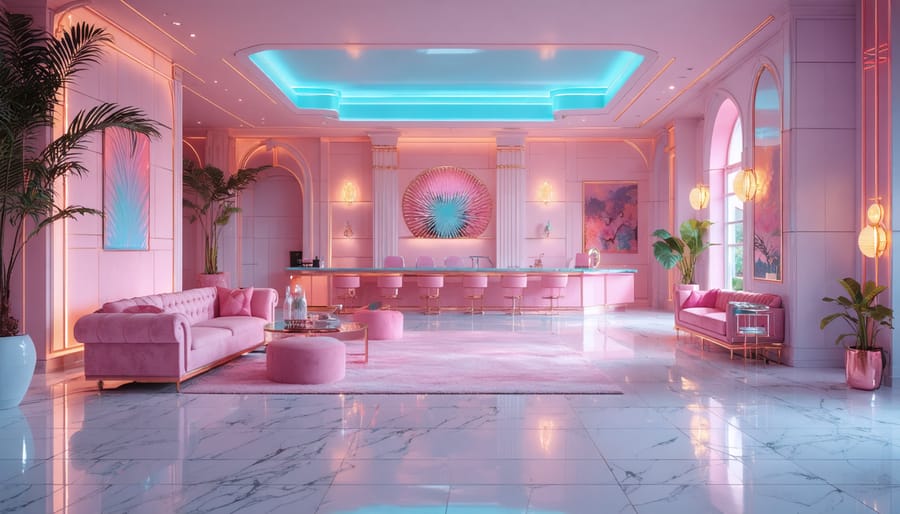
The electric fusion of Modern Art Deco’s bold return in the 1980s transformed interior design, marrying Miami Vice-inspired pastels with the geometric grandeur of the 1920s. Chrome-plated furniture, sunburst mirrors, and angular patterns emerged as defining features of this maximalist movement, while glass brick walls and neon accents added contemporary flair to traditional Art Deco elements. This revival wasn’t merely nostalgic—it represented a cultural shift toward opulence and glamour, responding to the era’s economic prosperity and technological optimism. From the sleek lobby of the Chrysler Building to the vibrant interiors of Miami Beach hotels, 1980s Art Deco revival created a distinctive visual language that continues to influence modern design. Today’s designers draw inspiration from this unique period, incorporating its bold combinations of materials, dramatic lighting solutions, and striking geometric patterns into contemporary spaces, proving that the marriage of 1920s sophistication and 1980s exuberance remains remarkably relevant.
The Original 80s Art Deco Revival: A Flashback
Key Elements of 80s Deco
The 1980s Art Deco revival brought its own distinctive flair to the classic style, creating a fresh interpretation that shows how art transforms interior spaces. Pastel colors became a defining feature, with soft pinks, mint greens, and powder blues replacing the bold jewel tones of the original movement. Chrome and glass accents added shimmer and reflection throughout interiors, while bold geometric patterns took center stage in everything from wallpaper to furniture upholstery.
Curved forms and stepped designs remained important elements, but with a modern twist incorporating new materials like plastic and laminate. Sunburst patterns, zigzags, and chevrons appeared frequently in both architectural details and decorative elements. Lighting fixtures featured frosted glass and angular designs, often combined with brass or chrome finishes. The style embraced luxurious textures through velvet upholstery and plush carpeting, while mirrors and glass blocks created the illusion of expanded space and added drama to room designs.
Miami Vice Influence
The television series “Miami Vice” played a pivotal role in popularizing Art Deco revival during the 1980s. The show’s iconic portrayal of Miami’s South Beach, with its pastel-colored buildings, geometric patterns, and neon lighting, captivated audiences nationwide and sparked renewed interest in Art Deco aesthetics. The series showcased the restored Art Deco Historic District, featuring buildings painted in signature Miami colors like pink, turquoise, and lavender, which became synonymous with 1980s design.
This pop culture phenomenon influenced everything from interior design to fashion, with designers incorporating palm tree motifs, chrome accents, and curved forms characteristic of the original Art Deco movement. The show’s stylish interpretation merged vintage glamour with contemporary 80s elements, creating a fresh take on the classic style that resonated with modern audiences.
The “Miami Vice effect” extended beyond aesthetics, contributing to the preservation of genuine Art Deco architecture and inspiring countless renovations of period buildings across America. This cultural impact helped establish the 80s Art Deco revival as a distinct design movement in its own right, different from its 1920s predecessor yet equally memorable.

Modern Takes on 80s Deco
Color Palettes for Today
The 1980s Art Deco revival brought a fresh spin to traditional Deco colors, and today’s interpretations continue to evolve. Modern palettes blend the boldness of the 80s with contemporary sophistication, creating spaces that feel both nostalgic and current.
Start with rich jewel tones like emerald green, sapphire blue, and deep purple, paired with the classic black and gold combination that defined both original Art Deco and its 80s revival. For a softer approach, incorporate dusty rose, coral, and seafoam green – colors that dominated the Miami Vice era but now take on a more subdued quality.
Metallic accents remain crucial, but today’s approach favors a mix of brass, copper, and chrome rather than the exclusively gold finishes of the 80s. These can be balanced with neutral backgrounds in cream, gray, or soft beige to prevent overwhelming the space.
For a contemporary twist, try unexpected combinations like teal with brass, or mauve with gunmetal. Black and white remain timeless foundations, but consider adding depth with charcoal or navy. Accent walls can feature bold geometric patterns in contrasting colors, while furnishings and accessories might incorporate softer, complementary shades.
Remember that lighting plays a crucial role in how these colors appear – warm LED lighting can enhance the warmth of metallic elements while maintaining the drama of deeper tones.
Furniture and Fixtures
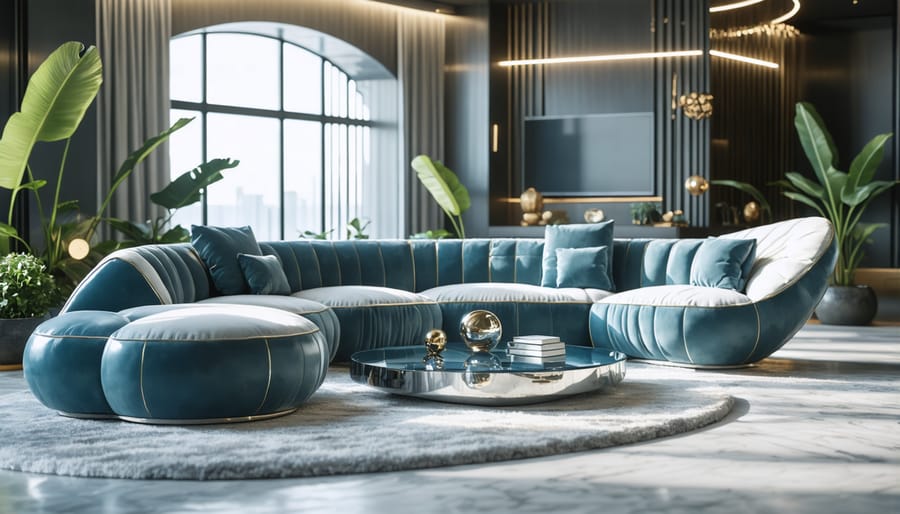
The 1980s Art Deco revival brought a fresh interpretation to furniture and fixtures, combining classic geometric patterns with contemporary materials and bold colors. Chrome-plated metal frames, glass-topped tables, and luxurious velvet upholstery became hallmarks of this neo-deco movement. Designers incorporated these timeless vintage design elements while adding their own modern twist.
Signature pieces included fan-backed chairs with dramatic silhouettes, sunburst mirrors with metallic frames, and streamlined credenzas featuring exotic wood veneers. Lighting fixtures emphasized symmetrical patterns and stepped designs, often incorporating frosted glass and polished brass. Low-profile sofas with rounded arms and geometric upholstery patterns became living room centerpieces.
The period’s most distinctive furnishings featured marble or glass tabletops supported by sculptural bases, often in black lacquer or chrome. Wall sconces and ceiling fixtures showcased layered geometric shapes and emphasized vertical lines, while accent pieces like side tables and display cabinets combined mirrors with bold brass or chrome trim.
To capture this look today, focus on pieces that blend angular shapes with curved elements, metallic finishes with rich fabrics, and dramatic lighting fixtures that make a bold statement. Look for furniture that incorporates black and white color schemes accented with brass or chrome details.
DIY 80s Deco Revival
Quick Weekend Updates
Transform your space with these quick weekend projects that perfectly blend vintage with contemporary style. Start by creating geometric wall patterns using metallic washi tape – it’s removable and creates instant Art Deco flair. Paint plain picture frames in gold or silver, then arrange them in a stepped pattern for that classic zigzag effect.
Transform plain glass vases with black electrical tape in geometric patterns, then spray paint in champagne gold for instant glamour. Add drama to plain lampshades using metallic fabric paint to create fan or sunburst patterns. For a statement piece, update an old mirror by adding wooden trim in a geometric pattern and painting it in classic Art Deco colors like black and gold.
Create custom wall art using cardboard cutouts in symmetrical patterns, covered in metallic contact paper. Transform drawer pulls with metallic spray paint in brass or copper tones. For textiles, use fabric paint to add geometric patterns to plain throw pillows or curtains.
In the bathroom, apply metallic vinyl decals in fan patterns around your mirror. For lighting ambiance, create DIY sconces using battery-operated LED strips behind frosted acrylic sheets cut in geometric shapes. These projects can be completed in a weekend and instantly add that signature ’80s Deco revival look to your space without breaking the bank.
Shopping Guide
Finding authentic 80s Art Deco revival pieces doesn’t have to be challenging. Start your search at vintage furniture stores and antique markets, where you’ll often discover genuine pieces from the era. Notable retailers like Miami Modernism and Palm Beach Modern Auctions regularly feature 80s Deco items in their collections.
For contemporary pieces with an 80s Deco flair, check out retailers like West Elm and CB2, which often incorporate geometric patterns and metallic finishes reminiscent of the style. Online marketplaces like 1stDibs and Chairish are excellent resources for both vintage and contemporary pieces, offering everything from statement mirrors to brass-accented furniture.
For materials and finishes, home improvement stores like Home Depot and Lowe’s stock metallic laminates, geometric tiles, and art deco-inspired wallpapers. Specialty retailers like Bradbury & Bradbury offer reproduction wallpapers that capture the essence of 80s Deco patterns.
Don’t overlook social media marketplaces and local estate sales. Facebook Marketplace and Instagram vintage sellers often list unique finds at reasonable prices. For lighting fixtures, check out Visual Comfort and Jonathan Adler, who frequently design pieces inspired by the era’s glamorous aesthetic.
Budget-conscious shoppers should explore thrift stores and flea markets, where chrome-finished furniture and glass block elements commonly appear. For fabrics and upholstery, online retailers like Spoonflower offer custom-printed textiles featuring period-appropriate patterns, perfect for DIY projects and renovations.
Remember to look for key materials like mirror chrome, brass, glass blocks, and bold geometric patterns when shopping. These elements will help you achieve that distinctive 80s Deco revival look.
The 1980s Art Deco revival brought a fresh perspective to this timeless design movement, proving that great style never truly goes out of fashion. Whether you’re drawn to the bold geometric patterns, luxurious materials, or the perfect blend of glamour and functionality, there are countless ways to incorporate these elements into your modern space. Start small with metallic accessories and angular mirrors, or go bold with statement wallpaper and sunburst designs. Remember, the key to successful 80s Deco style lies in balancing dramatic elements with clean lines and contemporary touches. Don’t be afraid to experiment – mix vintage finds with modern pieces, play with different textures, and make the style your own. The 80s Deco revival shows us that sometimes looking back is the best way to move forward in design.