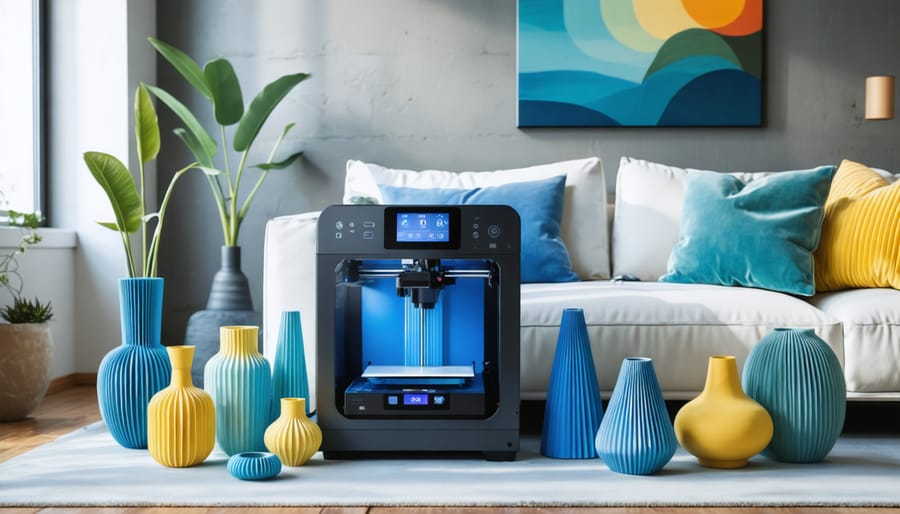
Transform Your Home with These Stunning 3D Printed Accessories You Can Make Today
Transform your living space affordably with DIY home accessories crafted through the magic of 3D printing. From elegant vases and customized drawer pulls to intricate wall art and practical organization solutions, 3D printing technology has revolutionized how we personalize our homes. This innovative approach combines creative freedom with precise manufacturing, allowing you to design and produce unique decor pieces that perfectly match your style and space requirements.
Gone are the days when custom home accessories meant expensive boutique purchases or settling for mass-produced items. Whether you’re a tech enthusiast with your own printer or someone interested in exploring 3D printing services, creating personalized home decor has never been more accessible. With countless free designs available online and user-friendly modeling software, you can start small with simple candleholders or ambitious with elaborate light fixtures – all while maintaining complete control over colors, sizes, and materials.
Getting Started with 3D Printed Home Decor
Essential Equipment and Materials
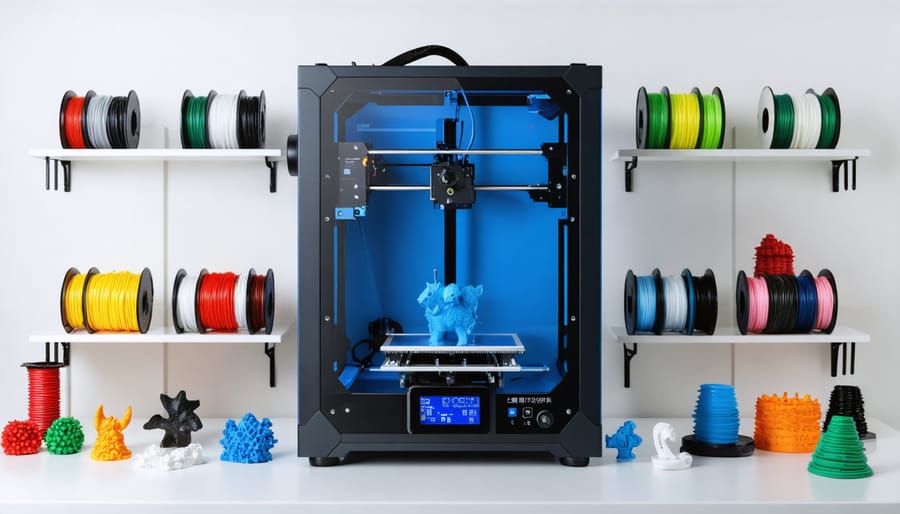
To get started with 3D printing home accessories, you’ll need a reliable 3D printer and appropriate materials. For beginners, we recommend entry-level FDM (Fused Deposition Modeling) printers like the Prusa Mini+ or Creality Ender 3, which offer a good balance of quality and affordability. These printers are perfect for creating decorative items, organizers, and small furniture accessories.
For materials, PLA (Polylactic Acid) filament is ideal for most home accessories. It’s easy to work with, comes in various colors, and produces smooth finishes. PETG is another excellent choice, offering better durability and water resistance for items like vases and bathroom accessories. For a more premium look, consider wood-filled or marble-filled PLA filaments, which create stunning decorative pieces with unique textures.
Essential tools include a spatula for removing prints, basic maintenance tools, and a storage solution for your filaments. Digital design software like Tinkercad or Fusion 360 will help you create or modify designs. Remember to set up your printer in a well-ventilated area with a stable surface, and consider adding a webcam for remote print monitoring.
Design Software and Resources
Getting started with 3D printed home accessories is easier than ever, thanks to numerous user-friendly design tools and resources. For beginners, Tinkercad offers an excellent web-based platform with an intuitive interface and basic shapes you can combine to create custom designs. More experienced users might prefer Fusion 360 or Blender, which offer advanced features for complex designs.
If you’re not ready to design from scratch, websites like Thingiverse, MyMiniFactory, and Cults3D host thousands of ready-to-print home accessory models. These platforms often feature free designs shared by the 3D printing community, ranging from practical items like vases and organizers to decorative pieces like wall art and sculptures.
For those seeking premium designs, CGTrader and Turbosquid offer high-quality paid models. Many of these marketplaces also include user reviews and printing recommendations, helping you choose reliable designs that print well.
Remember to check the file format compatibility with your printer and the recommended print settings before downloading. Most platforms support common formats like STL and OBJ, making them widely compatible with popular slicing software like Cura and PrusaSlicer.
Popular 3D Printed Home Accessories
Decorative Items and Wall Art
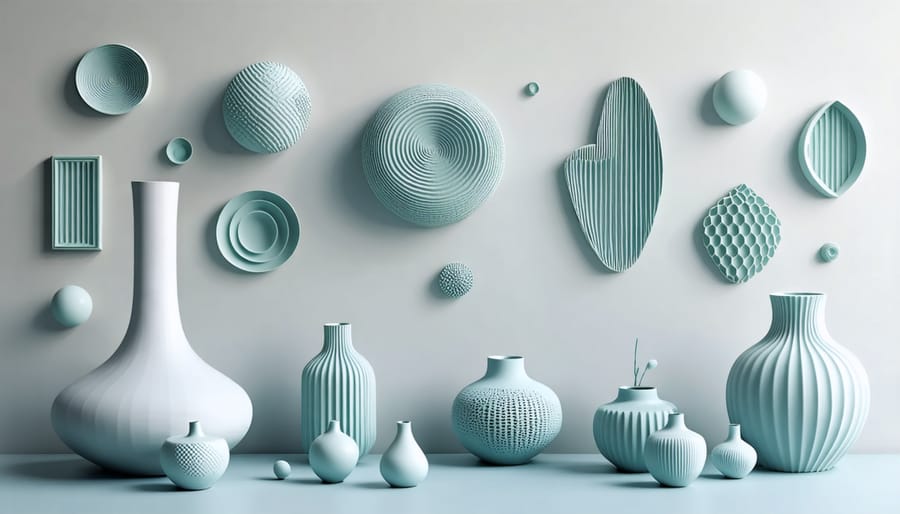
Transform your living spaces with stunning 3D printed decorative pieces that add personality and artistic flair to any room. From geometric wall sculptures to intricate mandala designs, these modern wall decorations offer endless possibilities for customization.
Popular decorative items include abstract wall panels that create dynamic shadows and light patterns, customizable family name plates, and floating shelf brackets with ornate designs. Nature-inspired pieces like botanical wall art, dimensional butterfly collections, and topographical landscape maps bring organic elements indoors while showcasing the precision of 3D printing technology.
For a truly unique touch, consider creating modular wall art systems that can be rearranged to suit your mood or the season. Geometric patterns that interconnect, customizable photo frames with built-in lighting elements, and three-dimensional quote art are just a few examples of what’s possible.
Statement pieces like oversized sacred geometry designs or abstract sculptures can serve as conversation starters while adding visual interest to blank walls. For smaller spaces, consider printing delicate air plant holders or miniature gallery walls with coordinating frames and artwork.
The beauty of 3D printed wall art lies in its customization potential – you can adjust sizes, colors, and patterns to perfectly match your existing décor while creating pieces that truly reflect your personal style.
Functional Storage Solutions
3D printing has revolutionized how we approach home organization, offering customizable storage solutions that perfectly fit your space and needs. From drawer organizers to modular wall-mounted systems, the possibilities are virtually endless.
One of the most popular functional prints is the customizable drawer divider system. Unlike store-bought options, you can design compartments that precisely fit your items, whether it’s for kitchen utensils, office supplies, or jewelry. These organizers can be printed in sections and snapped together, allowing for future modifications as your storage needs change.
Wall-mounted organizers are another game-changer. Create hanging systems for keys, mail, or small electronics that complement your home’s aesthetic. Many designers are now incorporating cable management solutions into their wall organizers, keeping your charging cables tidy while maintaining easy access.
For bathroom organization, printed shower caddies and toothbrush holders can be designed to match your exact specifications. Add features like drain holes or hooks for washcloths that you wouldn’t find in standard products.
The kitchen benefits greatly from 3D printed organizers. Spice rack systems, pantry containers with custom labels, and under-shelf mounting solutions can transform cluttered spaces into efficient storage areas. You can even design stackable containers that fit perfectly in your cabinets, maximizing vertical space while maintaining easy access to contents.
Remember to consider the printing material’s durability and water resistance when designing storage solutions for different areas of your home.
Lighting Fixtures and Lamp Shades
3D printing has revolutionized the way we think about creative lighting solutions, offering endless possibilities for customizing your home’s ambiance. From intricate geometric lampshades that cast mesmerizing shadows to modern pendant light fixtures that become conversation pieces, the options are limitless.
Popular designs include honeycomb patterns, spiral configurations, and nature-inspired motifs that transform ordinary bulbs into stunning light displays. The ability to print with various materials, including translucent filaments, allows for different light diffusion effects and creates unique atmospheric experiences in any room.
For DIY enthusiasts, starting with simple lampshade designs is recommended. Begin with basic cylindrical or conical shapes, then progress to more complex patterns as your skills improve. Many free designs are available on platforms like Thingiverse, while modeling software like Fusion 360 enables you to create custom pieces tailored to your space.
Consider practical aspects like heat resistance when choosing materials – PLA works well for LED bulbs, while PETG offers better heat tolerance for traditional bulbs. The beauty of 3D printed lighting fixtures lies in their customization potential – you can adjust sizes, patterns, and colors to match your existing décor perfectly.
Wall sconces, table lamp bases, and ceiling light covers are other popular options that can transform your lighting setup while adding a personal touch to your home’s design scheme.
Plant Pots and Vases
3D printed plant pots and vases offer endless possibilities for bringing nature indoors with style. These customizable containers let you create unique homes for your plants while perfectly matching your décor. Whether you’re looking for modern geometric designs, classic shapes, or whimsical patterns, 3D printing allows you to bring your vision to life.
The beauty of 3D printed planters lies in their adaptability. You can design containers with built-in drainage systems, self-watering features, or even integrated LED lighting. For smaller spaces, consider printing wall-mounted planters or hanging vases that maximize vertical space while adding visual interest to your rooms.
Popular designs include hexagonal pot sets that can be arranged in various patterns, nested containers that create striking visual displays, and organic-shaped vases that appear to flow like water. The ability to print in various materials means you can choose options that suit both indoor and outdoor use.
When printing plant containers, use food-safe or plant-safe materials and consider adding a waterproof coating for longevity. Standard PLA works well for decorative outer pots, while PETG offers better water resistance for direct plant contact. Remember to include drainage holes in your design and consider printing separate drip trays to protect your surfaces.
Customization Tips and Techniques
Size and Scale Considerations
When creating 3D printed accessories for your home, size and scale are crucial factors that can make or break your design. Start by measuring the intended space where your accessory will be placed, including any surrounding objects that might affect its positioning. A good rule of thumb is to follow the “rule of thirds” – your accessory should generally occupy about one-third of the available space for a balanced look.
Consider the practical limitations of your 3D printer’s build volume when planning your pieces. Larger items can be broken down into smaller, printable segments that connect together. For wall art and decorative panels, aim for sizes between 8-12 inches for standard walls, while tabletop accessories like vases and organizers typically work best between 4-8 inches in height.
Remember that scaling isn’t just about fitting a space – it’s about creating visual harmony. Test your designs by creating cardboard mockups before printing, especially for larger pieces. This helps you visualize the final product and make adjustments before committing to a full print. For collections of accessories, maintain consistent proportions between pieces to create a cohesive look throughout your space.
Color and Material Selection
When it comes to 3D printing home accessories, material selection plays a crucial role in both aesthetics and durability. PLA (Polylactic Acid) remains a popular choice for decorative items due to its wide color range and ease of use. It’s perfect for vases, picture frames, and ornamental pieces that won’t be exposed to high temperatures or direct sunlight.
For more durable accessories like coasters, organizers, or bathroom items, consider PETG or ABS. These materials offer better water resistance and durability, though they might require more advanced printing skills. TPU, a flexible filament, works great for non-slip mats, cushioned items, or pieces that need some give.
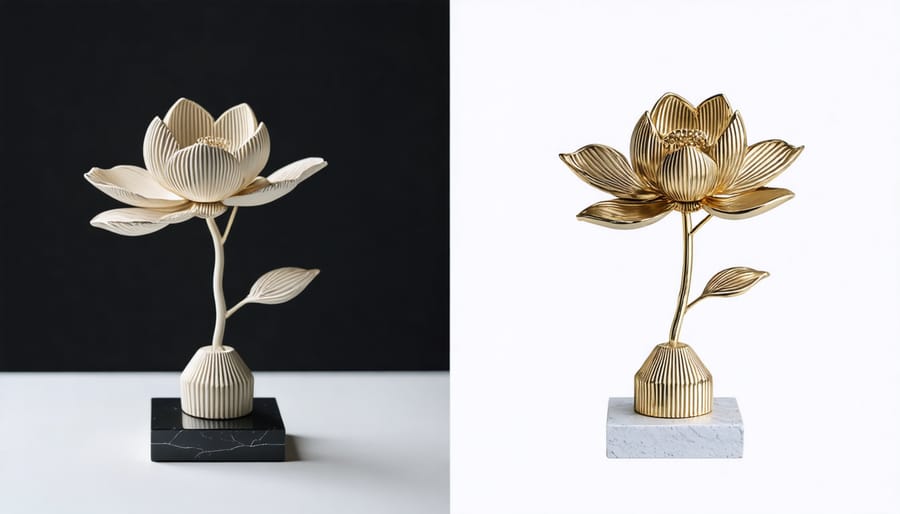
Color selection is equally important for matching your decor. While white and neutral tones offer versatility, bold colors can create striking accent pieces. Many filaments now come in specialty finishes like marble, wood, or metallic effects, allowing you to create luxurious-looking accessories without the premium price tag.
Post-processing can elevate your prints’ appearance significantly. Simple techniques like sanding and painting can transform basic prints into professional-looking decor pieces. For a glossy finish, clear coating works wonders, while metallic spray paints can give your accessories an upscale look.
Troubleshooting Common Issues
Even the most experienced makers encounter printing issues, but most common problems have straightforward solutions. If your print isn’t sticking to the bed, try releveling the build plate and applying a thin layer of adhesive spray or glue stick. For stringy or messy prints, adjust your printing temperature down by 5-degree increments and reduce the printing speed slightly.
When layers aren’t adhering properly, check that your printing temperature isn’t too low and ensure proper filament flow. Warping usually occurs with larger flat surfaces – combat this by using a heated bed, adding a brim to your print, and keeping your printing environment free from drafts.
If you notice gaps or holes in your prints, verify that your slicing software’s settings for infill percentage and wall thickness are appropriate. For detailed decorative pieces that show rough surfaces, try printing at a lower layer height and slower speed.
Remember that different filament materials require different settings. PLA is most forgiving for home accessories, while PETG might need higher temperatures and slower speeds to achieve the best results. Keep a notebook of successful settings for each material and design type to streamline future projects.
3D printed home accessories represent an exciting frontier in home decoration, offering a perfect blend of technology, creativity, and personalization. As we’ve explored throughout this article, the possibilities are virtually limitless – from practical organizing solutions to stunning decorative pieces that can transform any space in your home.
The benefits of embracing 3D printed accessories are clear: complete customization control, cost-effectiveness over time, and the ability to create unique pieces that perfectly match your style and space requirements. Whether you’re looking to solve specific storage challenges or add distinctive artistic elements to your home, 3D printing provides an innovative solution that traditional retail simply can’t match.
Getting started with 3D printed home accessories doesn’t have to be overwhelming. Begin with simple projects like basic organizers or decorative items, and gradually work your way up to more complex designs as your confidence grows. The learning curve might seem steep at first, but the satisfaction of creating your own custom pieces makes it all worthwhile.
As technology continues to advance and 3D printing becomes more accessible, there’s never been a better time to dive into this creative world. Whether you choose to invest in your own printer or work with local printing services, the opportunity to personalize your living space with custom-designed accessories is too exciting to ignore.
Take that first step today – start small, experiment often, and watch as your home transforms with pieces that are uniquely yours. The future of home decoration is here, and it’s being printed one layer at a time.