
Earth-Friendly Wall Insulation That Slashes Your Energy Bills
Transform your home’s environmental impact with eco-friendly wall insulation that helps boost energy efficiency while protecting our planet. Natural fiber materials like hemp, sheep’s wool, and recycled cotton deliver superior thermal performance without harmful chemicals or synthetic additives. These sustainable alternatives match or exceed traditional insulation’s R-value while reducing your carbon footprint and creating healthier indoor air quality.
Modern green insulation technology has evolved beyond basic materials, now incorporating innovative solutions like mycelium-based products and recycled denim that transform waste into high-performance insulators. These options not only regulate temperature effectively but also provide excellent sound dampening and moisture control properties, making them ideal for both new construction and retrofitting projects.
Choosing eco-friendly insulation represents a smart investment in both property value and environmental stewardship. While initial costs may run 10-30% higher than conventional options, the long-term benefits include reduced energy bills, improved indoor air quality, and the satisfaction of knowing your home contributes to a more sustainable future. Natural insulation materials typically last the lifetime of your building, requiring minimal maintenance while providing consistent performance year after year.
Natural Fiber Insulation Materials
Cotton and Denim
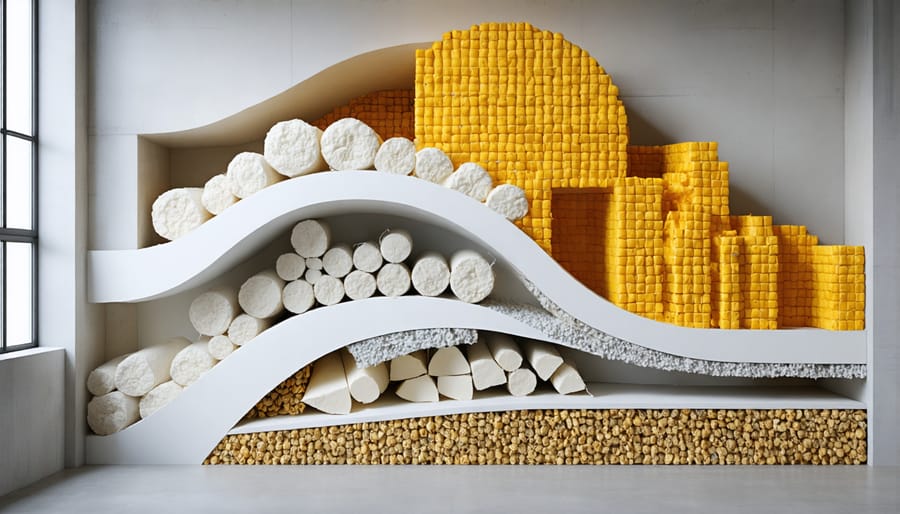
Looking for a sustainable insulation option that gives old blue jeans a new purpose? Recycled cotton and denim insulation is an innovative eco-friendly solution that’s gaining popularity among environmentally conscious homeowners. This material is created by shredding post-consumer denim and cotton fibers into a fluffy, wool-like consistency that’s perfect for insulating walls.
Beyond its environmental benefits, cotton and denim insulation offers excellent sound absorption properties and doesn’t contain harmful chemicals or irritants commonly found in traditional materials. It’s naturally fire-resistant and treated with borate, making it resistant to mold, pests, and fungi. Installation is particularly DIY-friendly as the material doesn’t require protective gear and won’t irritate your skin or airways during handling.
The R-value of cotton and denim insulation typically ranges from R-3.0 to R-3.7 per inch, comparable to traditional fiberglass. While it may cost 15-20% more upfront than conventional options, many homeowners find the benefits of using a chemical-free, recycled product worth the investment. Plus, you’ll enjoy knowing that your walls are insulated with material that might have otherwise ended up in landfills.
Hemp and Sheep’s Wool
Hemp and sheep’s wool represent two of nature’s most impressive insulation materials, combining excellent thermal performance with outstanding environmental credentials. Hemp insulation, made from the plant’s woody core fibers, offers remarkable moisture-regulating properties while being naturally resistant to pests and mold. It’s also completely biodegradable and captures carbon during its growth phase, making it a carbon-negative option.
Sheep’s wool insulation brings similar benefits while adding natural fire resistance due to its high nitrogen content. It can absorb and release moisture without losing its insulating properties, helping to maintain consistent indoor humidity levels. The wool’s natural crimp creates millions of tiny air pockets, providing superior thermal and acoustic insulation.
Both materials are safe to handle during installation, requiring no protective equipment, and they can last for decades when properly installed. While they may cost more initially than conventional options, their durability and energy-saving properties often make them cost-effective over time. These materials are particularly well-suited for timber-frame buildings and renovation projects where natural breathability is essential.
Cork and Cellulose
Cork and recycled paper-based insulation materials offer excellent eco-friendly alternatives for your walls. Cork, harvested sustainably from cork oak trees, provides natural thermal and acoustic properties while being completely renewable. The material is naturally fire-resistant, moisture-resistant, and can last for decades without degrading.
Cellulose insulation, made from recycled newspapers and other paper products, is another green choice that’s gaining popularity. It’s treated with non-toxic borate compounds to resist fire, mold, and pests. This option gives old paper new life while delivering impressive R-values for your walls. Both materials can be installed as boards or blown-in, making them versatile for different wall applications.
These options not only reduce landfill waste but also require minimal energy to produce compared to synthetic insulation materials, making them truly sustainable choices for environmentally conscious homeowners.
Innovative Eco-Technology Solutions
Recycled Plastic Insulation
Recycled plastic insulation represents a innovative solution that transforms environmental waste into highly effective home insulation. Made from post-consumer plastic materials like bottles, bags, and packaging, this insulation option helps reduce landfill waste while creating a robust thermal barrier for your home.
The manufacturing process involves cleaning and processing recycled plastics into insulation batts or loose-fill material. These products typically contain up to 85% recycled content and perform comparably to traditional fiberglass insulation, with R-values ranging from R-13 to R-21 for standard wall applications.
One of the key advantages of recycled plastic insulation is its moisture resistance, which helps prevent mold growth and maintains its insulating properties over time. It’s also non-toxic, doesn’t contain harmful chemicals, and doesn’t release irritating fibers during installation, making it safer to handle compared to conventional options.
Installation is straightforward and can be done as a DIY project, though professional installation ensures optimal performance. The material can be cut to size easily and fits snugly between wall studs, creating an effective thermal envelope for your home.
Aerogel Insulation
Aerogel insulation represents the cutting edge of eco-friendly wall insulation technology. This ultra-lightweight material, composed of up to 99.8% air, offers exceptional thermal performance while maintaining a minimal environmental footprint. Despite its cloud-like appearance, aerogel delivers superior insulation properties that surpass traditional materials by up to three times.
What makes aerogel particularly environmentally friendly is its minimal material usage and long lifespan. The small amount of silica used in its production, combined with its durability, means fewer resources are consumed over time. Modern aerogel blankets and panels are also dust-free and safer to handle than earlier versions, making them increasingly popular in green building projects.
While aerogel insulation typically comes with a higher upfront cost, its impressive R-value per inch and minimal thickness requirements make it an excellent choice for spaces where maximum insulation is needed with minimal wall thickness. This space-saving quality is particularly valuable in urban renovations and historic building retrofits where preserving interior space is crucial.
Many aerogel products now come with recycled content options, further enhancing their eco-credentials. The material is also naturally fire-resistant and hydrophobic, eliminating the need for additional chemical treatments.
Bio-based Foam Solutions
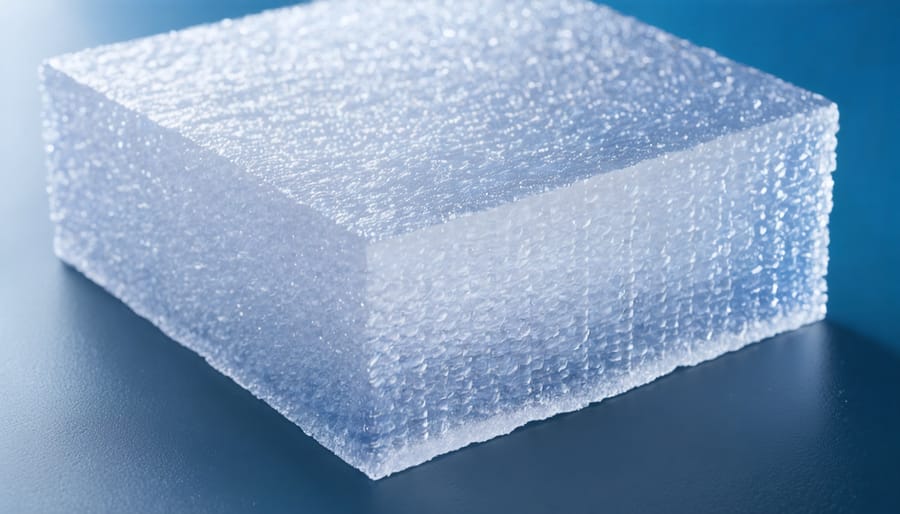
Bio-based foams represent an innovative leap forward in sustainable insulation technology. Made from renewable resources like soy, corn, and other plant-based materials, these eco-friendly alternatives offer similar performance to traditional petroleum-based foams while significantly reducing environmental impact.
Popular options include soy-based spray foam, which expands to fill cavities and create an effective air barrier, much like conventional spray foam but without the harmful chemical emissions. Corn-based foam products are another emerging solution, offering excellent thermal resistance and moisture control properties.
These plant-derived insulation materials typically boast impressive R-values while being free from harmful volatile organic compounds (VOCs). They’re particularly appealing for environmentally conscious homeowners because they’re made from rapidly renewable resources and often incorporate recycled content.
Installation methods vary by product type, with some requiring professional application like spray foams, while others come in rigid board form for DIY installation. While initially more expensive than traditional options, bio-based foams often qualify for green building certifications and may be eligible for energy efficiency tax credits.
DIY Installation Guidelines
Preparation and Safety
Before starting your DIY home improvement projects, gather essential tools like protective gear (safety goggles, dust mask, and work gloves), measuring tape, utility knife, straightedge, and a staple gun or adhesive applicator. For natural fiber insulation, you’ll need a moisture meter to ensure proper installation conditions.
Keep your workspace well-ventilated, especially when handling loose materials. While eco-friendly insulation is generally safer than traditional options, some natural fibers can still cause skin irritation or respiratory discomfort if not handled properly. Always wear long-sleeved clothing and use appropriate respiratory protection.
Clear the installation area of any electrical wires, pipes, or obstacles. Check local building codes and ensure proper permits are in place before beginning. Have a vacuum cleaner handy for cleanup, and prepare plastic sheeting to catch loose materials. If working in an enclosed space, use adequate lighting and consider having a helper nearby for safety.
Installation Process
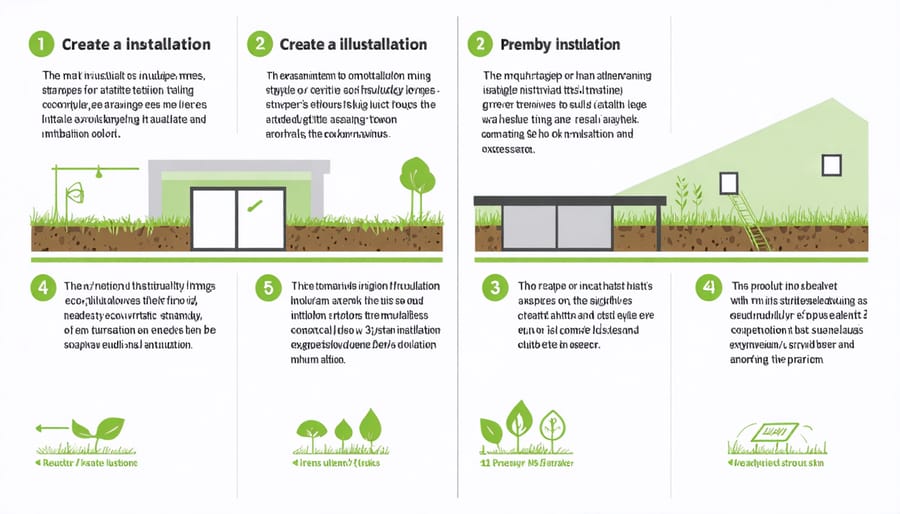
Installing eco-friendly wall insulation can be a straightforward process when following the right steps. For natural fiber insulations like wool or cotton, start by wearing protective gear including gloves and a dust mask. Measure your wall cavities carefully, then cut the insulation batts slightly larger than the space to ensure a snug fit.
For loose-fill materials like cellulose, you’ll need a blowing machine, typically available for rent from home improvement stores. Create access holes in the wall cavity, usually at the top, and gradually fill the space while monitoring density. Use a thermal camera to check for even distribution and potential gaps.
Cork and hemp panels require a different approach. Begin by ensuring your wall surface is clean and dry. Apply eco-friendly adhesive in a zigzag pattern on the back of the panels, then press firmly against the wall. Use temporary bracing if needed while the adhesive sets.
For spray foam alternatives made from soy or other plant-based materials, professional installation is recommended. However, if you’re DIY-inclined, use a two-component spray system and apply in thin layers, allowing each to expand and cure before adding the next.
Remember to seal any gaps around electrical outlets and window frames before installation. This prevents thermal bridging and maximizes insulation effectiveness. Always finish by checking your work with an infrared thermometer to ensure complete coverage.
Maintenance Tips
To keep your eco-friendly wall insulation performing at its best, regular maintenance and inspection are essential. Start by conducting visual checks every six months for any signs of moisture, which can significantly impact insulation effectiveness. Look for water stains, mold growth, or unusual odors that might indicate problems.
For natural fiber insulations like wool or cotton, ensure proper ventilation to prevent moisture buildup. If you notice any compressed areas, gently fluff them to maintain optimal insulation properties. Consider using a dehumidifier in particularly damp areas to protect your insulation investment.
For cellulose or recycled material insulation, check for settling, especially in wall cavities. If settling occurs, you may need to add more material to maintain proper insulation levels. Keep an eye on areas around electrical outlets and other wall penetrations, as these are common spots for insulation gaps to develop.
Many eco-friendly insulations are naturally pest-resistant, but it’s still wise to inspect for any signs of insect activity. Document your maintenance checks and any repairs made to track your insulation’s performance over time. If you notice significant changes or concerns, consult with an insulation professional for expert advice.
Cost and Energy Savings Analysis
When considering eco-friendly wall insulation, the initial investment might be slightly higher than traditional options, but the long-term benefits often outweigh the upfront costs. On average, eco-friendly insulation materials cost between $2.50 to $7.50 per square foot installed, depending on the specific material chosen and your location.
Natural fiber insulation, such as sheep’s wool or cotton, typically falls in the middle range at around $4.00 per square foot. While this might be 20-30% more expensive than conventional fiberglass, these materials often last longer and provide superior performance, reducing replacement needs.
The energy savings are where eco-friendly insulation truly shines. Homeowners can expect to reduce their heating and cooling costs by 30-50% annually with proper installation. For a typical 2,000-square-foot home, this could translate to savings of $500-$800 per year on energy bills.
Let’s break down the numbers:
– Average installation cost: $5,000-$12,000 for whole-home insulation
– Annual energy savings: $500-$800
– Expected lifespan: 25+ years
– Return on investment: 3-7 years
Additional financial benefits include:
– Potential tax credits and rebates for eco-friendly home improvements
– Increased property value (typically 2-5% higher)
– Reduced maintenance costs due to better moisture control
– Lower carbon footprint, resulting in environmental cost savings
Many utility companies offer incentives for eco-friendly insulation installations, which can offset the initial costs by 10-30%. It’s worth checking with local providers about available programs. Some municipalities also provide low-interest financing options for green home improvements, making the transition to eco-friendly insulation more accessible for budget-conscious homeowners.
Choosing eco-friendly wall insulation is more than just a trend – it’s a smart investment in our planet’s future and your home’s efficiency. By selecting sustainable materials like recycled denim, cork, or sheep’s wool, you’re reducing your carbon footprint while creating a healthier indoor environment. These natural alternatives not only match or exceed the performance of traditional insulation but also offer additional benefits like improved air quality and reduced environmental impact.
The initial investment in eco-friendly insulation typically pays for itself through lower energy bills and increased property value. Plus, many regions now offer tax incentives and rebates for sustainable home improvements, making the switch even more attractive. With advancing technology and growing availability, these green options are becoming increasingly accessible to homeowners and businesses alike.
By embracing eco-friendly insulation, you’re not just insulating your walls – you’re contributing to a more sustainable future. Whether you’re renovating, building new, or upgrading your current insulation, consider making the environmentally conscious choice. Your wallet, your health, and our planet will thank you for it.