Paint Your Personality: How Interior Decor Reveals Your True Self
Transform your living space into a powerful expression of your identity by understanding the deeper meaning behind interior decor choices. Every color, texture, and object you select tells a story – your story. Interior decor transcends mere aesthetics, functioning as a visual language that communicates your values, experiences, and aspirations to both visitors and yourself. From the arrangement of family photos that chronicle your journey to the selection of artwork that resonates with your worldview, each decorative decision shapes the emotional atmosphere of your home. Modern interior design psychology reveals that our decor choices directly impact our daily mood, productivity, and sense of well-being. Whether you’re drawn to minimalist sophistication or eclectic charm, your decorating style serves as a powerful form of self-expression that transforms four walls into a deeply personal sanctuary. By thoughtfully curating your space, you create more than just a beautiful environment – you craft a meaningful backdrop for life’s most precious moments.
The Psychology Behind Personal Decor Choices
Color Psychology and Emotional Expression
The power of color psychology in interior design cannot be overstated when it comes to creating emotionally resonant spaces. Different colors trigger distinct emotional responses, helping to shape the mood and energy of a room. Warm tones like red and orange can energize a space, making them perfect for social areas like dining rooms or living rooms. Cool blues and greens promote relaxation and tranquility, ideal for bedrooms and bathrooms where calm is essential.
Purple often conveys luxury and creativity, while yellow brings optimism and mental clarity to home offices or kitchens. Neutral tones like beige and gray provide a sense of stability and sophistication, serving as excellent base colors that can be accented with bolder hues. When selecting colors for your space, consider not just personal preferences but also how you want to feel in each room. The intensity and shade of colors also matter – softer versions of bold colors can create subtle emotional impacts without overwhelming the space.
Remember that color combinations can either enhance or diminish these emotional effects, so thoughtful pairing is crucial for achieving your desired atmosphere.

Style Preferences as Personal Statements
Your choice of decor speaks volumes about who you are and what you value. When exploring different interior design styles, you’re not just picking colors and furniture – you’re making personal statements about your identity. A minimalist aesthetic often reflects a desire for clarity and order, while bohemian interiors suggest a free-spirited, creative personality. Those who gravitate toward industrial styles typically appreciate authenticity and raw beauty, while traditional decorating choices might indicate someone who values heritage and timeless elegance.
The materials you choose are equally telling. Natural elements like wood and stone can reveal a connection to the outdoors, while sleek metals and glass might point to a modern, tech-savvy mindset. Even your color preferences provide insights – bold, vibrant choices often signal confidence and energy, while neutral palettes suggest a preference for calm and versatility.
Remember that your space should ultimately feel authentic to you, regardless of current trends. The most meaningful interiors are those that genuinely reflect the personality and values of their inhabitants.

Personal Stories Through Objects and Arrangements
Meaningful Objects and Memories
Personal artifacts and meaningful objects transform a house into a home, serving as tangible connections to our life stories and cherished memories. Whether it’s a vintage photograph from your grandparents’ wedding, a handmade quilt passed down through generations, or souvenirs from memorable travels, these items create an emotional resonance within your living space.
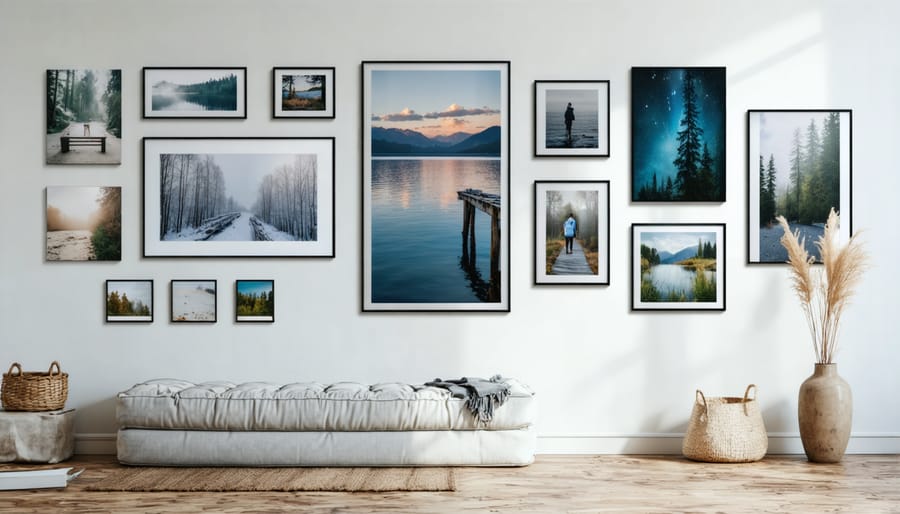
The key to incorporating meaningful objects lies in thoughtful placement and presentation. Create dedicated display areas that highlight special pieces without overwhelming the space. A carefully arranged bookshelf might showcase both beloved books and treasured mementos, while a gallery wall can combine family photos with artistic pieces that speak to your journey.
Consider rotating your meaningful objects seasonally to prevent visual fatigue and maintain their special significance. This practice also allows you to tell different aspects of your story throughout the year. When selecting display pieces, focus on items that genuinely spark joy or carry significant meaning rather than keeping everything for sentiment’s sake.
Remember that meaningful decor isn’t limited to inherited or purchased items. DIY projects, children’s artwork, or even repurposed family heirlooms can become powerful decorative elements that add personal meaning to your space while reflecting your unique story.
Space Organization and Personality
The way you arrange your living space speaks volumes about your personality and daily routines. People who prefer open, minimalist layouts often value clarity and efficiency in their lives, while those who create cozy, intimate seating arrangements typically prioritize close relationships and communication. Your furniture placement can reveal whether you’re more socially oriented, positioning seating to encourage conversation, or if you prefer solitary activities, creating private nooks for reading or working.
Storage solutions are particularly telling – organized storage systems often indicate a methodical personality, while creative, unconventional storage might suggest an artistic spirit. The distance between furniture pieces can also reflect personal boundaries and comfort levels with social interaction. Those who arrange furniture with ample space between pieces typically value personal space, while closer arrangements suggest a preference for intimacy and connection.
Traffic flow patterns in your home can indicate time management style – efficient paths through rooms often belong to practical, organized individuals, while meandering arrangements might suggest a more relaxed, spontaneous approach to life. Even the flexibility of your layout, whether fixed or frequently changed, can reflect how adaptable you are to change in general.
Creating Authentic Living Spaces
Identifying Your Personal Style
Discovering your personal style in home decor starts with observing what naturally draws your attention. Take a few minutes to browse through interior design magazines or Pinterest boards, saving images that immediately catch your eye. Look for patterns in your selections – do you consistently gravitate toward clean, minimal spaces or richly layered rooms?
Create a mood board combining your favorite colors, textures, and patterns. Include images of furniture pieces you love and spaces that make you feel at home. Pay attention to your existing possessions, particularly items you’ve kept for years or display prominently. These often reveal underlying style preferences you might not consciously recognize.
Consider your lifestyle needs and daily routines. A minimalist aesthetic might appeal visually, but if you’re a collector or have young children, you’ll need to balance style with practicality. Think about spaces where you feel most comfortable, whether it’s a cozy café or a sleek hotel lobby.
Try this simple exercise: list three words that describe your ideal home environment. They might be “peaceful,” “energizing,” or “sophisticated.” These adjectives can guide your design choices and help you create a space that truly reflects your personality while meeting your functional needs.
Remember, your style can evolve over time, and it’s perfectly fine to blend different design elements that speak to you. The goal is creating a space that feels authentically yours.
Incorporating Personal Elements
Transforming your living space into a personal sanctuary begins with incorporating elements that tell your unique story. Start by displaying cherished family photographs in creative arrangements, mixing traditional frames with modern floating shelves for a dynamic look. Travel souvenirs can become conversation pieces when thoughtfully integrated – that woven basket from Morocco might make a perfect wall accent or magazine holder.
Create memory corners by grouping meaningful objects together. That vintage camera collection or your grandmother’s antique teacup set can become striking decorative elements while preserving precious memories. Consider transforming personal achievements, like medals, artwork, or music instruments, into wall art or shelf displays.
Don’t overlook the power of customization. Transform plain furniture with personal touches – add custom knobs to dressers, recover chair seats with fabric that speaks to your style, or create a gallery wall mixing professional art with children’s drawings. Handmade items, whether they’re your own creations or artisan pieces you’ve collected, add authentic character to your space.
Color choices can also reflect your personality. If you’re drawn to the ocean, incorporate various blues and seafoam greens. For those who love nature, bring in earth tones and botanical elements. Remember, meaningful decor doesn’t mean cluttered – choose items that genuinely resonate with your story and arrange them thoughtfully to create a space that feels both personal and purposeful.
Balancing Trends with Personal Expression
Staying current with interior design trends while maintaining your personal style can feel like walking a tightrope, but it doesn’t have to be complicated. The key lies in selective incorporation rather than wholesale adoption of every trending element. Start by identifying which current trends genuinely resonate with your aesthetic preferences and lifestyle needs.
Consider the 80/20 rule when balancing trends with personal expression: let 80% of your space reflect your core style while allowing 20% for trendy elements. This approach helps create a space that feels both contemporary and authentically you. For instance, if you love traditional furniture but want to embrace modern trends, try incorporating current color schemes or contemporary artwork while keeping your classic pieces.
Personal expression can be woven into trending styles through meaningful objects, family heirlooms, or travel souvenirs. These items tell your story and add depth to your space, preventing it from looking like a catalog page. Mix vintage finds with modern pieces, or blend cultural elements with contemporary designs to create a unique narrative.
Remember that trends are cyclical, so invest in quality pieces that speak to your personal style for the long term. Use trending items in easily changeable elements like throw pillows, wall art, or small decorative accessories. This strategy allows you to update your space without compromising its core character or breaking the bank.
Most importantly, trust your instincts. If a popular trend doesn’t feel right for your space, skip it. Your home should be a reflection of your personality and values, not just a showcase of current design fads. The most successful interiors are those that evolve naturally while maintaining their owner’s authentic voice.
Interior decor is far more than just arranging furniture or choosing color schemes – it’s a powerful form of self-expression that transforms your living space into a personal sanctuary. When you decorate authentically, your home becomes a true reflection of your journey, values, and aspirations. This genuine approach to design creates spaces that not only look beautiful but feel deeply meaningful and connected to who you are.
Remember that there’s no one-size-fits-all solution in interior design. The most successful spaces are those that tell your unique story through carefully chosen elements, from family heirlooms to travel souvenirs, or even DIY creations that showcase your creativity. By staying true to your personal style and letting your space evolve naturally over time, you create an environment that nurtures, inspires, and truly feels like home.