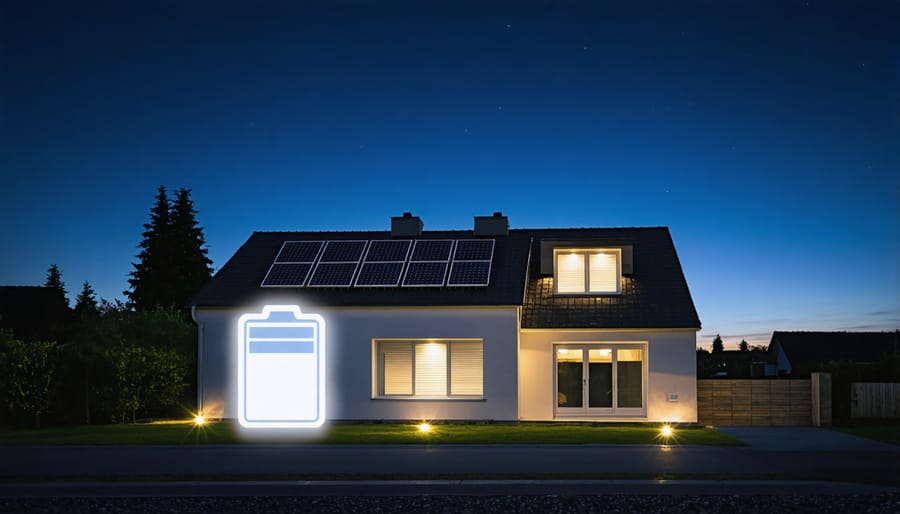
Smart Battery Storage Makes Your Solar Power Work Harder at Home
Transform your solar investment into a 24/7 power solution with modern home battery storage solutions. Today’s energy storage systems have revolutionized how homeowners harness and utilize solar power, offering independence from the grid and protection against power outages.
Smart battery systems now integrate seamlessly with existing solar installations, automatically storing excess daytime energy for evening use and monitoring real-time consumption patterns to optimize savings. These systems can power essential appliances during outages, regulate energy flow to maximize efficiency, and even sell stored power back to the grid during peak demand periods.
The technology has evolved significantly, with compact wall-mounted units that fit gracefully in garages or utility rooms, simplified installation processes, and user-friendly apps that put complete control at your fingertips. Whether you’re looking to reduce electricity bills, ensure continuous power supply, or minimize your carbon footprint, modern storage solutions offer a practical path to energy independence.
As utility rates continue rising and extreme weather events become more common, investing in solar storage isn’t just about going green – it’s about securing your home’s energy future while potentially saving thousands on annual energy costs.
Why Your Solar Panels Need a Smart Storage System

Day vs. Night Energy Management
The key challenge with solar power is timing – your panels generate the most electricity during sunny daytime hours, but household energy usage typically peaks in the evening when the sun sets. This is where energy storage systems prove invaluable. Think of them as your personal energy bank, storing excess solar power during the day for use after dark.
Modern storage systems use smart technology to automatically manage this day-to-night transition. During peak sunlight hours, your panels may generate more power than you need. Instead of sending this surplus back to the grid, storage systems capture and bank it. When evening comes and your household’s demand increases – think dinner preparation, TV watching, heating or cooling – the system seamlessly switches to using your stored energy.
Many systems also include intelligent features that learn your usage patterns over time. They can predict when you’ll need more power and ensure adequate storage is available. This smart management helps maximize your solar investment while maintaining reliable power supply around the clock, regardless of the time of day.
Backup Power When You Need It Most
When the power grid fails, your solar energy storage system becomes your household’s safety net. During blackouts, storms, or other emergencies, a properly sized battery backup system keeps your essential appliances running smoothly. You can maintain power to your refrigerator, lighting, medical equipment, and charging stations for vital communication devices.
Unlike traditional generators, solar battery systems operate silently and don’t require fuel, giving you true energy independence. Many modern systems automatically detect grid outages and switch to backup power in milliseconds – so fast that your Netflix stream might not even skip a frame.
The peace of mind that comes with reliable backup power is invaluable. Whether it’s keeping your home office running during a workday outage or ensuring your security systems stay active overnight, your battery system works tirelessly in the background. Plus, with smart monitoring features, you’ll always know exactly how much backup power you have available.
For areas prone to natural disasters or frequent grid disruptions, this self-reliance can be especially crucial. Your stored solar energy becomes a lifeline, helping you weather the storm while staying comfortable and connected.

Popular Home Battery Options Explained
Lithium-Ion Systems
Lithium-ion batteries have become the go-to choice for solar energy storage, and it’s easy to see why. These systems offer an impressive combination of reliability, efficiency, and smart features that make them perfect for both homes and businesses.
One of the biggest advantages of lithium-ion systems is their compact size – they take up about a third of the space of traditional lead-acid batteries while storing more energy. They’re also incredibly efficient, converting and storing up to 95% of the energy they receive from your solar panels. Most systems can last 10-15 years with minimal maintenance, making them a truly set-it-and-forget-it solution.
Smart features are another major selling point. Many lithium-ion systems come with user-friendly apps that let you monitor your energy usage, adjust storage settings, and even participate in grid services programs that can earn you extra money. They’re also safer than older battery technologies, with built-in protection against overheating and overcharging.
While the upfront cost is higher than other options, lithium-ion systems typically offer better long-term value thanks to their longer lifespan and higher efficiency. They work particularly well in daily cycling applications, making them ideal for storing solar power during the day and using it at night when electricity rates are higher.
When selecting a system, consider factors like storage capacity, power output, warranty terms, and compatibility with your existing solar setup. Most manufacturers offer different sizes to match various energy needs and budgets.
Alternative Storage Technologies
While traditional lithium-ion batteries dominate the market, exciting new storage technologies are emerging that could revolutionize how we store solar energy. Flow batteries are gaining attention as a promising alternative, particularly for larger installations. These innovative systems store energy in liquid electrolytes, making it possible to increase capacity simply by using larger storage tanks.
One of the biggest advantages of flow batteries is their longer lifespan – they can last up to 20 years with minimal degradation, compared to 10-15 years for typical lithium-ion systems. They’re also safer, with a lower risk of overheating and fire, making them particularly attractive for home installations.
Compressed air energy storage (CAES) is another emerging option that works by using excess solar power to compress air into storage tanks or underground caverns. When energy is needed, the compressed air is released to drive turbines and generate electricity. While currently more suitable for utility-scale applications, smaller residential versions are in development.
Thermal energy storage systems are gaining traction too, especially in regions with extreme temperatures. These systems use solar energy to heat or cool special materials that can maintain their temperature for extended periods, effectively storing energy for later use in heating or cooling your home.
For environmentally conscious homeowners, saltwater batteries offer a non-toxic, sustainable alternative to traditional chemical batteries, though they currently have lower energy density.
Smart Features That Save You Money
Time-of-Use Optimization
Smart energy storage systems help homeowners maximize energy savings by automatically responding to time-of-use electricity rates. These intelligent systems learn your household’s energy patterns and strategically charge the battery when rates are lowest, typically during off-peak hours.
During peak rate periods, when grid electricity costs the most, your system switches to stored power instead of drawing from the grid. This simple but effective strategy can significantly reduce your monthly utility bills. For example, you might charge your battery overnight when rates are just pennies per kilowatt-hour and use that stored energy during expensive evening peak periods.
Many modern storage systems come with user-friendly apps that display real-time rate information and usage patterns. You can set preferences for when to charge and discharge your battery, or let the system’s artificial intelligence handle it automatically. Some utilities even offer special time-of-use rate programs specifically for homes with energy storage, creating even more opportunities for savings.
For the best results, look for systems that integrate seamlessly with your solar setup and can be programmed to account for weather forecasts and seasonal rate changes.
Mobile Apps and Home Integration
Modern energy storage systems come with sophisticated mobile apps that put control right at your fingertips. These user-friendly applications allow you to monitor your battery’s charge levels, track energy consumption patterns, and adjust settings remotely from anywhere. Many manufacturers offer real-time notifications about system performance and potential maintenance needs, helping you stay informed about your energy investment.
The true power of these systems shines through their smart home integration capabilities. You can easily connect your energy storage system with popular platforms like Amazon Alexa, Google Home, or Apple HomeKit. This integration enables automated responses to energy prices, weather forecasts, and your daily routines.
With just a few taps, you can prioritize certain appliances during peak hours, schedule charging times to take advantage of lower electricity rates, or ensure critical systems maintain power during outages. Many apps also provide detailed analytics and suggestions for optimizing your energy usage, helping you maximize savings while reducing your carbon footprint. The intuitive interfaces make it simple for anyone in the household to understand and manage their energy consumption effectively.
Installation and Maintenance Made Simple
Professional vs. DIY Installation
While some DIY-savvy homeowners might be tempted to install their energy storage system themselves, it’s crucial to understand where to draw the line between DIY and professional work. You can handle basic preparations like clearing the installation area, running basic conduit, and mounting brackets if you’re comfortable with home improvement projects.
However, the actual installation of battery systems, electrical connections, and integration with your solar setup should be left to certified professionals. These components involve complex electrical work and must comply with local building codes and safety regulations. A professional installer will ensure proper system sizing, correct wiring, and seamless integration with your existing solar infrastructure.
Professional installation also typically includes important safety features, system programming, and proper testing. Most manufacturers require professional installation to maintain warranty coverage, and many jurisdictions mandate licensed electricians for this type of work.
If you’re interested in reducing costs, consider handling the simpler aspects like site preparation while working with professionals for the technical installation. This hybrid approach can save money while ensuring your energy storage system is safely and correctly installed.
Keeping Your System Running Efficiently
Regular maintenance of your energy storage system ensures optimal performance and longevity. Start with monthly visual inspections of your battery units, checking for any signs of damage, corrosion, or loose connections. Keep the area around your batteries clean and well-ventilated, and remove any dust or debris that might accumulate.
Monitor your system’s performance through its management interface, paying attention to charging cycles and efficiency rates. Most modern systems come with smartphone apps that make this task easier. If you notice unusual patterns or decreased performance, it might be time for a professional check-up.
For battery maintenance, follow these simple steps:
– Check battery terminals quarterly for tight connections
– Clean battery surfaces with a dry cloth monthly
– Review system readings and performance logs weekly
– Ensure proper ventilation is maintained
– Test backup functions every six months
When troubleshooting, start with the basics: check if all connections are secure, verify that the system is receiving proper input from your solar panels, and confirm that your inverter is functioning correctly. If you encounter error messages or unusual behavior, consult your user manual first – many common issues have simple solutions. For more complex problems, don’t hesitate to contact your system installer or manufacturer’s support team.
Cost Considerations and ROI
Investing in an energy storage system requires careful consideration of both upfront costs and long-term benefits. Currently, a complete home battery system typically ranges from $8,000 to $15,000, including installation. However, many homeowners find this investment worthwhile as it helps them reduce your power bills significantly over time.
Several financial incentives can help offset the initial investment. The federal Investment Tax Credit (ITC) offers a 30% tax credit for battery systems charged by solar panels. Many states and utilities provide additional rebates and incentives, potentially reducing your out-of-pocket expenses by 40-50%.
The return on investment (ROI) typically ranges from 5-7 years, depending on your energy usage patterns and local electricity rates. Factors that improve ROI include:
– Time-of-use rate optimization
– Backup power value during outages
– Grid service program participation
– Solar self-consumption maximization
For optimal financial benefits, size your system based on your daily energy consumption and peak usage patterns. A properly sized system can save $200-400 monthly on electricity bills while providing reliable backup power. Some homeowners report additional savings through participation in utility demand response programs, which pay you for allowing the utility to access your stored energy during peak demand periods.
Remember to factor in maintenance costs, which are generally minimal for modern battery systems. Most warranties cover 10 years of operation, with many systems lasting well beyond that timeframe.
Energy storage systems have become an essential component in maximizing the benefits of solar power installations. By storing excess energy for later use, these systems provide reliable backup power, help reduce electricity bills, and increase energy independence. Whether you choose traditional lead-acid batteries, modern lithium-ion systems, or emerging technologies like flow batteries, there’s a solution to match your needs and budget.
The key is to carefully assess your energy requirements, available space, and local climate conditions before making a decision. Smart features and monitoring capabilities can help you optimize your system’s performance, while proper maintenance ensures longevity and reliability.
Taking the step toward energy storage isn’t just about saving money – it’s about taking control of your energy future. As technology continues to advance and prices become more competitive, there’s never been a better time to invest in energy storage for your solar system. By combining solar panels with efficient storage solutions, you’re not just creating a more sustainable home; you’re building a foundation for true energy independence that will benefit you for years to come.
Remember, the journey to energy independence starts with a single step. Consider reaching out to qualified installers in your area to explore the best storage options for your specific situation.