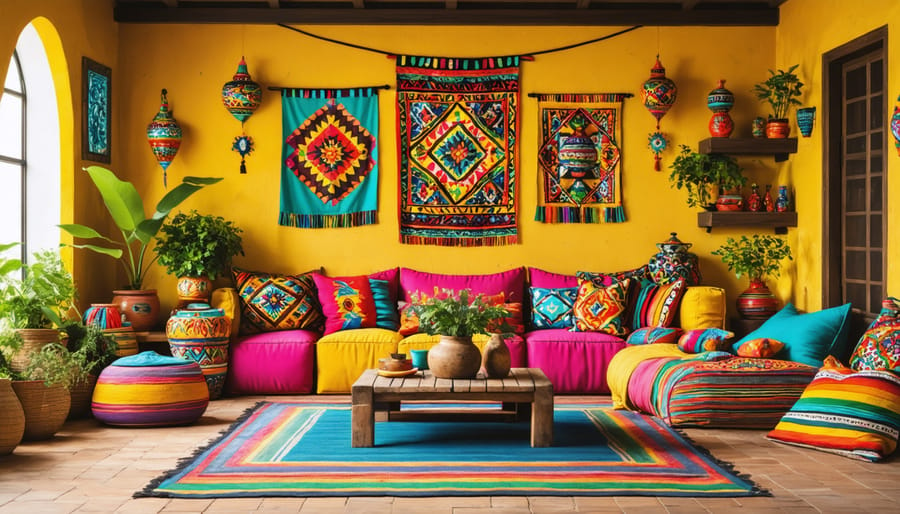
Transform Your Home with Vibrant Hispanic Heritage Art (Easy DIY Projects)
Transform your living space with vibrant Hispanic heritage crafts that blend centuries of traditional craftsmanship with modern design sensibilities. From the sun-baked colors of Mexican talavera pottery to the intricate patterns of Spanish mosaic work, these authentic artistic elements bring warmth and cultural depth to any room. Master artisans across Latin America have perfected these techniques over generations, creating distinctive styles that range from bold geometric patterns to delicate floral motifs. Whether you’re drawn to hand-painted ceramic tiles, woven textiles, or carved wooden sculptures, Hispanic arts and crafts offer endless possibilities for personalizing your space while honoring rich cultural traditions. Learn to incorporate these timeless design elements through practical DIY projects that celebrate heritage while complementing contemporary interiors.
Traditional Hispanic Art Forms That Define Modern Spaces
Talavera-Inspired Ceramic Projects
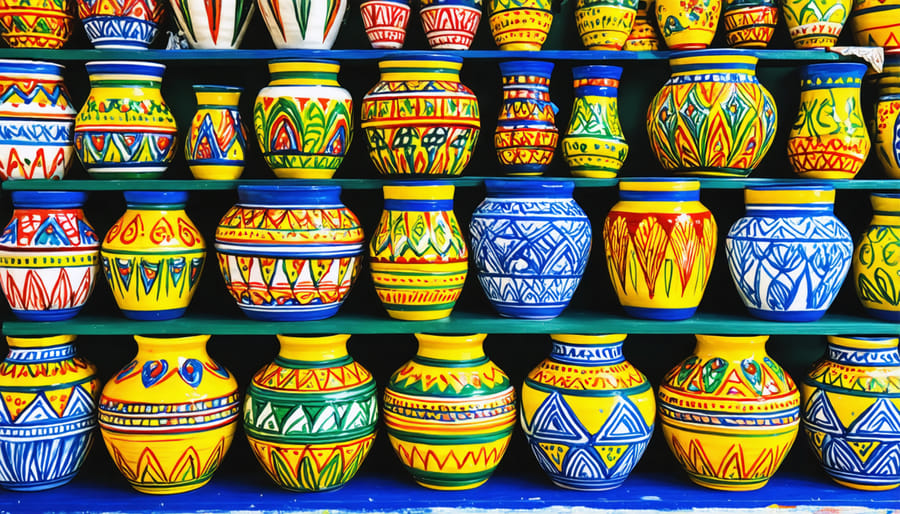
Transform your home with stunning Talavera-inspired creative DIY home decor projects that celebrate this iconic Mexican ceramic style. Start with terra cotta pots or ceramic tiles as your base. Paint them with a white primer, then create bold designs using acrylic paints in traditional Talavera colors – cobalt blue, yellow, green, and orange. Popular motifs include flowers, birds, and geometric patterns.
For a simple project, paint plain ceramic tiles with intricate Talavera-inspired designs to create coasters or wall art. More ambitious crafters can tackle larger pieces like planters or serving platters. Use fine-tipped brushes for detailed work and seal finished pieces with clear waterproof sealant for durability.
To achieve authentic-looking results, study traditional Talavera patterns online or in books. Remember that perfect symmetry isn’t necessary – slight variations add character and charm to your pieces. Consider creating a set of matching items for a cohesive look, such as a collection of decorated flowerpots for your patio or a series of wall plates for your kitchen.
Papel Picado Wall Art
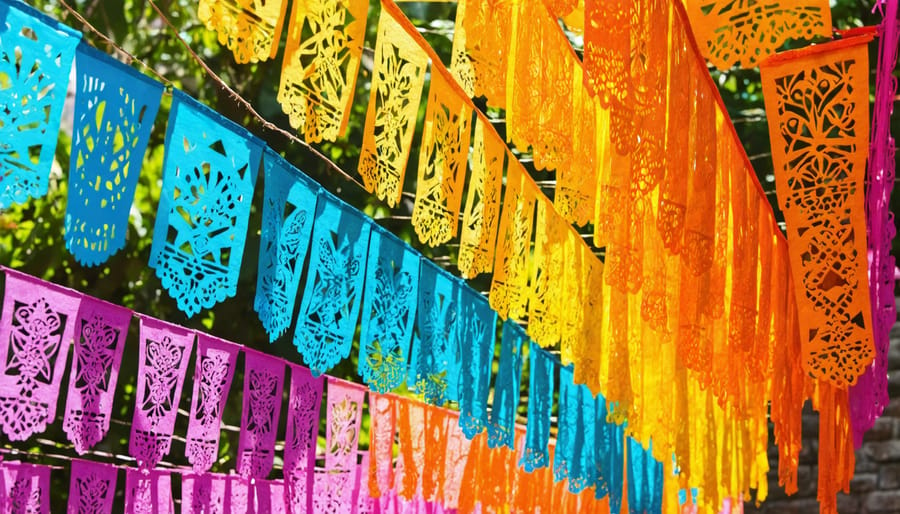
Create stunning papel picado decorations by following these simple steps. Start by folding a sheet of colorful tissue paper into quarters or eighths, depending on your desired pattern size. Sketch your design lightly with pencil on the folded paper, incorporating traditional motifs like flowers, birds, or geometric shapes.
Using small, sharp scissors, carefully cut out your pattern, making sure to leave some areas connected to maintain the paper’s structure. Remember that the folded edges should remain intact to keep your design together. Popular elements include scalloped edges, hearts, stars, and zigzag patterns.
When unfolding your creation, you’ll reveal a symmetrical design that can be strung together with others to form a beautiful banner. Create multiple panels in different colors to achieve the festive look typical of Mexican celebrations. String the panels together using thin ribbon or twine, leaving small gaps between each piece.
For durability, consider using plastic papel picado for outdoor displays or areas with high humidity. Display your finished artwork across windows, above doorways, or along ceiling beams to add authentic Hispanic charm to any space.
Handcrafted Hispanic Textiles for Your Home
Modern Takes on Traditional Serapes
The vibrant patterns and bold colors of traditional serapes are finding new life in modern home decor, offering a stylish way to celebrate Hispanic heritage while creating contemporary living spaces. Start with throw pillows featuring serape-inspired stripes in sunset oranges, deep purples, and vivid blues – they’re perfect for adding a pop of color to neutral sofas or bedding. Transform plain ceramic planters with serape patterns using acrylic paint, creating stunning displays for succulents or indoor plants.
For a bold statement, consider creating a serape-inspired accent wall using painter’s tape and multiple paint colors. This modern interpretation brings the textile’s iconic stripes to life on a grand scale. DIY enthusiasts can upcycle furniture by decoupaging serape-patterned paper onto side tables or chair backs, while those who prefer subtle touches might appreciate serape-inspired coasters or table runners.
Digital printing has made it possible to incorporate these traditional patterns into modern materials – think vinyl floor tiles, wallpaper, or even shower curtains. For outdoor spaces, weather-resistant fabrics with serape designs make beautiful patio cushions or garden flags. Remember to balance these colorful elements with neutral pieces to create a harmonious space that honors tradition while embracing contemporary design sensibilities.
Embroidery Techniques from Latin America
Latin American embroidery techniques offer a vibrant way to connect with Hispanic heritage through stunning needlework. Mexican Otomi embroidery, known for its colorful animal and floral motifs, makes for beautiful wall hangings or pillow covers. To try this style, start with a simple pattern featuring one or two animals outlined in bright thread colors against natural fabric.
Peruvian cross-stitch embroidery, characterized by geometric patterns and vibrant color combinations, is perfect for beginners. Create a table runner using traditional diamond patterns in red, yellow, and blue threads on white cotton. For best results, use embroidery floss with six strands and split them in half for more delicate work.
The Argentine punch needle technique, or bordado al aire, creates raised designs that add wonderful texture to any project. Try decorating a plain throw pillow with traditional sun motifs or abstract flowers using this method. Choose wool yarn in earth tones for an authentic look.
For a quick weekend project, explore Chilean arpillera-style embroidery, which combines appliqué with simple stitching. Create a small wall hanging using felt pieces and basic embroidery stitches to tell a story or depict a scene from daily life. This folk art style works beautifully for personalizing tote bags or decorative frames.
Remember to respect the cultural significance of these patterns while making them your own. Start with simple designs and gradually work your way up to more complex patterns as your skills improve.
Color and Pattern: The Heart of Hispanic Design
Creating Color Palettes
Traditional Hispanic color palettes draw inspiration from vibrant natural elements, cultural celebrations, and historical artworks. Start with warm earth tones like terra cotta, adobe brown, and golden yellow as your base colors. These reflect the architectural heritage of many Hispanic cultures and create a grounding foundation for your design.
Layer in vibrant accent colors like Mexican pink (rosa mexicano), cobalt blue, and marigold orange. These bold hues are commonly found in traditional textiles, pottery, and festival decorations. For a balanced palette, incorporate at least one neutral shade like cream or warm white to provide visual rest between the more intense colors.
Consider these classic combinations:
– Turquoise, coral, and sand (coastal influences)
– Deep red, mustard yellow, and burnt orange (desert sunset)
– Indigo, lime green, and terra cotta (tropical garden)
When creating your palette, aim for 3-5 colors total. Use the 60-30-10 rule: 60% primary color, 30% secondary color, and 10% accent color. Remember that authentic Hispanic design isn’t afraid of bold color combinations – embrace the richness and energy these palettes bring to your space.
Pattern Mixing Techniques
Mastering pattern mixing in Hispanic arts and crafts requires an understanding of color harmony and cultural motifs. Start by pairing geometric Aztec patterns with softer, flowing Spanish floral designs – the key is to vary the scale of each pattern. For example, combine large Talavera-inspired florals with smaller serape stripes, keeping one pattern dominant and the other complementary.
When mixing patterns, use a consistent color palette as your foundation. Traditional Hispanic colors like terracotta, cobalt blue, and golden yellow create a cohesive look even with different pattern styles. Try combining at least three patterns: a large-scale design, a medium geometric pattern, and a smaller textural element.
Balance bold patterns with neutral spaces to prevent visual overwhelm. Consider using patterns of similar intensity – pair intricate Otomi embroidery patterns with equally detailed Huichol art motifs. For beginners, start with patterns sharing one common color, then gradually introduce more complex combinations as you become comfortable with the technique.
Remember that negative space is crucial – allow some solid-colored areas between patterns to create visual breathing room and highlight each design’s unique characteristics.
Room-by-Room Hispanic Heritage Integration
Living Room Focal Points
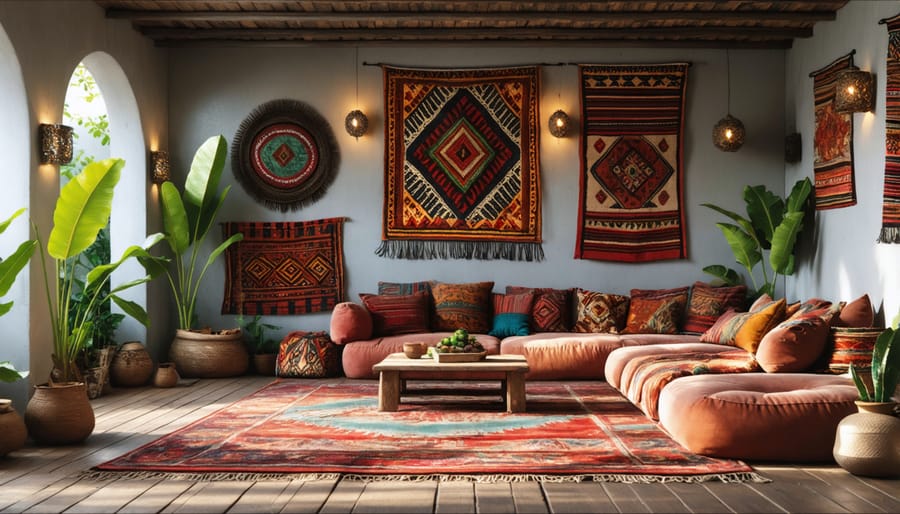
Transform your living room into a vibrant celebration of Hispanic heritage by creating eye-catching focal points that command attention and spark conversation. Start with a statement wall featuring hand-painted talavera-inspired patterns or a carefully curated collection of custom art pieces that showcase traditional motifs.
Consider arranging colorful papel picado in modern shadow boxes, creating a fresh take on this classic Mexican folk art. Position these delicate paper cutouts against a neutral background to make their intricate designs pop. For a bold statement, install a gallery wall combining family photos in ornate carved frames with traditional artifacts like woven serapes or decorative ceramic plates.
Make your fireplace mantel a showcase for handcrafted treasures. Display a collection of miniature clay figurines, painted wooden crosses, or traditional Mexican pottery in varying heights and sizes. Add depth by incorporating metalwork pieces like tin stars or copper sculptures, which reflect light and add warmth to the space.
Don’t forget the power of textiles – layer authentic Mexican blankets over furniture or create a stunning wall hanging using vintage rebozos. Complete your focal point with strategic lighting, using wrought iron sconces or pendant lights with punched metal designs to cast beautiful shadows that enhance the overall ambiance of your cultural display.
Kitchen and Dining Accents
Transform your kitchen and dining spaces into vibrant celebrations of Hispanic culture with thoughtfully chosen accents and decorative elements. Start with colorful talavera tiles for backsplashes or as decorative plate displays – these hand-painted pieces instantly add authentic character to any wall. Consider displaying traditional serving pieces like terra cotta ollas, copper cazuelas, or hand-thrown pottery on open shelving or in glass cabinets.
Add warmth with hand-woven table runners featuring traditional patterns and bright colors. These textiles not only protect your table but also create an inviting atmosphere for family gatherings. Incorporate wrought iron elements through candleholders, pot racks, or decorative wall pieces – these sturdy materials are both functional and aesthetically pleasing.
For a personal touch, create a gallery wall using vintage Mexican advertisement prints or family recipes written in elegant Spanish calligraphy. Display traditional cooking tools like molcajetes, wooden molinillos, or ceramic chile ristras as functional art pieces. These items tell a story while remaining practical for everyday use.
Don’t forget the power of color – incorporate rich yellows, deep reds, and cobalt blues through smaller accessories like napkin holders, salt and pepper shakers, or fruit bowls. For special occasions, set your table with hand-painted ceramic plates and traditional glassware, creating an authentic dining experience that honors Hispanic heritage while complementing your modern home.
Hispanic heritage arts and crafts offer a vibrant way to celebrate and showcase cultural identity while creating beautiful, meaningful spaces in your home. From colorful papel picado to hand-painted ceramics, these DIY projects allow you to connect with traditions while adding unique personality to your décor. By incorporating personalized artisanal decor inspired by Hispanic heritage, you’re not just decorating – you’re telling a story and preserving cultural traditions for future generations. Whether you’re starting with simple tissue paper crafts or diving into more complex weaving projects, remember that each piece you create adds authenticity and warmth to your space. Start your creative journey today by choosing a project that speaks to you, and watch as your home transforms into a celebration of Hispanic artistry and culture.