
These Smart Paint Choices Keep Your Walls Beautiful (And Easy to Clean)
Washable interior paint revolutionizes home maintenance, combining durability with easy cleaning to protect your investment. Modern formulations let you transform your home with sustainable paint without sacrificing practicality. Simply wipe away fingerprints, crayon marks, and everyday scuffs using mild soap and water, maintaining your walls’ fresh appearance for years. These advanced paints feature specialized resins and binding agents that create a tough, non-porous surface while maintaining excellent color retention and a smooth finish. Perfect for high-traffic areas like kitchens, hallways, and children’s rooms, washable paint eliminates the need for frequent touch-ups while protecting your walls from moisture damage. The latest eco-friendly formulations even offer low-VOC options that keep your indoor air quality pristine while delivering superior washability.
What Makes Paint Truly Washable?
The Science Behind Washable Finishes
The secret behind washable paint lies in its unique chemical composition. Modern washable paints combine high-quality acrylic or latex resins with specialized binding agents that create a tough, smooth surface when dried. These binders act like microscopic glue, holding the pigments and other ingredients together while forming a protective barrier against moisture and stains.
What makes these finishes truly washable is their advanced polymer technology. As the paint dries, these polymers create a tight, interlocking network that’s both flexible and durable. This network allows the surface to resist water penetration while remaining breathable, preventing issues like peeling or bubbling when exposed to moisture.
The paint’s surface tension also plays a crucial role. Manufacturers add surfactants that help the paint repel liquids rather than absorb them, making it easier to wipe away spills before they can set in. Additionally, special additives create a slight sheen that not only enhances cleanability but also helps maintain the paint’s original appearance even after repeated washing.
These scientific advancements mean today’s washable paints can withstand regular cleaning without losing their color or finish quality.
Different Sheens and Their Cleaning Potential
Paint sheen plays a crucial role in both appearance and cleanability. High-gloss finishes offer the most durability and are extremely easy to clean, making them perfect for high-traffic areas like kitchens and children’s rooms. Their reflective surface readily shows fingerprints and wall imperfections, however, so careful surface preparation is essential.
Semi-gloss provides excellent washability while being slightly more forgiving than high-gloss. It’s ideal for bathrooms, trim work, and areas prone to moisture or frequent cleaning. Satin finish strikes an excellent balance between cleanability and aesthetic appeal, making it a popular choice for living areas and hallways. Its subtle sheen hides minor imperfections while still allowing for easy cleaning.
Eggshell finish offers a low-luster look that works well in dining rooms and bedrooms. While less washable than higher sheens, it can still handle light cleaning and occasional spot treatment. Flat or matte finishes are the least washable but excel at hiding surface flaws. They’re best suited for low-traffic areas or ceilings where cleaning isn’t frequently needed.
Eco-Friendly Washable Paint Options
Low-VOC and Zero-VOC Solutions
For environmentally conscious homeowners, eco-friendly paint options have come a long way in recent years, offering excellent washability without compromising air quality. Low-VOC and zero-VOC paints contain significantly fewer volatile organic compounds than traditional paints, making them safer for your family and the environment.
These modern formulations provide the same durability and washability as conventional paints while reducing indoor air pollution. Zero-VOC paints contain less than 5 grams of VOCs per liter, while low-VOC options typically have less than 50 grams per liter – compared to traditional paints that can contain up to 150 grams per liter.
Many major paint manufacturers now offer washable low-VOC lines that perform exceptionally well in high-traffic areas. These paints are particularly suitable for bedrooms, nurseries, and living spaces where air quality is a top priority. They dry quickly, produce minimal odor, and maintain their color integrity even after repeated cleaning.
Look for certifications like Green Seal or GREENGUARD when selecting your paint. These independent verifications ensure the product meets strict environmental and health standards while delivering the washability you need. Some brands even incorporate natural ingredients and antimicrobial properties, making them ideal for moisture-prone areas like kitchens and bathrooms.
Natural and Bio-Based Alternatives
As environmental consciousness grows, many homeowners are turning to natural and bio-based paint alternatives that offer both washability and eco-friendly benefits. These innovative paints use plant-based binders, natural minerals, and renewable materials instead of traditional petroleum-based ingredients.
Clay-based paints have emerged as a popular choice, featuring natural pigments and excellent washability when properly sealed. These paints are particularly good at regulating indoor humidity and are free from harmful VOCs (volatile organic compounds). Milk-based paints, made with casein protein, offer another sustainable option that’s both durable and cleanable when finished with a natural sealant.
Plant-based paints utilizing ingredients like soy and sunflower oil provide impressive washability while maintaining high environmental standards. These formulations often include natural antimicrobial properties, making them ideal for high-traffic areas and homes with children or pets.
Some manufacturers now offer algae-based paints that capture CO2 during production, making them carbon-negative. These innovative solutions provide comparable washability to traditional paints while contributing to environmental sustainability. Natural mineral-based paints, combining limestone, clay, and silicates, offer exceptional durability and washability while remaining completely biodegradable.
When choosing natural alternatives, look for certifications like Green Seal or ECOLOGO to ensure the paint meets both environmental standards and performance requirements for washability.
Best Practices for Cleaning Washable Paint
Gentle Cleaning Methods
Regular cleaning of washable interior paint requires gentle methods to maintain its finish and extend its lifespan. Following proper paint maintenance techniques can help preserve your walls’ appearance for years to come.
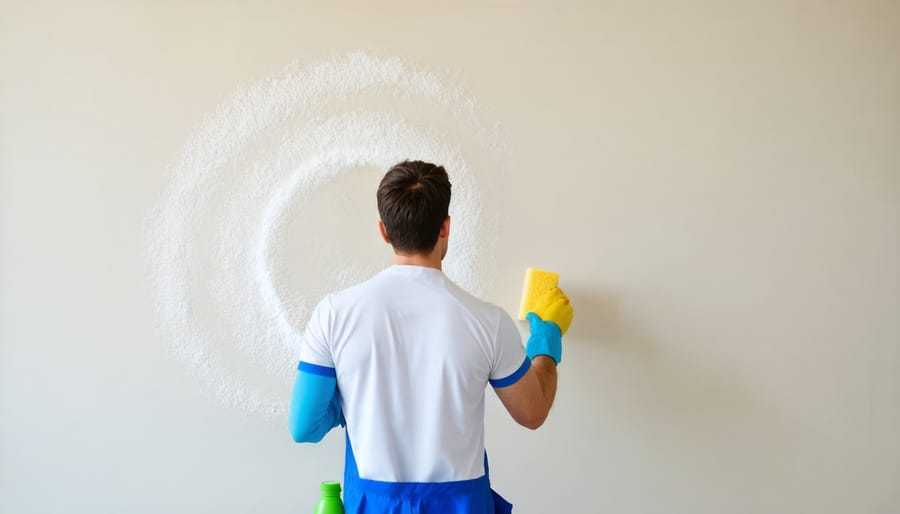
Start with the mildest cleaning approach: warm water and a soft microfiber cloth. Gently wipe the wall surface in circular motions, avoiding excessive pressure. For slightly stubborn spots, add a few drops of mild dish soap to your water solution. Always test your cleaning solution on an inconspicuous area first.
When cleaning, work from bottom to top to prevent drip marks, and keep a dry cloth handy to wipe away excess moisture immediately. Never let water run down the wall or pool at baseboards. For routine maintenance, dust your walls monthly using a soft microfiber duster or vacuum with a brush attachment.
Avoid abrasive scrubbers, harsh chemicals, or excessive scrubbing, as these can damage the paint finish. If standard cleaning methods don’t work, consider using specialized wall cleaners designed for your specific paint type. Remember to clean spills and marks promptly to prevent staining and maintain your walls’ fresh appearance.
Tackling Tough Stains
Even with washable paint, some stains can prove challenging. For tough marks, start with the gentlest cleaning method and gradually escalate if needed. Begin with a soft microfiber cloth dampened with warm water, using gentle circular motions. If the stain persists, try adding a few drops of mild dish soap to your cleaning solution.
For stubborn crayon marks or scuffs, magic erasers work wonders but use them sparingly to avoid dulling the paint finish. Grease stains require special attention – mix a solution of warm water with a degreasing dish soap, and dab (don’t rub) the area gently. For mysterious sticky residues, a mixture of equal parts white vinegar and water can be effective.
Always test your cleaning solution on an inconspicuous area first, and avoid harsh chemicals or abrasive scrubbers that could damage the paint. When dealing with tough stains, patience is key – multiple gentle cleaning attempts are better than one aggressive scrub. Remember to dry the area thoroughly after cleaning to prevent water marks, and never clean freshly painted walls; wait at least two weeks after painting before attempting any stain removal.
Room-by-Room Paint Selection Guide
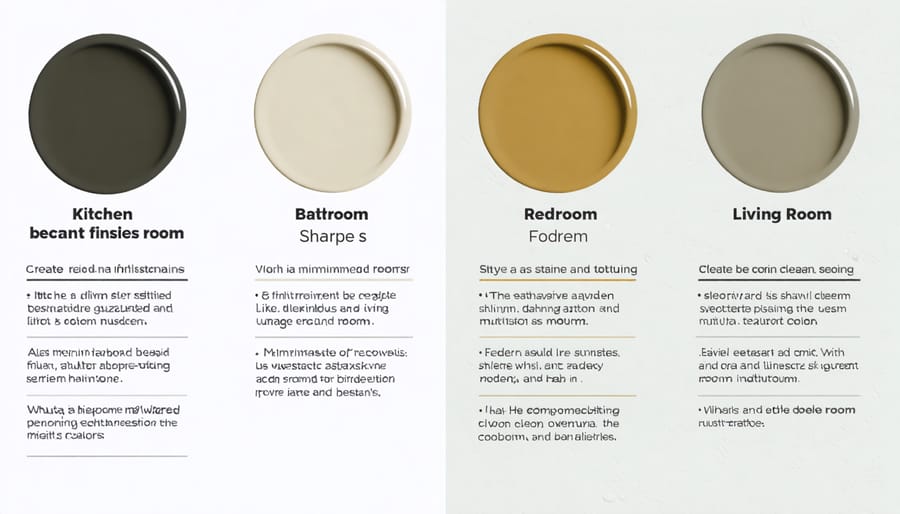
Each room in your home has unique requirements for washable paint, depending on its function and exposure to daily wear and tear. In high-traffic areas like hallways and entryways, opt for premium-grade eggshell or satin finishes that stand up to frequent cleaning. These areas benefit from darker colors that hide scuff marks better.
For kitchens and bathrooms, select semi-gloss or gloss finishes that resist moisture and food splatter. These paints typically contain antimicrobial properties and can withstand regular scrubbing. Light, bright colors work well here, making it easier to spot areas that need cleaning.
Children’s bedrooms and playrooms demand extra-durable finishes. Choose washable matte or eggshell paints that resist crayon marks and fingerprints. Consider fun, vibrant colors that can handle touch-ups without showing patch marks.
Living rooms and dining areas can benefit from washable velvet or matte finishes that maintain their sophisticated look while offering practical cleanability. These spaces usually don’t require the same level of scrub resistance as kitchens or children’s rooms, so you have more flexibility with color choices.
For home offices and adult bedrooms, washable flat or matte finishes provide a professional look while ensuring walls stay fresh-looking with minimal maintenance. These rooms typically need less intensive cleaning, so focus on colors that create the right atmosphere for work or rest.
Choosing the right washable paint can transform your interior maintenance routine from challenging to effortless. By selecting high-quality washable paint with the appropriate finish for each room, you’ll create surfaces that stand up to daily wear while maintaining their beautiful appearance. Remember to consider factors like room usage, moisture levels, and cleaning frequency when making your selection. For best results, always prep surfaces properly, use quality tools, and follow manufacturer guidelines for both application and cleaning. Regular maintenance with gentle cleaning solutions and soft cloths will help preserve your paint’s washable properties. Whether you’re a busy parent, pet owner, or simply value easy-care surfaces, washable paint offers the perfect blend of durability and aesthetic appeal, making it a smart investment for any modern home.