These Smart Home Upgrades Actually Help Save The Planet
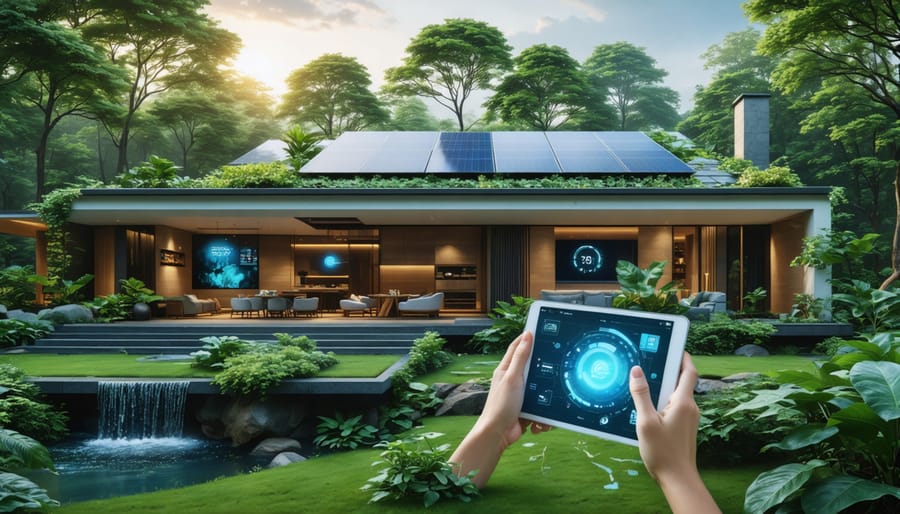
Transform your living space into an eco-friendly haven with modern sustainable home improvements that merge innovation with practical solutions. Smart thermostats slash energy costs by 10-15% annually while learning your temperature preferences. Solar-powered water heaters reduce utility bills by up to 80% and eliminate greenhouse gas emissions from traditional water heating. Automated lighting systems with motion sensors cut electricity waste by responding instantly to occupancy, while smart irrigation controllers adjust watering schedules based on real-time weather data, reducing water consumption by 30%.
Install energy-monitoring devices to track power usage in real-time through your smartphone, identifying energy-draining appliances and optimizing their operation. Implement gray water recycling systems to repurpose household water for garden irrigation, saving thousands of gallons annually. Smart window films automatically adjust tint based on sunlight intensity, reducing cooling costs while maintaining natural light.
These solutions not only minimize environmental impact but also create a more comfortable, efficient living space that adapts to your lifestyle. By embracing these innovations, homeowners can achieve significant cost savings while contributing to a more sustainable future.
Smart Water Management Systems That Pay For Themselves
Leak Detection Technology
Modern leak detection technology has revolutionized how we protect our homes from water damage and waste. Smart water monitors now attach directly to your main water line, continuously tracking water flow patterns and alerting you instantly when something’s amiss. These devices learn your household’s typical water usage over time, making them incredibly accurate at spotting unusual activity.
The real game-changer is the automated shut-off feature. When these systems detect a potential leak, they can automatically turn off your water supply, preventing costly damage before it happens. Most models connect to your smartphone through a user-friendly app, giving you real-time updates and control from anywhere in the world.
Installation is surprisingly straightforward, with many systems designed for DIY setup. Once in place, they can detect issues as small as a dripping faucet or as serious as a burst pipe. Some advanced models even monitor water pressure and temperature, providing early warning signs of potential plumbing issues.
These smart systems do more than just prevent leaks – they help you understand your water usage patterns, identify inefficient fixtures, and can reduce your water bills by up to 15%. Many insurance companies now offer discounts for homes equipped with these devices, making them an even smarter investment for environmentally conscious homeowners.

Greywater Recycling Solutions
Greywater recycling is revolutionizing how we think about water usage in our homes. These innovative systems capture and filter water from sinks, showers, and washing machines, making it safe for irrigation, toilet flushing, and other non-potable uses. By implementing a greywater system, households can reduce their water consumption by up to 40% while maintaining their regular lifestyle.
Modern greywater solutions range from simple DIY setups to sophisticated automated systems. A basic laundry-to-landscape system can redirect washing machine water directly to your garden through a network of pipes and filters. More advanced systems incorporate smart sensors that monitor water quality and automatically adjust filtration levels, ensuring optimal performance and safety.
For those considering installation, start with your washing machine or bathroom sink – these sources typically contain fewer contaminants and are easier to redirect. Most systems require a primary filter to remove hair and particles, followed by a biological treatment process that naturally cleanses the water through plant roots or beneficial bacteria.
The return on investment is particularly attractive, with most systems paying for themselves within 2-5 years through reduced water bills. Beyond the financial benefits, greywater recycling helps protect local water resources and reduces the strain on municipal treatment facilities. Many regions now offer rebates and incentives for homeowners who install these eco-friendly systems, making the initial investment more affordable than ever.
Energy-Efficient Home Automation
AI-Powered Climate Control
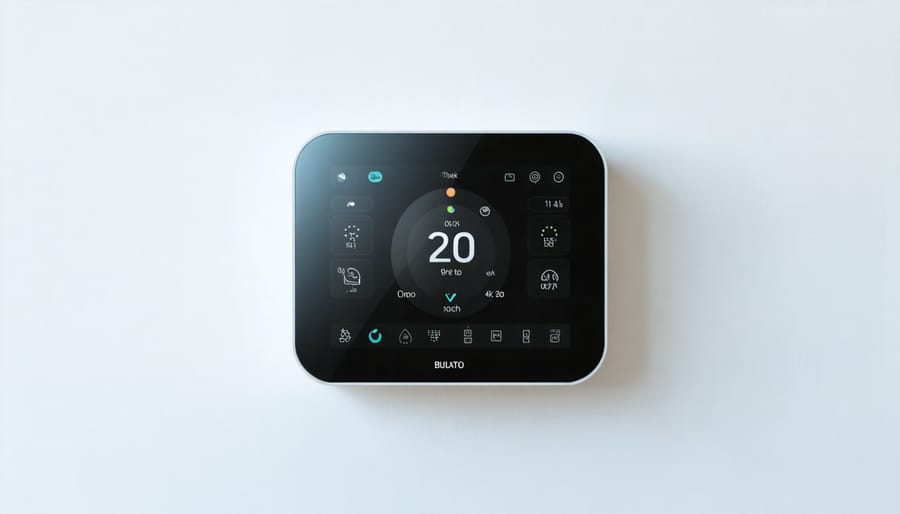
The integration of artificial intelligence into home climate control systems has revolutionized how we approach energy-efficient home solutions. Smart thermostats, equipped with machine learning capabilities, can now analyze your daily routines and adjust temperatures automatically, ensuring optimal comfort while minimizing energy waste.
These intelligent systems learn from your preferences and habits, creating personalized schedules that adapt to your lifestyle. For instance, they can detect when you’re heading home from work and begin adjusting the temperature before you arrive, or automatically reduce heating and cooling in unused rooms.
Modern AI-powered ventilation systems take this a step further, helping to optimize home ventilation by monitoring indoor air quality, humidity levels, and outdoor weather conditions. These systems can automatically activate fans, adjust dampers, and coordinate with your HVAC system to maintain ideal indoor conditions while maximizing energy efficiency.
The real beauty of these systems lies in their ability to provide detailed energy consumption data through user-friendly apps. You can track your usage patterns, receive maintenance alerts, and get personalized recommendations for additional energy savings. Many homeowners report energy bill reductions of 15-30% after installing smart climate control systems, making them an increasingly popular choice for sustainable home improvements.
Automated Lighting Solutions
Modern lighting technology has revolutionized how we manage energy consumption in our homes and businesses. Motion sensors paired with smart LED systems offer an elegant solution to reduce electricity waste while maintaining comfort and convenience. These automated systems detect movement in spaces and adjust lighting accordingly, ensuring lights are only on when needed.
Installing motion sensors in key areas like hallways, bathrooms, and outdoor spaces can cut energy usage by up to 30%. Smart LED systems take this efficiency further by allowing users to customize lighting schedules, brightness levels, and even color temperature through smartphone apps or home automation systems.
The real beauty of automated lighting lies in its adaptability. During daytime, sensors can work with natural light sensors to maintain optimal brightness while minimizing artificial light use. At night, motion detection ensures safety and security without keeping lights constantly burning. For commercial spaces, these systems can be programmed to follow business hours, automatically dimming or shutting off lights after closing time.
Integration is simpler than ever, with many systems offering wireless installation options. Modern motion sensors are discreet and can be placed strategically without compromising your space’s aesthetics. The initial investment in automated lighting typically pays for itself within two years through reduced energy bills and extended bulb life.
For optimal results, consider placing sensors at entry points and in high-traffic areas, and use LED bulbs rated for frequent on-off cycling. This combination ensures both maximum energy savings and system longevity.
Sustainable Material Choices
Bio-Based Cleaning Solutions
Say goodbye to harsh chemicals and hello to Mother Nature’s cleaning power! Bio-based cleaning solutions are revolutionizing how we maintain our homes while protecting the environment. These natural alternatives harness the cleaning properties of common household ingredients like vinegar, baking soda, and citrus oils to create effective, eco-friendly cleaners.
White vinegar, with its natural acidity, works wonders on glass surfaces and countertops, cutting through grease and eliminating bacteria without leaving harmful residues. Mix it with water in a 1:1 ratio for a powerful all-purpose cleaner. For tougher jobs, baking soda creates a gentle abrasive paste that tackles stubborn stains without scratching surfaces.
Essential oils aren’t just for aromatherapy; tea tree, lavender, and lemon oils possess natural antimicrobial properties. Add a few drops to your homemade cleaners for a fresh scent and extra cleaning power. For kitchen surfaces, try combining castile soap with water and orange essential oil for a degreasing solution that’s tough on grime but gentle on the planet.
These natural alternatives often cost less than commercial cleaners and eliminate the risk of harmful chemical exposure in your home. Plus, using reusable spray bottles and mixing your own solutions significantly reduces plastic waste. Make the switch to bio-based cleaners, and you’ll notice the difference in both your home’s cleanliness and your environmental impact.
Recycled Building Materials
Transforming your space with recycled building materials is both environmentally responsible and surprisingly stylish. Reclaimed wood from old barns or industrial buildings can add character to your walls and floors while reducing deforestation. These materials often come with unique patterns and weathering that new materials simply can’t replicate.
Salvaged brick and stone are excellent options for both interior and exterior projects. They’re typically more durable than new materials, having already withstood decades of wear and tear. Plus, they bring authentic historical charm to your property while keeping these materials out of landfills.
For countertops and surfaces, consider recycled glass composites or repurposed metal. These materials are incredibly durable and create stunning visual effects. Recycled glass countertops, for instance, can incorporate everything from beer bottles to windshields, creating unique patterns while reducing waste.
Don’t overlook reclaimed fixtures and hardware. Vintage doorknobs, light fixtures, and cabinet pulls often feature superior craftsmanship compared to modern alternatives. Many architectural salvage yards offer these gems at competitive prices.
When sourcing recycled materials, work with reputable suppliers who can verify the materials’ history and condition. This ensures you’re getting quality materials that meet building codes while maintaining their environmental benefits. Remember to factor in any necessary cleaning or refinishing work when planning your project budget.
Smart Waste Management
Composting Technology
Modern composting has evolved far beyond the traditional backyard pile, with innovative systems designed specifically for today’s homes. Smart composting bins now come equipped with moisture sensors, temperature monitors, and automated aeration systems that take the guesswork out of the decomposition process.
For apartment dwellers and those with limited outdoor space, compact indoor composting solutions like the bokashi system offer an odorless way to break down kitchen scraps. These systems use beneficial microorganisms to ferment organic waste, creating nutrient-rich compost in as little as two weeks.
Electronic composters have revolutionized the process for tech-savvy homeowners. These countertop devices can transform food waste into ready-to-use compost within 24 hours using a combination of heat, aeration, and mechanical mixing. Many models connect to smartphone apps that track composting progress and provide maintenance alerts.
Vermicomposting systems have also gotten a modern makeover. New stackable worm bins feature improved ventilation designs and leachate collection systems, making it easier than ever to maintain a healthy worm population. Some advanced models even include built-in harvesting mechanisms that separate finished compost from active layers automatically.
For community-scale solutions, solar-powered composting stations are gaining popularity in neighborhoods and apartment complexes. These units can handle larger volumes of organic waste while using renewable energy to power their monitoring and aeration systems.

Waste Sorting Automation
Smart waste sorting has revolutionized how we handle household recycling, making it easier and more efficient than ever. Modern smart bins now come equipped with sensors and AI technology that automatically separate different types of waste, taking the guesswork out of recycling. These innovative systems use cameras and weight sensors to identify materials like plastic, glass, metal, and paper, sorting them into appropriate compartments.
For homeowners looking to upgrade their waste management, smart sorting bins offer convenient features like automatic lid opening, compacting capabilities, and mobile app integration. Many models even provide real-time feedback on your recycling habits and tips for improving your environmental impact. Some advanced systems can scan barcodes on packaging to provide specific disposal instructions, ensuring proper recycling practices.
Commercial properties and residential complexes are increasingly adopting larger-scale automated sorting systems. These solutions typically include centralized collection points with multiple smart bins, reducing the need for manual sorting and minimizing contamination in recycling streams. The systems can also track usage patterns and fill levels, optimizing pickup schedules and reducing collection costs.
DIY enthusiasts can create simplified versions of automated sorting systems using sensor-equipped bins and basic automation tools. While not as sophisticated as commercial solutions, these home-built systems can still significantly improve household recycling efficiency and help establish better waste management habits.
As we’ve explored throughout this article, innovative environmental solutions offer remarkable benefits for both our homes and our planet. By implementing these smart, sustainable practices, you can significantly reduce your energy costs while creating a more comfortable living space. The combination of modern technology and eco-friendly approaches has made it easier than ever to maintain an environmentally conscious home without sacrificing convenience or style.
Remember that every small change matters. Whether you start with smart thermostats, energy-efficient lighting, or water conservation systems, each step contributes to a more sustainable future. The initial investment in these solutions often pays for itself through reduced utility bills and increased property value, making them practical choices for any homeowner.
The best part is that many of these solutions are becoming more accessible and user-friendly, allowing even DIY enthusiasts to take on installation projects themselves. As technology continues to advance, we can expect even more innovative options to emerge, making sustainable living increasingly achievable for everyone.
Take action today by choosing one or two solutions that best fit your home and lifestyle. Start small, monitor the results, and gradually expand your eco-friendly improvements. Your efforts will not only benefit your household but will also contribute to a healthier environment for future generations. The time to embrace these innovative environmental solutions is now – your home, wallet, and the planet will thank you for it.